Dec 4, 2017 | Новости, Статьи
Сегодня Международная комиссия юристов (МКЮ) начала двухдневную миссию по реформе юридической профессии в Казахстане.
Миссия МКЮ обсудит сравнительный опыт и международные стандарты в отношении роли и независимости адвокатов.
В миссию МКЮ будут входить представители ассоциаций адвокатов Германии, Нидерландов и Великобритании.
Эксперты получат возможность поделиться своими взглядами на реформу и обсудить свою собственную страновую практику о роли юристов и институциональных гарантиях независимости юридической профессии.
В Астане миссия МКЮ встретится, в частности, с министром юстиции, Верховным судом Казахстана, членами парламента, Казахстанской коллегией адвокатов и Национальным общественным объединением коммерческих юристов «Казахстанская ассоциация юристов» («КазБар») .
Контакт:
Темур Шакиров, старший юрисконсульт, МКЮ Европа, temur.shakirov(a)icj.org
Dec 4, 2017 | News
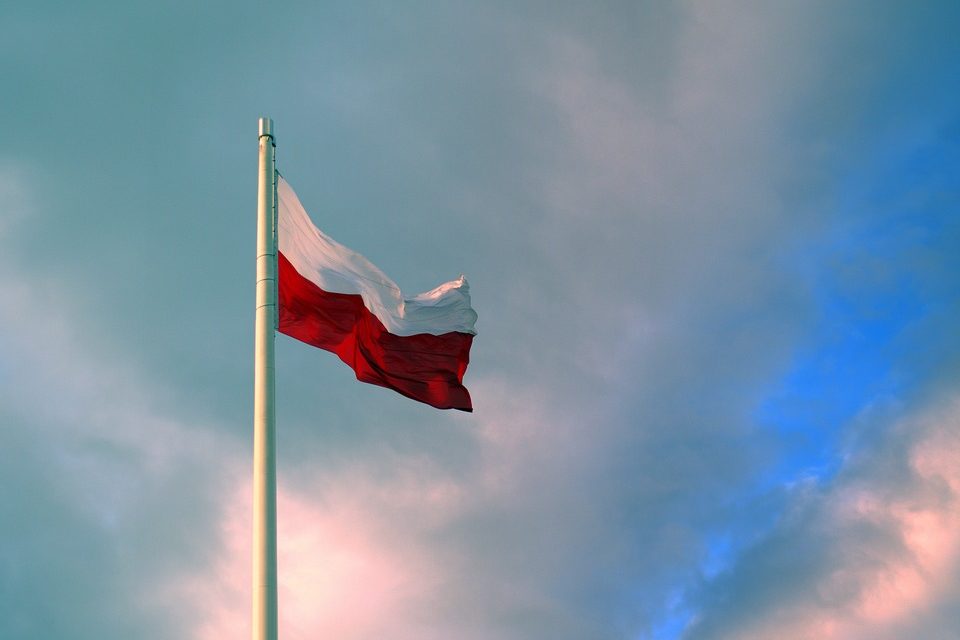
The ICJ called today on the Polish Parliament (Sejm) to reject two draft laws that, if approved, would significantly undermine the independence of the judiciary.
The Sejm is reportedly set to approve tomorrow draft bill no. 2002 that, among other measures, will allow Parliament and the Government to appoint a majority of the members of the National Judicial Council, the institution in charge of defending the independence of the judiciary and appointing judges.
This law gives the Polish legislature and executive, which have increasingly demonstrated deep disregard for human rights and the rule of law, undue influence over the judiciary.
Additionally, draft bill no. 2003, which will also come before the Parliament for approval, will lower the age of retirement for Supreme Court judges from 70 to 65 years and allow the President of the Republic to decide which judges are to be reinstated.
“These draft laws tabled by President Duda are a direct blow to the principle of separation of powers, the bedrock of the rule of law,” said Massimo Frigo, Senior Legal Adviser with the ICJ Europe Programme. “The changes made to the draft laws rejected by the President last July have not remedied in any way their adverse implications for judicial independence”.
In July, President Andrzej Duda vetoed two draft laws approved by Parliament that would have automatically dismissed all judges of the Supreme Court and entrusted the Minister of Justice with any decision on their reappointment.
The provision on the appointment of the members of the National Judicial Council was also included in the draft laws rejected in July and has changed only with regard to the parliamentary majority needed for such appointments.
“These series of legislative attacks on the independence of the judiciary in Poland must stop. These actions are inconsistent with the international obligations of Poland to ensure the independence of judges,” said Massimo Frigo.
“If these laws are approved and enter into force, this will be a decisive blow to the rule of law in Poland. A EU Member State that directly undermines the checks and balances of its own legal system threatens the founding values of the EU of the rule of law and respect for human rights, and makes it essential that the EU intervene through its article 7 procedure.” he added.
An article 7 procedure can lead to a State losing its voting rights within the EU decision-making processes. It is triggered by the European institutions, or one third of Member States, when they consider that there is a “clear risk of a serious breach by a Member State” of EU values, among which the rule of law and human rights. It is the European Council that then decides on the exclusion, if it determines that the breach of these values is “serious and persistent”.
Contact
Massimo Frigo, ICJ Senior Legal Adviser, t: +41 22 979 3805 ; e: massimo.frigo(a)icj.org
Poland-Draft law judiciary-News-Press releases-2017-ENG (full text in PDF)
Dec 4, 2017 | News
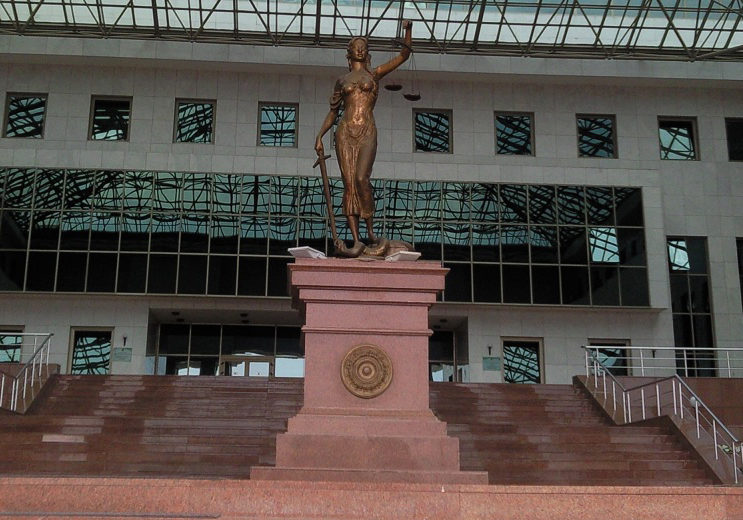
Today, the International Commission of Jurists (ICJ) began a two-day mission on the reform of the legal profession in Kazakhstan.
The ICJ mission will discuss comparative experiences and international standards on the role and independence of lawyers.
The ICJ mission will include representatives of the Bar Associations of Germany, the Netherlands and the United Kingdom.
The experts will have an opportunity to share their views on the reform and discuss their own country practices on the role of lawyers and institutional guarantees of the independence of the legal profession.
In Astana, the ICJ mission will meet, among others, with the Minister of Justice, the Supreme Court of Kazakhstan, members of the Parliament, the Kazakhstan Collegium of Lawyers and National Public Association of Commercial Lawyers “Kazakhstan Bar Association” (“KazBar”).
Contact:
Temur Shakirov, Senior Legal Adviser, ICJ Europe Programme, temur.shakirov(a)icj.org
Dec 1, 2017
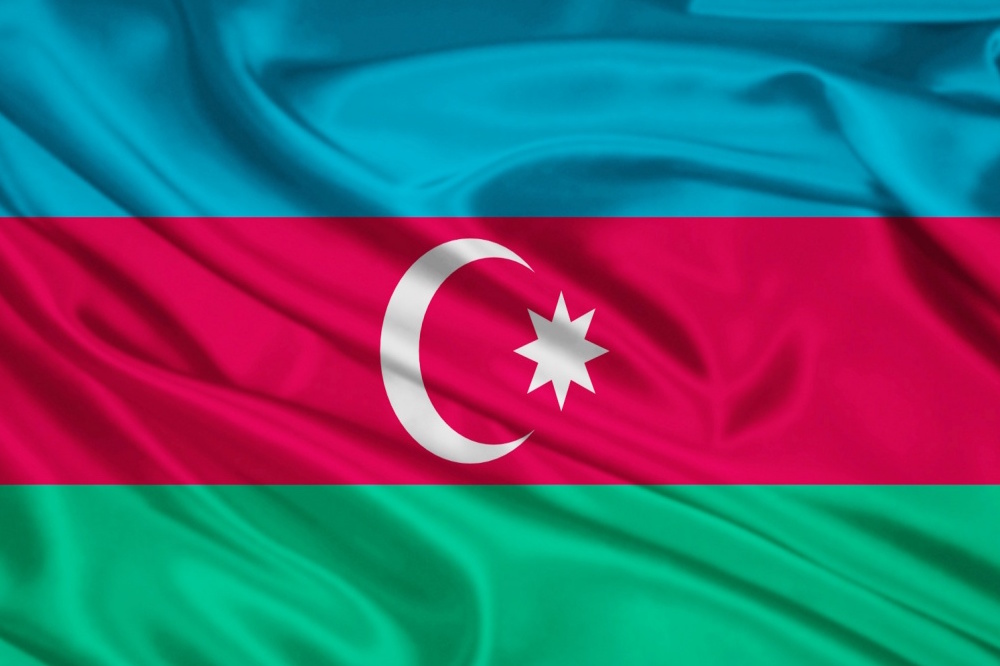
In a new briefing paper, the ICJ expressed today concerns at the adverse impact of new legislation on the right to access to a lawyer and to a fair trial in Azerbaijan.
On 31 October 2017, the Azerbaijan Parliament adopted amendments to the Civil and Administrative Codes of Azerbaijan and the law “On lawyers and lawyers’ activity” that restrict representation in court to lawyers who are members of the Bar Association.
The amendments were signed into law on 7 November by President Ilham Aliyev and are due to enter into force on 1 January 2018.
The new legislation bans representation in courts by non-members of the Bar Association in Azerbaijan.
If implemented without a necessary and sufficient transition period, it will terminate the legal practice of many practicing lawyers without a realistic possibility to join the Bar Association and thereby continue their work.
The International Commission of Jurists (ICJ) is concerned that this will leave many people in Azerbaijan without access to legal assistance and representation in violation of their human rights, including the right to a fair hearing.
Azerbaijan-legalsubmission-accesstoalawyer-2017-eng (download the briefing paper)
Nov 30, 2017 | News
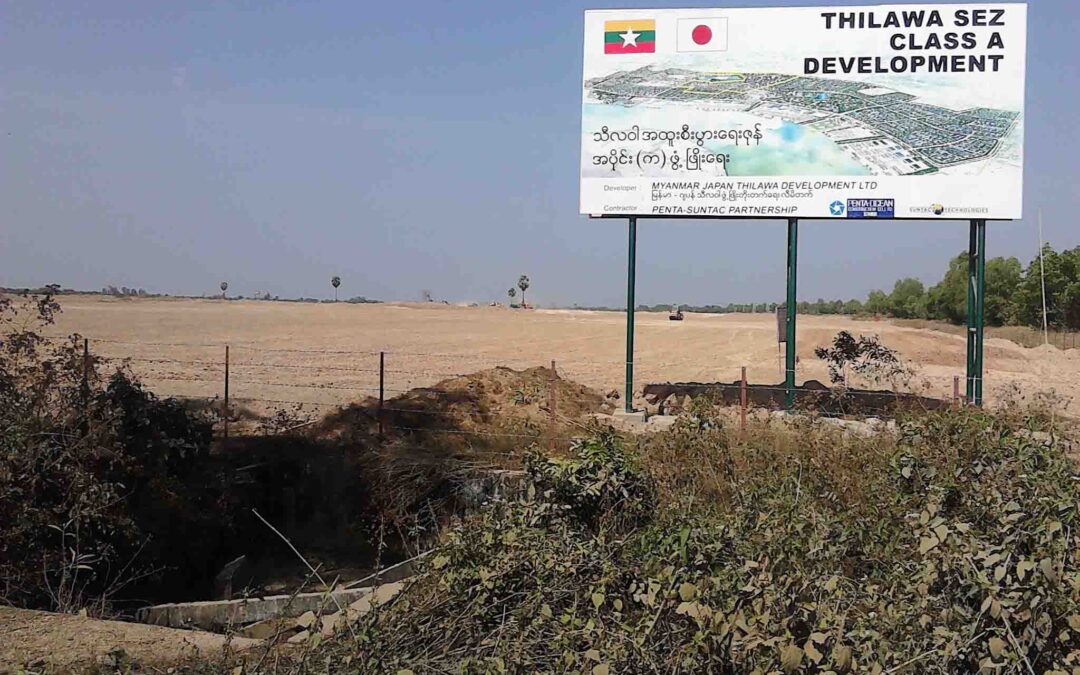
The ICJ addressed representatives of over 400 civil society organizations from all 14 states and regions of Myanmar at the MATA Forum held in the township of Pyin Oo Lwin, close to Mandalay.
Hosted from 28 to 30 November by the Myanmar Alliance for Transparency and Accountability (MATA), the Forum featured seminars and discussions on the ‘The Role of Civil Society Organizations related to Democracy, Federalism, Human Rights and Natural Resource Governance.’
MATA facilitated presentations and discussions by a range of actors on these topics – including by Sean Bain, an International Legal Adviser from the ICJ.
The ICJ’s presentation began with a reflection about key legal concepts, noting the differences between ‘rule by law’ and ‘rule of law’ as understood in the Myanmar context.
MATA members helped facilitate discussion on the application of law in Myanmar, and on key rule of law principles of democracy, human rights, accountability, transparency and justice.
Participants in the Forum were presented with an overview of Myanmar’s laws governing land and investment, assessed in relation to the State’s international legal obligations to respect and to protect human rights.
In particular, Myanmar ratified the International Covenant on Economic, Social and Cultural Rights in October 2017 and its obligations under this treaty will enter into force on 6 January 2018.
It was noted that many national laws – including a proposed new Land Acquisition Bill – fall short on fulfilling the State’s international human rights law obligations.
There was also discussion about how applying the principle of non-discrimination in law and practice is critical for Myanmar’s NLD-led government to meet its international obligations and fulfill its stated commitment to rule of law.
Historical examples were given of legal regimes in South Africa and Australia that legalized discriminatory practices of apartheid and the dehumanization of indigenous peoples. The law must no longer be used in Myanmar as a justification for discrimination.
The ICJ’s involvement in this Forum is part of ongoing engagement with civil society groups in Myanmar.