Apr 18, 2017
In a briefing paper issued today, the ICJ presents its comments on selected key aspects of the Common Asylum procedure Regulation proposed by the European Commission.
On 13 July 2016, the European Commission published a proposal (Common Asylum procedure Regulation) to replace the current Common Asylum procedures Directive.
The ICJ submission focuses on the potential impact of the current proposal on the rights of asylum seekers in Europe, including the right to an effective remedy and the principle of non-refoulement.
In the briefing, the ICJ raises concerns at the proposal to use excessively accelerated and border procedures, even when children are involved, at the introduction of excessively short time-limits for people to access an effective remedy and at the limited scope of the proposal.
The ICJ further opposes the lack of access to information in a language an asylum seeker understands, and the limited access to legal assistance and representation and to legal aid.
The ICJ invites the co-legislators, the European Parliament and the Council of the EU to take these concerns into account during their negotiations.
Europe-Common Asylum Procedure Reg-Advocacy-Analysis brief-2017-ENG (full text in PDF)
Apr 13, 2017 | News
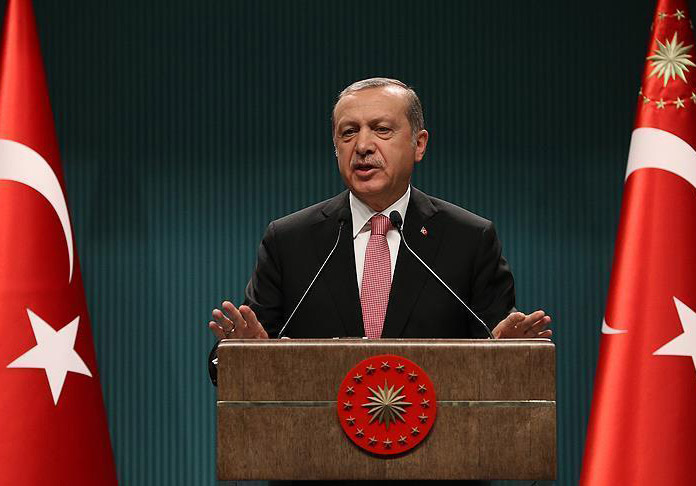
The ICJ today warned that proposed amendments to Turkey’s Constitution to be voted on in the referendum of 16 April could irremediably compromise the independence of the judiciary.
The amendments would introduce significant changes to the institutional framework governing the Turkish judiciary, with far reaching consequences for the separation of powers.
The ICJ is concerned that the proposed constitutional amendments, if approved, would enshrine in Turkish Constitution measures that would be severely damaging the rule of law in Turkey for the long term.
The separation of powers and the independence of the judiciary are fundamental components of the rule of law.
Under the proposals, the President of the Republic would be empowered to appoint six out of thirteen members of the High Council of Judges and Prosecutors, including four ordinary members as well as the Minister of Justice, (who would act as President of the Council) and the Under-Secretary of the Ministry of Justice.
The remaining seven members would be appointed by the National Assembly.
None of the members of the Council would be appointed by judges or public prosecutors.
The High Council of Judges and Prosecutors is the institution entrusted with the appointment, transfer, promotion, discipline and dismissal of judges and public prosecutors in Turkey.
It is the role of such a Council to act as a guardian of judicial independence and to protect the judiciary from interference by the executive and legislative powers.
The proposed Constitutional amendments are clearly contrary to international standards on the independence of the judiciary, which affirm that at least half of the members of a judicial council should be judges elected by their peers.
The amendments, if passed in the forthcoming referendum, would be enacted in a context where judicial independence has already been severely compromised.
Under the State of Emergency in place since the attempted coup of July 2016, approximately one fifth of the judiciary has been arbitrarily dismissed, and thousands of prosecutors and lawyers have been detained.
As the ICJ has previously highlighted, such measures have had a devastating effect on the independence of the judiciary at every level, compromising the courts’ ability to provide fair trials or an effective remedy for violations of human rights.
The ICJ understands that Turkey faced a serious threat to its democratic institutions in connection with the attempted coup of 15 July 2016.
Nonetheless, it stresses that measures meant to meet this threat must be undertaken within the framework of the rule of law and the country’s human rights obligations.
The ICJ reiterates its call on the Turkish authorities to lift the State of Emergency and the derogations from its international human rights law obligations that it has made as a matter of high priority.
Contact:
Róisín Pillay, ICJ Europe Programme Director, t: +32 2 734 84 46 ; e: roisin.pillay(a)icj.org
Background
An ICJ briefing paper of June 2016, the Turkey: the Judicial System in Peril , raised concern at measures eroding the independence of the judiciary, prosecution, and legal profession in Turkey, with serious consequences for protection of human rights.
The Council of Europe Recommendation CM/Rec(2010)12 of the Committee of Ministers to member states on judges: independence, efficiency and responsibilities, states:
- Not less than half the members of [councils for the judiciary] should be judges chosen by their peers from all levels of the judiciary and with respect for pluralism inside the judiciary.
Under international human rights law Turkey may derogate from certain human rights during a justified state of emergency only to the extent that derogating measures are strictly necessary to meet a current threat to the life of the nation.
Certain human rights, including freedom from torture, the right to life, and certain essential elements of the right to liberty, the right to a fair trial and the right to an effective remedy may never be restricted, even in an emergency situation.
Further guidance on relevant international law and standards can be found in the ICJ Legal Commentary to the Geneva Declaration on Upholding the Rule of Law and the Role of Judges and Lawyers in Times of Crisis.
Apr 12, 2017 | News
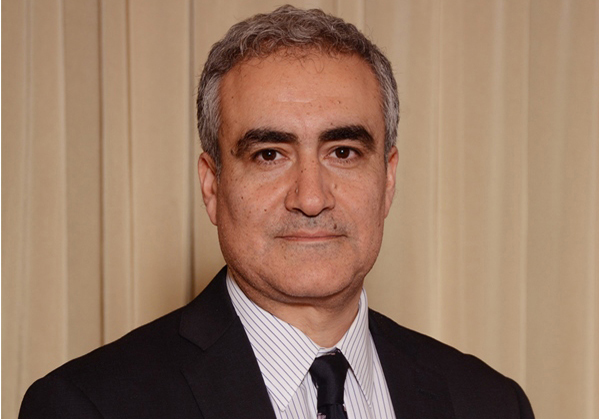
Saman Zia-Zarifi is the new Secretary General of the ICJ. He replaces Wilder Tayler who retired in March, the Geneva-based organization announced today.
An Iranian-American lawyer, Zarifi joined the ICJ in 2012 as Regional Director for the Asia & Pacific Region based in Bangkok, Thailand. Prior to joining the ICJ, he served as Amnesty International’s director for Asia and the Pacific from 2008 to 2012, and before that worked at Human Rights Watch from 2000.
“Wilder Tayler masterfully guided the ICJ for the past 10 years and expanded its reach across the world in perilous times,” said Prof Robert Goldman, the ICJ’s Acting President.
“The Commission is fully confident that Sam Zarifi will build on this legacy by bringing to the ICJ as a whole the energy and vision he deployed so successfully in the Asia Pacific region.”
The ICJ, founded in Berlin in 1952, is one of world’s oldest human rights organizations.
Composed of 60 accomplished jurists from all regions of the world, the ICJ has for 65 years devoted itself to promoting the observance of the rule of law and the legal protection of human rights.
The ICJ Secretary General leads the implementation of the Commission’s objectives through the ICJ’s International Secretariat.
The International Secretariat operates in locations around the world including Guatemala, Zimbabwe, South Africa, Tunisia, Belgium, Switzerland, Lebanon, Pakistan, India, Nepal, Myanmar, and Thailand.
“There is an urgent need to stand up against the recent attacks on the concept of rule of law and the international human rights legal framework that the ICJ was instrumental in building,” said Zarifi.
“We will challenge human rights violations and work with lawyers, judges and human rights defenders around the world to bring perpetrators to account and ensure victims receive justice,” he added.
The ICJ currently works globally and in all regions to protect human rights, defend the rule of law and strengthen the independence and accountability of judges and lawyers.
“Around the world, authoritarian rulers and demagogues are cynically using fearmongering and discriminatory language to justify erosion of the rule of law and weaken an independent judiciary,” Zarifi said.
“An increasing number of powerful politicians around the world attack international law when it suits them as a means of gaining more authority and hurting the most vulnerable segments of society.”
“The international legal framework has failed to address some very serious human rights crises and it has allowed gross economic inequalities to develop, but the answer is to fix the system and improve it, not just destroy it and allow the most powerful to rule without any legal restrictions,” Zarifi added.
The ICJ has been instrumental in developing many of the key universal and regional human rights legal standards, ranging from treaties on torture and enforced disappearances, the right to remedy and reparation, and most recently, seeking accountability for abuses by business entities.
It has provided both conceptual depth and practical advance to questions such as the justiciability of economic, social and cultural rights; human rights in states of emergency and other crises; and the fight against impunity.
“The ICJ’s experience over the past six decades has clearly shown that countries that respect the rule of law and protect human rights benefit from greater security and more sustainable economic development,” Zarifi said.
“There is greater demand than ever for the ICJ’s factual, law-based analysis of human rights problems and most important, how to improve the situation.”
Sam Zarifi was born and raised in Tehran, Iran. He moved to the United States in 1983 and completed a BA from Cornell University in 1990 and a Juris Doctor from Cornell Law School in 1993, and after a stint as a corporate litigator in Los Angeles, an Ll.M. in Public International Law from New York University School of Law in 1997.
He was Senior Research Fellow at Erasmus University Rotterdam from 1997 to 2000, where he co-edited Liability of Multinational Corporations under International Law (Kluwer 2000) as well as several other publications on the subject.
Contact
Sam Zarifi, ICJ Secretary General, t: +41 22 979 3825, c: +41 79 726 44 15 ; e: sam.zarifi@icj.org
Apr 12, 2017
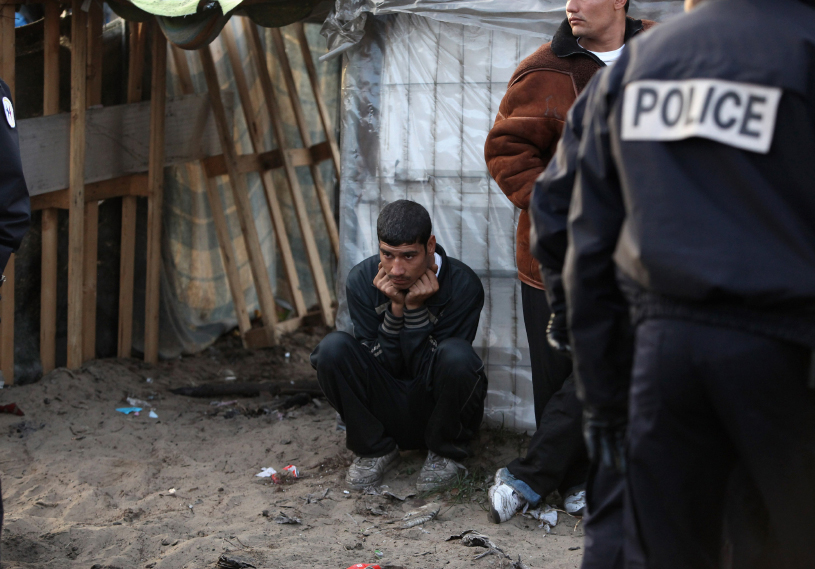
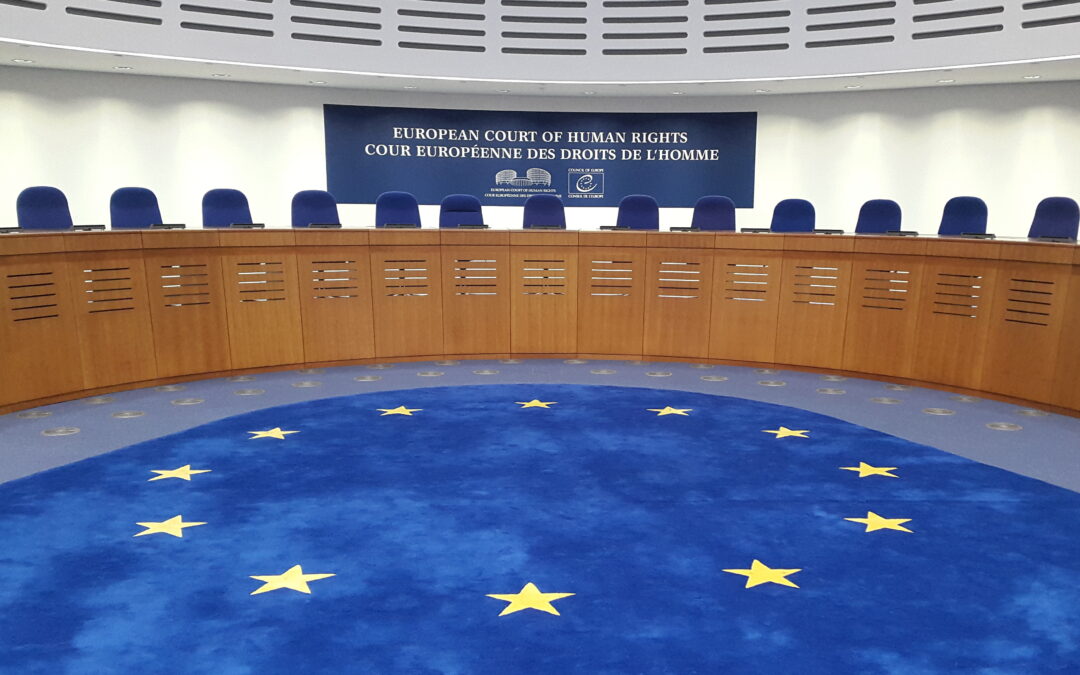
On 6 April, the ICJ, ECRE, the AIRE Centre and the Dutch Council for Refugees have submitted a third party intervention in the case of H. A. and Others v. Greece, which relates to the detention of nine unaccompanied minors (aged between 15 and 18), from Syria, Iraq and Morocco in Greek police stations.
The organisations argue that:
- A comprehensive assessment of the best interests of the child will presumptively exclude any resort to detention for children, when the detaining measures are being contemplated not in the context of furthering the child’s best interests but in the context of immigration control.
- The administrative detention of migrant children for immigration control purposes cannot fall within the scope of permissible detention under Article 5(1)(d) ECHR, which is intrinsically linked with the child’s educational supervision and protection needs.
- Before any administrative measure is taken concerning unaccompanied children, the State must appoint a guardian and provide the unaccompanied children with access to appropriate information in a language they understand.
- If the State fails to appoint a competent guardian for an unaccompanied child and/ or access to information is not adequately guaranteed, the State has failed to meet the procedural safeguards designed to assess, and determine the child’s best interests.
- Under EU law, EU Member States are obliged to provide conditions, procedures and information to children in order for them to have effective access to their rights under the Charter of Fundamental Rights of the EU.
Greece-HA_v_Greece-ECtHR-amicus-ICJ&others-final-eng-2017 (download the third party intervention)
Apr 10, 2017 | News
Zambia should reaffirm its membership in the International Criminal Court to best advance justice for victims of atrocities, a group of African organizations and international nongovernmental organizations – including the ICJ – with a presence in Africa said today.
Zambia’s government began public consultations on the country’s ICC membership the week of March 27, 2017.
This was in response to the African Union summit’s adoption in January of an “ICC withdrawal strategy.”
An unprecedented 16 countries, including Zambia, entered reservations to this decision.
Zambia has been a role model on the continent in matters of peace, democracy, and human rights. Leaving the ICC would erode the country’s leadership and threaten respect for the rights of victims of the most brutal crimes across Africa, the group of organizations said.
As a member of the Southern Africa Development Community (SADC), Zambia has a proud history in the establishment of the ICC, they added.
SADC was active in the diplomatic conference in Rome in 1998 where the ICC’s treaty was finalized after six weeks of negotiations.
SADC members developed 10 principles for an effective, independent, and impartial court at a meeting in Pretoria in 1997.
The ICC is a groundbreaking achievement in the fight against impunity, the organizations said.
It is the first and only global criminal court that can prosecute individuals responsible for atrocities.
It is a court of last resort in that it has the authority to try genocide, war crimes, and crimes against humanity committed since 2002, but only when national courts are unable or unwilling to investigate and prosecute.
Since the court’s treaty opened for signature in 1998, 124 countries have become members.
Zambia signed the ICC’s Rome treaty on July 17, 1998, the day it opened for signature, and ratified the treaty on November 13, 2000.
The ICC faces many challenges in meeting the expectations of victims of mass atrocities and member countries, the organizations said.
Its inability to reach crimes committed in some powerful countries and their allies is a cause for deep concern, even as claims that the ICC is targeting Africa are not supported by the facts.
The court’s reach is limited to crimes committed on the territories of countries that have joined the court or offered the court authority on its territory, absent a referral by the United Nations Security Council.
The majority of ICC investigations in Africa have arisen in response to requests or grants of authority by governments in the countries where the crimes were committed – as in Central African Republic, Côte d’Ivoire, Democratic Republic of Congo, Mali, and Uganda – or through referrals by the UN Security Council – as in Darfur, Sudan and Libya.
The ICC has faced backlash from some African leaders since it issued arrest warrants for Sudanese President Omar al-Bashir for alleged genocide, war crimes, and crimes against humanity in Darfur in 2009 and 2010.
In 2016, evidence of the backlash reached new heights when South Africa, Burundi, and Gambia announced they would withdraw from the court, the first countries to take such action.
Gambia has rescinded its withdrawal and South Africa is also re-examining withdrawal, making Burundi the only country to have maintained its withdrawal.
Under the ICC Statute, withdrawal goes into effect one year after the state party submits a notification to the UN Secretary-General.
In the wake of the announced withdrawals, many African countries – including Botswana, Burkina Faso, Côte d’Ivoire, Democratic Republic of Congo, Ghana, Lesotho, Mali, Malawi, Nigeria, Senegal, Sierra Leone, Tanzania, and Tunisia – have affirmed their commitment to remain in the ICC and to work for any reform as ICC members.
The organizations encourage Zambia to reaffirm its support for the court, particularly in the absence of any functioning regional criminal court that can hold perpetrators to account.
The groups expressing support for Zambia’s continued ICC membership are:
Africa Legal Aid
Africa Centre for International Law and Accountability–Ghana
Centre for Accountability and Rule of Law–Sierra Leone
Centre for Democratic Development–Ghana
Centre for Human Rights and Rehabilitation (Malawi)
Civil Resource Development and Documentation Centre (Nigeria)
Coalition for the International Criminal Court
Fédération Internationale des Droits de l’Homme
Human Rights Watch
Institute for Security Studies
International Commission of Jurists
JEYAX Development and Training (South Africa)
Kenya Section of the International Commission of Jurists
Kenya Human Rights Commission
Nigerian Coalition for the ICC
Parliamentarians for Global Action
Southern African Centre for the Constructive Resolution of Disputes (Zambia)
Southern Africa Litigation Centre (South Africa)