Aug 3, 2015 | News
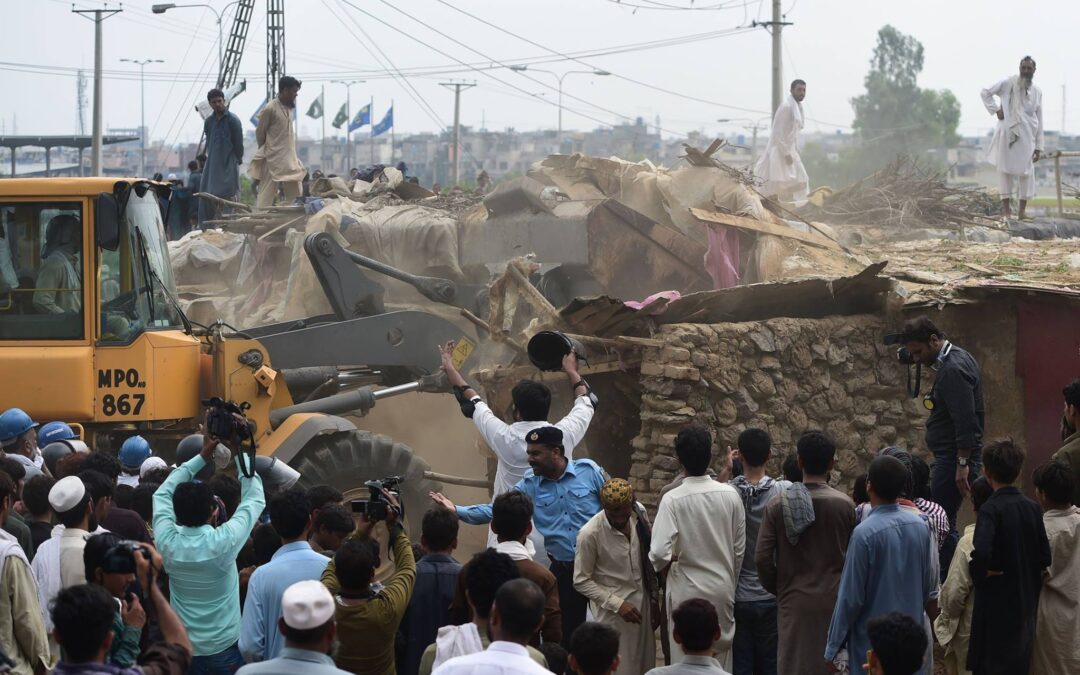
The ICJ is urging the Pakistani Government to immediately release, and drop all charges against, dozens of people arrested on 26 and 30 July in the context of a peaceful protest against forced evictions in Islamabad.
“This is yet another illustration of the Government using Pakistan’s counter-terrorism laws against peaceful protesters to clamp down on dissent,” said Sam Zarifi, ICJ’s Director for Asia and the Pacific.
“Peaceful protest is not an act of terrorism but a fundamental human right recognized by the Constitution as well as international human rights treaties that Pakistan is a party to,” he added.
The protest, forcibly dispersed by the police, was organized against the demolition of houses and the forceful eviction of over 8000 people residing in a slum in the city.
The Government alleges the slum is illegal and all residents are encroachers; the inhabitants claim that under Pakistani law, all informal settlements must either be formalized or the inhabitants must be provided alternate housing.
At least 66 individuals arrested were booked under Section 7 of the Anti-Terrorism Act, 1997 (ATA) for “obstructing the authorities”, “demonstrating force with a view to terrorizing citizens” and “creating mischief”.
Following a court order, they have been placed in police remand (custody of the police) for interrogation, where they may be at imminent risk of torture and other ill-treatment.
An anti-terrorism court released four of the detainees today. The rest, however, remain in police custody, and according to reports received by ICJ, many of them are being denied access to families and friends.
“The risk of abuse is inherent in the Anti-Terrorism Act, which defines terrorism in vague and overbroad terms. The Government must urgently amend the ATA to ensure it meets the internationally recognized tests of necessity, legality and proportionality,” Zarifi said.
Pakistan has a long history of using the ATA against political activists and human rights defenders.
In 2014, a dozen political activists, including Baba Jan, a prominent human rights defender from Hunza, were sentenced to life imprisonment by an anti-terrorism court for protesting against the government’s failure to assist victims of a landslide.
Before that, six power loom workers from Faisalabad were arrested in the context of a protest demanding minimum wage. In 2011, they were sentenced to 81 years in prison each under the ATA.
The International Covenant on Economic, Social and Cultural Rights, which Pakistan ratified in 2008, obligates States to recognize the right to an adequate standard of living, which includes housing.
The Human Rights Commission of Pakistan too has reminded the Government of its duty to provide shelter to the people of Pakistan and make arrangements to provide alternate housing to inhabitants of informal settlements.
“Forcibly evicting people from their homes without providing them any alternate housing can in itself be a human rights violation. Arresting peaceful protesters and denying their right to a fair trial even further adds to the culpability of the authorities,” Zarifi added.
Contact:
Sam Zarifi, ICJ Asia Pacific Regional Director (Bangkok), t: +66 807819002; email: sam.zarifi(a)icj.org
Reema Omer, ICJ International Legal Advisor, South Asia (London), t: +447889565691; email: reema.omer(a)icj.org
Additional Information:
Under Article 11(1) of the International Covenant on Economic, Social and Cultural Rights (ICESCR), which Pakistan ratified in 2008, States Parties recognize the right of everyone to an adequate standard of living, including adequate food, clothing and housing, and to the continuous improvement of living conditions.
States Parties are to take appropriate steps to ensure the realization of this right, recognizing to this effect the essential importance of international co-operation based on free consent.
The right to peaceful assembly is guaranteed under international human rights law, including Article 21 of the International Covenant on Civil and Political Rights (ICCPR), which Pakistan ratified in 2010 and is legally obligated to implement.
The UN Declaration on Human Rights Defenders also reiterates that everyone has the right to participate in peaceful activities against violations of human rights and fundamental freedoms, and obligates the State to take necessary measures to ensure the protection by the competent authorities of peaceful protestors against “any violence, threats, retaliation, de facto or de jure adverse discrimination, pressure or any other arbitrary action as a consequence of his or her legitimate exercise of the rights”.
Photo by Geo News
Aug 2, 2015 | News
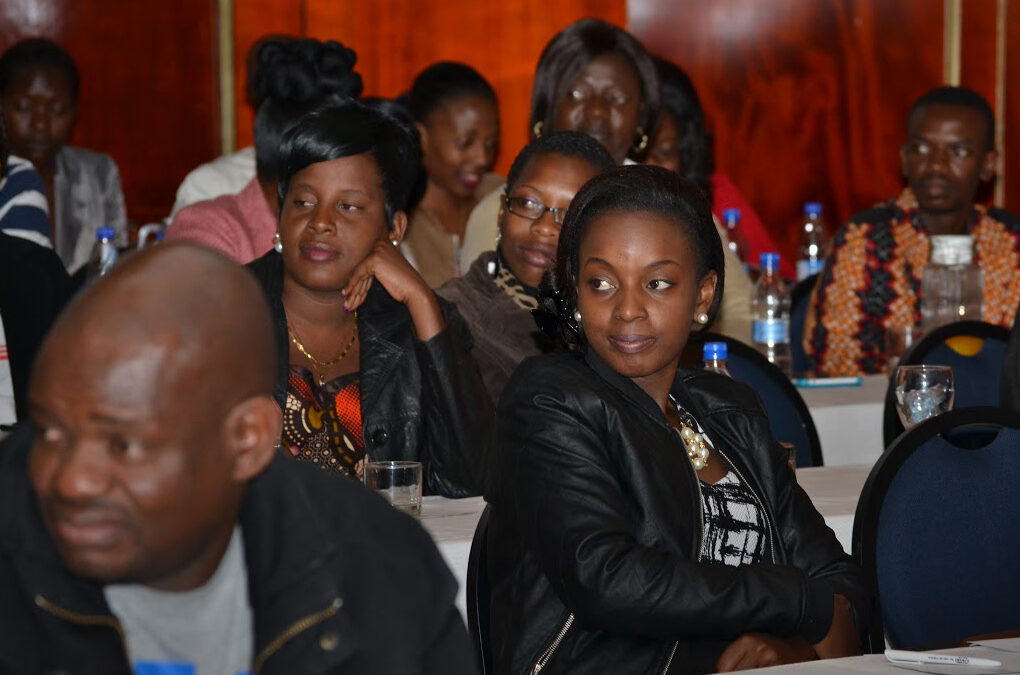
From 31 July to 2 August 2015 the ICJ supported a training and induction workshop for the Zimbabwe National Prosecuting Authority (NPA) in Harare, with over 200 participants.
The public prosecutors came from the Eastern Division comprising of Midlands, Manicaland and Masvingo provinces.
The objective of the training and induction workshop was to appraise the prosecutors of the changes brought about by the Constitution, international and regional standards in the conducting of prosecutorial duties, their independence and accountability.
The presentations also focused on the Criminal Procedure and Evidence Act as the main guiding framework for public prosecutors which has been significantly altered with the assumption of a new Constitution in respect of fair trial rights.
The NPA and the public prosecutors required a platform to collectively familiarize themselves with the changes and conducting of their duties guided by national, international and regional standards.
For purposes of infusing best regional and international practices, presentations included international principles and standards for prosecutors under United Nations Basic Principles on the Role of Prosecutors; the Principles and Guidelines on the Right to Fair Trial and Legal Assistance in Africa; the relationship of the NPA and other arms such as the Judicial Service Commission and the Police.
An array of resources persons were invited and included Justice Chinembiri Bhunu, from the Judicial Service Commission, Virginia Mabiza, Permanent Secretary Ministry of Justice Legal and Parliamentary Affairs, Andrew Chigovera, former Attorney General of Zimbabwe, former Commissioner on the African Commission on Human and Peoples Rights and Dr. Tarisai Mutangi, law lecturer Midlands State University.
As a new establishment under the Constitution, the NPA explored the available and needed continuous professional development for prosecutors to fully equip them for their mandate.
The Principal of the Judicial College of Zimbabwe (a partner of the ICJ), Mr. Shana, presented on the opportunities for continuous professional development for prosecutors for acquaintance with new legal developments.
The training follows additional support that ICJ made to the National Prosecuting Authority (NPA) under a European Union (EU) funded agreement to develop a strategic plan for the NPA in respect of which a strategic planning workshop was held from 6 to 8 July 2015,
Contact:
Arnold Tsunga, ICJ Regional Director for Africa, t: +27 73 131 8411, e: arnold.tsunga(a)icj.org
Aug 2, 2015
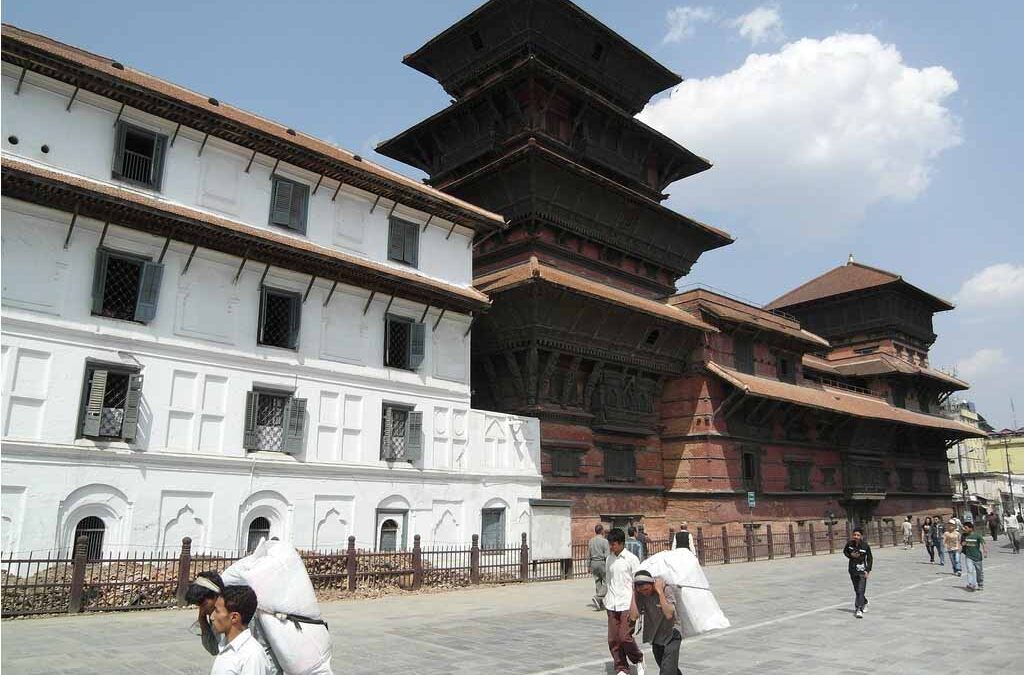
An opinion piece by Nikhil Narayan, ICJ Senior legal Adviser in Nepal and Sanitha Ambast, ICJ International Legal Adviser in India.
When former Nepal Prime Minister and UCPN (Maoist) Chairman, Pushpa Kamal Dahal visited Delhi in mid-July 2015, India’s President, Prime Minister, and members of major political parties voiced their support for the early finalization and adoption of Nepal’s constitution.
Prime Minister Modi asked Nepal to ensure that the constitution was drafted with the support of as many stakeholders as possible.
However, this advice seems to have been ignored given the manner in which the constitution-making process has been fast-tracked in Nepal.
The process underway is seriously flawed, and has resulted in a draft that ignores important human rights obligations.
While continuing to support timely progress, India should encourage the authorities in Nepal to develop a legitimate and rights-respecting Constitution through an inclusive and participatory process.
Nepal’s constitutional drafters began their work over seven years ago, but the process stalled repeatedly due to political disagreements.
However, the earthquake of 25 April 2015, combined with emerging consensus among the major political party elites, has meant that recent weeks have seen sudden and remarkable progress towards the finalization of a Constitution.
Nepal’s four major political parties reached an internal agreement on 9 June 2015, in which they avoided dealing with the contentious federalism issue by agreeing to leave the discussion on the territorial boundaries and names of the new federal entities to a federal commission to be established later.
The Constitution Drafting Committee was then asked to prepare a preliminary text of the Draft Constitution. Nepal’s Constituent Assembly (CA) endorsed this Draft Constitution on 7 July 2015, paving the way for ‘public consultation’ on the provisions of the Draft.
The Committee on Public Relations and Opinion Collection was given 15 days starting 9 July 2015 to consult with and solicit views from the Nepali public throughout the country on the Draft Constitution, consolidate them, and produce a report for the CA. This period ended at the end of last week.
A two-week timeframe to read and respond to a constitutional document that is over 100 pages long is grossly inadequate. As reports have indicated, Nepali people in some regions were effectively given only two or three days to provide inputs.
While a few groups and individuals managed to make submissions, in several other districts people protested the contents of the Draft, and the police responded with force. The monsoon rains further hampered public accessibility to meetings.
It is also unclear whether and to what extent people living in remote areas and/or areas rendered inaccessible by the rains, persons affected by the earthquake, illiterate persons, non-Nepali speakers, and persons living with disabilities, including people who are vision-impaired, were consulted.
It is hard to imagine that the Committee on Public Relations and Opinion Collection was able to process in any detail the views and suggestions collected through the consultation and adequately analyze them within the mandated 15 days.
The Draft Constitution is substantively problematic and several rights are not adequately protected.
The citizenship provisions are vague and discriminatory, and risk rendering people stateless by requiring that children born in Nepal may only obtain citizenship if both mother and father are identified and are Nepali citizens themselves. Non-citizens are excluded from key entitlements and protections.
The provisions on gender equality are controversial, with activists arguing that the current formulation does not guarantee the full range of women’s reproductive rights.
Several economic and social rights are defined inadequately, thus not offering the protections required by international human rights law.
Allowance for restrictions on the rights to free speech, expression, information and press freedom, as well as the rights to freedom of association and assembly, are broad and vague and exceed what is permitted under international human rights standards.
Provisions on remedy for human rights violations are lacking. And guarantees for securing judicial independence are weak and inadequate.
An inadequate consultative process means that people do not have the opportunity to point out these flaws, or to advocate for a Constitution that addresses the root causes of the past conflict and enhances respect and protection of all human rights.
This also means that the Constitution, and the state structures it establishes, may lack necessary public legitimacy and ownership from the outset.
Ensuring genuine consultation and public participation in democratic processes – particularly the constitution-making process – is crucial for the legitimacy of the Constitution and the rule of law in democracies, and would be wholly consistent with Nepal’s obligations under international human rights law.
Public participation is particularly important given the constitutional history of Nepal.
Nepal has had six Constitutions since 1948. Each of these Constitutions, whether authoritarian or democratic in nature, was promulgated without a participatory process.
A major accomplishment of the 2006 Comprehensive Peace Agreement, which marked the end of the civil war in Nepal, was to commit to a Constitution that respected “people’s right to information, transparency and accountability” and “people’s participation”.
While broader consultation may take slightly longer than the “fast tracked” process, it will be a valuable investment if it results in a strong and lasting Constitution.
India has a political and economic stake in a Nepal that is democratic, peaceful and prosperous. A Constitution developed on the basis of a genuine and inclusive participatory process is not just a human right.
It also enhances the likelihood of popular ownership of the Constitution, which was lacking in Nepal’s previous Constitutions, thus improving the chances for peace and stability in the nation.
Photo credit: Sebastian Werner
Jul 31, 2015 | News
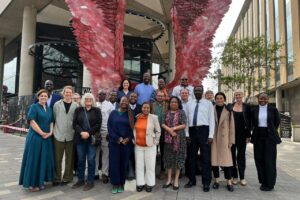
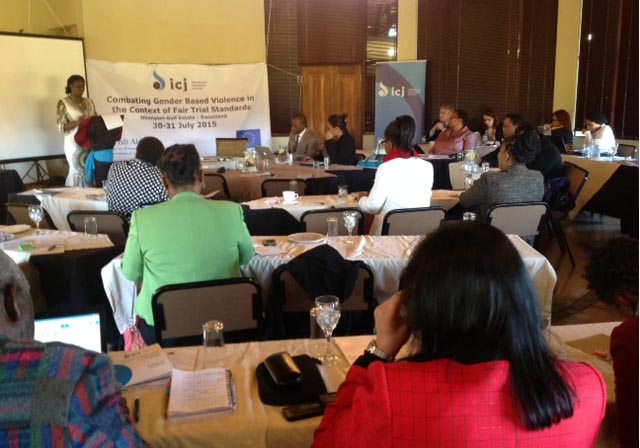
The ICJ held a colloquium on this issue on 30-31 July. Judges, magistrates, lawyers, members of academia, and civil society leaders from SADC, ECOWAS and the East African Community attended the event.
The Acting Chief Justice of the Kingdom of Swaziland, MCB Maphalala and the Secretary General of ICJ, Wilder Tayler, officially opened the colloquium.
The participants discussed the concept of gender-based violence; the efforts to combat impunity in sexual offences and gender based violence at the national, regional and international level and made recommendations to eliminate the scourge.
One of the key objectives of the workshop was to contribute to the process of enacting sexual offences and domestic violence legislation in Swaziland.
The Sexual Offences and Domestic Violence Bill of Swaziland is before the house of assembly, which has asked stakeholders to submit their views, on what should be included in the law.
The judges, lawyers and civil society leaders had robust and honest discussions touching on effective innovative strategies to combat sexual and gender based violence.
Some of the recommendations included the training of judicial officers to be gender sensitive, changing societal attitudes and prejudices, raising awareness amongst parliamentarians, creative interpretation and application of regional and international standards when adjudicating cases of sexual offences and gender based violence as well as observance of fair trial standards at the national, regional and international level.
The colloquium was made possible with funding from IrishAid.
Jul 30, 2015
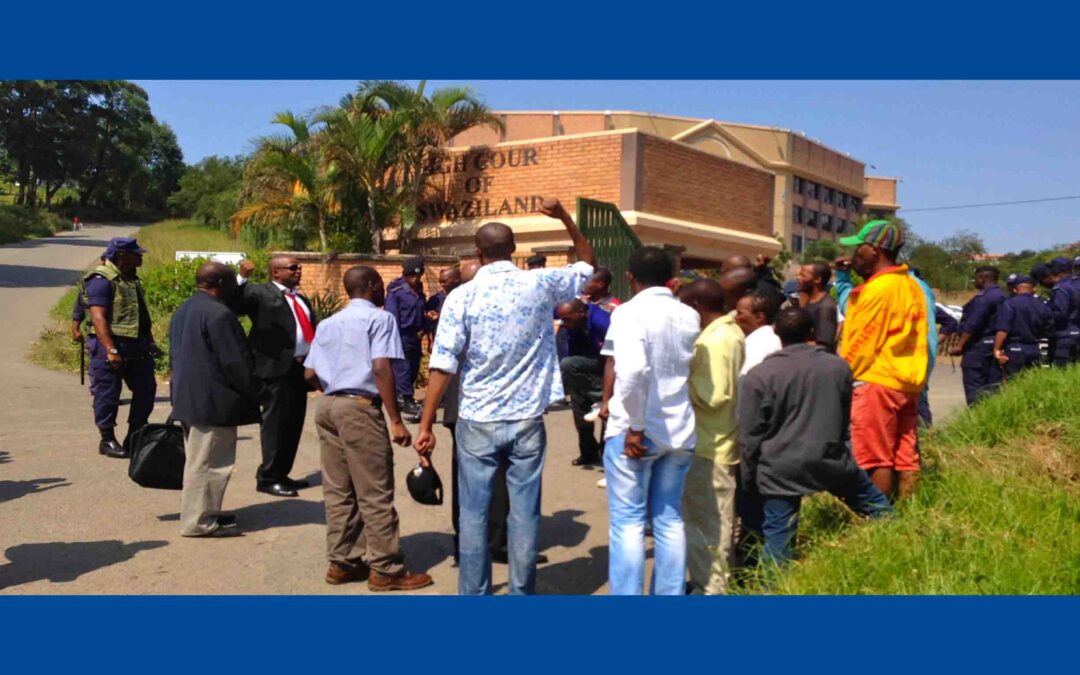
The ICJ today released its trial observation report of the trial in 2014 before the High Court in Mbabane, Swaziland, in The King v The Nation Magazine, Bheki Makhubu, Swaziland Independent Publishers (Pty) Ltd, and Thulani Maseko.
In February 2014, Thulani Maseko and Bheki Makhubu wrote an article entitled “Speaking my mind”, published in the Nation Magazine, which is owned by Swaziland Independent Publishers (Pty) Ltd. In March 2014, Thulani Maseko wrote a second article entitled ‘Where the law has no place’, also published in the Nation Magazine.
The articles criticized the manner in which the former Chief Justice of Swaziland, Justice Michael Ramodibedi, had handled an allegation of contempt of court against Bansthana Vincent Gwebu in January 2014.
The charges against the four defendants arose from the fact that the articles were published before the case against Bansthana Vincent Gwebu had been disposed of.
The defendants were accused of unlawfully and intentionally issuing statements contemptuous of the court.
The ICJ’s report The Failure of Justice: Unfair Trial, Arbitrary Detention and Judicial Impropriety in Swaziland concludes that the arrest and detention, trial, conviction and sentencing of the defendants involved multiple violations of the Constitution of the Kingdom of Swaziland, the African Charter on Human and Peoples’ Rights, the Principles and Guidelines on the Right to a Fair Trial in Africa and the International Covenant on Civil and Political Rights.
Thulani Maseko and Bheki Makhubu were subjected to unlawful and arbitrary arrest and detention, including violation of their right to legal counsel and their right to a public hearing with respect to their initial appearance before the Chief Justice in his chambers.
All aspects of the trial, including pre-trial proceedings before the Chief Justice and the trial judge, involved violation of the right of all defendants to a hearing by an impartial tribunal.
The defendants were improperly convicted, in violation of the right to freedom of expression. Even had the convictions been proper, they were sentenced to disproportionately severe sentences, particularly in the case of the sentences of two years’ imprisonment of Thulani Maseko and Bheki Makhubu.
Although the improper convictions and disproportionate sentences have been ‘self-corrected’, through the Supreme Court of Swaziland’s unopposed setting aside of convictions and sentences, it remains the case that Thulani Maseko and Bheki Makhubu were arbitrarily deprived of their liberty, including because this resulted from the legitimate exercise of their freedom of expression.
Swaziland-Maseko Trial Observation-Publications-Trial observation report-2015-ENG (download full report, in PDF)