Jul 3, 2019 | Advocacy, Non-legal submissions
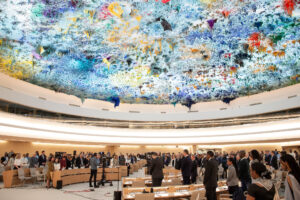
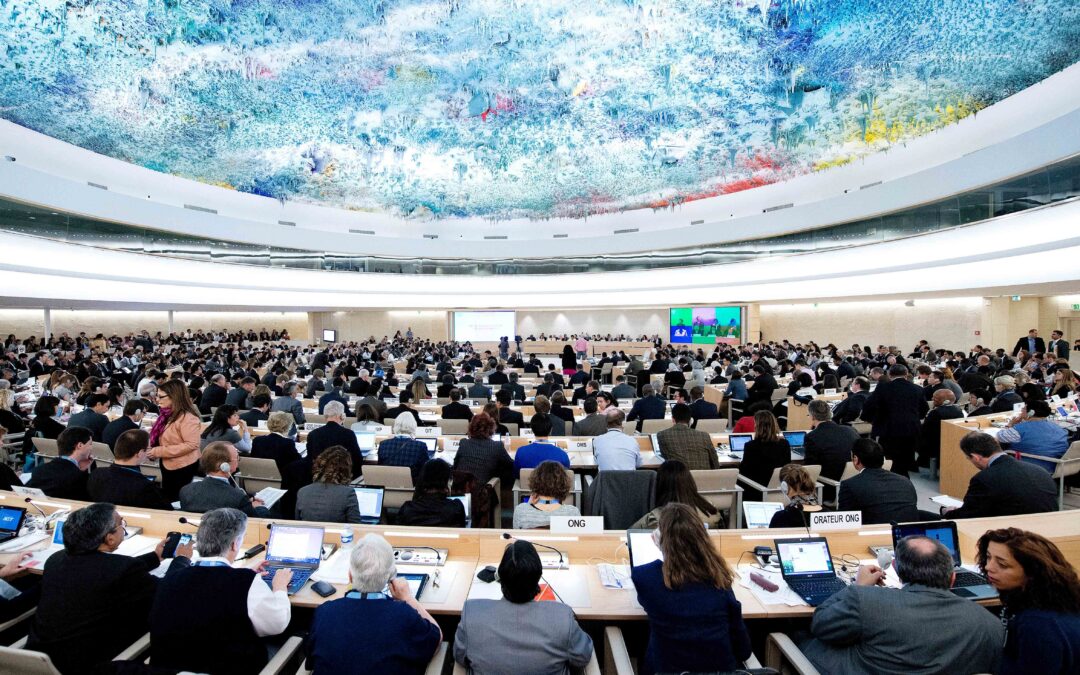
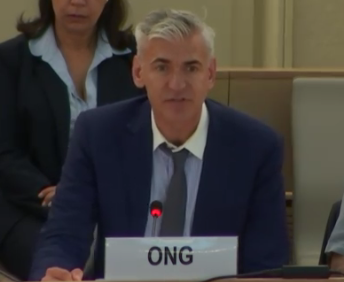
The ICJ today joined other NGOs in drawing the attention of the UN Human Rights Council to extra-judicial killings and enforced disappearances in Kashmir.
The statement, delivered by International Federation for Human Rights Leagues (FIDH) on behalf of Asian Forum for Human Rights and Development (FORUM-ASIA), Human Rights Watch, International Commission of Jurists, and World Organisation Against Torture (OMCT), read as follows:
“We look forward to the publication of the High Commissioner for Human Rights’ second-ever report on the grave human rights violations and abuses committed in Kashmir.
In Indian Administered Kashmir, government forces have been responsible for serious violations, including unlawful killings, enforced disappearances, torture, and rape and other sexual violence. These grave violations by security forces in Kashmir are met with chronic impunity, as alleged perpetrators are rarely properly prosecuted for human rights violations, leading to near-total immunity for the crimes committed. Non-state armed groups have also been responsible for serious abuses, including attacks against journalists.
In Pakistani Administered Kashmir, there have been reports of unlawful restrictions on freedom of expression and association, as well as the misuse of anti-terrorism legislation against protesters.
We are gravely concerned by the increasing threats faced by, and reprisals against, human rights defenders and others who have cooperated with UN human rights mechanisms in recent years, particularly in the elaboration of the OHCHR’s reports. We urge the Government of India to ensure that human rights defenders and journalists are allowed to carry out their work without threats or reprisals, and take adequate steps to protect them from non-state groups.
We also remain concerned that the Governments of India and Pakistan continue to deny access to OHCHR and other human rights mechanisms to Kashmir. We call on them to grant unconditional access to these mechanisms, as well as to human rights organizations and the media.
We also call on the Council to act on the call to establish a commission of inquiry.”
Jul 1, 2019 | Advocacy, Non-legal submissions
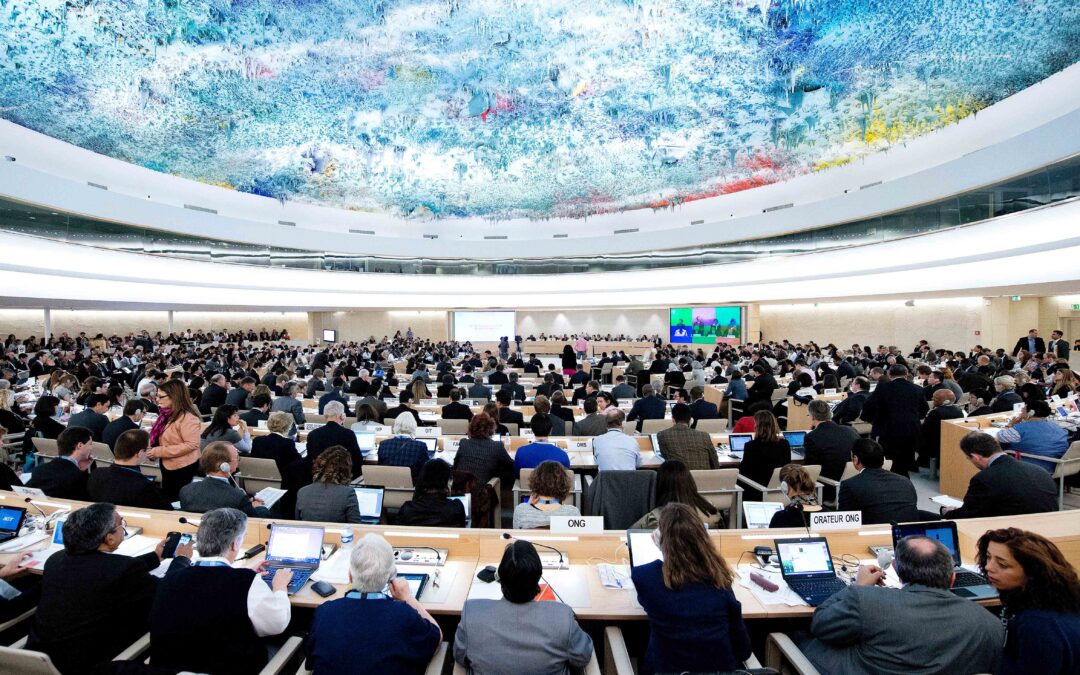
The ICJ today highlighted the negative impacts of criminalisation of HIV non-disclosure, exposure and transmission, on human rights, as well as an ongoing initiative to develop a set of relevant principles, at the UN Human Rights Council.
The oral statement, delivered during the General Debate under Agenda Item 3, was titled “Developing principles to address the detrimental impact on health, equality and human rights of criminalization with a focus on select conduct in the areas of sexuality, reproduction, drug use and HIV” and read as follows:
“The ICJ welcomes the High Commissioner’s report (A/HRC/41/27) on human rights in the response to HIV.
Unjust criminalization of HIV non-disclosure, exposure and transmission is a barrier to the realization of human rights – fostering stigma, discrimination, violence and abuse.
Last year, the ICJ – supported by UNAIDS, OHCHR and UNDP – convened a meeting of jurists to address the harmful effects of misuse of criminal law in relation to HIV and other issues.
The meeting endorsed civil society’s call for jurists to elaborate a set of principles to assist legislatures, the courts, administrative and prosecutorial authorities, and advocates address the deleterious impact on health, equality, and human rights of criminalization in a range of areas. In addition to HIV, jurists concluded the principles should address criminalization of sexual and reproductive healthcare services, including abortion; criminalization of consensual sexual conduct, including sex work, sex outside marriage, same-sex relations, and adolescent sexual activity; and criminalization of drug use and of possession of drugs for personal use.
To ensure the jurists’ principles are effective and protect the most at-risk individuals, the process for developing them is as important as the content of the principles themselves. Thus, broad consultation with a wide range of stakeholders, including national and international civil society organizations, UN human rights mandate holders and UN agencies, is ongoing.”
Jul 1, 2019 | Advocacy, Non-legal submissions
The ICJ today joined other NGOs in calling on States to do more to save lives and uphold human rights of migrants, including by recognising the role of civil society and creating an environment for its work.
The statement to the UN Human Rights Council, delivered on behalf of the group of NGOs by the International Catholic Migration Commission, read as follows:
“We are deeply concerned by widespread and growing violations of the human rights of migrants and an environment where those who seek to protect them are increasingly criminalized.
The Global Compact for Migration provides technical guidance and a cooperative framework for the implementation of existing legal commitments. It is mobilizing resources to support States in this.
We are asking you to do more and to do better to save lives and uphold human rights. The Compact can help you do this.
Civil Society is already using the Compact at regional and national level, often in partnership with States, for example:
- Civil society in Central America are developing a pilot programme to identify missing migrants to support States’ implementation of Objectives 8 and 9.
- Migrant Forum in Asia has led consultations with governments and other stakeholders throughout Asia.
- Cross-Regional Center for Refugees and Migrants has developed a baseline assessment on the GCM for the MENA region.
- The International Detention Coalition is working with States to develop a cross regional platform on alternatives to child immigration detention in line with Objective 13(h)
We believe these activities can inspire similar measures, but we need all States to create an environment that enables us to do so and we need all States to take leadership on implementation.
The human rights of migrants deserve the acknowledgement, respect, and urgent action of all of us.”
Delivered by the International Catholic Migration Commission, the statement was co-sponsored by the following ECOSOC accredited NGOs:
- ACT Alliance
- Alianza Americas
- Asylum Access
- Caritas Internationalis
- Congregation of Our Lady of Charity of the Good Shepherd
- Congregations of St. Joseph
- Defence for Children International
- International Catholic Migration Commission
- International Commission of Jurists
- International Council of Voluntary Associations (ICVA)
- International Detention Coalition
- International Movement Against All Forms of Discrimination and Racism (IMADR)
- Migrant Forum in Asia
- Save the Children
- Terre des Hommes International Federation
- Translators without Borders
- Vivat International
- World Organization for Early Childhood Education (OMEP)
The statement was also supported by the following NGOs and networks who do not have ECOSOC accreditation:
- Action Secours Ambulance (ASA)
- Asia Pacific Refugee Rights Network (APRRN)
- Asociación Rumiñahui
- Bloque latinamericano y el Caribe sobre Migración
- Casa Monarca ayuda humanitaria al migrante
- Center for Migrant Advocacy, Philippines (CMA-Phils)
- Centro de Atención y Desarrollo Integral Migrante (CADIM Oxnard)
- Centro de Recursos Centroamericanos Del Norte California (CARECEN)
- Centro de Atención a la Familia Migrante e Indígena (CAFAMI)
- Civil Society Action Committee
- Comision de Accion Social Menonita (CASM)
- Destination Unknown Network
- Estancia del Migrante González y Martínez
- FM4 – Paso Libre
- Fundación para la Justicia y el Estado Democrático de Derecho
- Global Coalition on Migration
- Institution para las Mujeres en la Migración (IMUMI)
- Instituto de Estudios y Divulgación sobre Migración (INEDIM)
- International Presentation Association
- NGO Coalition on Migration
- Organismo Cristiano de Desarrollo Intergral de Honduras (OCDIH)
- Pacific Islands Association of Non-Government Organisation (PIANGO)
- Plateforme des Organisations Nationales et Territoriales (Pont-Sch)
- Red de Mujeres del Bajío
- Red Internacional de Migración y Desarrollo
- Red Jesuita con Migrantes de América Latina y Caribe (RJM-LAC)
- Religious of the Sacred Heart of Mary
- Solidarity Centre
- The Mixed Migration Centre
- Women in Migration Network
Jun 29, 2019 | News
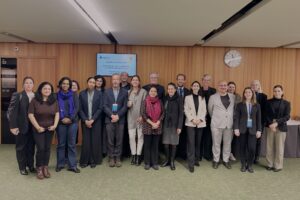
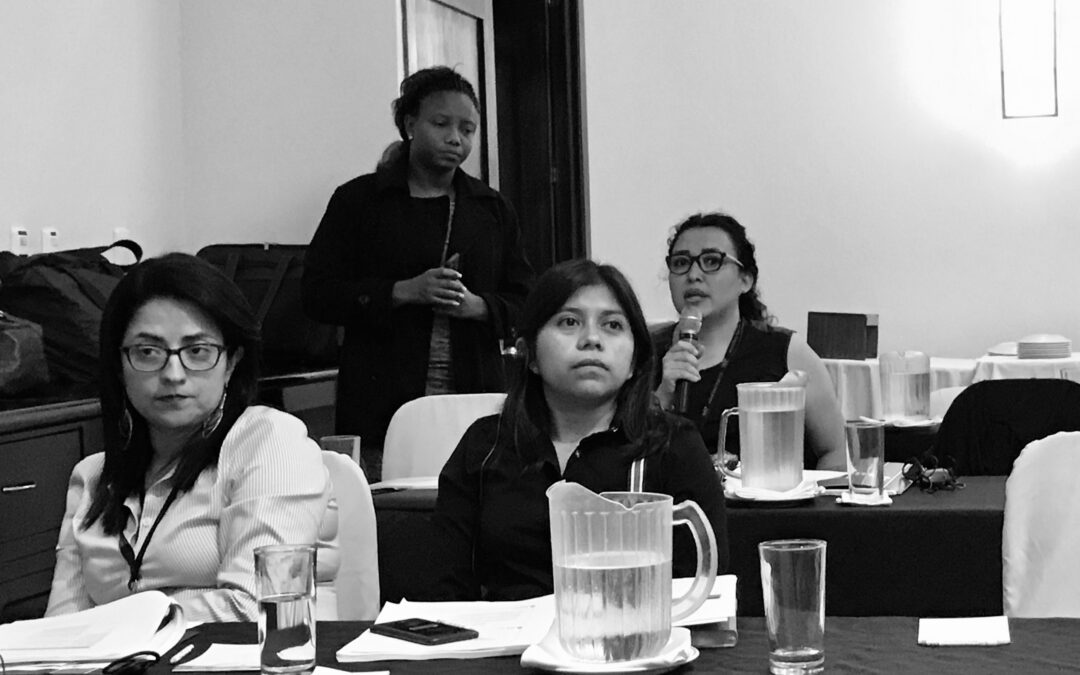
Between 26 and 29 June 2019, in Guatemala City, ICJ and its partner, Fundación de Antropología Forense de Guatemala (FAFG), with the support of the Asociación Guatemalteca de Jueces por la Integridad (AGJI) and the Bufete de Derechos Humanos (BDH), undertook trainings of more than 12 judges and 20 prosecutors on the international law and standards that apply to the investigation of unlawful death and enforced disappearances.
The workshops were conducted as part of the project under the ICJ’s Global Accountability Initiative entitled, Promoting justice for extrajudicial killings and enforced disappearances in Colombia, Guatemala and Peru, supported by the EU European Instrument for Democracy and Human Rights (EIDHR).
Opening remarks were given by Tomás Pallás Aparisi, Head of Cooperation at the EU Delegation to Guatemala, Delia Dávila, Magistrate from the Supreme Court of Guatemala and Haroldo Vasquez, President of the Asociación Guatemalteca de Jueces por la Integridad AJGI.
Ramón Cadena, Director of the ICJ’s Central America Office, addressed the international law and standards that apply to the investigation and prosecution of unlawful death and enforced disappearances and their relevance to Guatemala. Edgar Pérez, director of Bufete de Derechos Humanos (BDH) discussed the situation of enforced disappearances in Guatemala and the value and applicability of international law and standards. Marco García, a representative of FAFG, outlined the role of forensic science in the investigation of unlawful death and enforced disappearances.
Kingsley Abbott, Senior Legal Adviser & Coordinator of the ICJ’s Global Accountability Initiative, provided an overview of the revised Minnesota Protocol on the Investigation of Potentially Unlawful Death (2016), which formed the core of the materials used at the workshops.
The ICJ took the opportunity of the workshops to visit the office of its partner, the Asociación de Familiares de Detenidos-Desaparecidos de Guatemala (FAMDEGUA) and meet with Justice Delia Marina Davila Salazar of the Supreme Court of Justice of Guatemala.
Contacts:
Kingsley Abbott, Senior Legal Adviser & Coordinator of the ICJ’s Global Accountability Initiative, email: kingsley.abbott(a)icj.org
Carolina Villadiego Burbano, ICJ Legal and Policy Adviser, Latin America, and Regional Coordinator of the Project, email: carolina.villadiego(a)icj.org
Jun 29, 2019 | Artículos, Noticias
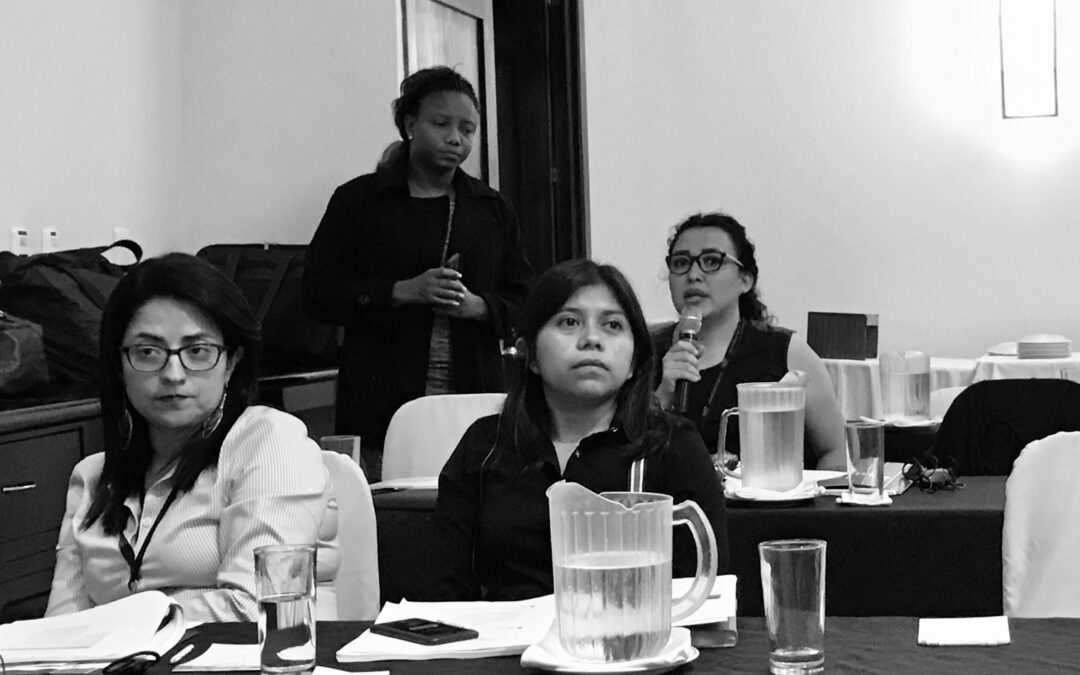
Entre el 26 y el 29 de junio de 2019, en la Ciudad de Guatemala, la CIJ, junto con la Fundación de Antropología Forense de Guatemala (FAFG), y el apoyo de la Asociación Guatemalteca de Jueces por la Integridad (AGJI) y el Bufete de Derechos Humanos (BDH), llevó a cabo actividades de capacitación dirigidas a más de 12 jueces y 20 fiscales, acerca de los estándares internacionales que se aplican en la investigación de las ejecuciones extrajudiciales y las desapariciones forzadas.
Las actividades se llevaron a cabo en el marco del proyecto “Promoviendo justicia para ejecuciones extrajudiciales y desapariciones forzadas en Colombia, Guatemala y Perú”, bajo la Iniciativa Global de rendición de cuentas de la CIJ, y con el apoyo del Instrumento Europeo para la Democracia y los Derechos Humanos (IEDDH).
Las actividades contaron con la presencia de Tomás Pallás Aparisi, Jefe de Cooperación de la Delegación de la Unión Europea en Guatemala; Delia Dávila, Magistrada de la Corte Suprema de Guatemala; y Haroldo Vásquez, Presidente de la Asociación Guatemalteca de Jueces por la Integridad (AGJI).
En estas actividades, Ramón Cadena, director de la Oficina de Centroamérica de la CIJ, se refirió a la importancia de los estándares internacionales aplicables a la investigación y al enjuiciamiento de las ejecuciones extrajudiciales y desapariciones forzadas. Además, Edgar Pérez, director del Bufete de Derechos Humanos (BDH), analizó la situación de las desapariciones forzadas en Guatemala y el valor y la aplicabilidad de los estándares internacionales en el país.
Asimismo, Marco García, miembro de la FAFG, describió el papel de la ciencia forense en la investigación de estas graves violaciones a los derechos humanos. Finalmente, Kingsley Abbott, asesor legal senior y coordinador de la Iniciativa Global de Rendición de Cuentas de la CIJ, proporcionó una visión general acerca de los contenidos del “Protocolo de Minnesota sobre la Investigación de Muertes Potencialmente Ilícitas” (versión revisada de 2016).
La CIJ aprovechó la realización de estas actividades de capacitación para visitar a la Asociación de Familiares de Detenidos-Desaparecidos de Guatemala (FAMDEGUA) y reunirse con la jueza Delia Marina Dávila, de la Corte Suprema de Justicia de Guatemala.
Contactos:
Kingsley Abbott, asesor legal senior y coordinador de la iniciativa global de rendición de cuentas de la CIJ. Correo electrónico: kingsley.abbott(a)icj.org
Carolina Villadiego, Asesora Legal, América Latina, y coordinadora regional del proyecto. Correo Electrónico: carolina.villadiego(a)icj.org