Jun 6, 2013 | Multimedia items, News, Photo galleries
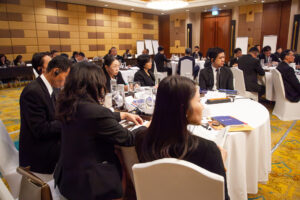
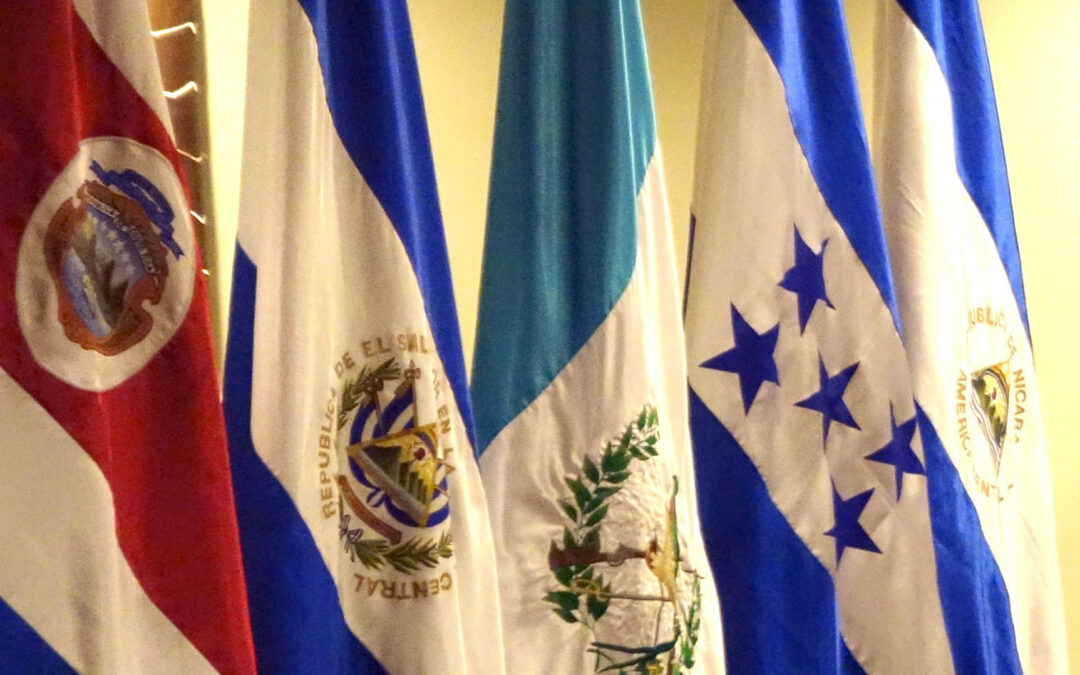
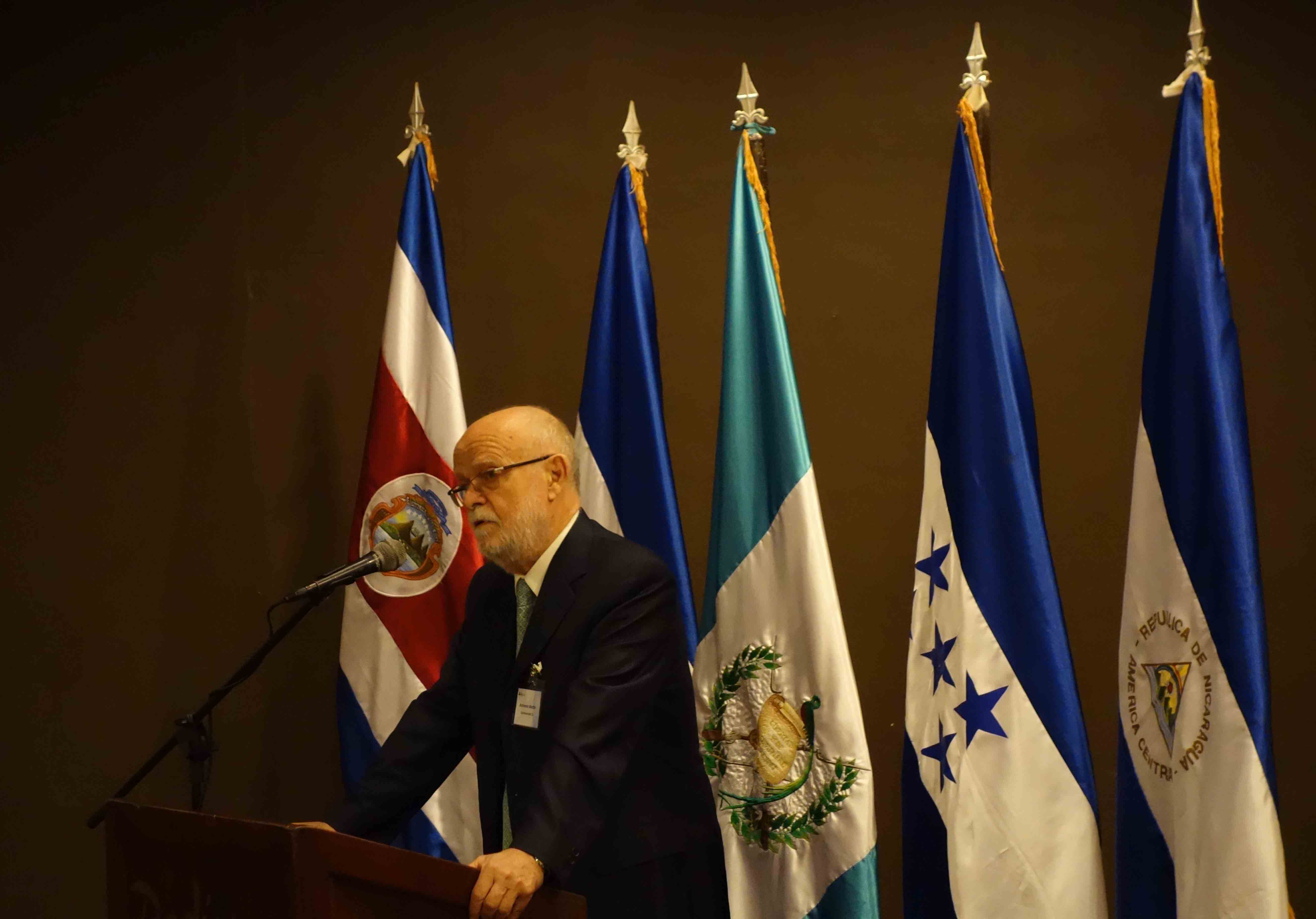
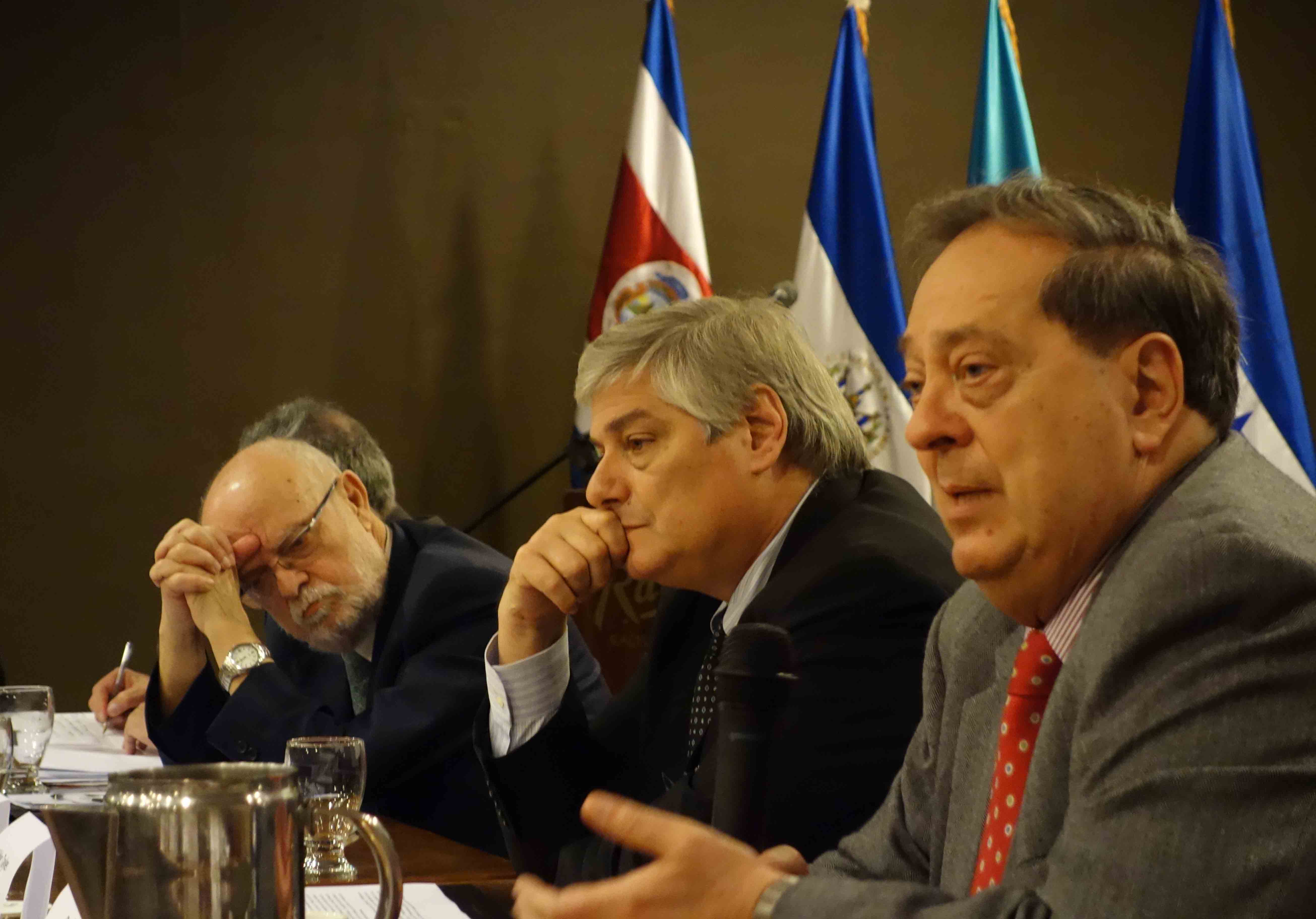
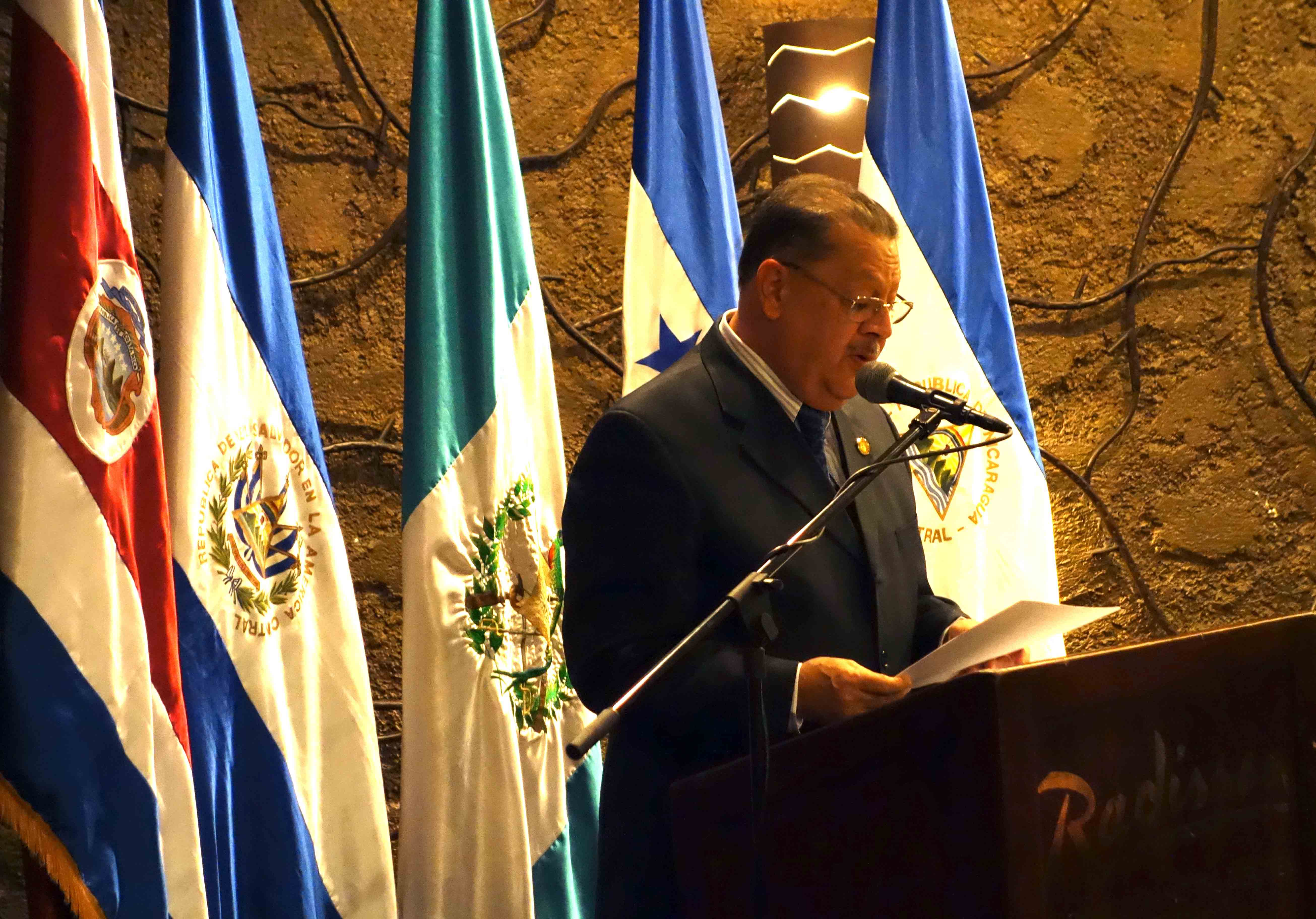
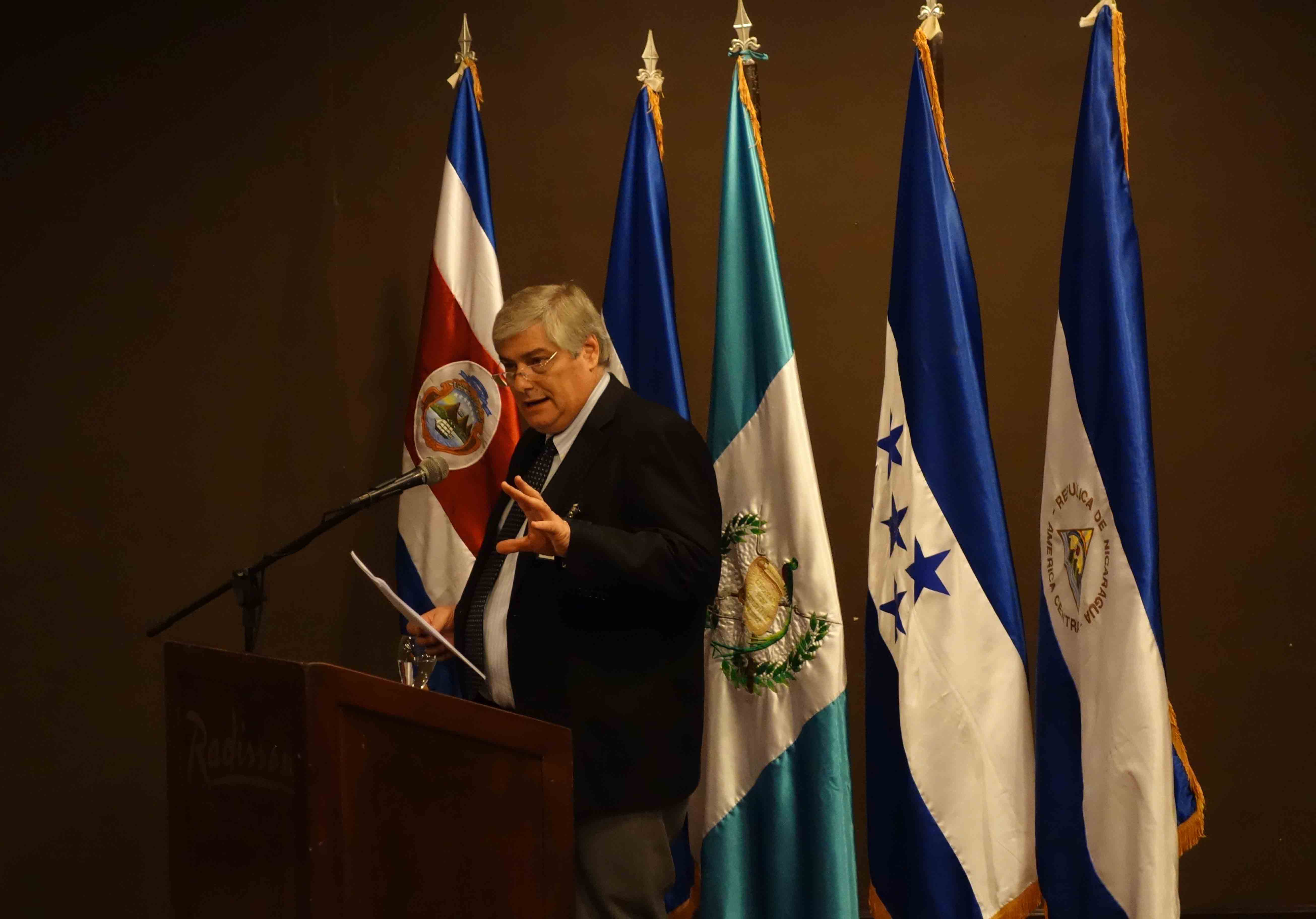
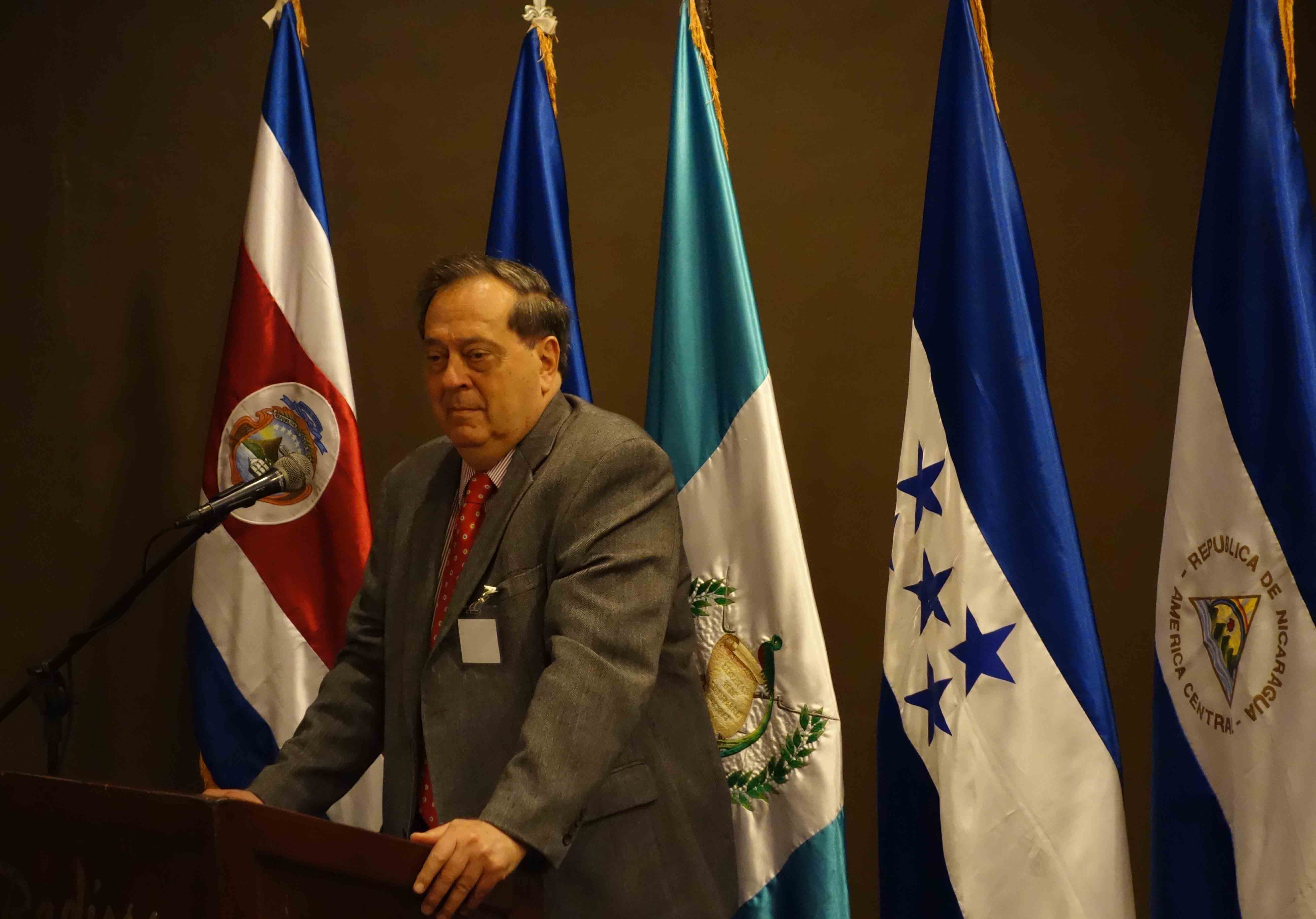
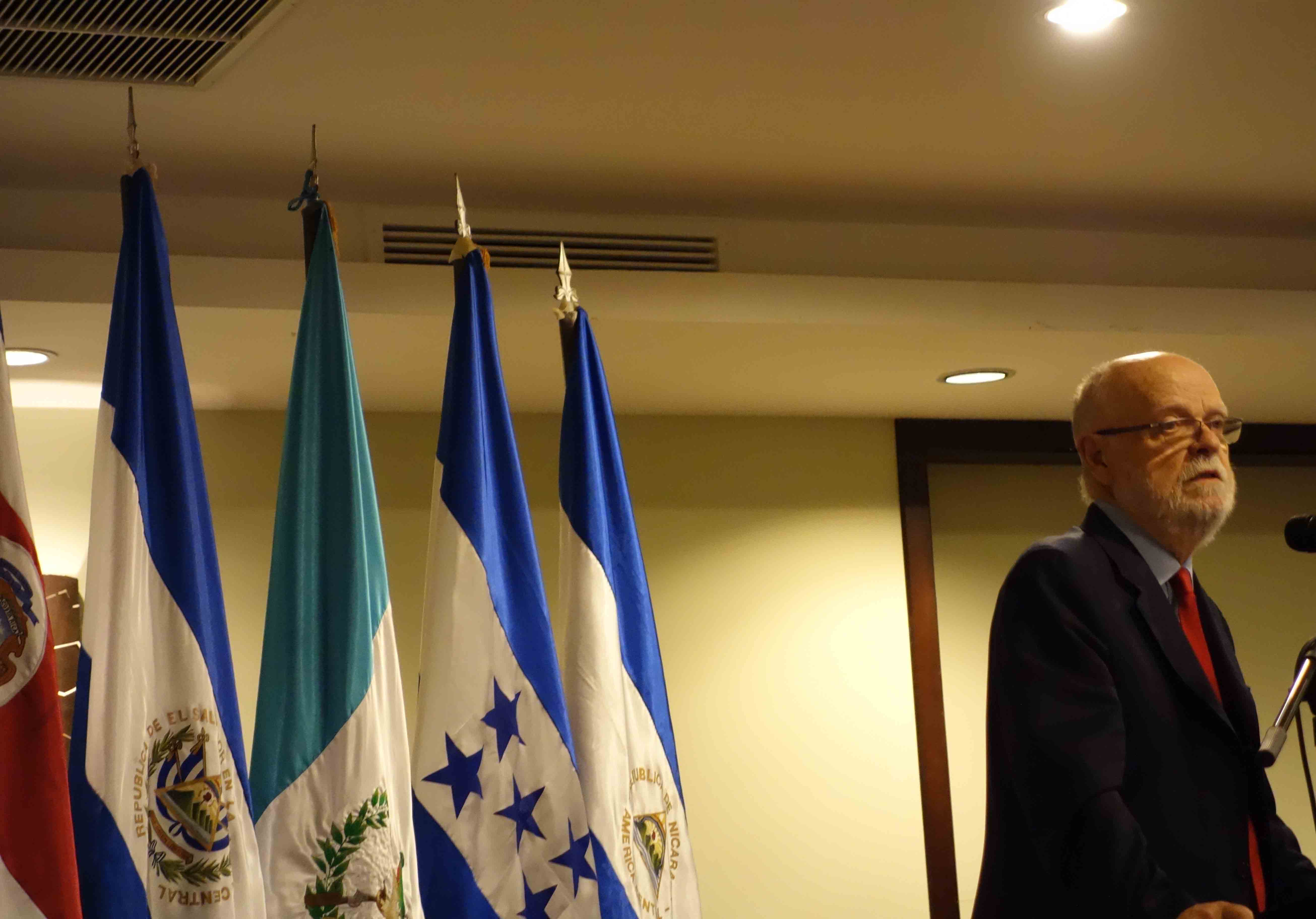
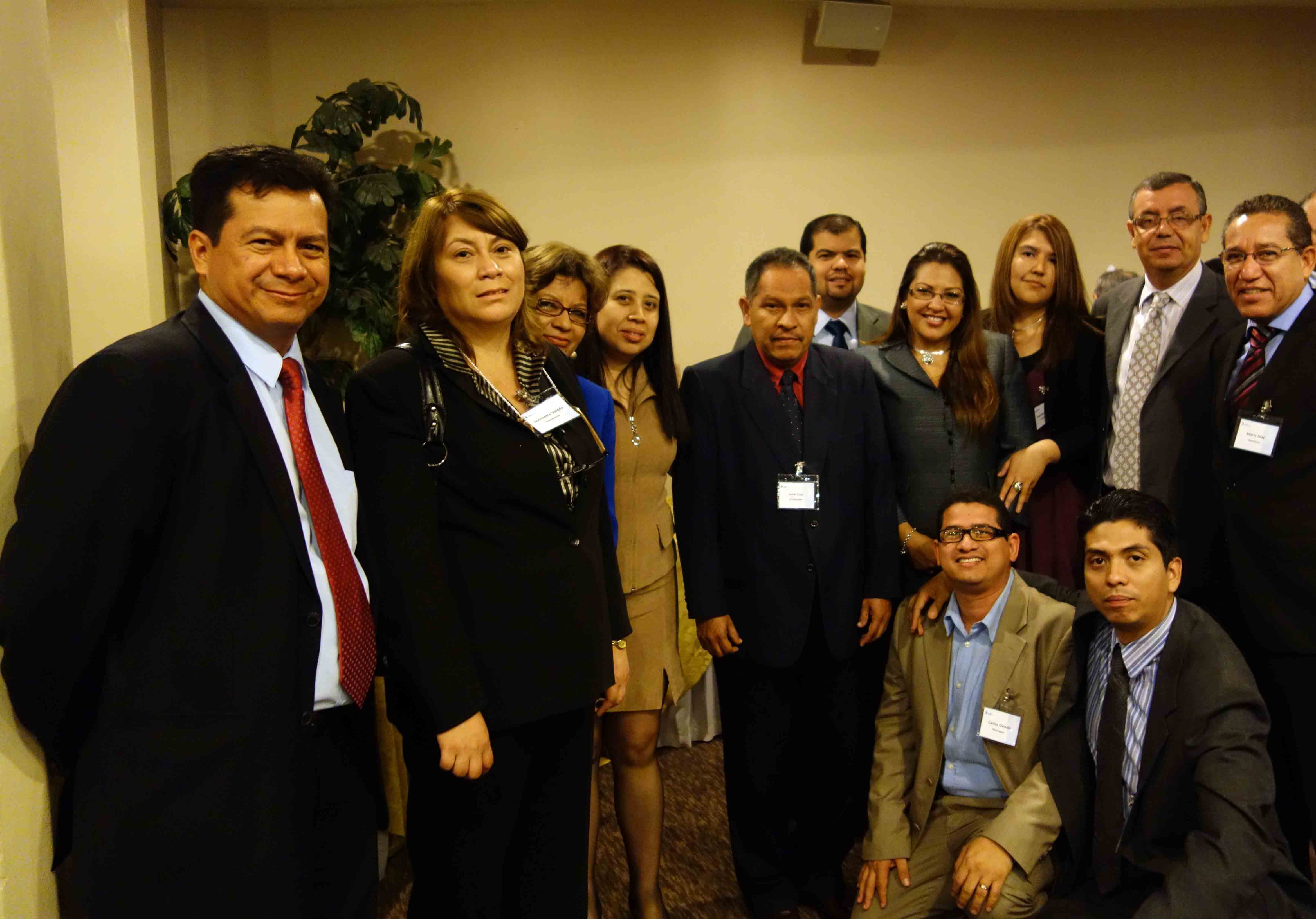
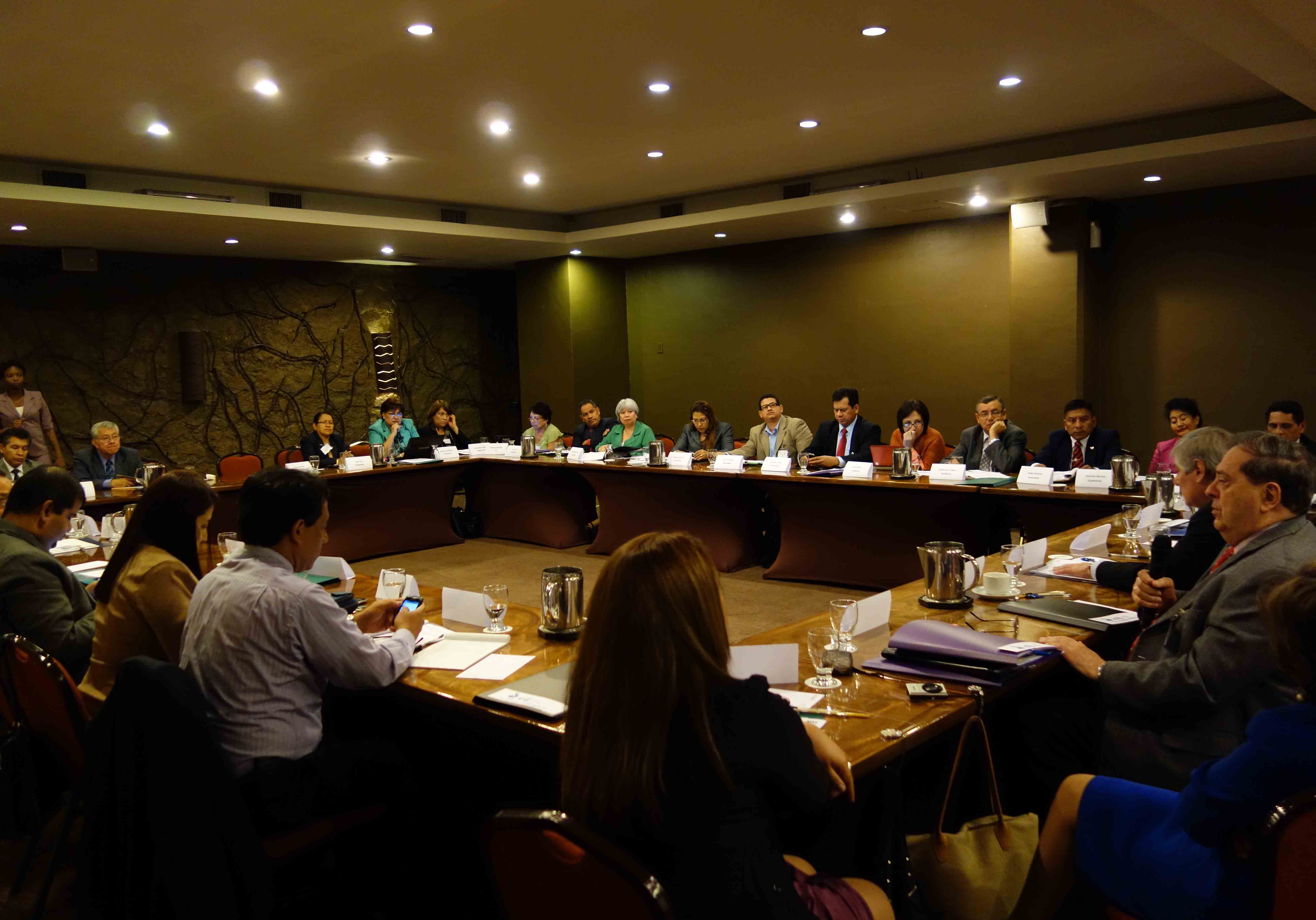
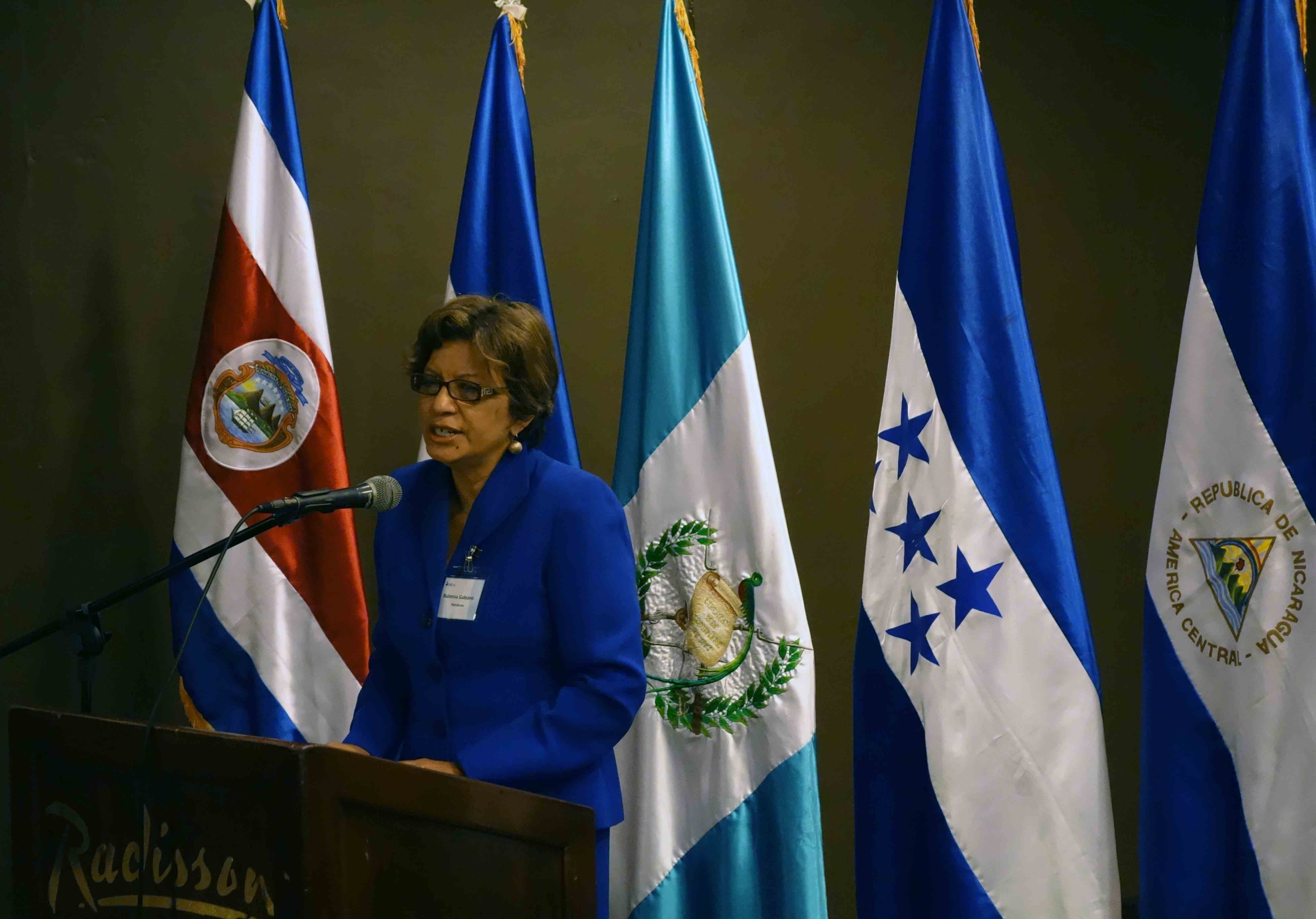
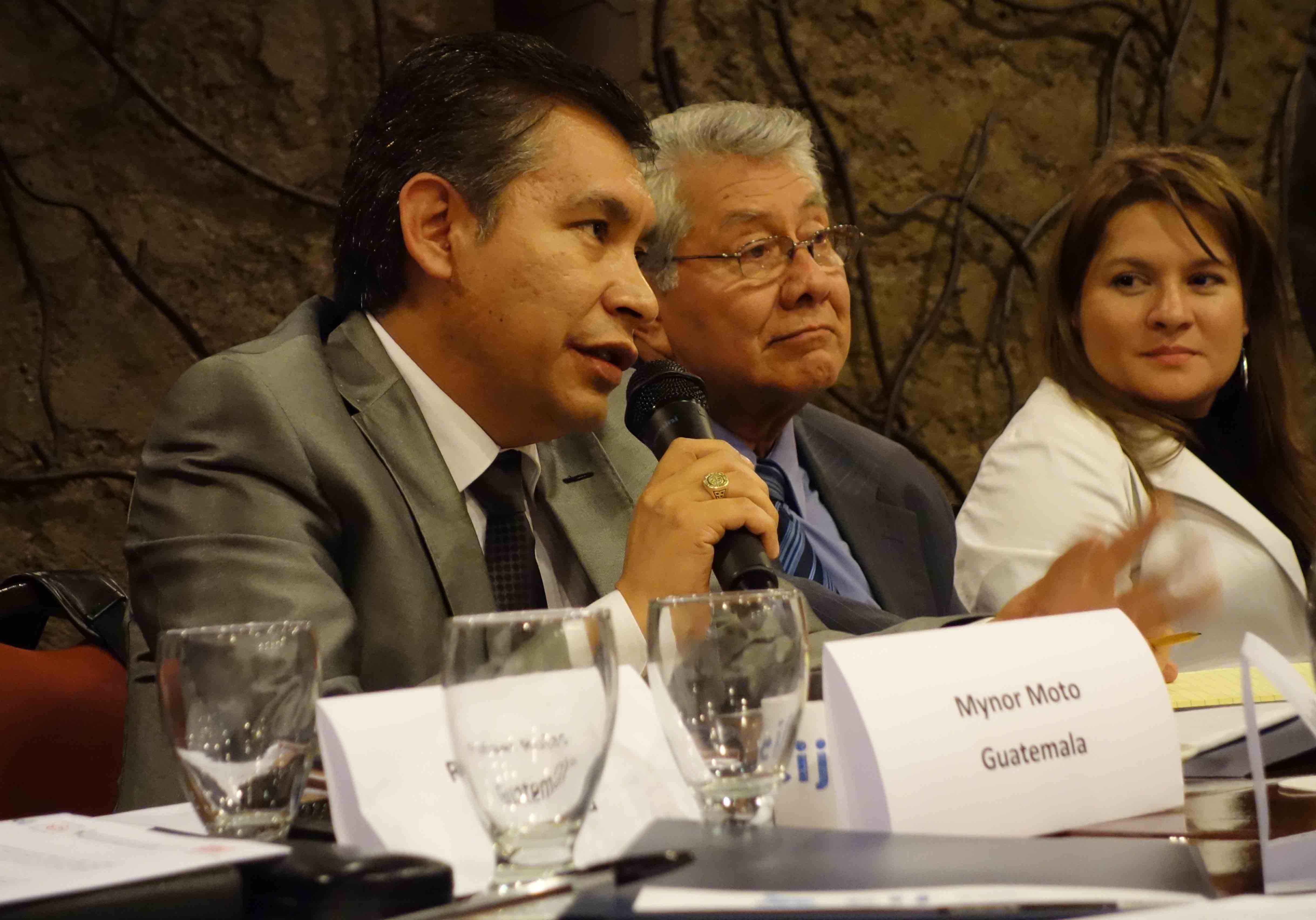
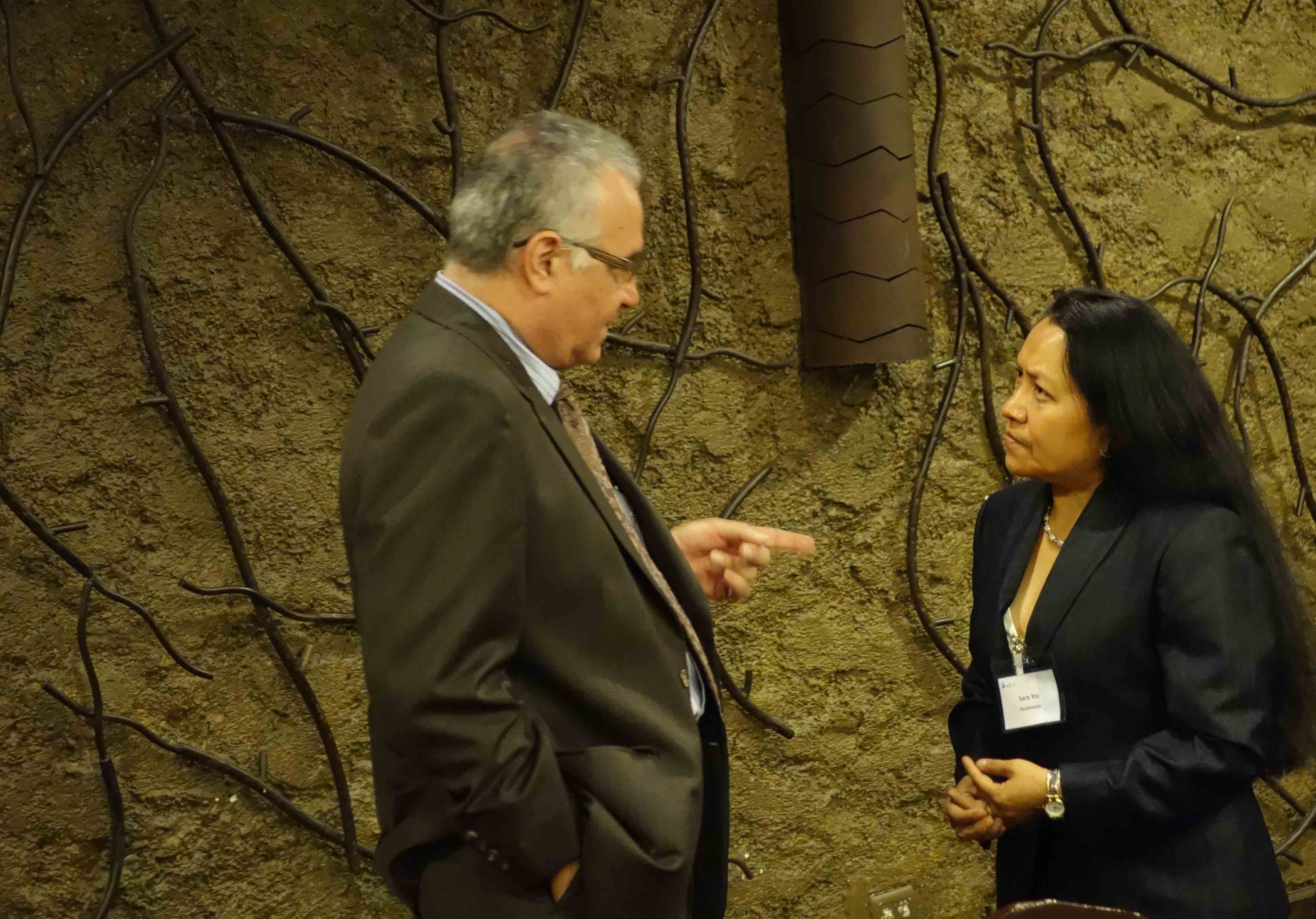
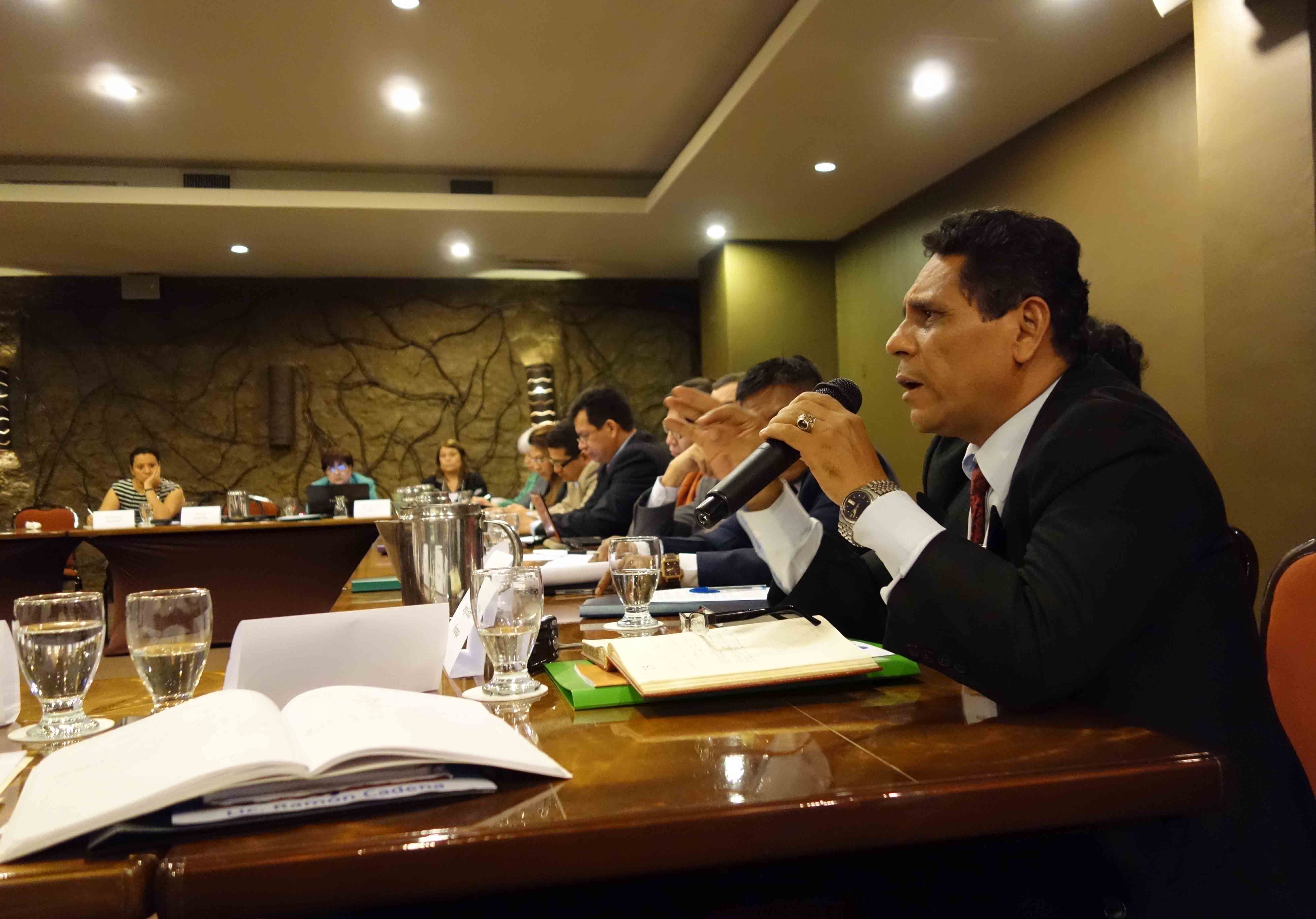
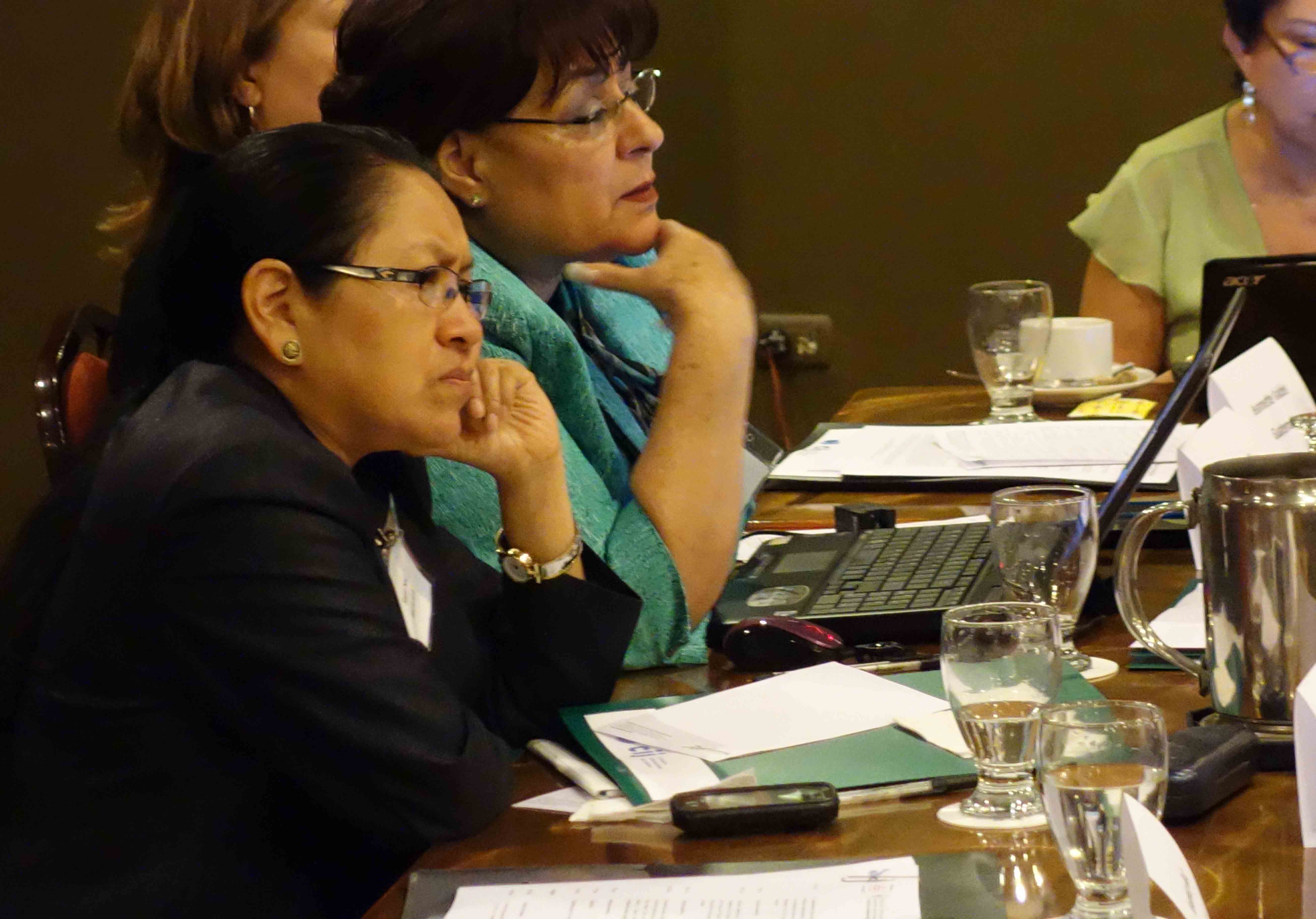
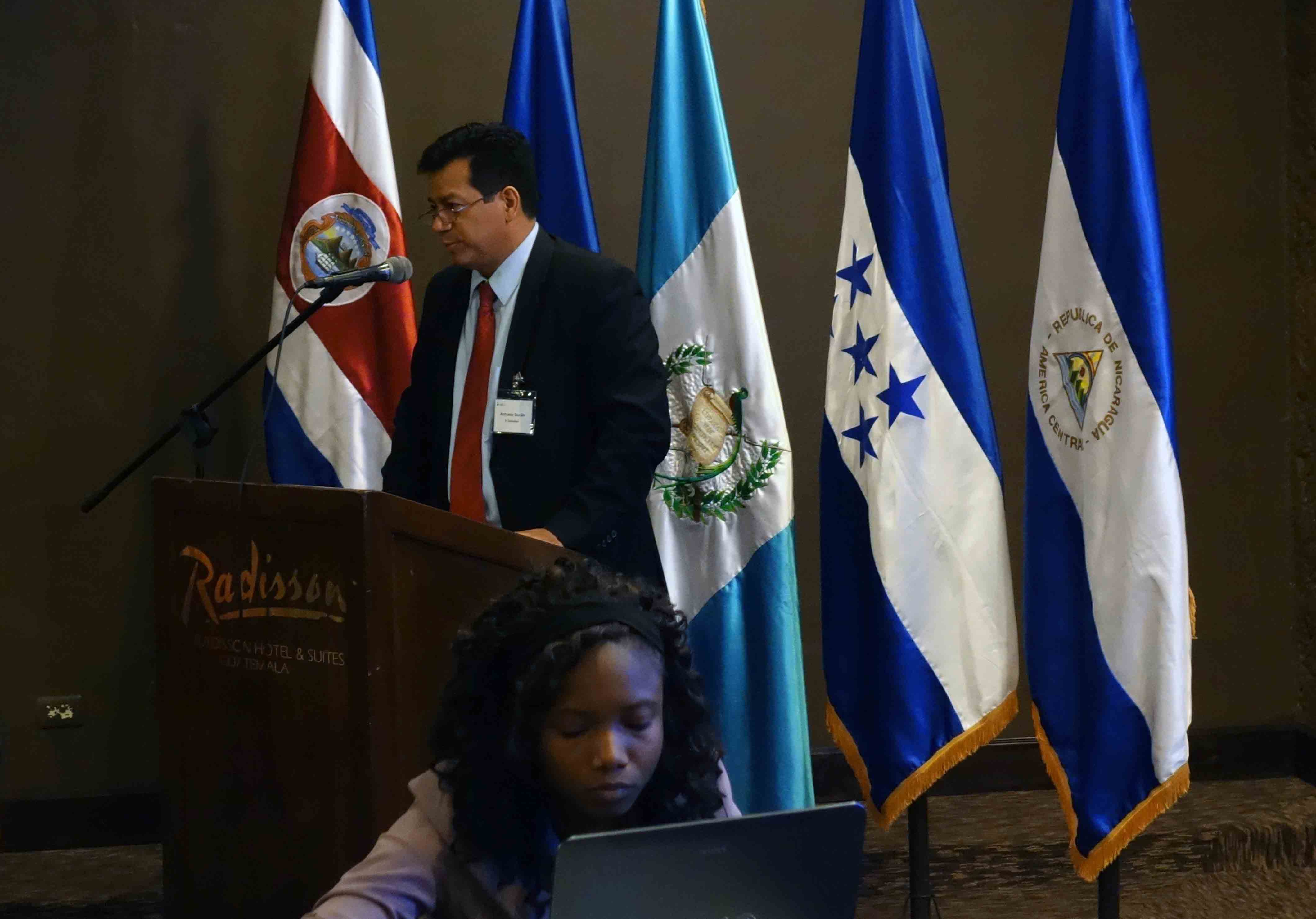
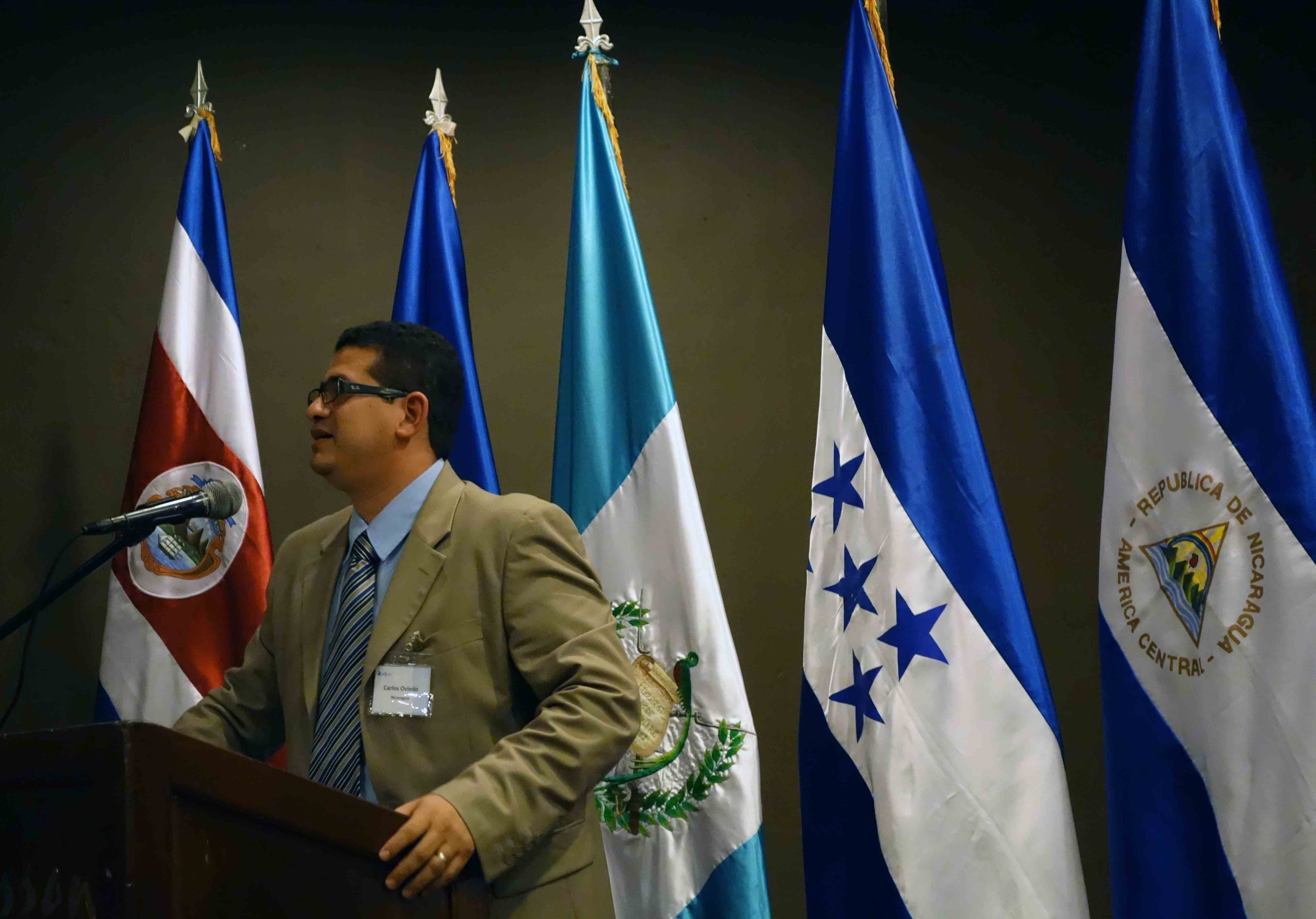
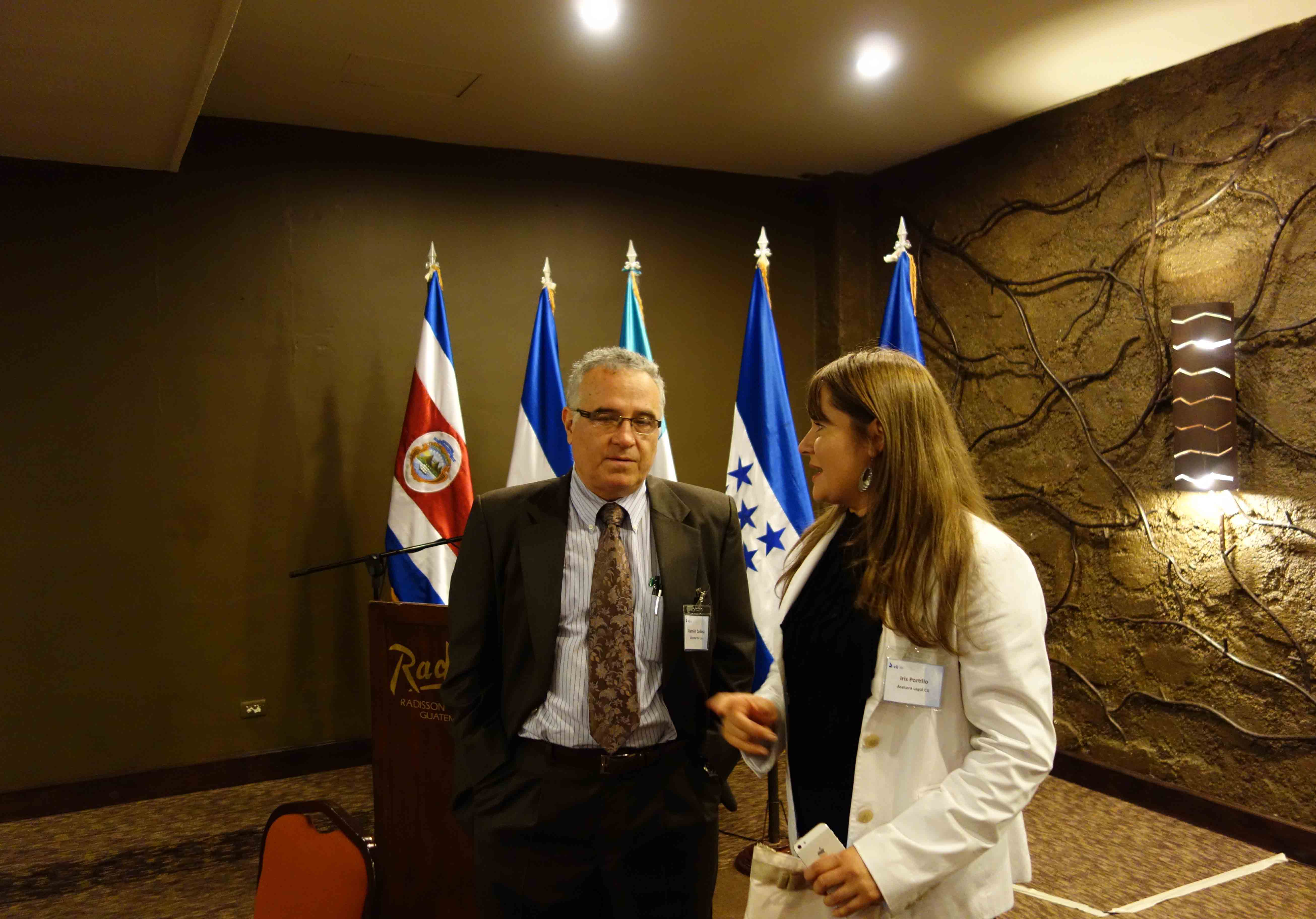
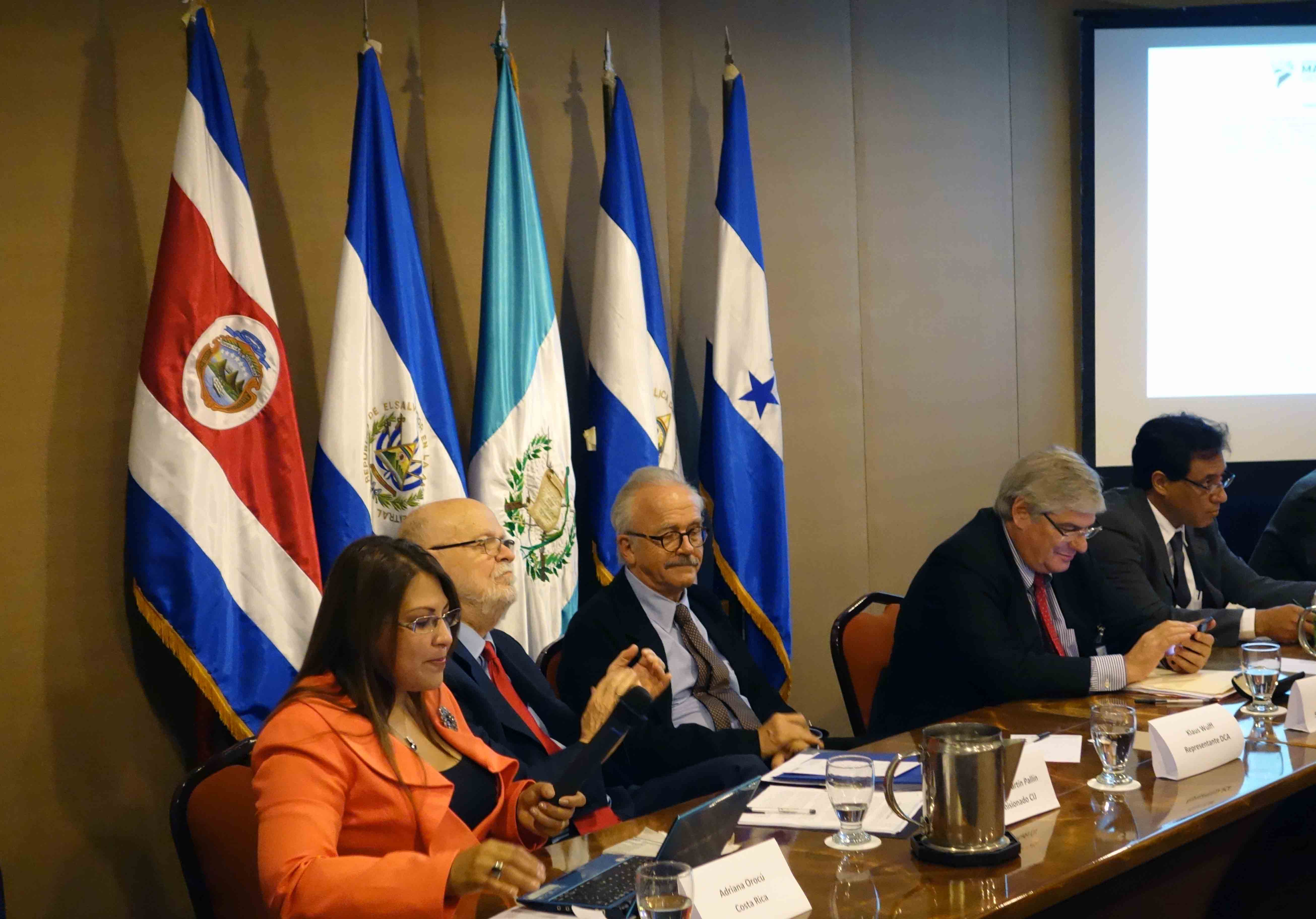
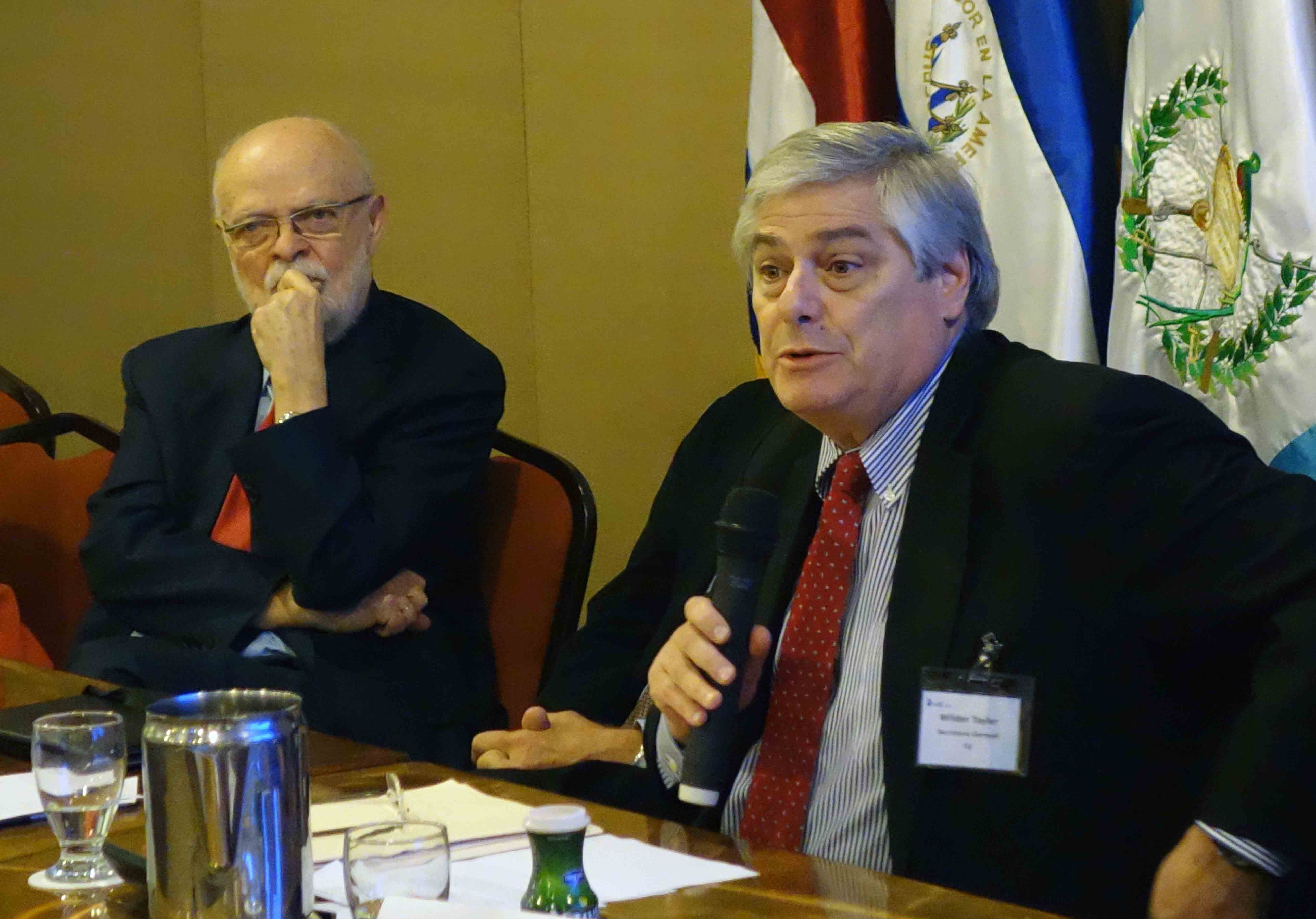
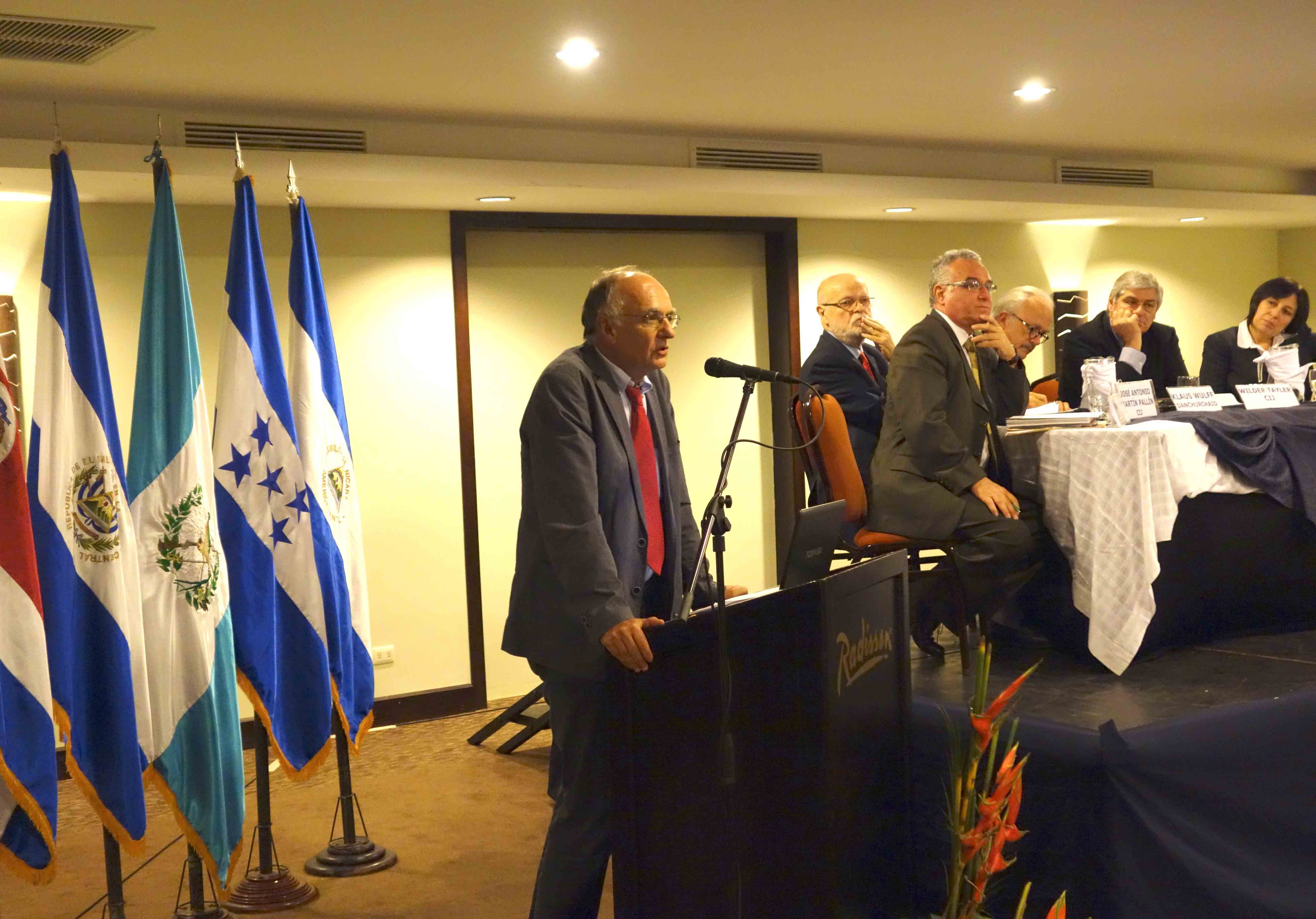
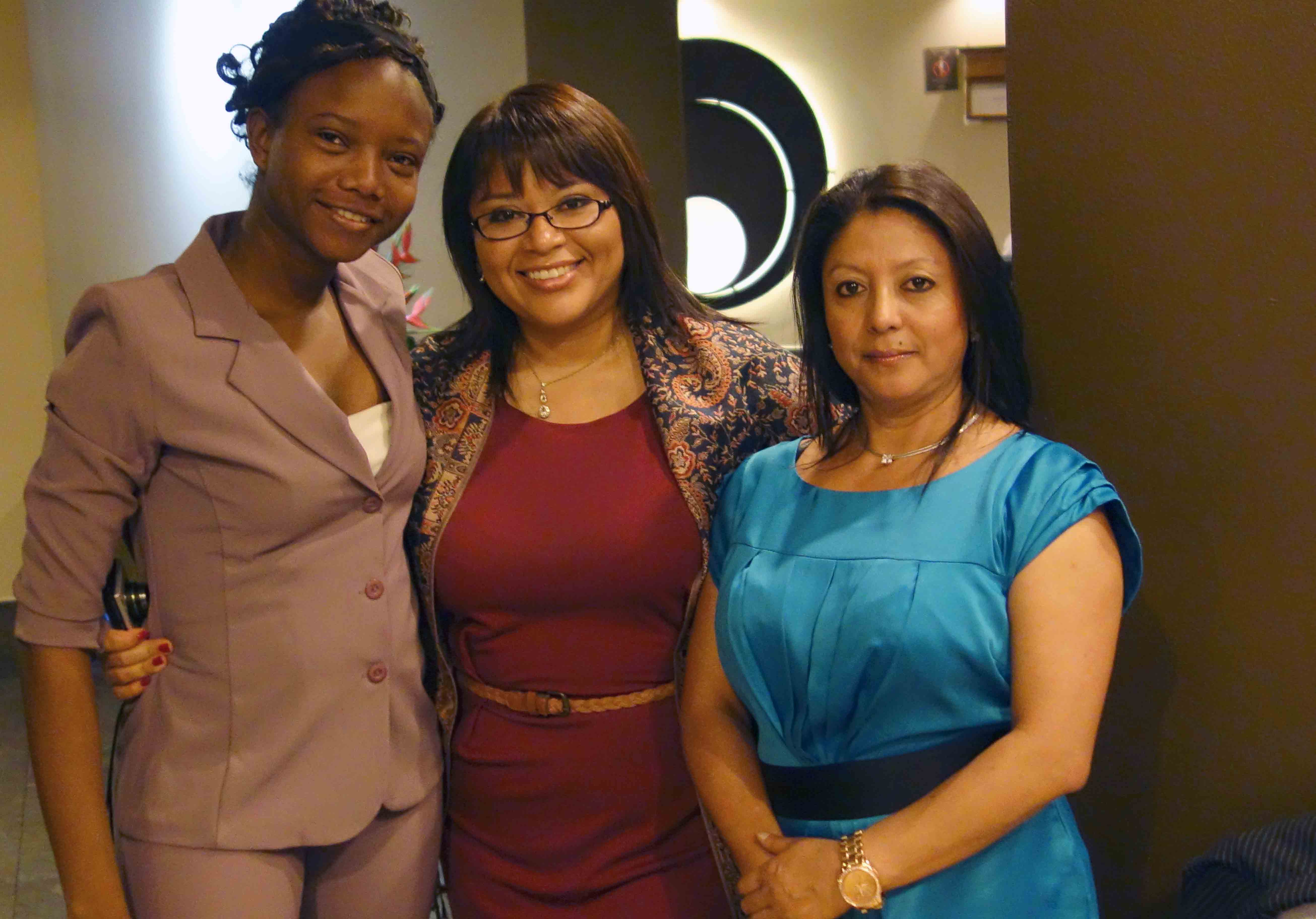
Judges from Central America met in Guatemala on 4-5 June at the International Conference on Impunity and Independence of the Judiciary.
The Conference was organized by the ICJ with the support of the Canton de Genève, Dan Churchaid and medico international.
Jun 5, 2013
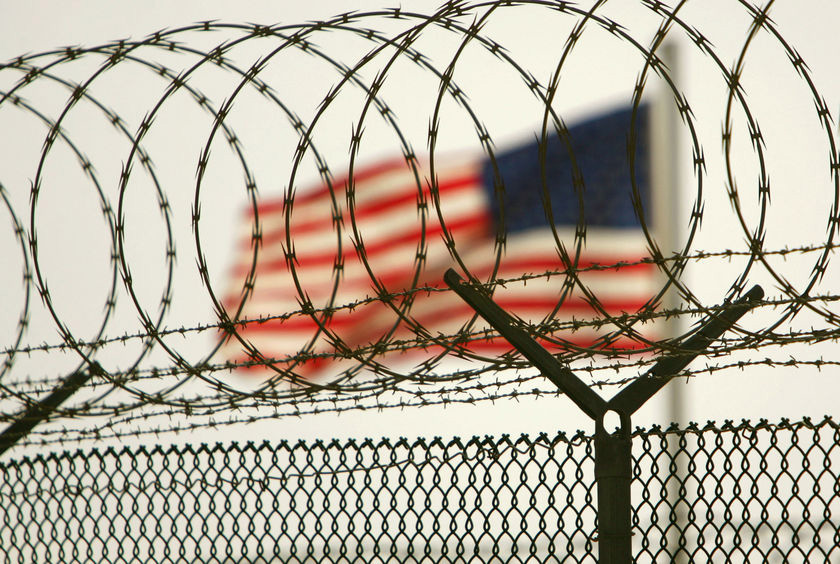
In a statement delivered today by Human Rights Watch, the ICJ joined eight NGOs to draw the Human Rights Council’s attention to the continued detention of individuals for indefinite periods without charge at Guantanamo Bay in Cuba and at Bagram Airbase in Afghanistan.
In a general debate under Item 5 (human rights situations that require the Council’s attention), the statement identified the force-feeding of competent hunger-striking prisoners as a violation against the prohibition against cruel, inhuman or degrading treatment and a contravention of medical ethical standards. Fair trial violations involved in the use of military commissions at Guantanamo were recalled. The US Government was urged to bring to an end these illegal practices by either prosecuting detainees by fair trials in civilian courts; or releasing them safely home or to third countries where consistent with non-refoulement obligations, or otherwise to the United States.
The statement was delivered during the Human Rights Council’s 23rd regular session (27 May to 14 June 2013).
HRC23-Item4GD-Guantanamo-LegalSubmission-2013 (download full oral statement in PDF)
Jun 4, 2013 | E-bulletin on counter-terrorism & human rights, News
Read the 73rd issue of ICJ’s monthly newsletter on proposed and actual changes in counter-terrorism laws, policies and practices and their impact on human rights at the national, regional and international levels. The E-Bulletin on Counter-Terrorism and Human...
Jun 3, 2013
The ICJ has forwarded information to the Special Rapporteur on the promotion and protection of the right to freedom of opinion and expression concerning signs of impending violence surrounding the general elections to be held in Zimbabwe.
In statement prepared for an interactive dialogue with the Special Rapporteur on the promotion and protection of the right to freedom of opinion and expression, Mr Frank La Rue, the ICJ drew attention to current and possible further attacks against political dissent or non-aligned opinions. As well as drawing attention to tensions between the newly promulgated Constitution of Zimbabwe and existing repressive laws affecting the freedom of expression, the ICJ called on the Council and the Special Rapporteur to urge Zimbabwe to:
- Ensure the effective and unimpeded exercise of freedom of expression before, during and after the general elections to be held by the end of this year;
- Amend or repeal all laws restricting the freedom of expression; and
- Establish mechanisms to prevent and address partisan conduct by police and intelligence officers.
The statement was to have been delivered under Item 3 (promotion and protection of all human rights) of the agenda of the Human Rights Council’s 23rd regular session (27 May to 14 June 2013). Due to restrictions in the time available under the debate, the oral statement could not be delivered during the session of the Council.
Zimbabwe-HRC23-OralStatementFOE-LegalSubmission-2013 (download statement in PDF)
Jun 2, 2013 | Multimedia items, News, Video clips
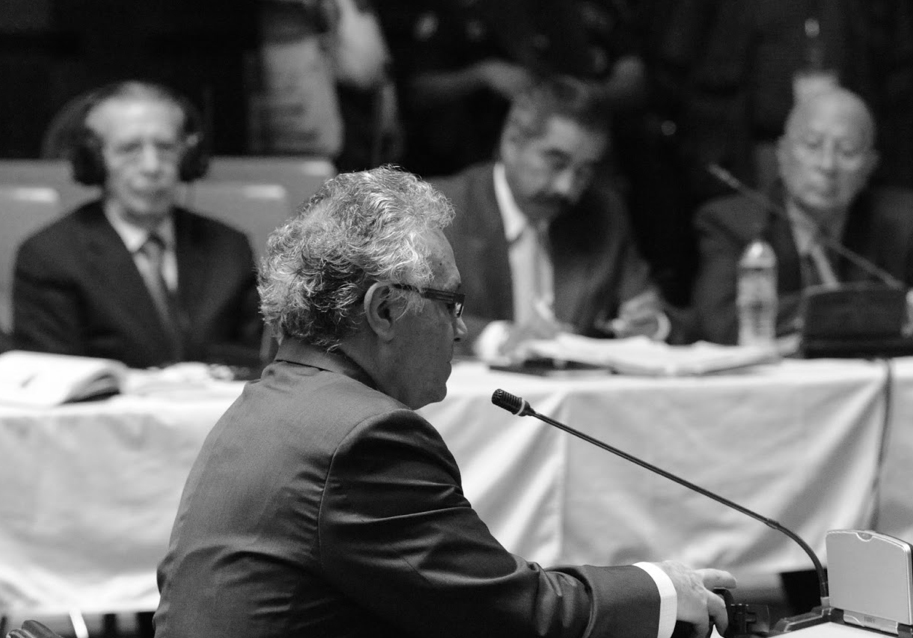
Judges from Central America met in Guatemala on 4-5 June at the International Conference on Impunity and Independence of the Judiciary.
The conference was followed by a public debate on the role of judges in confronting the phenomenom of impunity.
The event was organized with the support of the Canton de Genève, Dan Churchaid and medico international.
Below, listen (in Spanish) to Ramón Cadena, ICJ Regional Director for Central America, who talks about the importance of this conference, and to judges Rubenia Galeano (Honduras), Juan Antonio Durán (Salvador), Carlos Oviedo (Nicaragua), Haroldo Vásquez (Guatemala) and Adriana Orocú (Costa Rica) who talk about impunity and the independence of the judiciary in their respective countries.
Ramón Cadena habla de la Conferencia Regional sobre Independencia Judicial y fenómeno de la impunidad en Centroamérica.
Rubenia Galeano (Honduras) habla del fenómeno de la impunidad y de la situación de la independencia judicial en su país
Juan Antonio Durán (Salvador) habla del fenómeno de la impunidad y de la situación de la independencia judicial en su país
Carlos Oviedo (Nicaragua) habla del fenómeno de la impunidad y de la situación de la independencia judicial en su país
Haroldo Vásquez (Guatemala) habla del fenómeno de la impunidad y de la situación de la independencia judicial en su país
Adriana Orocú (Costa Rica) habla del fenómeno de la impunidad y de la situación de la independencia judicial en su país