Nov 9, 2018 | News
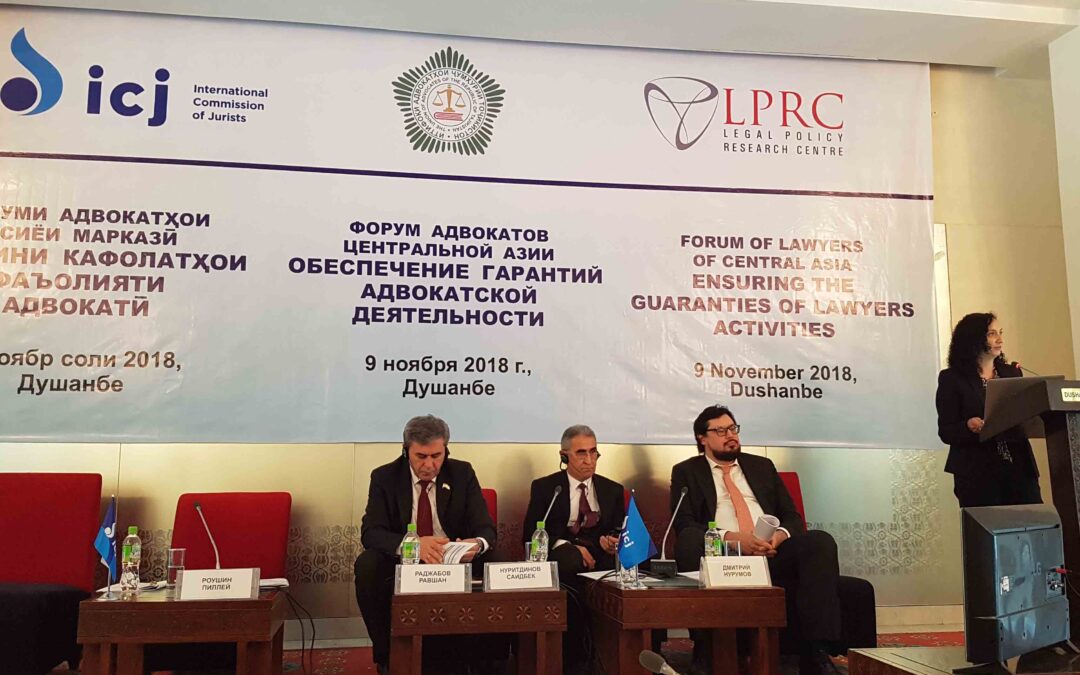
Today the ICJ, in co-operation with the Legal Policy Research Centre and the Union of Lawyers of Tajikistan, is holding a regional conference on the independence and role of lawyers, in Dushanbe.
Lawyers from Tajikistan as well as other countries of Central Asia, the Commonwealth of Independent States and Europe will discuss the legal safeguards that should apply to lawyers to ensure that they can defend the human rights of their clients and the role of bar associations in protecting the security and independence of lawyers.
They will consider the role of committees to protect the rights of lawyers, which have been established within the bar associations of several countries in the region, and how these specialized bodies can work most effectively.
A set of recommendations on the protection of lawyers in the region will be produced following the conference.
Contact:
Temur Shakirov, Senior Legal Advisor, Europe and Central Asia Programme, temur.shakirov(a)icj.org
Tajikistan-Lawyers Conference-News-Agenda-2018-ENG (Agenda, in PDF)
Nov 6, 2018 | Communiqués de presse, Nouvelles
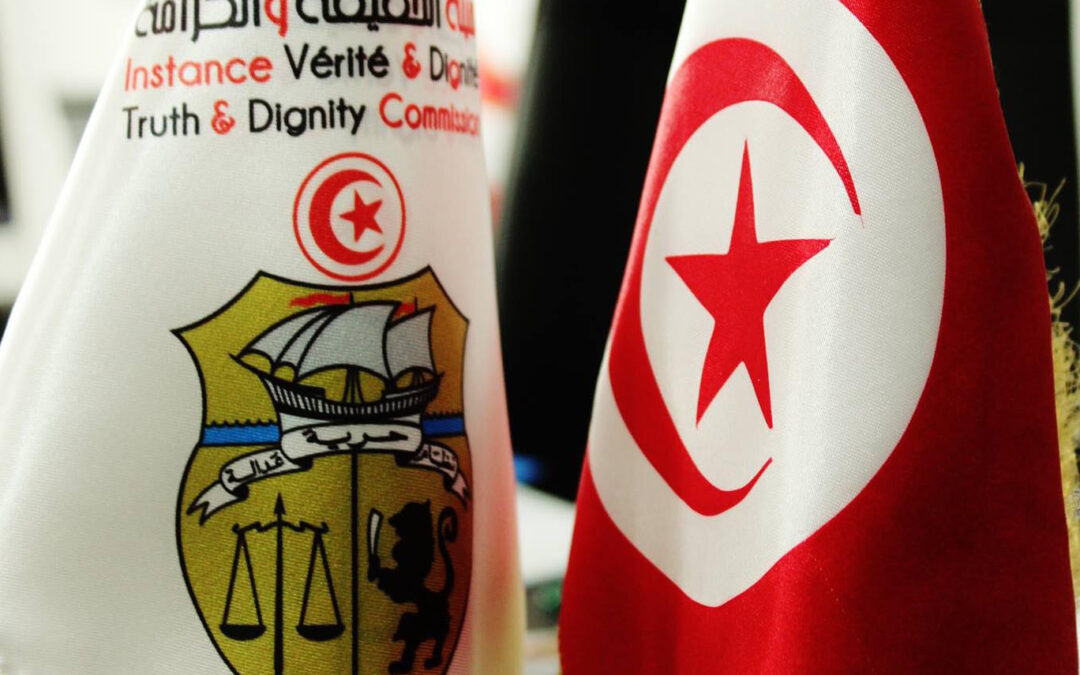
Les organisations de la société civile défendant le processus de justice transitionnelle en Tunisie suivent avec beaucoup de préoccupations et d’inquiétudes l’évolution récente de la situation en ce qui concerne les campagnes réclamant, d’abord, la suspension des travaux de l’Instance Vérité et Dignité et contestant la légalité de son existence et de ses décisions.
Ces campagnes et attaques lancées par certains blocs parlementaires ainsi que par un certain nombre de syndicats des forces de sécurité et de responsables de partis politiques, ont touché les chambres criminelles spécialisées en justice transitionnelle et ses juges, dans le but de nuire aux travaux et à la crédibilité du pouvoir judiciaire auprès de l’opinion publique nationale et internationale.
Lire la totalité de l’article ci-dessous:
Tunisia-Justice transitionnelle-News-Press releases-2018-FRE (version française, PDF)
Tunisia-Justice transitionnelle-News-Press releases-2018-ARA (version arabe, PDF

Nov 5, 2018 | News
The ICJ convened a two-day workshop from 3rd to 4th November 2018 in Yangon, to enhance understanding of legal protections of the right to freedom of thought, conscience, religion or belief in Myanmar.
Freedom of thought, conscience and belief, often referred to as the right to freedom of religion of belief (FoRB) is considered by many to be one of the foundations of a democratic society.
The workshop was aimed at discussing State regulation of religion or belief in Myanmar and included some 40 human rights defenders, lawyers and members of religious groups, from across the country.
ICJ legal adviser Sean Bain introduced the right to FoRB under international law and standards – particularly Article 18 of the Universal Declaration of Human Rights, and Article 18 of the International Covenant on Civil and Political Rights. Mr Bain also discussed the complementarity of these articles with other rights, such as the right to freedom of expression, and highlighted the limitation clauses in the international treaties which provide a framework for resolving some of the tensions that can arise in specific cases.
Michelle Yesudas, a Malaysian human rights lawyer, shared good practices and lesson learned from application of strategic litigation in FoRB related cases in Malaysian context and spoke about potential approaches and strategies that could be adapted in Myanmar context to push the legislative reform and enforcement of the law.
The ICJ’s legal researcher Dr. Ja Seng Ing and national legal Adviser Advocate Daw Hnin Win Aung jointly facilitated two panel discussions on challenges in free practice of religion or belief specifically focusing on the worship places and Freedom of Expression.
Based on their own independent research, senior legal scholars and human rights defenders from Myanmar also provided their perspectives on national challenges, particularly the absence of the State fulfilling its responsibilities to protect FoRB in Myanmar. Advocate Daw Zar Li Aye discussed available legal remedies and encouraged legal advocacy strategies to ensure protections under the law in Myanmar.
The participants raised a number of notable issues on addressing identified obstacles to the free practice of religion or belief included the need for annulling discriminatory notifications restricting the rights to practice religion freely, the need for safe space to continue the dialogue between FoRB activists, other human rights defenders and lawyers on strategic litigation.
Participants at the conference also recognized the opportunity presented before them in advancing freedom of religion or belief in Myanmar and committed to working collectively to enhance this right.
This event is part of the ICJ’s ongoing effort to convene civil society actors including lawyers to discuss critical human rights issues in Myanmar with a view to advancing the protection of human rights in the country.
Nov 2, 2018 | Advocacy, Cases, Legal submissions
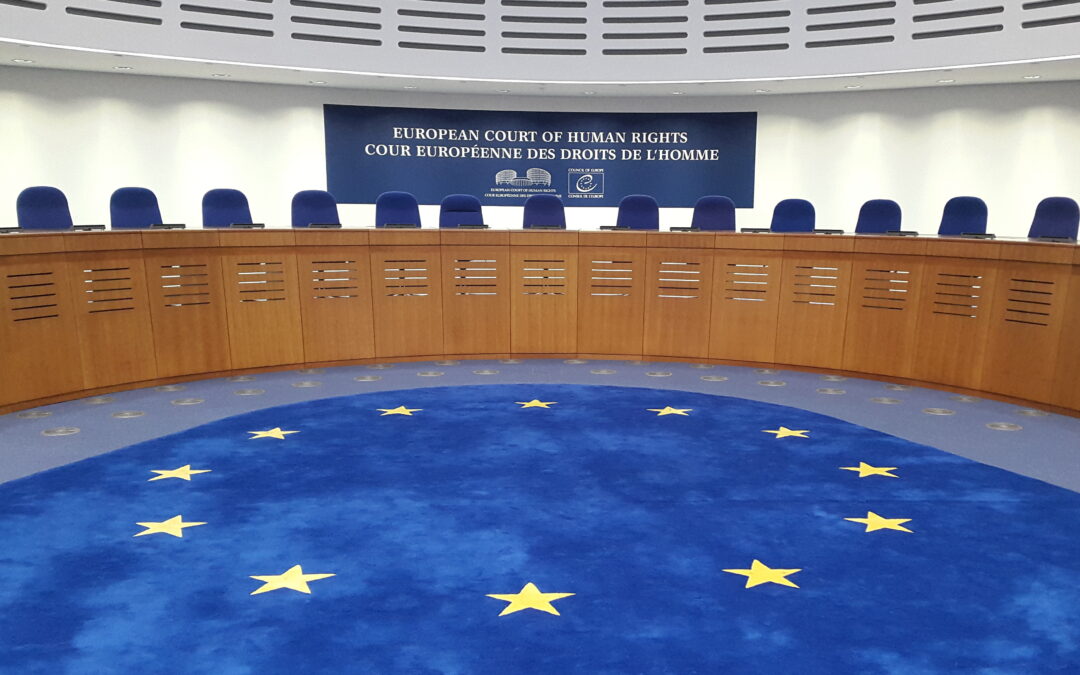
The ICJ intervened today before the European Court of Human Rights in the case of a detained Member of the Turkish Parliament from the HDP party, Ms Burcu Çelik, arrested in 2017 under “terrorism charges”.
In this submission, the ICJ provides the Court with observations concerning the capacity of the Turkish legal system to provide effective remedies for violations under the ECHR with regard to detention, in particular detention of Members of Parliament, in light of its Convention obligations, in particular obligations under Article 5.4.
The ICJ presents its analysis of these aspects of the Turkish legal system based, in part, on information ascertained during a mission to Turkey undertaken in May 2018 and in its report Justice Suspended.
Specifically, the ICJ addresses the question as to whether the remedies of individual application before the Constitutional Court (CC) and under article 141.1 (a) and (d) of the Code of Criminal Procedure (CCP) may be considered as effective in light of the State’s obligations under articles 5.4 and 35.1 ECHR.
Turkey-icj-Celik-Advocacy-legal submission-2018-ENG (download the intervention)
Oct 31, 2018 | Communiqués de presse, Nouvelles
Le 25 novembre 2018, les citoyens suisses seront appelés à voter sur l’initiative populaire dite “le droit suisse au lieu de juges étrangers (initiative pour l’autodétermination)”. La Commission Internationale de Juristes (CIJ) et la Section suisse de la CIJ ont appelé aujourd’hui le peuple suisse à considérer attentivement les conséquences néfastes que pourrait avoir cette initiative si elle était adoptée.
La campagne contre l’initiative la considère en effet comme une initiative “anti-droits de l’Homme”.
“Si elle était approuvée, cette initiative rendrait plus difficile l’accès aux tribunaux suisses pour toute personne revendiquant ses droits humains”, affirme Massimo Frigo, conseiller juridique principal de la CIJ. “Le peuple suisse perdrait une défense importante contre les abus qui pourraient être commis par l’Etat ou par des privés.”
Contrairement à ce que son titre suggère, cette initiative est dirigée contre le droit international en général (à l’exception des rares règles impératives du droit international), qui inclut les traités multilatéraux internationaux ou les accords administratifs et commerciaux bilatéraux.
Ainsi, l’initiative irait manifestement à l’encontre du principe juridique fondamental de l’Etat de droit, lequel stipule que les Etats ne peuvent pas invoquer une disposition de leur droit interne pour justifier la non exécution de leurs obligations de droit international.
“La Suisse, qui accueille nombreuses institutions responsables de l’élaboration du droit international, a une longue et prestigieuse histoire en tant que promoteur du droit international. L’adoption de cette initiative nuirait gravement à la réputation de ce pays et à son leadership dans ce domaine”, ajoute Massimo Frigo.
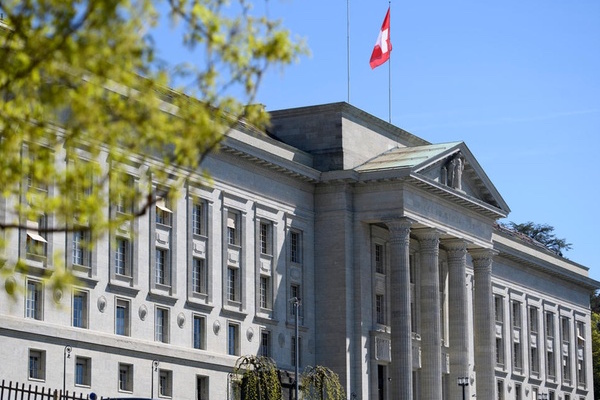
“Le rôle accordé au droit international par la constitution suisse et la jurisprudence du Tribunal fédéral suisse est essentiel pour assurer non seulement la fidélité de la Suisse en tant qu’Etat partie des traités internationaux, mais aussi son rôle d’acteur central et de promoteur dans plusieurs domaines du droit international, comme le commerce international, ainsi que la sécurité juridique en Suisse,” déclare le professeur Marco Sassòli, Commissaire de la CIJ et membre du Comité exécutif de sa section suisse.
“Une grande partie du succès économique et diplomatique de la Suisse résulte de son adhésion et de son soutien sans faille au droit international. Des valeurs suisses essentielles telles que la neutralité ou son engagement en faveur de la protection des victimes de la guerre trouvent leurs fondement dans le droit international,” ajoute le professeur Sassòli.
Bien que son titre le laisse entendre, cette initiative n’est pas dirigée contre les “juges étrangers” mais contre la pratique des juges suisses, ceux du Tribunal fédéral, estiment la CIJ et sa Section suisse.
Selon elles, l’initiative ignore que l’auto-détermination des peuples les soumet au droit international et que la conclusion des traités n’est pas contraire à la souveraineté de l’Etat, mais en est l’expression.
Le texte de cette initiative, si approuvé, pourrait amener à l’érosion de la primauté du droit international parmi les sources du droit en Suisse, disent encore la CIJ et sa Section suisse.
Elles rejoignent les multiples ONGs, syndicats, acteurs économiques, partis politiques, Suissesses et Suisses qui veulent assurer leurs droits et ceux de toutes les personnes en Suisse, et appellent les électeurs à prendre sérieusement en considération les arguments développés ci-dessus avant d’exprimer leur vote et de ne pas baser leur décision sur la base de slogans tels que “auto-détermination”, “démocratie” ou “juges étrangers”.
Contact:
Massimo Frigo, conseiller juridique pricipal, t: +41 22 979 38 05 ; e: massimo.frigo(a)icj.org