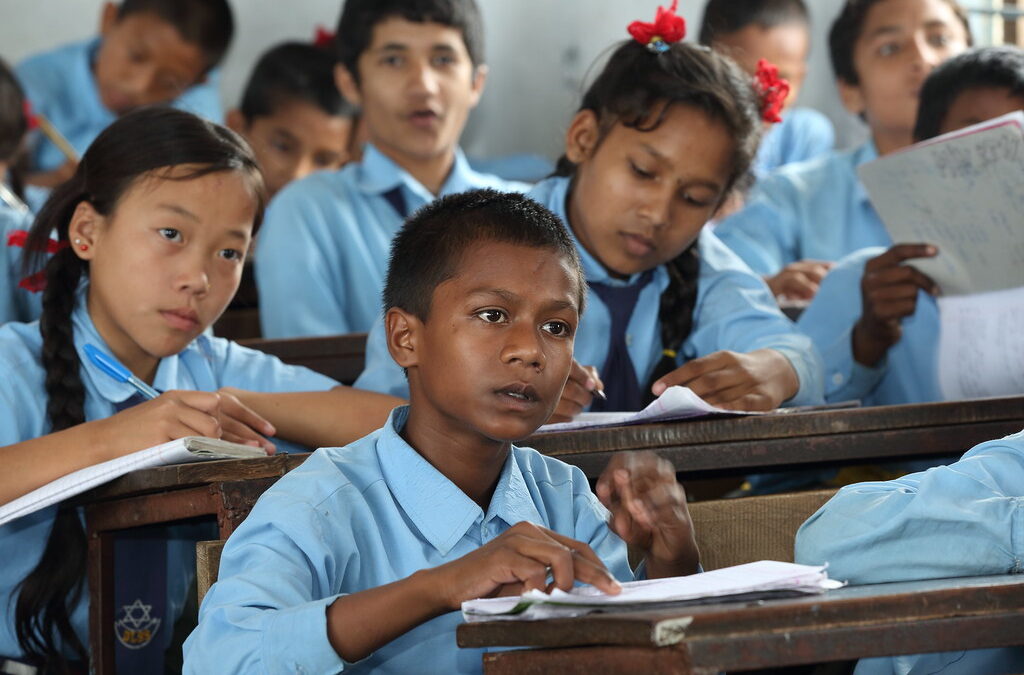
Late as usual: Delayed delivery of textbooks infringes the right to education of Nepali students
This op-ed was written by the ICJ’s Karuna Parajuli and Timothy Fish Hodgson. It was published on 10 June 2022 by the Kathmandu Post.

This op-ed was written by the ICJ’s Karuna Parajuli and Timothy Fish Hodgson. It was published on 10 June 2022 by the Kathmandu Post.
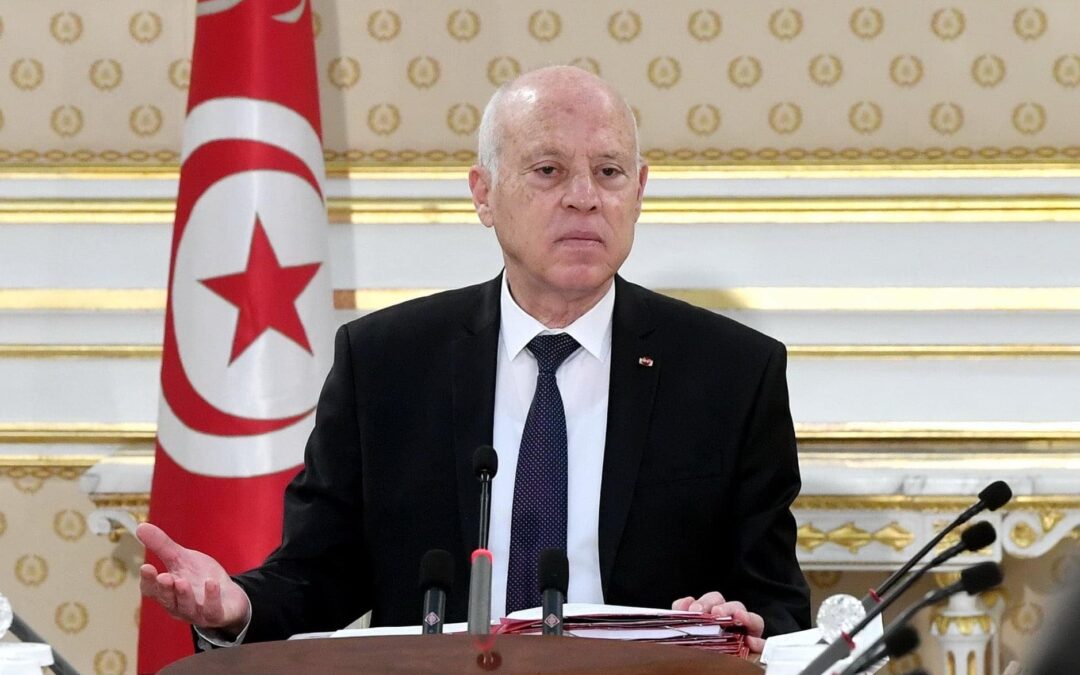
Tunisian President Kais Saied dealt a deep blow to judicial independence on June 1, 2022, by granting himself, via decree, absolute power to fire judges summarily, and by promptly dismissing 57 judges, 10 rights groups said today.
The International Commission of Jurists (ICJ) has condemned the conviction and death sentences imposed on former Parliamentarian Ko Phyo Zeyar, student activist Ko Jimmy, and opposition activists Hla Myo Aung and Aung Thura Zaw, by Myanmar’s military.
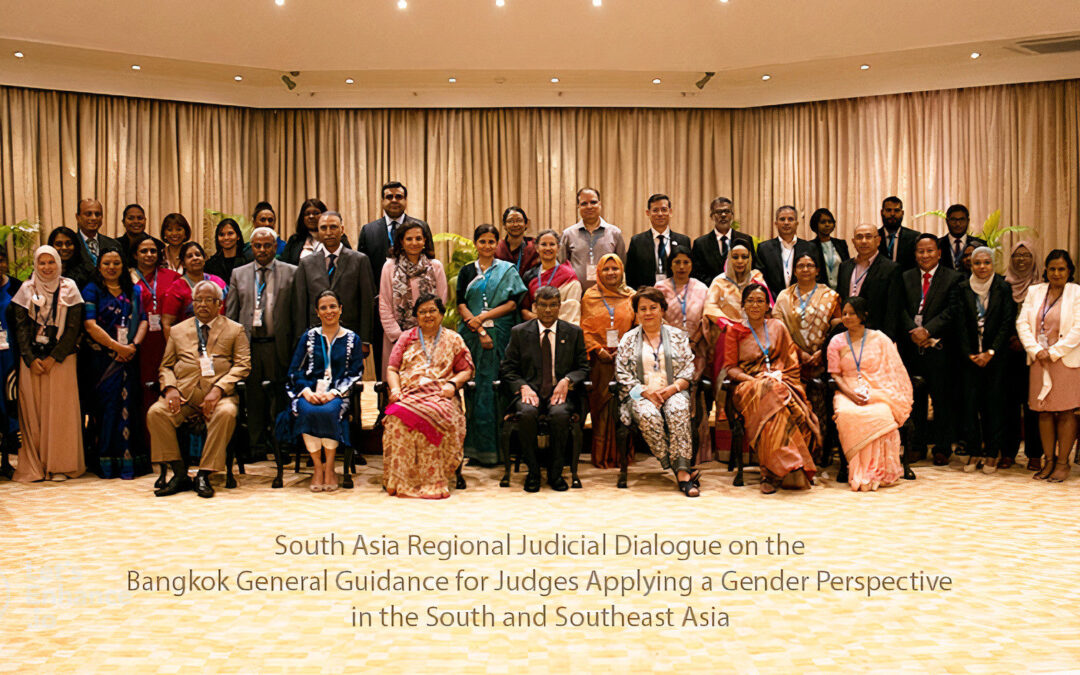
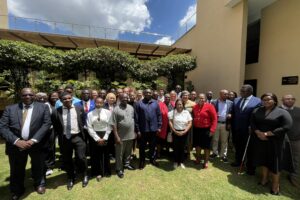
On 28 – 29 May, the ICJ convened a South Asia Judicial Dialogue with the participation of thirty South Asian judges from Bangladesh, India, Maldives, Nepal, and Pakistan to discuss the implementation of the Bangkok General Guidance for Judges in Applying a Gender Perspective (BGG).
A new question and answer briefing by the International Commission of Jurists (ICJ) examines leaked amendments to Decree 88-2011 on the organisation of associations and the ways in which the amendments would damage to the right to freedom of association, among other human rights, the rule of law, the separation of powers, the independence of the judiciary, rule of law and democracy in the country.
The amendments, leaked to civil society from a government source earlier this year, would limit the scope of the work that civil society organizations can lawfully undertake, curtail their access to financial support and, in so doing, weaken one of the last lines of defence against his one-man-rule.
The ICJ’s Q&A briefing answers the following questions:
 Tunisia: Quash sham conviction and sentence of judges’ association President, Anas Hmedi
 The UN Human Rights Council makes significant but limited progress in addressing human rights around the world, as atrocities multiply in the Middle East and elsewhere
 ICJ hosts an African Regional Convening in Kenya on Transformative Equality Jurisprudence
 Russian Federation: Arbitrarily detained human rights lawyer Maria Bontsler must be released