Feb 23, 2021
An opinion piece by César Landa, ICJ Commissioner from Peru.
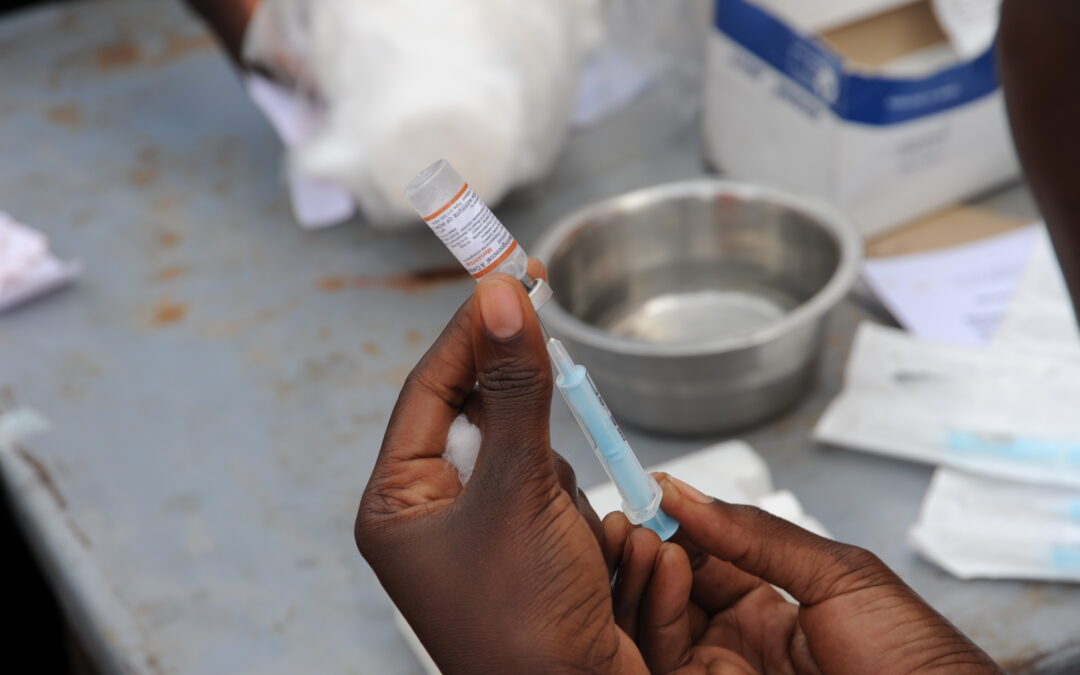
Since 2020, the COVID-19 pandemic has resulted in millions of infections and deaths across the globe. In response to this crisis, there have been rapid development and production of vaccines in some countries of the global North and governments have approved and emergency use of the vaccines. However, vaccine distribution has been unequal at the national and international levels.
Since COVID-19 vaccines are scarce and much demanded goods, widespread access to them is treated as a national achievement by various Latin American governments, including Peru. In the case of Peru, it is important to note that since the introduction of the clinical trials of the Sinopharm vaccine, media sources have reported that, between September and January, approximately 500 people from the Peruvian elite have been vaccinated secretly. These individuals include politicians, including former President Vizcarra, two ministers and candidates for Congress, authorities of the two universities leading the clinical trials, and high-level public servants of the Ministry of Health and Ministry of Foreign Affairs. These secret vaccinations were applied with a clear disregard for health workers and individuals in vulnerable conditions, who are most in need of the limited available vaccines.
The Peruvian case demonstrates the need to consider vaccines as an essential health product that requires the application of a human rights-based approach to guarantee universal and equal access to the vaccine, in line with international standards as argued by the International Commission of Jurists. A human rights-based approach requires some essential standards for the purchasing of effective and safe vaccines. These include, for example, the purchasing of vaccines from different suppliers; transparent negotiations, without confidentiality clauses, to prevent acts of corruption; access to vaccines for all without discrimination of any kind, including persons in vulnerable conditions, such as undocumented persons or prisoners; accountability mechanisms for public and private vaccination, which should include the access to effective judicial remedies in case of failure to provide non-discriminatory and equal access to the COVID-19 vaccine.
Equal access to vaccines is critical in both the global north and south. Mass-vaccination provides the singular, most effective measure to prevent a new global COVID-19 wave. Moreover, it will facilitate everyone’s ability to fully enjoy civil and political rights, which has been greatly compromised due to the pandemic. The rights impacted include the right to freedom of movement, the right to freedom of assembly and, the right to liberty. Critically, mass-vaccination will contribute to the protection of economic, social, and cultural rights, including the right to health, work, and education, particularly, in the case of persons in vulnerable conditions.
Although it is impossible to ensure immediate access to COVID-19 vaccines for everyone, it is not acceptable that, to date, more than 130 countries have not been able to acquire or receive a single vaccine dose. This is mainly a result of the fact that ten countries have acquired 75% of all available doses, according to the United Nations Secretary-General.
Since the mass production and distribution of vaccines are enormously high in cost, only a few of the wealthiest countries of the global north have had the means to invest in development and supplies from large pharmaceutical corporations. Only through such measures has it been possible to develop vaccines in record-time and consolidate administrative procedures as well as health controls and emergency approvals. Furthermore, vaccines from developing countries such as China, Russia, and India have also entered the market with parallel autonomous research, production, validation, and commercialization processes.
In light of the above, two main challenges need to be solved using the universal human rights framework. First, the implementation of an international system for the protection of health to promote the distribution of COVID-19 vaccines in developing and most vulnerable countries that have not acquired vaccine doses. To do so, the system should use the Global vaccine mechanism COVAX, supported by the World Health Organization.
Second, it should be ensured that the national vaccination plans prioritize health care workers and others who provide emergency care. Similarly, people at greater risk of developing serious illnesses from Covid-19 should be prioritized. This includes older persons, people with existing conditions that place them at risk, persons living in poverty, indigenous peoples, racial and ethnic minorities, migrants, refugees, displaced persons, prisoners, and other marginalized and disadvantaged people.
At the moment, COVID-19 vaccines are scarce goods. However, this should not be used as an excuse by Governments to only protect their inhabits’ right to health and right to life. Humanity cannot return, even temporarily, to a Hobbesian state of nature in which “man is wolf to man”. On the contrary, the current situation, with the life and health of billions of people are at risk, requires and appeal to international solidarity based on human dignity.
Download the Op-Ed in English and Spanish.
Feb 22, 2021 | News
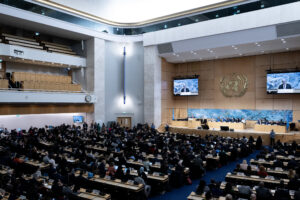
The ICJ has joined 21 other organizations to urge the Member States of the Human Rights Council to pass a strong resolution at the 46th Session, affirming an international commitment to protect human rights and justice in Sri Lanka.The letter reads:
To the Member States of the Human Rights Council
We, the undersigned organizations, urge the Member States of the Human Rights Council to pass a strong resolution at the 46th Session, affirming an international commitment to protect human rights and justice in Sri Lanka, with a particular focus on victims. The deteriorating human rights and accountability context in Sri Lanka is documented in detail in the High Commissioner for Human Rights’ damning January 2021 report as well as a joint assessment released by ten UN Special Procedures mandates earlier this month. The High Commissioner highlighted that “nearly 12 years on from the end of the war, domestic initiatives for accountability and reconciliation have repeatedly failed to produce results.” Just as concerning, the High Commissioner stressed the emergence of “early warning signs of a deteriorating human rights situation and a significant heightened risk of future violations.” Given the Government of Sri Lanka’s failure to comply with the State’s human rights obligations and implement agreed-upon accountability efforts and the need for urgent preventative action, it is essential that a new resolution detail immediate, concrete, and independent international efforts, including enhancing monitoring by the Office of the UN High Commissioner for Human Rights (OHCHR), creating an independent international mechanism to collect and preserve evidence of past and ongoing violations and abuses, and prioritizing support to civil society initiatives.
Multiple UN bodies and dozens of civil society organizations have documented grave human rights violations and abuses in Sri Lanka. The 26-year war between the Government and the Liberation Tigers of Tamil Eelam (LTTE) witnessed serious violations – including allegations of war crimes and crimes against humanity – by both parties. The toll on civilians was particularly high in the final stage of the conflict, when tens of thousands of Tamil civilians were killed, primarily by Government forces’ shelling of “No Fire Zones.” Following the end of the war, the country remained over-militarized and human rights abuses continued, including extrajudicial killings, enforced disappearances, arbitrary detention, torture, sexual violence, and harassment and persecution of journalists, activists, and government critics. Sri Lanka’s Tamil and Muslim populations have disproportionately suffered from these continuing violations and abuses, as they face institutionalized discrimination and higher levels of targeted state-sponsored violence.
Sri Lanka’s domestic accountability efforts have failed. As noted by the High Commissioner, numerous commissions of inquiry established by successive governments have “failed to credibly establish the truth and ensure accountability” and domestic investigations have failed to bring “a single emblematic case . . . to a successful conclusion or conviction.” Furthermore, despite co-sponsoring HRC Resolution 30/1 in 2015, which provided a comprehensive roadmap of measures to ensure justice and accountability, the Government of Sri Lanka “remains in a state of denial about the past, with truth-seeking efforts aborted and the highest State officials refusing to make any acknowledgment of past crimes.” The High Commissioner highlighted how “the failure to deal with the past continues to have devastating effects on tens of thousands of survivors.”
In the past year, prospects for domestic justice and accountability efforts in Sri Lanka have dimmed entirely. Gotabaya Rajapaksa – the former Secretary to the Ministry of Defense who oversaw the brutal end to Sri Lanka’s war – was elected President in November 2019. As one of its first acts on the international stage, the new Rajapaksa administration announced its withdrawal from HRC Resolution 30/1, part of a series of steps that led the High Commissioner to conclude that “[t]he Government has now demonstrated its inability and unwillingness to pursue a meaningful path towards accountability for international crimes and serious human rights violations.” The Government has also “proactively obstructed or sought to stop ongoing investigations and criminal trials to prevent accountability for past crimes,” promoted credibly accused war criminals, increased militarization of civilian institutions, reversed Constitutional safeguards, increasingly employed and promoted majoritarian and exclusionary rhetoric, increased surveillance and obstruction of civil society, and exacerbated human rights concerns.
In a joint assessment released earlier this month, ten UN Special Procedures mandates echoed the High Commissioner’s concern that the human rights and accountability context had further regressed in Sri Lanka, concluding, “[t]here is little hope that any domestic accountability measures will progress or achieve any degree of credibility.” They emphasized the “extremely disheartening” fact that their conclusions echo those of UN experts in 2009, who found “impunity has been allowed to go unabated throughout Sri Lanka. The fear of reprisals against victims and witnesses, together with a lack of effective investigations and prosecutions, has led to a circle of impunity that must be broken.” We share the High Commissioner’s and Special Procedures’ concerns that continued reliance on the Government of Sri Lanka to improve human rights and accountability will prove futile and dangerous. As both history and recent events in Sri Lanka have shown, if left unchecked, the Government will be emboldened to continue its abuses and further entrench impunity.
Given Sri Lanka’s long history of violations and failed domestic efforts to advance justice, and the warning signs of increased future abuses, it is critical that the Human Rights Council pass a strong resolution affirming its commitment to meaningful justice and accountability for serious human rights violations and abuses and crimes under international law in Sri Lanka. We join the High Commissioner and Special Procedures mandates in calling on Member States to pass a new resolution that strengthens the High Commissioner’s monitoring and reporting on Sri Lanka, prioritizes support to civil society initiatives assisting victims and their families, and establishes and supports a dedicated capacity to collect and preserve evidence. The dedicated capacity should come in the form of an independent international investigative mechanism. We also join the High Commissioner’s call for Member States to pursue alternative avenues for accountability and justice, including “taking steps towards the referral of the situation in Sri Lanka to the International Criminal Court,” the pursuit of “investigation and prosecution of international crimes” in national courts using extraterritorial and universal jurisdiction, and the imposition of targeted sanctions, including asset freezes and travel bans against State officials accused of grave human rights violations.
A strong resolution with concrete action by the Human Rights Council and UN human rights bodies will not only signal to the Government of Sri Lanka that continuing impunity and abuses are not acceptable, but will also affirm for survivors that the United Nations is committed to securing justice for the harms they experienced.
The text of the letter and the list of signatories is available here.
Feb 22, 2021 | Advocacy, News
On 13 and 20 February 2021, the ICJ, jointly with Centre for Civil and Political Rights (CCPR Centre), held two consultative sessions on international law and standards relating to the right to freedom of expression, peaceful assembly and the use of force in law enforcement operations.
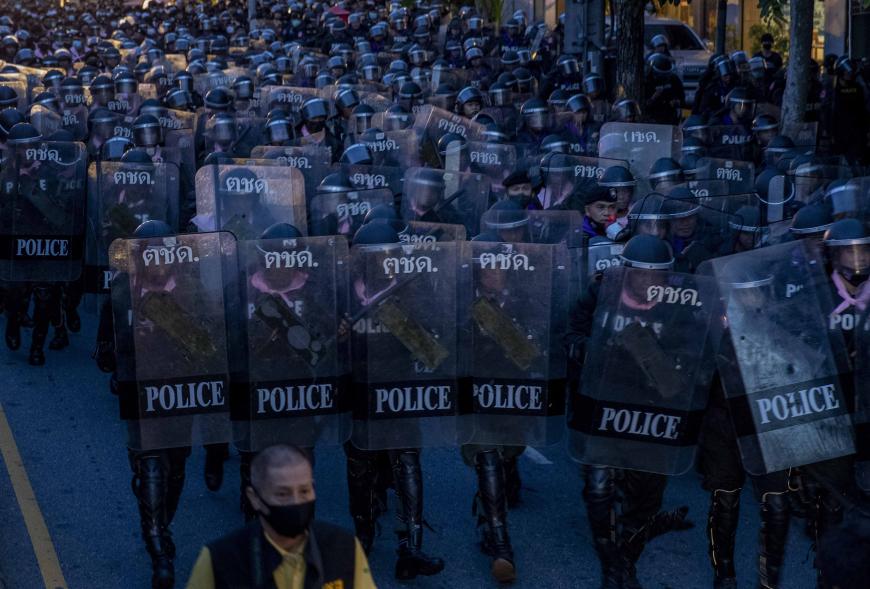
The discussions took place against the backdrop of recent widescale protests in Thailand, in which people exercising the rights to peaceful assembly and freedom of expression were met with sometimes unlawful force by security units.
Twenty-five Thai and international lawyers, civil society representatives and academics attended both discussion sessions, some participants in person and others online.
The 13 February session focused on relevant international law and standards relating to the rights to freedom of expression, peaceful assembly and the use of force in law enforcement operations, including the International Covenant on Civil and Political Rights (ICCPR), to which Thailand is a party, The sessions were led by Daisuke Shirane, CCPR Centre Asia Pacific Coordinator; Badar Farrukh, OHCHR Regional Office for South-East Asia Human Rights Officer; and Chonlathan Supphaiboonlerd, ICJ Associate Legal Adviser.
Participants considered the exercise in practice of the rights to freedom of expression and information, rights that have recently been unduly restricted in Thailand. Such restrictions were said to have resulted in violations of the rights of individuals who increasingly rely on online platforms, particularly social media platforms such as Facebook and Twitter, to share information on the protests and to express their opinions on the reform movement.
The session included a Q&A session with Christof Heyns, former member of the UN Human Rights Committee and Special Rapporteur on summary, arbitrary and extrajudicial executions. The discussion focused on the scope of the right of peaceful assembly, COVID-19 related restrictions, the State’s duty to facilitate peaceful assembly, and the international legal requirements of legality, necessity and proportionality on State’s response against the protesters.
In the 20 February consultation, Aram Song, attorney of the MINBYUN-Lawyers for a Democratic Society from South Korea, shared with the participant his experiences representing victims of human rights violations arising from police responses to protesters. He discussed the unlawful use of force and the constitutionality of regulations and ordinance that restricting the right to expression and peaceful assembly in the courts. Thereafter, Gayoon Baek, Chief Secretary of the Truth and Reconciliation Commission of the Republic of Korea, gave her views on how to conduct advocacy through international human rights mechanisms to ensure the right to freedom of expression and peaceful assembly.
This workshop is part of the ICJ’s ongoing efforts to bring existing Thai laws in compliance with international laws and standards that regulating the right to freedom of expression and peaceful assembly.
Further reading
Thailand: ICJ co-hosts round-table on right to peaceful assembly
Feb 19, 2021 | News
The Egyptian authorities’ targeting of families in Egypt of activists and human rights defenders living abroad has been escalating, demonstrating a clear pattern of intimidation and harassment, 22 Egyptian, regional, and international organizations said today.
Since August 2020, the authorities have targeted the families of four critics who live in the United States, as well as one in Turkey, one in Germany, and one in the United Kingdom.
These cases are among dozens reported in recent years. The authorities try to intimidate critics with unlawful home raids, arbitrary arrests, enforced disappearances, and prolonged detention of family members without trial or charges.
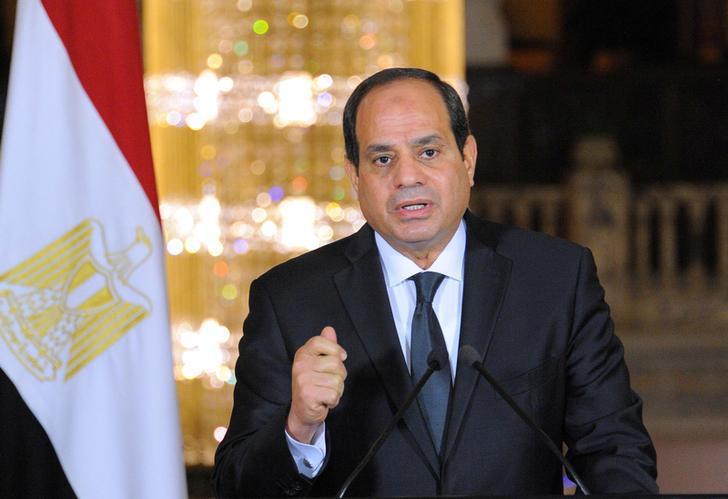
“The Egyptian families of dissidents abroad have been increasingly caught in President al-Sisi’s government web of oppression,” said Joe Stork, deputy Middle East and North Africa director at Human Rights Watch. “President al-Sisi should immediately rein in his security forces and end these hostage-like arrests.”
On February 13, 2021, the authorities raided the homes of six members of the extended family of Mohamed Soltan, a US-based human rights advocate. Soltan, the director of the Freedom Initiative, an independent human rights group, and two other sources with direct knowledge of the arrests told Human Rights Watch that security agents arrested two of his cousins, Mostafa Soltan and Khairi Soltan, at their homes in the Menoufiya governorate. The two sources also said security authorities arrested a third relative of Soltan’s, Mahmoud Yousri al-Naggar.
Officers told another cousin to turn himself in once a cast on his broken leg was removed. Three of Soltan’s other cousins whom officers wanted to arrest were not at home during the raids; their families were told that the cousins were wanted by the National Security Agency. Those detained were interrogated mainly about Mohamed Soltan and his activities. On the evening of February 17, authorities released Mostafa and Khairi, following their detention and interrogation by National Security officers, the two sources said.
Security agents had previously arrested five of the six targeted cousins in June 2020 and detained them without trial until shortly before Joe Biden won the US presidential election in November. Soltan has been a prominent target of Egyptian government and pro-government media defamation campaigns because of his human rights work, most recently because of his organization’s support for the establishment of the Egypt Human Rights Caucus in the US House of Representatives.
The authorities disappeared Soltan’s already-jailed father, Salah Soltan, on June 15, 2020, when officers escorted him from Wadi al-Natrun prison to an unknown destination. Since that time, the authorities have refused to provide his family and lawyers information about his whereabouts. Soltan said that Egyptian intelligence agents in Washington, DC have harassed him with “bump-ins” at the local mall, at a Freedom Initiative’s Egypt advocacy event, which Human Rights Watch and the Project on Middle East Democracy co-sponsored in March 2019, and with threatening phone calls, telling him that he should “be careful” for his father’s sake. Soltan said he reported all incidents to the US authorities and his lawyers immediately.
Aly Hussein Mahdy, a University of Illinois at Chicago graduate student and video blogger with over 400,000 followers on Facebook, was ridiculed by a pro-government TV outlet on January 17. Between January 28 and February 2, National Security officers raided the homes of several of his family members in Alexandria and arrested his father, uncle, and cousin because of his videos, Mahdy told Human Rights Watch.
“They raided the home at dawn,” Mahdy said in a Facebook video on February 11. “They took my father from his wife and my younger siblings, terrifying them. They messed up the whole house and stole everything they found.” He told Human Rights Watch that his family has not been able to learn the whereabouts of the three family members arrested.
Download
Egypt-Arrests-Joint-Press-Release-2021-ENG (full statement in English)
Egypt-Arrests-Joint-Press-Release-2021-ARA (full statement in Arabic)
Contact
Asser Khattab, Research and Communications’ Officer, ICJ Middle East and North Africa Programme, e: asser.khattab(a)icj.org
Feb 19, 2021 | Advocacy, News, Open letters
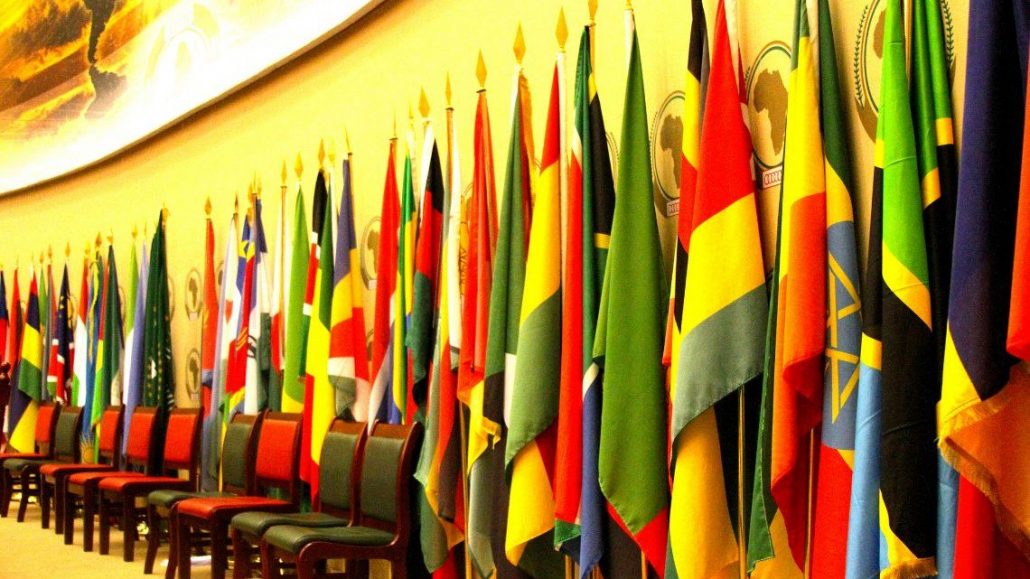
In a letter of 17 February, the ICJ and ZimRights called on the Chairperson of the African’s Commission on Human and Peoples’ Rights Working Group on Economic, Social and Cultural Rights to address Zimbabwe’s failure to meet its obligations to protect the rights of life and health of its population in respect of its COVID-19 vaccine policies.
Zimbabwe had failed to produce, publish and widely disseminate a comprehensive plan on vaccine acquisition and distribution. These are also necessary measures to secure the life and health of those living in neighbouring countries of Zimbabwe and therefore of broader concern within the Southern African Development Community in particular.
The ICJ and ZimRights called for an intervention of the Working Group and the wider African Commission with a view to ensure that vital information is made available by the Government of Zimbabwe about its national plan for COVID-19 vaccine procurement, distribution and roll-out including any resources it has set aside for these efforts.
To read the full letter, click
here.