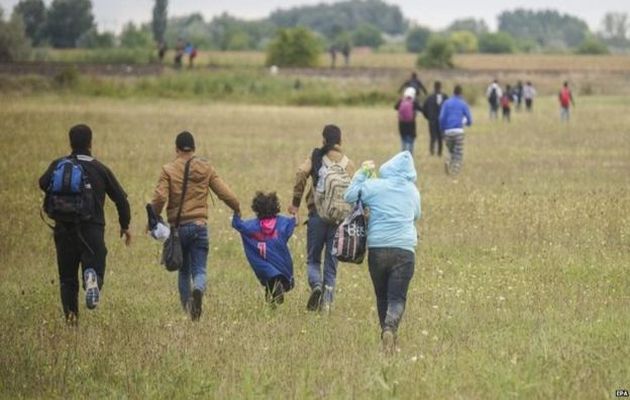
ICJ and others call on the EU to protect refugee and migrant children’s rights
The ICJ and 77 other civil society organizations and UN agencies called today on the EU institutions and Member States to do more to protect the rights of refugee and migrant children.
The call came in a statement released to mark the opening of the 10th European Forum on the Rights of the Child in Brussels.
The refugee and migrant crisis in Europe will soon enter its third year, with children playing an ever larger part and the impact on their lives all the more tragic.
Between January and September 2016, more than 664,500 children claimed asylum in Europe; nine in ten children arriving in Italy this year were unaccompanied; 23,000 children in Greece remain in limbo – their futures hanging in the balance, their education on hold.
More than 700 children are estimated to have died at sea trying to reach Europe this year alone. Last week a six-year old child died in a fire in the Moria camp on the Greek island of Lesbos.
The ICJ is deeply concerned at the failure to prioritize the protection of children’s rights. Children lack access to basic procedural rights, such as access to a guardian, access to a lawyer or access to information.
Children stranded in Greece have been out of school for an average of 20 months.
Many children have to wait for more than a year to reach family members in other EU Member States or even more when their parents or siblings are outside of the EU. In many cases they cannot reunite with their parents or siblings because it is simply too expensive for them.
The EU and Member States can do a lot more to protect children’s rights and address their particular needs and vulnerabilities.
78 partner organizations identify seven priority actions to protect refugee and migrant children today and prepare them for the future.
These actions include the urgent adoption of an EU Action Plan on children in migration, strengthened safeguards in the asylum legislation, increased funding for national child protection systems and building mechanisms to protect children across borders.
The reform of the common European asylum system, currently debated in the European Parliament, provides a unique opportunity to ensure children get access to guardians, education and family reunification.
EU action is also needed to end the detention of migrant and refugee children, and the identification of alternatives.
The full statement can be downloaded here:
eu-joint-statement-refugee-and-migrant-children-advocacy-non-legal-submission-2016-eng
Information about the November 2016 ICJ Geneva Forum on the role of judges and lawyers in relation to large movements of refugees and migrants (including special consideration of migrant and refugee children), is available by clicking here.