Jan 25, 2024 | Advocacy, Joint Statement
The ICJ has joined more than a hundred organizations and experts in a call on the state delegations that will participate in the concluding session of the United Nations Ad Hoc Committee elaborating a proposed Cybercrime Convention (the Convention) to ensure the Convention is narrowly focused on tackling cybercrime, and not used as a tool to undermine human rights.
It is the ICJ’s view that the fight against cybercrime should not come at the expense of human rights, gender equality, and the dignity of the people whose lives will be affected by this Convention. It should not result in impeding security research and making us all less secure.
Robust and meaningful safeguards and limitations are essential to avoid the possibility of abuse of relevant provisions of the Convention that could arise under the guise of combating cybercrime. Absent meaningful changes to address these shortcomings, the Convention should be rejected.
Read the full Statement:
Joint Advocacy Statement on UN Cybercrime Convention

Jan 17, 2024 | Advocacy, News
Today, the short documentary film titled “Beyond Siracusa: Human Rights in Times of Public Health Emergencies,” will be launched. The film looks at the 2023 Principles and Guidelines on Human Rights Public Health (PHE Principles), developed by experts through a process led by the International Commission of Jurists and the Global Health Consortium (GHLC). The film looks at the underlying motivation for the PHE Principles, including the imperatives for action compelled by the onslaught of the COVID 19 Pandemic, as well as the drafting process itself.
VIDEO: Beyond Siracusa: Human Rights in Times of Public Health Emergencies
“One of the important lessons learned from the COVID-19 experience is that a unified, cohesive elaboration of international law and standards prescribing how States should and should not respond to pandemics was lacking and sorely needed,” said Tim Fish Hodgson, ICJ’s Senior Legal Adviser. “The 1984 Siracusa Principles, also developed by the ICJ, elaborated a framework for a human rights-compliant response to emergency measures. The PHE Principles build on Siracusa and affirm the proactive measures that are required to secure human rights in times of public health emergency.”
The Principles, which address such questions as access to vaccines, lockdowns, and fortification of public health systems to prepare for future pandemics, expressly identify a number of responsibilities of States in the context of public health emergencies, including that they act in furtherance of:
- Universal enjoyment of human rights;
- International solidarity;
- The Rule of law;
- Equality and non-discrimination;
- Human rights protection from the conduct of non-State actors;
- Transparency and access to information;
- Meaningful and effective participation; and
- Accountability and access to justice for those harmed by human rights violations and abuses.
Elaborated by international experts through a three-year consultative process, and to date endorsed by over 50 leading experts, the Principles also provide a foundation upon which further human rights standards in public health emergency prevention, preparedness, response, and recovery may emerge and evolve. In the spirit of such evolution, the ICJ co-convened a blog symposium between October and December 2023 on the Petrie-Flom Center for Health Law Policy, Biotechnology, and Bioethics at Harvard Law School’s Bill of Health, which will culminate with a webinar on 18 January 2024.
“The Principles aim to be more than static guidelines. Their essence thrives through interpretation, application, and discourse among communities of scholars, advocates, practitioners and human rights defenders,” said Roojin Habibi, a law professor at the University of Ottawa and a member of GHLC. “We extend an open invitation to all interested parties to collaborate on the implementation of these Principles, from local to global settings.”
In 2024, the World Health Organization is set to continue its work in drafting a “Pandemic Treaty,” expected to culminate with the International Negotiating Body (INB) appointed by the WHO submitting its “final outcome” to the World Health Assembly in May 2024. At the same time, a process is under way to amend the 2005 International Health Regulations stemming from experiences of their (non)application during COVID-19.
“It is our hope that the content of the Principles inform all processes currently under way within the WHO to develop and consolidate international law and standards,” Fish Hodgson said. “We reiterate the consistent calls of civil society to ensure that the WHO’s processes are fully and meaningfully participatory, resulting in the development of a Pandemic Treaty and International Health Regulations that are grounded in human rights, providing States with clear guidance on their obligations,” he concluded.
Event
Register to join the webinar discussing the Principles on 18 January at 16.00 (CET) featuring Justice Zione Ntaba (Judge of the Malawian High Court), Alicia Ely Yamin (Harvard University), Paul Hunt (New Zealand Human Rights Commission), Kayum Ahmed (Human Rights Watch) and Luisa Cabal (UNAIDS) at this link.
Links
VIDEO: Beyond Siracusa: Human Rights in Times of Public Health Emergencies
PHE PRINCIPLES: ICJ & GHLC – Human Rights & Public Health Emergencies (2023). A one page overview of the Principles is available here: One Pager – Principles and Guidelines on HR & PHE.
SIRACUSA PRINCIPLES: The Siracusa Principles on the Limitation and Derogation Provisions in the International Covenant on Civil and Political Rights (September 1984) are available here.
SYMPOSIUM: Posts from the Blog Symposium From Principles to Practice: Human Rights and Public Health Emergencies are available here.
ICJ, Amnesty International, GI-ESCR and Human Rights Watch Draft “Pandemic Treaty” fails to comply with human rights (July 2023), available here.
ICJ, Amnesty International, GI-ESCR and Human Rights Watch Joint Public Statement: The Pandemic Treaty Zero Draft Misses The Mark On Human Rights, February 2023, available here.
For more information:
Timothy Fish Hodgson timothy.hodgson@icj.org
Roojin Habibi rhabibi@uottawa.ca
Jan 12, 2024 | Advocacy, News
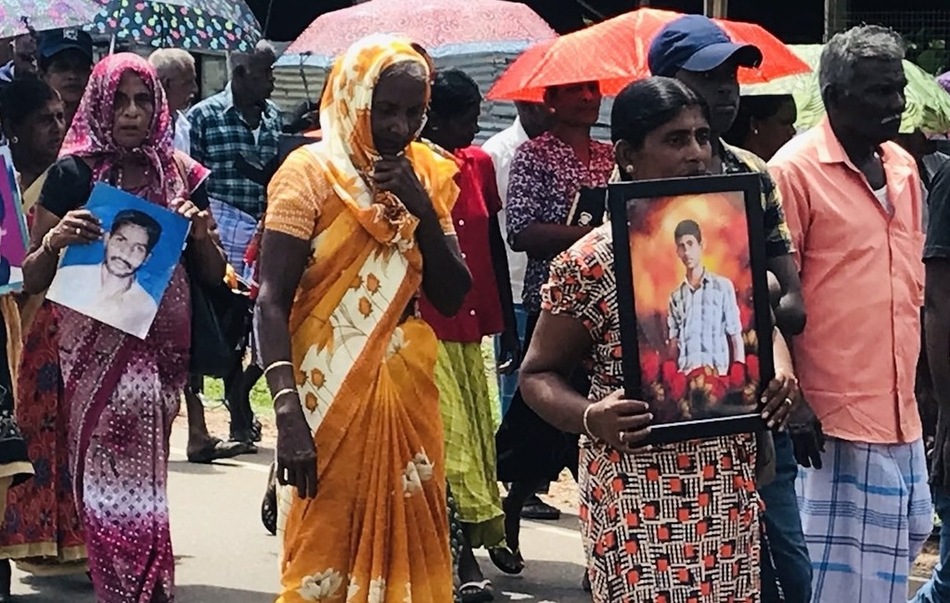
The ICJ considers the government’s proposed bill to establish a Commission for Truth, Unity and Reconciliation unlikely to advance accountability for perpetrators and justice for victims and survivors of the 26-year-long armed conflict that ended in 2009 and involved widespread atrocities.
The ICJ is concerned that the lack of consultation with victim communities and the continued neglect of their demands deprive the Bill of legitimacy.
A draft Bill on Commission for Truth, Unity and Reconciliation was gazetted on 1 January 2024, to establish the Commission, amidst a climate of impunity for past human rights violations and abuses and intimidation of victim communities in the North and East of the country.
“Considering the repressive political climate in Sri Lanka, and the absence of the conditions that are necessary to ensure the success of the proposed Commission for Truth, Unity and Reconciliation, the Bill appears to be more of a legislative manoeuvre aimed at deflecting the attention of the Human Rights Council and removing Sri Lanka from further scrutiny rather than a genuine accountability measure.” said Melissa Upreti, ICJ’s Asia Director.
The Bill suffers from a lack of transparency regarding the consultation process and non-acceptance by victim communities.
If adopted, it would empower the Attorney-General to prosecute cases where the Commission makes a finding of responsibility for an offence. The ICJ is concerned that in the past the Attorney-General’s office has assumed potentially conflicting dual roles of legal advisor for the State and prosecutor of offences allegedly committed by State officials. The ICJ has previously noted how the Department had mishandled cases relating to serious human rights violations and abuses which has contributed to a climate of mistrust. The ICJ recalls that the years since the end of the conflict have been marked by near total impunity for conflict era crimes, owing to the failure of the Attorney-General’s Department to act to hold to account those responsible for serious crimes under international law.
The Bill provides that appointments to the Commission will be made by the President upon the recommendation of the Constitutional Council. The ICJ has previously noted that the governing party holds a majority in the Constitutional Council and that a majority of members are parliamentarians with only three members appointed from outside. Further, a representative of the smaller political parties (including parliamentarians representing the North and East) is yet to be appointed to the Council. The ICJ is concerned that these arrangements are conducive to creating a Commission that lacks independence and may be subjected to political pressures and considerations in carrying out its work. The situation is exacerbated by the Constitutional Council approving the appointment of the current Acting Inspector General of Police who had in December 2023 been held directly responsible for torture by the Supreme Court of Sri Lanka.
The Bill would further authorize the proposed Commission to seek the assistance of the police to conduct investigations and liaise with the National Authority for the Protection of Victims of Crime and Witnesses, which in turn depends on the police to provide support for the protection of victims and witnesses. However, a number of police officials have allegedly been responsible for recent cases of torture and ill-treatment and extra judicial killings. The government’s failure to initiate thorough and impartial investigations into these cases and to bring perpetrators to justice has deepened the public’s mistrust of the police and prosecuting agencies.
Successive UN Human Rights Council Resolutions on Sri Lanka have called for the establishment of transitional justice mechanisms with the active participation of all stakeholders, including women who have been at the forefront in leading victim demands for accountability, particularly for cases of enforced disappearance. Yet, protesting mothers and female family members of the disappeared are routinely detained, intimidated or put under surveillance and their voices suppressed.
The Bill lacks also provisions that are gender responsive and makes the establishment of mechanisms and procedures to address women’s concerns discretionary.
Existing transitional justice institutions such as the Office of Missing Persons (OMP) and the Office for Reparations have been ineffective. As underscored by the UN Office of the High Commissioner for Human Rights, the OMP has failed to earn the trust of victims and their representatives. As recently observed by the High Commissioner, there has been little to no development regarding cases of past human rights violations and abuses.
“The victims of Sri Lanka’s 26-year armed conflict, replete with atrocities, have been forced to wait too long to learn the truth about their loved ones and to be granted justice. When the UN Human Rights Council considers a new resolution on Sri Lanka later this year, it must avoid blind acceptance of Sri Lanka’s flawed transitional justice process and institutions and adopt an approach that genuinely puts the interests of victims and survivors first,” added Upreti.
Background
The draft Bill provides for the establishment of the Commission with a Head Office based in Colombo and Regional Offices as necessary (clause 2). The Commission will have between seven to twenty-one members, who are to be appointed by the President upon recommendation by the Constitutional Council (clause 3). The term of the Commissioners is five years (unless removed earlier) and the President can extend their term on an yearly basis for an additional two years (clause 9). The Commission may conduct public or closed sittings as necessary (clause 7).
The stated objectives of the Commission are to investigate, inquire and make recommendations in respect of complaints or allegations or reports relating to damage or harm caused to persons or property, loss of life or alleged violation of human rights which occurred during the conflict in the Northern and Eastern Provinces between 1983 to 2009 or connected to such period or its aftermath and has a mandate to promote truth telling and make recommendations for reparations, and non – recurrence (clause 12). If it appears to the Commission that an offence under any Sri Lankan law has been committed it may refer the matter to the relevant law enforcement or prosecuting authorities for further investigation and necessary action (clause 13 (zd)). The Commission does not have the mandate to determine civil or criminal liability of any person (Clause 16 (1)) and instead the onus is on the Attorney-General to institute criminal proceedings regarding an offence in Court based on material collected by the Commission (clause 16 (2)).
The Bill also provides for the establishment of a Victim and Witness Protection Division (clause 28) and a Data Management Division (clause 29). The Commission may also appoint any mechanisms and procedure to address requirements related to women, children, persons with disabilities and disadvantaged groups and advisors relating to specific issues (clause 30).
The Bill also provides for the appointment of an advisory panel to advise the Commission on matters referred to the Panel (clause 32). This panel is to consist of a minimum of ten members appointed by the President on the Commission’s recommendation. Clause 39 of the Bill states that within one month of the interim report of the Commission being published the President shall appoint a monitoring committee to implement the findings of the report. Clause 40 states that such Committee be comprised of 11 members, of which six members are to be recommended by the Constitutional Council while the others are members ex-officio. Ex-officio members include the Secretaries of the Ministries of Defence, Justice, Law & Order, Finance, Public Administration & Women, Child Affairs and Social Empowerment or their nominees. The Committee is expected so submit bi-annual plans evaluating the implementation of recommendations of the TUR Commission and other previous Commissions of Inquiry.
Clause 49 of the Bill states that the Commission can defer its investigation regarding any disappearance of a person/s if requested to do so by the OMP until such time it can be resumed without compromising inquiries conducted by the OMP.
In September 2023, the ICJ joined eight other international human rights organizations in expressing their grave reservations about the proposed Truth, Unity and Reconciliation Commission and setting out prerequisites to be addressed before appointing any new Commission. The concerns relate to Sri Lanka’s legacy of failed commissions, lack of a conducive environment and confidence building efforts, lack of meaningful consultations with victim communities, the failure of domestic transitional justice institutions, and the blocking of prosecutions. None of these concerns have been addressed to date, which bring into question the newly proposed Commission’s likelihood of serving as an effective mechanism for accountability.
Jan 12, 2024 | Advocacy, Joint Statement
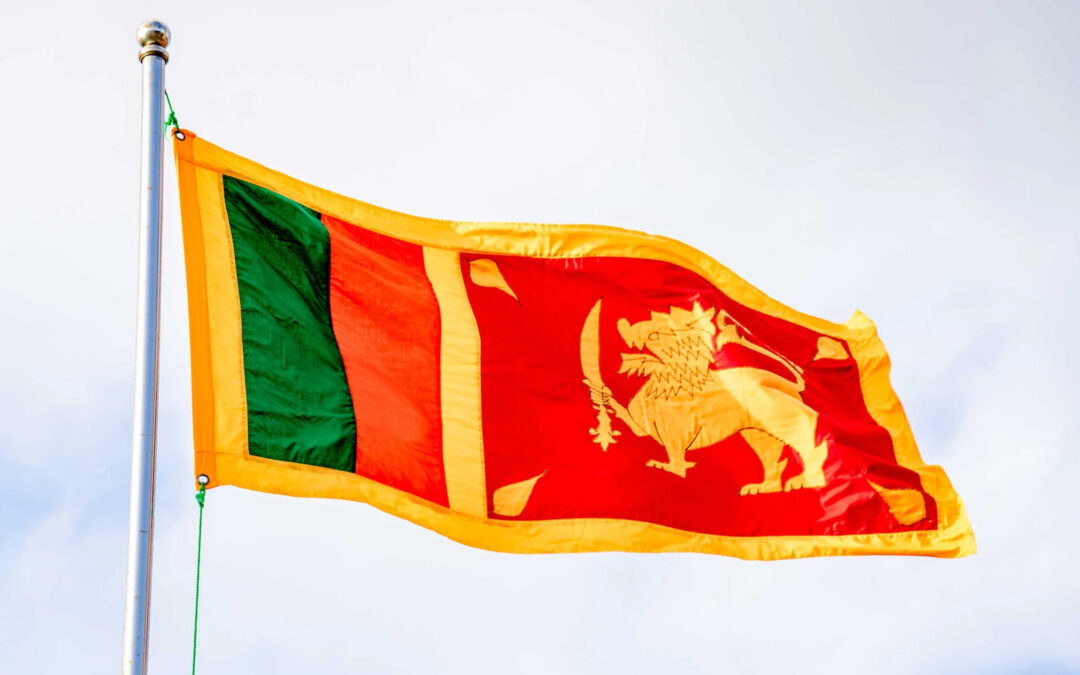
The International Commission of Jurists (ICJ) has joined 29 other organizations urge Sri Lanka to halt the anti-drug operations that has intensely escalated to human rights violations.
[JOINT STATEMENT] Sri Lanka: Stop Abusive Anti-Drug Operation and Release Those Arbitrarily Detained
We, the undersigned organisations, are deeply concerned about the drastic intensification of anti-drug operations in Sri Lanka leading to significant human rights violations.
On 17 December 2023 the Acting Inspector General of Police Deshabandu Tennekoon, with the endorsement of Minister of Public Security Tiran Alles, spearheaded an operation titled “Yukthiya”, with the stated aim of controlling “the drug menace”. The operation is ongoing as of 10 January 2024, with at least one thousand persons arrested daily.
This operation is unfolding in a context of already severe repression against persons who use or are suspected of using drugs, who suffer discrimination and stigma within the Sri Lankan criminal justice system and society.
Alongside the Sri Lankan police, members of the armed forces have been supporting this operation, during which several human rights violations have been reported. These violations include alleged arbitrary arrests, primarily against individuals from marginalised socio-economic communities; searches conducted without warrants or reasonable suspicion; and degrading treatment including strip searches in public as well as cavity searches. The searches and arrests have been televised, in violation not only of the right to privacy (and of basic human dignity) but also of a person’s right to be presumed innocent. According to lawyers, persons are being arrested even when no drugs are found in their possession, simply for having been arrested for drug offences or having been sent to compulsory rehabilitation in the past. The arrests of main livelihood earners and mothers have adversely impacted the ability of families to meet their basic needs during a time of economic crisis in Sri Lanka, and the wellbeing of children.
Persons are being arrested primarily under Section 54A of the Poisons, Opium and Dangerous Drugs Ordinance, an offence which is non-bailable. As a result, those arrested are bound to spend time (sometimes months) in pretrial detention, thereby exacerbating already poor conditions of imprisonment in an overburdened prison system. The Human Rights Commission of Sri Lanka has previously stated that the existing prison conditions and treatment of incarcerated persons are “inhumane and degrading.” At present, as per statistics issued by the Department of Prisons, the level of overcrowding of the prison system is at nearly 200% – with punitive drug policies playing a significant role: as of 2022, 63% of convicted persons were sentenced for drug-related offences.
The total reported number of arrests pursuant to operation Yukthiya has exceeded 29,000 as of 9 January 2024, while nearly 1,500 people are in administrative detention in police custody for further investigation. At least 1,600 more persons have been sent for compulsory drug rehabilitation, in violation of several fundamental rights; including the right to the highest attainable standard of health, which includes the right to consent to and withdraw from medical treatment. “Drug treatment” in these centres is abstinence-based, essential harm reduction services are not available, and persons undergo severe withdrawal symptoms without any medical assistance while in detention. The use of violence to discipline and punish has been reported in at least two compulsory drug rehabilitation centres which are within the purview of the Bureau of the Commissioner General for Rehabilitation and are operated by the military, which is in itself a violation of international standards.
The UN Working Group on Arbitrary Detention in its statement at the conclusion of its visit to Sri Lanka in 2017 expressed concern regarding the involvement of military personnel in drug treatment and rehabilitation, the fact that strenuous physical exercise was the core component of compulsory drug treatment, and at the lack of trained professionals to monitor the health of people in detention. Furthermore, the statement highlighted the irregularities in the judicial process by which persons were sent to drug rehabilitation centres without a medical assessment.
More broadly, the UN Special Rapporteur on Torture has highlighted that by denying persons access to substitution therapies, states are subjecting “a large group of people to severe physical pain, suffering and humiliation, effectively punishing them for using drugs and trying to coerce them into abstinence.” The Special Rapporteur has further stated “forcible testing of people who use drugs without respecting their autonomy and their right to informed consent may constitute degrading treatment, especially in detention settings. States are obliged to respect the enjoyment of the right to health, including by refraining from using coercive medical treatment. The requirement of informed consent, including the right to refuse treatment, should be observed in administering any treatment for drug dependence.”
Since the 2016 UN General Assembly Special Session on drugs, there is international consensus on pursuing a holistic and health and human rights-based approach to drugs, which encompasses supply and demand reduction as well as harm reduction. The 2019 Ministerial Declaration on drugs – the current global drug policy document – as well as multiple resolutions of the UN General Assembly, the UN Commission on Narcotic Drugs, and the UN Human Rights Council reiterate and recommend a similar approach.
A punitive and militarised approach to drug control contravenes recognised international human rights standards and guidelines, is ineffective to protect individual and public health, and ultimately fails to make communities safer.
We thus call upon the government to:
- Immediately cease operation “Yukthiya” and release persons who have been arrested without evidence or reasonable suspicion. The government should ensure that those arrested who do not have access to legal representation are provided legal aid.
- Immediately release persons arrested or sent to compulsory drug rehabilitation for using drugs/having a drug dependence.
- Cease involving the armed forces in drug control and treatment activities as consistent with human rights law.
- Repeal laws that allow compulsory drug rehabilitation, close compulsory treatment centres and release persons presently held at the centres within the purview of the Bureau of Commissioner General for Rehabilitation.
- Allocate adequate financial resources to provide voluntary, comm unity and evidence-based drug treatment and care, under the leadership of the Ministry of Health.
- Meaningfully engage civil society, communities, human rights experts and UN agencies, such as the World Health Organisation and the Office of the High Commissioner for Human Rights in reforming national drug laws and policy.
- Ensure that any law enforcement operation to address the supply side is conducted respecting due process standards and constitutionally protected fundamental rights.
Download
The joint statement and full list of signatories is available here
Dec 21, 2023 | News
On 18 December 2023, the International Commission of Jurists (ICJ) filed a submission to the Human Rights Committee (the Committee) on Tunisia’s implementation of the Committee’s 2020 concluding observations regarding the Constitutional Court and the use of counter-terrorism provisions in the context of the Committee’s follow-up procedure.
“Since July 2021, President Kais Said has systematically eroded all checks on his authority, including by curtailing the powers of the Constitutional Court under the 2022 Constitution and by instigating arbitrary prosecutions against those suspected of opposing his rule , including judges, journalists, human rights defenders, and political opponents,” said Said Benarbia, ICJ MENA director. “The Tunisian authorities must abide by their obligations under international law, immediately reinstate a democratic constitutional order, and end the use of the criminal process and counter-terrorism measures to crackdown on dissent and free speech.”
In April 2022, pursuant to the Committees’ request to the State party to provide follow-up information on the implementation of its recommendations regarding the Constitutional Court, the state of emergency and counter-terrorism, and freedom of peaceful assembly and excessive use of force by the State’s agents, Tunisia submitted further information regarding its obligations under the International Covenant on Civil and Political Rights (ICCPR) as they pertain to the above-mentioned concerns. During the Committee’s 140th session between 4 and 28 March 2024, this information, and Tunisia’s implementation of the Committee’s recommendations on the same, will be reviewed.
The ICJ’s submission to the Committee highlights a number of ongoing human rights concerns with respect to the country’s implementation of and compliance with the provisions of ICCPR, which are not adequately addressed in the State’s submission of further information, including:
- Article 2(3). By failing to establish a Constitutional Court, and by severely limiting the independence and powers of the Constitutional Court under the new Constitution – should one ever be established – Tunisia has failed to provide recourse to resolve disputes about the constitutionality of the exceptional decrees promulgated by the President under the state of exception, including by removing the power of the legislature to challenge the constitutionality of such decrees in the new Constitution;
.
- Article 4(1) and (3). By failing to specify the nature of the public emergency that purportedly necessitated the suspension of the Constitution in July 2021 per article 80 of the 2014 Constitution on state of exception, and the corollary interference with ICCPR rights, and by failing to notify the derogation to these rights, Tunisia has failed to meet its obligations to prove and ensure that the exceptional measures adopted by the President were “strictly required by the exigencies of the situation”;
.
- Article 9(1). By arbitrarily detaining perceived political opponents, lawyers or judges under counter-terrorism provisions without reliable evidence, Tunisia is unlawfully interfering with their right to liberty;
.
- Article 19 (1) and (3). By arbitrarily investigating and prosecuting members of the judiciary, political opponents and lawyers under counter-terrorism provisions, Tunisia is unlawfully interfering with their right to express their opinions both in their professional and personal capacity; and
.
- Article 14(1). Through interference in the appointment, career, disciplining and dismissal of judges, prosecutors and High Judicial Council members, the President has undermined the independence and impartiality of tribunals presiding over criminal investigations and prosecutions, including with respect to counter-terrorism proceedings against perceived political opponents and members of the judiciary.
Contact
Said Benarbia, Director, ICJ Middle East and North Africa Programme, t: +41-22-979-3800; e: said.benarbia(a)icj.org