Jun 3, 2013
The ICJ has forwarded information to the Special Rapporteur on the promotion and protection of the right to freedom of opinion and expression concerning signs of impending violence surrounding the general elections to be held in Zimbabwe.
In statement prepared for an interactive dialogue with the Special Rapporteur on the promotion and protection of the right to freedom of opinion and expression, Mr Frank La Rue, the ICJ drew attention to current and possible further attacks against political dissent or non-aligned opinions. As well as drawing attention to tensions between the newly promulgated Constitution of Zimbabwe and existing repressive laws affecting the freedom of expression, the ICJ called on the Council and the Special Rapporteur to urge Zimbabwe to:
- Ensure the effective and unimpeded exercise of freedom of expression before, during and after the general elections to be held by the end of this year;
- Amend or repeal all laws restricting the freedom of expression; and
- Establish mechanisms to prevent and address partisan conduct by police and intelligence officers.
The statement was to have been delivered under Item 3 (promotion and protection of all human rights) of the agenda of the Human Rights Council’s 23rd regular session (27 May to 14 June 2013). Due to restrictions in the time available under the debate, the oral statement could not be delivered during the session of the Council.
Zimbabwe-HRC23-OralStatementFOE-LegalSubmission-2013 (download statement in PDF)
May 31, 2013
The ICJ has forwarded to the Special Rapporteur on the rights to the freedom of assembly and association information concerning recent attacks on peaceful demonstrators and against political activists in Angola and the Democratic Republic of Congo (DRC).
In a statement prepared for an interactive dialogue with the Special Rapporteur on the rights to the freedom of assembly and association, Mr Maina Kiai, the ICJ drew attention to recent attacks in Angola and the DRC, many of which have resulted in indiscriminate assaults, arbitrary arrests, unlawful detention, and in some instances extrajudicial killings, with perpetrators enjoying impunity. Citing recent examples of such attacks, the ICJ called on the Special Rapporteur and the Council to urge the governments of Angola and the DRC to:
- Put an end to such attacks;
- Ensure adherence to fair trial rights in cases where demonstrators are charged with offences; and
- investigate, and where appropriate prosecute, all those responsible for human rights violations against those exercising their rights to the rights to freedom of assembly and association.
The statement was to have been delivered under Item 3 (promotion and protection of all human rights) of the agenda of the Human Rights Council’s 23rd regular session (27 May to 14 June 2013). Due to restrictions in the time available under the debate, the oral statement could not be delivered during the session of the Council.
Angola-DRC-HRC23-OralStatementFOE-LegalSubmission-2013 (download ICJ oral statement in full)

May 30, 2013
The ICJ today addressed the Human Rights Council, and the Special Rapporteur on the independence of judges and lawyers, concerning the need for protection of lawyers in Viet Nam.
In an interactive dialogue with the Special Rapporteur on the independence of judges and lawyers, Gabriela Knaul, the ICJ emphasised that legal aid (the subject of the Special Rapporteur’s report to the Council) is fruitless without proper protection of the legal profession. Referring to articles 16-18 of the UN Basic Principles on the Role of Lawyers, the ICJ drew attention to challenges faced by human rights lawyers in Viet Nam, particularly those who have been disbarred and not allowed to practice in their work representing victims of discrimination and land confiscation.
The ICJ urged the Government of Viet Nam to extend to the Special Rapporteur an invitation to undertake a mission to Viet Nam and to cooperate with her and allow her to effectively consider these and other obstacles to the effective functioning of the legal profession in the country.
The statement was delivered under Item 3 (promotion and protection of all human rights) of the agenda of the Human Rights Council’s 23rd regular session (27 May to 14 June 2013).
VietNam-HRC23-OralStatementIJL-LegalSubmission-2013 (download ICJ oral statement)
May 29, 2013
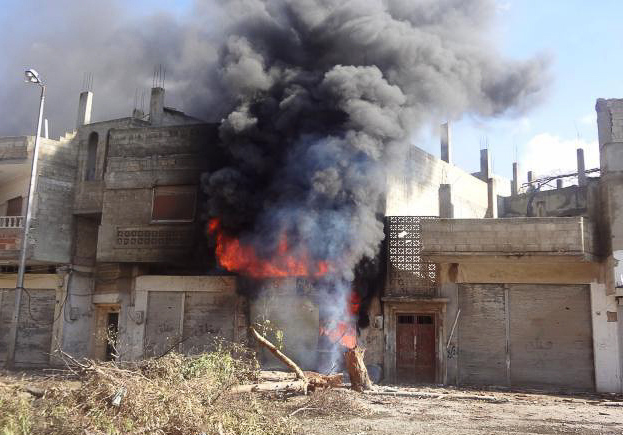
The ICJ today addressed the Human Rights Council during its urgent debate on the situation of human rights in the Syrian Arab Republic.
The ICJ again called for the Human Rights Council to request the UN Security Council to take effective measures at its disposal to end the ongoing conflict in Syria and to refer the situation to the International Criminal Court. Drawing attention to continued violence, gross violations of human rights and serious violations of international humanitarian law by government and anti-government forces, the ICJ reiterated its repeated calls for the international community to act and to address the humanitarian crisis.
The statement was delivered during an urgent debate on the situation in Syria held as part of the Human Rights Council’s 23rd regular session (27 May to 14 June 2013). The urgent debate concluded with the adoption of a resolution on the subject.
Syria-HRC23-UrgentDebate-OralStatement-LegalSubmission-2013 (download ICJ’s oral statement in full)
A_HRC_23_L1 (as revised and adopted) (download resolution)
Photo by Freedom House
May 28, 2013
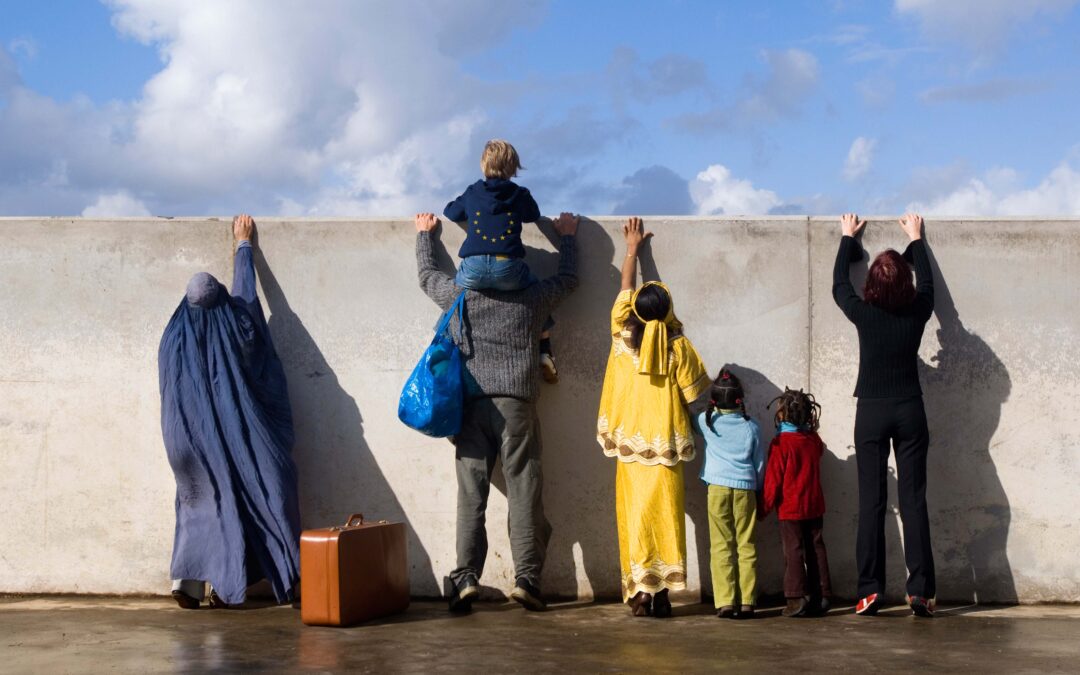
The ICJ today addressed the Human Rights Council, and the Special Rapporteur on the human rights of migrants, concerning migrants’ rights at EU borders.
In an interactive dialogue with the Special Rapporteur on the human rights of migrants, Francois Crépeau, the ICJ commended the Special Rapporteur’s study concerning the external borders of the EU. It drew attention to gaps in the harmonized EU standards on the rights of persons in need of international protection; and the risk of proposed EU Regulations for Frontex sea operations to institutionalise pushback operations and to not be in line with the principle of non-refoulement. The ICJ asked the Special Rapporteur to consider whether, by divesting responsibilities to non-EU member States, EU policies can constitute a form of complicity in human rights violations.
The statement was delivered under Item 3 (promotion and protection of all human rights) of the agenda of the Human Rights Council’s 23rd regular session (27 May to 14 June 2013).
Europe-HRC23-OralStatementMigrants-LegalSubmission-2013 (download full statement in PDF)
Photo by EU Commission

![Smoke rises after an Israeli air strike on the village of Taybeh in southern Lebanon [Source: Al Jazeera]](https://www.icj.org/wp-content/uploads/2026/03/Screenshot-2026-03-20-at-15.56.24-300x200.png)