May 6, 2021 | News, Publications, Reports
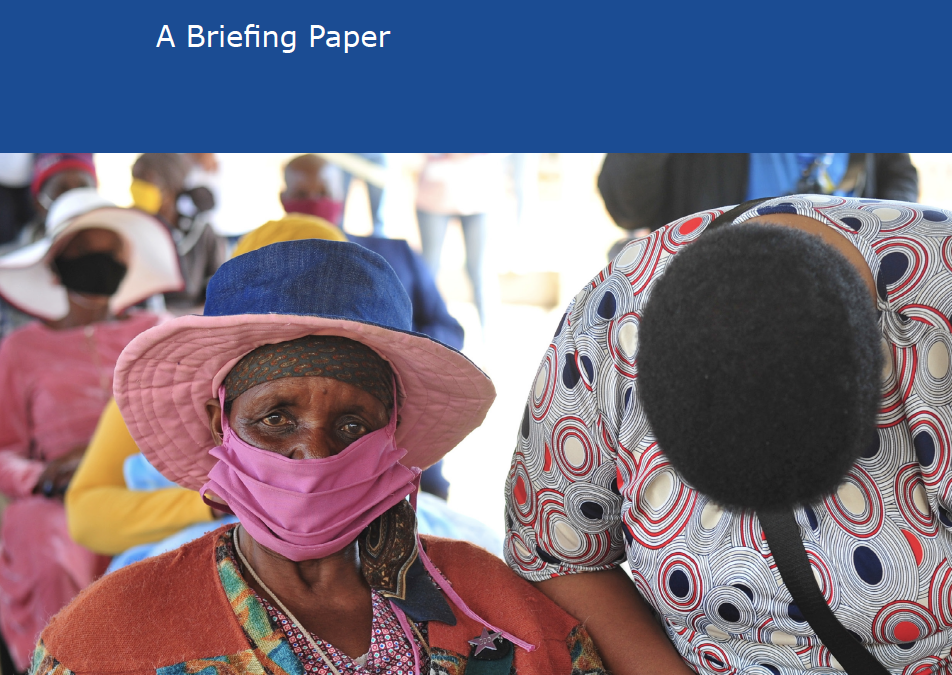
Southern African States have individually and collectively failed to provide sufficient and equitable COVID-19 vaccine access to meet their human rights obligations, the ICJ said today in a new briefing paper entitled The Unvaccinated: Equality not Charity in Southern Africa.
The paper focuses on the impact of COVID-19 on countries of the Southern African Development Community (SADC), a regional economic community comprising 16 Southern African countries whose goal is to enhance the standard and quality of life of the peoples in the region.
The publication considers SADC and its Member States’ collective failure to ensure access to COVID-19 vaccines despite more than 63,000 lives lost to the virus and countless others’ lives and livelihoods affected in the region.
This is due to a multitude of reasons, some common amongst the countries and others unique to individual Member States. While Tanzania and Madagascar denied the existence of the virus and rejected COVID-19 vaccines respectively, other countries with relatively greater resources, such as South Africa, failed to mobilize their resources adequately and equitably.
“COVID-19 is a global pandemic, but its impact was aggravated in southern Africa by the failure of governments to prepare and respond, individually or through SADC,” said Tim Fish Hodgson, ICJ’s Legal adviser on Economic, Social and Cultural Rights, in Johannesburg.
Combatting deadly communicable diseases like COVID-19 is one of the founding objectives under SADC’s founding treaty, and is also accounted for under the SADC Health Protocol. Yet, SADC has failed to provide almost any concrete guidance or coordinating role in regional procurement of COVID-19 vaccines since October 2020, prior to the availability of COVID-19 vaccines. While SADC’s chair, President Filipe Nyusi of Mozambique has encouraged a regional pooling of resources to facilitate procurement of necessary vaccines and distribution in a statement in January 2021, SADC has since taken no clear action towards this goal.
“While powerful global actors have erected roadblocks to equitable vaccine access in southern Africa, this should not conceal the burning need for SADC States to take essential measures to mobilize their collective resources towards efficient and equitable vaccine acquisition, allocation and distribution. As our research shows, they have failed to do so and SADC has been conspicuously silent,” Hodgson said.
These dire circumstances have led Fatima Hassan, South African human rights defender and director of the Health Justice Initiative, to observe that “philanthropy [and] benevolence cannot fund equality” in vaccine access. Indeed, the donation of vaccine doses through COVAX and other measures are not enough, and without rapid and adequate action to ensure equitable access to COVID-19 vaccines, it might be too late.
The ICJ’s research at a global and regional level have emphasized the urgent need for international institutions like the World Trade Organization and wealthier States to help countries to manufacture or otherwise acquire and distribute vaccines at affordable prices unimpeded by rigid intellectual property rights restrictions.
“All States should urgently heed the proposal by South Africa and India before the WTO for a waiver of the TRIPS intellectual property rules to allow faster, wider, and better distribution of COVID-19 vaccines,” Hodgson said.
“It is encouraging to see the United States end their opposition to the TRIPS waiver, and we hope that other States, in the European Union, Switzerland, Norway, and Brazil, will end their opposition and recognize that until everyone is safe, no one is truly safe.”
The ICJ emphasized that efforts by SADC and Southern African States is essential alongside ramped up global action.
“The pandemic is raging around the world even though a few countries, mostly the wealthiest, are now able to look beyond the worst of it. Most countries in Southern Africa remain unvaccinated, and in fact we are looking at new devastating waves of the illness. SADC should immediately improve efforts at collaboration and coordination to ensure compliance with their human rights obligation to provide everyone in the region with vaccine access as soon as possible,” Hodgson added.
The ICJ makes recommendations to specific States including Malawi, Tanzania, Madagascar, Zimbabwe and South Africa as well as a range of general recommendations to the SADC, including:
- The SADC Secretariat should urgently and actively facilitate and advance sub-regional COVID-19 vaccine procurement and distribution between the Member States.
- The SADC Secretariat should provide clear guidance to Member States on their human rights obligations pertaining to vaccine access. They should take effective action to address the failure of Member States to act according to their obligations under international law, including under regional agreements.
- All SADC member States should, as a matter of priority, develop, publish and publicize national vaccine acquisition and rollout plans and procurement strategies, detailing concrete measures to ensure non-discriminatory access to vaccines to all people.
Contact
Timothy Fish Hodgson, Legal Adviser on Economic, Social and Cultural Rights, timothy.hodgson(a)icj.org
Tanveer Jeewa, Legal and Communications Officer, tanveer.jeewa(a)icj.org
Download
Africa-The Unvaccinated-Publications-Reports-2021-ENG (full report, in PDF)
May 6, 2021 | Noticias
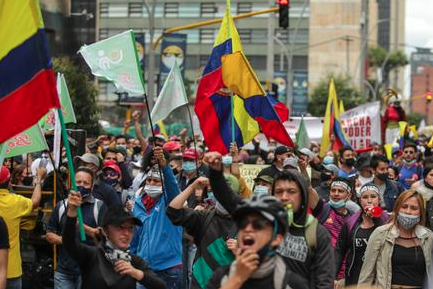
La Comisión Colombiana de Juristas (CCJ) y la CIJ solicitan a las autoridades nacionales y locales que respeten el derecho fundamental a la protesta y paren de manera inmediata las acciones violentas en contra de los manifestantes.
Desde el pasado 28 de abril de 2021, en varias ciudades y municipios, miles de personas han salido a las calles a protestar y manifestar su descontento por varias políticas sociales y económicas del actual gobierno. La CCJ y la CIJ expresan su preocupación por las graves violaciones a los derechos humanos cometidas en el marco de estas protestas.
Varios reportes de organizaciones de la sociedad civil muestran que miembros de la Policía han abierto fuego contra personas que estaban protestando. Aunque las autoridades no han entregado información precisa, la Defensoría del Pueblo informó el 5 de mayo que 24 personas habían muerto. En al menos 11 casos, el responsable sería la Policía Nacional. Por su parte, la ONG Temblores ha reportado que al menos 31 personas han sido asesinadas y la ONG Indepaz ha documentado que hay más de 1.200 personas heridas.
También resulta preocupante la cifra de personas cuyo paradero se desconoce. Al respecto, la Defensoría del Pueblo reportó haber recibido información de la desaparición de 89 personas en distintas ciudades como Bogotá, Medellín, Barranquilla y Cali, y varias organizaciones de derechos humanos tienen información de más casos de personas cuyo paradero se desconoce. Adicionalmente, se han denunciado casos de violencia sexual.
De particular gravedad resultan los hechos de violencia ocurridos en el Valle del Cauca, en donde al menos 17 personas han muerto y otras personas han sido gravemente heridas. Asimismo, en Cali, varias organizaciones de derechos humanos y personal de la Oficina de la Alta Comisionada para los Derechos Humanos denunciaron haber sido agredidos física y verbalmente cuando se encontraban verificando la situación de las personas detenidas.
La CCJ y la CIJ instan a las autoridades colombianas a reconocer los abusos y las violaciones de derechos humanos cometidas en el marco de las protestas, así como a llevar a cabo investigaciones independientes, imparciales, prontas, rigurosas, efectivas, creíbles y transparentes por los hechos que constituyen violaciones a los derechos humanos de acuerdo con las obligaciones internacionales del Estado consagradas en el Pacto Internacional de Derechos Civiles y Políticos.
Además, estas investigaciones deben ser adelantadas por la jurisdicción ordinaria y no por la jurisdicción penal militar. En ninguna circunstancia puede considerarse que posibles desapariciones forzadas o ejecuciones extrajudiciales o arbitrarias sean actos que guarden conexión con la disciplina o la misión castrense.
Igualmente, hay información acerca de que varios policías han sido heridos y que al menos uno ha fallecido. La CIJ y la CCJ rechazan estos y otros actos de violencia que han ocurrido e instan a las autoridades judiciales a investigar y sancionar estas conductas.
Por otro lado, la CCJ y la CIJ insisten en que el uso de la fuerza por parte de la policía debe ser acorde a los estándares internacionales. En particular, las autoridades deben respetar lo establecido en los “Principios Básicos sobre el Empleo de la Fuerza y de Armas de Fuego por los Funcionarios Encargados de Hacer Cumplir la Ley”, que determinan que el uso de la fuerza deber ser excepcional, necesario y proporcional.
Especialmente, las autoridades deben dar fiel cumplimiento al principio 9 que determina que la fuerza letal solo puede usarse “en defensa propia o de otras personas, en caso de peligro inminente de muerte o lesiones graves”.
Finalmente, la CCJ y la CIJ manifiestan su gran preocupación con la decisión del gobierno nacional de involucrar a las fuerzas militares en la contención de la violencia, a través de la figura de “asistencia militar”. Esta decisión desconoce los estándares internacionales que rigen el uso de la fuerza y el derecho a la protesta.
Debe recordarse que estas fuerzas no están capacitadas ni diseñadas para garantizar la protección y control de civiles en el marco de protestas sociales o de alteración del orden público. Por ello, su intervención debe ser absolutamente excepcional (violencia extrema) y temporal. Así lo han señalado distintas instancias internacionales, como el Comité de Derechos Humanos y la Corte Interamericana de Derechos Humanos.
Contacto:
Ana María Rodríguez, subdirectora de la Comisión Colombiana de Juristas, anarodriguez(a)coljuristas.org
Rocío Quintero M, Asesora Legal para América Latina de la Comisión Internacional de Juristas, rocio.quintero(a)icj.org
May 5, 2021 | News
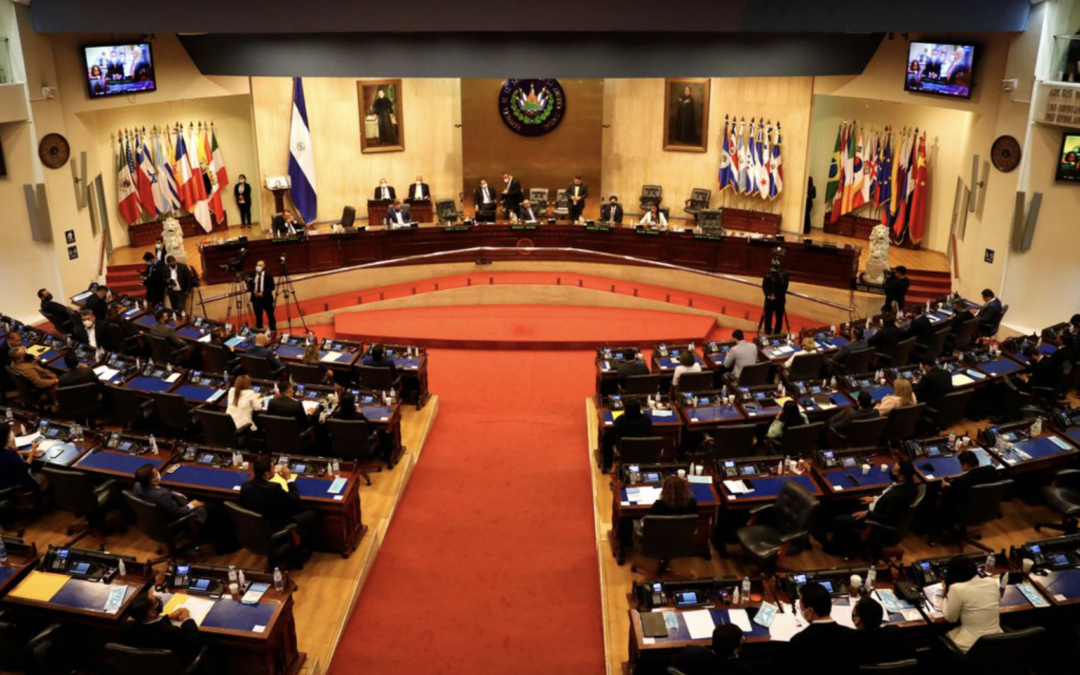
The ICJ today condemned the dismissal of all five of the justices serving in El Salvador’s Supreme Court Constitutional Chamber by the country’s newly elected Legislative Assembly, backed by El Salvador’s President Nayib Bukele.
The dismissal on 2 May was justified on vague allegations of arbitrariness and dereliction of functions particularly relating to judicial decisions taken striking down government action related to the COVID-19 Pandemic. The Legislative Assembly also dismissed El Salvador’s Attorney General.
The ICJ stressed that the dismissal violated core tenets of the independence of the judiciary, by which judges are subject to dismissal only “for reasons of incapacity or behaviour that renders them unfit to discharge their duties.” (United Nations Basic Principles on the Independence of the Judiciary). Any decision must also be subject to a fair hearing of individual judges, with full due process guarantees.
The dismissal process was carried out without any individualized hearings, and without a clear expression of a legitimate basis for the dismissal.
The ICJ is concerned that this summary dismissal will undermine the independence of the judiciary, including by intimidating other judicial authorities in the country.
The dismissal of judges and the Attorney General was followed by the immediate appointment and swearing in office of other judges in replacement. This decision violates the procedural rules of selection and appointment, which are essential to safeguard the independence and impartiality of the judges serving in the Constitutional Chamber.
The decision to dismiss the judges was taken by a qualified majority of legislators, shortly after the new legislative assembly started its functions, in a swift procedure that lasted just a few hours.
The ICJ urges the government of El Salvador to restore respect to fundamental rule of law principles to prevent the arbitrary use of power and impunity.
The country is particularly vulnerable to impunity for human rights violations, where an independent judiciary is not in place to assess the lawfulness of government actions.
The ICJ calls on the responsible authorities of the Inter-American Commission for human rights and the United Nations human rights system to address the situation as a matter of priority.
May 5, 2021 | News
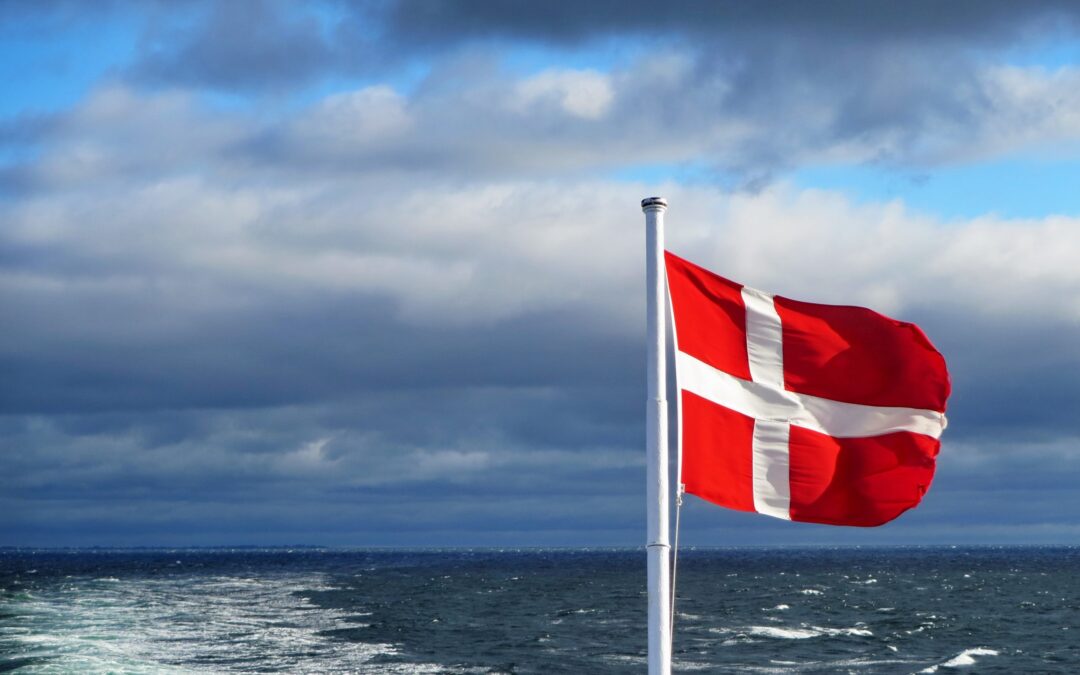
The ICJ condemns the Danish authorities’ practice of revoking residence permits of Syrian refugees, mainly women and older men, on the false premise that Syria is safe for refugees’ return. Partly due to a lack of diplomatic relations with Syria, Denmark cannot forcibly remove refugees and instead detains them.
These practices should end immediately, individual assessments must be carried out in each case, and those detained pending removal should be immediately released, the ICJ said.
“International law requires that before any forcible removal, an individualized assessment of risks for each individual must be made and the principle of non-refoulement must be respected at all times,” said Róisín Pillay, ICJ Europe and Central Asia Director.
The principle of non-refoulement, prohibiting States to transfer anyone to a country where he or she faces a real risk of persecution or other serious human rights abuses, is a fundamental principle of international law and one of the strongest limitations on the right of States to control entry into their territory and to expel aliens as an expression of their sovereignty, as set out in Article 33 of the Geneva Refugee Convention and Article 3 of the Convention against Torture.
“Immigration detention pending removal is permitted only for as long as removal proceedings are in progress, and only if such proceedings are executed with due diligence and there is a realistic prospect that removal will be carried out within a reasonable time. Denmark’s practices fail to meet these standards as set out in international and EU law,” Pillay added.
At least 189 Syrians have had applications for renewal of temporary residency status denied since last summer, a move the Danish authorities said was justified because of a report that found the security situation in some parts of Syria had “improved significantly”. In March, ECRE and the Danish Refugee Council reported that the geographical scope of reassessments of cases of Syrian nationals has been expanded to include cases from greater Damascus with hundreds of cases set to be reassessed by the Appeals Board in 2021.
“The ‘improved situation’ assessment in Syria does not reflect the reality on the ground and runs counter to assessments of the UN, the European Parliament and other countries,” said Róisín Pillay.
On 11 March, the European Parliament adopted a resolution on the conflict in Syria which “(r)eminds all Member States that Syria is not a safe country to return” for refugees, and “calls on all EU Member States to refrain from shifting national policies towards depriving certain categories of Syrians of their protected status, and to reverse this trend if they have already applied such policies.” The EP also opposed any “normalization of diplomatic relations with the Syrian regime as long as there is no fundamental progress on the ground in Syria, with clear, sustained and credible engagement in an inclusive political process.”
The UNHCR considers that “changes in the objective circumstances in Syria, including relative security improvements in parts of the territory, are not of a fundamental, stable and durable character so as to warrant cessation of refugee status on the basis of Article 1C(5) of the 1951 Convention.” Furthermore, “in light of continued conflict, insecurity, and contamination with explosive remnants of war (ERW); severe concerns about the rule of law and widespread human rights violations and abuses, including against returnees; fragmented community relations and a lack of genuine reconciliation efforts; massive destruction and damage to homes, critical infrastructure and agricultural lands; and deepening economic and humanitarian crises, which are compounded by the COVID-19 pandemic, UNHCR continues to call on states not to forcibly return Syrian nationals and former habitual residents of Syria, including Palestinians previously residing in Syria, to any part of Syria, regardless of whether the area is under control of the Government or under control of another state or non-state entity. ”
“The Danish authorities’ assessment of the situation in Syria refers solely to the situation of wide-spread violence and bombing in some parts of Syria, in total disregard of the continuing hostilities in other parts of the country, as well as Syria’s abysmal human rights record, including widespread and systematic use of torture and other ill-treatment, arbitrary detention and enforced disappearances,” said Said Benarbia, ICJ MENA Director.
Read the full statement here.
May 5, 2021 | Agendas, Events, News
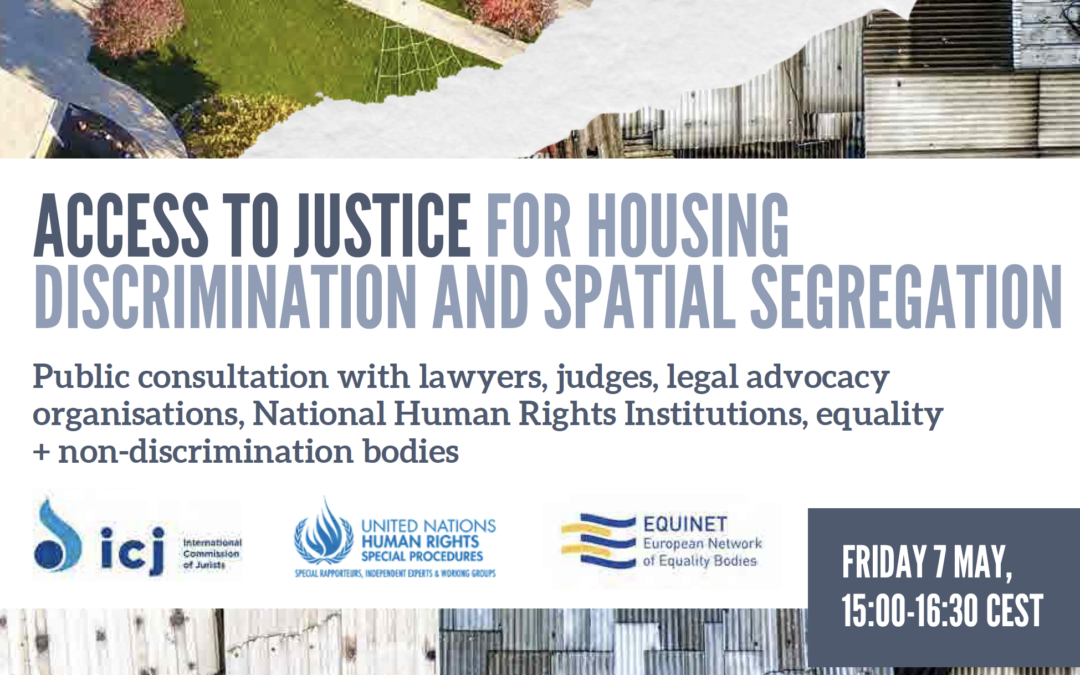
On 7 May, the ICJ will hold a public consultation, together with the UN Office of the High Commissioner of Human Rights and Equinet on Access to Justice for Housing Discrimination and Spacial Segregation.
Featured speakers include Special Rapporteur on the right to housing Balakrishnan Rajagopal; retired Justice Zak Yacoob of the South African Constitutional Court; Supreme Court of India Advocate Vrinda Grover; and Equinet human rights defender Valérie Fontaine
More info here.