Apr 21, 2021 | News
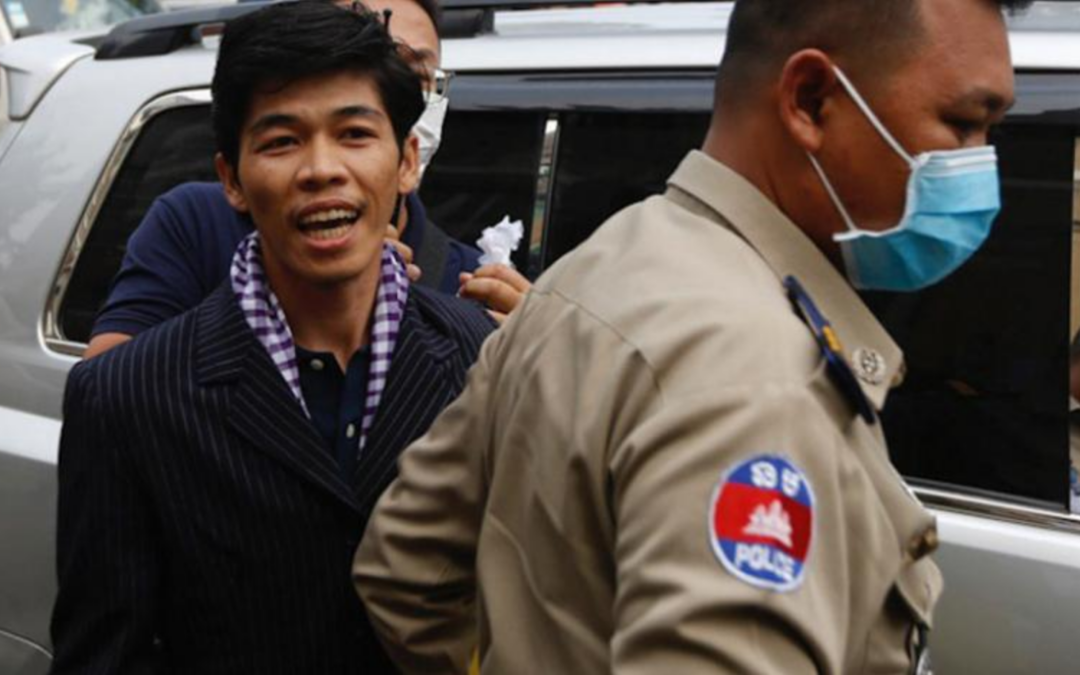
Journalists and media workers face an increasingly repressive legal landscape amidst the COVID-19 pandemic in Cambodia, Thailand and Vietnam, as outlined by the ICJ in a submission to the Office of the United Nations High Commissioner for Human Rights (OHCHR).
“Laws in Cambodia, Thailand and Vietnam that do not comply with human rights law and standards have served to shrink the civic space in which the media operate,” said Sam Zarifi, ICJ’s Secretary General. “This stands to undermine the media’s crucial work in performing their investigative functions and their capacity to impart information to the public.”
The ICJ highlighted in particular how new laws have been enacted in response to the COVID-19 pandemic that aim at or can be used by State authorities to control information about the pandemic. These laws contain provisions incompatible with human rights law and standards as their vague language makes them prone to abuses. In addition, some prescribe excessive sanctions, including severe criminal penalties, which are incompatible with the principles of necessity and proportionality.
The ICJ also underscored how the authorities in the three States continued abusing existing non-human rights compliant laws to arbitrarily restrict information and expression during the pandemic, by targeting journalists and social media users.
Although the ICJ recognizes the necessity to combat the spread of false information online to protect public health during the uncertainty of a pandemic, this objective can and must be carried out using the least intrusive means, rather than unnecessary and disproportionate measures like arrests, detentions, criminal prosecutions and onerous fines.
The submission called for the OHCHR to continue engaging with the relevant authorities in these three countries to better safeguard in law and practice the safety and work of journalists and media workers, and the right to health and right to freedom of expression and information.
This submission is aimed at providing the OHCHR information for a report it is preparing for the UN Human Rights Council pursuant to its Resolution 45/18 on the safety of journalists.
Download
The full submission is available in English here. (PDF)
Contact
Osama Motiwala, ICJ Asia-Pacific Communications Officer, e: osama.motiwala(a)icj.org
See also
ICJ, ‘Southeast Asia: ICJ launches report on increasing restrictions on online speech’, 11 December 2019
ICJ, ‘New ICJ global report shows that the right to health must be central to State responses to COVID-19’, 1 September 2020
ICJ, ‘Vietnam: authorities must act to safeguard rights online and end harassment of those expressing themselves – ICJ new report’, 9 December 2020
Apr 15, 2021 | News
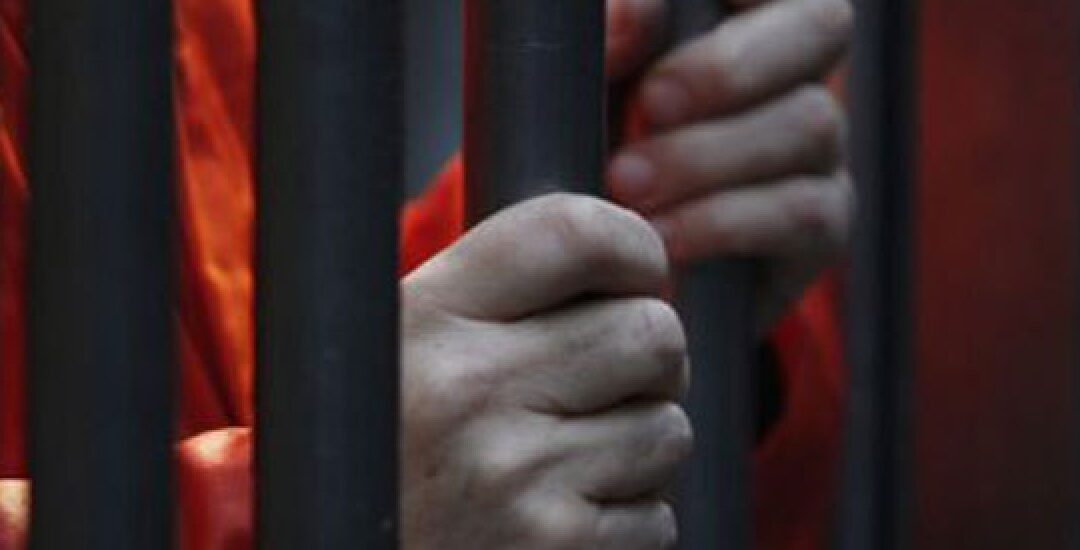
The ICJ today condemned the promulgation by President Gotabaya Rajapaksa of new vague and overbroad anti-terrorism regulations, which make the already deeply flawed Prevention of Terrorism Act (PTA) open to further abuse.
The Prevention of Terrorism (Proscription of Extremist Organisations) Regulations No. 2 of 2021, published by way of Gazette notification on the 13 April 2021, outlaw 11 organisations identified as ‘extremist’ and provides criminal penalties for those accused of various kinds of associations with these and other organizations that may be similarly disfavoured.
A person who acts in contravention of the regulations is liable to a term of imprisonment up to twenty years, while any person who “conspires to commit or attempts, abets or engages in conduct in preparation to commit an offence” may be sentenced to a term of imprisonment of up to ten years.
“These ill-defined offences follow a similar pattern of the Sri Lankan executive unilaterally promulgating abusive regulations in the name of fighting terrorism over the years” said Ian Seiderman. “These latest ones come just a month after the decreeing of the ‘de-radicalisation’ regulations which allow for the Government to arbitrary detain people for up to two years without trial.”
Moreover, the listed acts shall amount to an offence not only in relation to the eleven
identified organizations, but also to any other organisation “representing or acting on behalf of such organisation or is connected with or concerned in such organisation or which is reasonably suspected of being connected with or concerned in any of the activities”. This is in violation of the principle of legality as the State may ex post facto identify any organisation as having associated with the eleven banned organisations.
The ICJ said that the Regulations were in contravention of the guarantees under article 13 of the Sri Lankan Constitution and its international legal obligations under the International Covenant on Civil and Political Rights.
A key precondition to a fair trial recognized internationally is that criminal offences must be prescribed by law and conform to the principle of legality. Vague laws undermine the rule of law because they leave the door open to selective and arbitrary interpretation and prosecution. The vague wording of a law also has an adverse impact on framing of the charge against the accused.
Following the promulgation of the ‘de-radicalisation’ regulations a number of persons belonging to minority communities were reportedly arrested under the PTA, including for ‘spreading Wahhabism via social media’ and ‘promoting terrorism related activities’.
“While the Sri Lankan Government has an obligation to protect its inhabitants from the threat of terrorism, that protection is a part of, and must not be seen in conflict with, its overall duty to protect human rights; ‘threats to national security’ can never be used as a justification for contravening basic standards in relation to freedom from arbitrary arrest”, said Ian Seiderman.
The ICJ has consistently called for the repeal of the Prevention of Terrorism Act, which has been used to arbitrarily detain suspects for months and often years without charge or trial, facilitating torture and other abuse. The ICJ reiterates its call for the repeal and replacement of this vague and overbroad anti-terror law and all regulations brought under it, in line with Sri Lanka’s international obligations.
The UN High Commissioner for Human Rights in her most recent report on Sri Lanka has reiterated the call for a moratorium on the use of the Prevention of Terrorism Act for new arrests until it is replaced by legislation that adheres to international best practices.
Contact
Osama Motiwala, ICJ Asia-Pacific Communications Officer, e: osama.motiwala(a)icj.org
Apr 14, 2021 | Новости, Статьи
Сегодня Международная комиссия юристов (МКЮ) призвала Министерство юстиции и иные компетентные органы Беларуси прекратить практику возбуждения дел в отношении адвокатов в отместку за выполнение ими своих профессиональных обязанностей, а также восстановить тех из них, кто уже лишился адвокатского статуса.
За последние месяцы был отмечен беспрецедентный рост случаев лишения статуса адвокатов на фоне массовых нарушений прав человека в отношении лиц, протестующих против широко обсуждаемых результатов президентских выборов 2020 года, – особенно тех адвокатов, которые заявляют о нарушениях прав человека в отношении своих клиентов. В числе последних случаев – лишение лицензии таких адвокатов, как Константин Михель, Максим Конон, Михаил Кирилюк и Юлия Иванчук.
«В последнее время целая волна уголовных и дисциплинарных дел в отношении адвокатов вызывает серьезную обеспокоенность и представляет собой посягательство на независимость адвокатуры. Подобные дела, будь то уголовные, административные или дисциплинарные, должны быть прекращены или пересмотрены как противоречащие международно-правовым стандартам независимости адвокатуры», – отметил Тимур Шакиров, старший правовой советник Региональной программы МКЮ по Европе и Центральной Азии.
Прослеживается четкая закономерность злоупотребления дисциплинарными процедурами в отношении адвокатов, которые защищают политических оппонентов или тех, кто открыто критикует правительство по вопросам общественной значимости. Дисциплинарное производство в отношении белорусских адвокатов не является независимым от исполнительной власти, так как осуществляется Квалификационной комиссией при Министерстве юстиции.
Примечательно, что в отношении адвоката Дмитрия Лаевского дисциплинарное производство было возбуждено предположительно после его публичных комментариев по готовящемуся законопроекту об изменении законодательства об адвокатской деятельности. Дмитрий Лаевский представлял интересы Виктора Бабарико, одного из лидеров белорусской оппозиции, который в настоящее время находится под стражей, и Максима Знака, бывшего представителя Марии Колесниковой, которая является еще одним из задержанных лидеров оппозиции.
Ранее ряд адвокатов, включая Александра Пыльченко, бывшего представителя Виктора Бабарико и Марии Колесниковой, а также Людмилу Казак, бывшего представителя Марии Колесниковой, были привлечены к дисциплинарной ответственности, и Людмиле Казак был назначен административный штраф в связи с выполнением ею своих профессиональных обязанностей.
Квалификационная комиссия вызвала нескольких адвокатов, отстаивающих права человека, для прохождения переаттестации на осуществление адвокатской деятельности, и они не сдали экзамен. Данная процедура, как представляется, предназначена для тех адвокатов, которые занимаются защитой прав человека, как инструмент преследования и возмездия.
Так, после публичных заявлений, сделанных в СМИ адвокатом Сергеем Зикрацким, который часто представлял интересы белорусских журналистов, адвоката вызвали для прохождения внеочередной переаттестации, которую он не прошел. Экзамен проводила Квалификационная комиссия.
Уголовные дела были возбуждены в отношении адвокатов Ильи Салея и Максима Знака, которые, как представляется, столкнулись с последствиями своей профессиональной деятельности, связанной с защитой интересов лидеров оппозиции Марии Колесниковой и Виктора Бабарико.
«Подобные случаи лишения адвокатского статуса оказывают существенное сдерживающее воздействие на работу адвокатов и подрывают способность адвокатуры отстаивать права человека в отношении своих клиентов в соответствии с международными стандартами, касающимися роли юристов», – добавил г-н Шакиров.
Справочная информация
Международное право и стандарты
В соответствии с Основными принципами ООН, касающимися роли юристов, государственные органы обязаны обеспечивать, чтобы юристы могли выполнять свои профессиональные обязанности в обстановке, свободной от угроз, препятствий, преследования и страха возмездия (Принцип 16). Основные принципы закрепляют, что юристы не должны подвергаться «судебному преследованию и судебным, административным, экономическим или другим санкциям за любые действия, совершенные в соответствии с признанными профессиональными обязанностями, нормами и этикой, а также угрозам такого преследования и санкций» (Принцип 16.c) Они также предусматривают, что юристы не должны отождествляться со своими клиентами и их интересами в результате выполнения своих функций (Принцип 18).
Международные нормы также требуют институциональной независимости адвокатуры. Исполнительный орган профессиональной ассоциации юристов должен избираться ее членами и выполнять свои функции без вмешательства извне (Принцип 24 Основных принципов ООН, касающихся роли юристов).
Apr 13, 2021 | News
Today, the ICJ called on the Belarus Ministry of Justice and other relevant authorities to end the recent practice of using legal proceedings against lawyers in retaliation for discharging their professional duties and to reinstate those already disbarred.
In recent months, in the context of widespread violations of the human rights of those protesting against the outcome of the disputed 2020 presidential election, there has been an unprecedented increase of cases of disbarment of lawyers especially those who comment on violations of the human rights of their clients. Among the most recently disbarred lawyers are Konstantin Mikhel, Maxim Konon, Mikhail Kirilyuk and Yulia Ivanchuk.
“This recent wave of criminal and disciplinary proceedings against lawyers is highly worrying and it constitutes an attack on the independence of the legal profession. These proceedings, be they of criminal, administrative or disciplinary nature, should be discontinued or reconsidered as being contrary to the international human rights law concerning the independence of the legal profession,” said Temur Shakirov, Senior Legal Adviser of the ICJ Europe and Central Asia Programme.
There is a clear pattern of the misuse of disciplinary proceedings against lawyers who represent political opponents of the government or those who openly criticize the government on issues of public significance.
Disciplinary proceedings in Belarus are not independent of the executive, since they are conducted by the Qualification Commission which operates under the Ministry of Justice.
Notably, disciplinary proceedings are pending against lawyer Dmitry Layevski, allegedly following his public comments on a pending Draft Law on advocates’ activities.
Dmitry Layevski is a lawyer representing Victor Babaryko, an opposition leader in Belarus currently in detention, and Maxim Znak, former legal representative of Maria Kolesnikova, another detained opposition leader.
Earlier, a number of lawyers, including Aleksandr Pylchenko, former legal representative of Viktor Babaryko and Maria Kolesnikova, and Lyudmila Kazak, former legal representative of Maria Kolesnikova, faced disciplinary sanctions, and Lyudmila Kazak incurred an administrative fine, as a result of discharging their professional functions.
Several lawyers involved in human rights cases have been called by the Qualification Commission to undergo an examination to re-certify their qualification to practice law and have failed the exam. This procedure appears to target lawyers working to defend human rights, as a means of harassment or reprisal.
For example, following comments in mass media, Sergey Zikraskiy, a lawyer who often represented Belarusian journalists, was called to pass extraordinary re-examination which he failed. The certification is carried out by the Qualification Commission.
Criminal cases are still pending against lawyers Ilya Saley and Maxim Znak, who appear to have suffered consequences as a result of their representation of opposition leaders Maria Kolesnikova and Victor Babaryko.
“These disbarments have a significant chilling effect on work of the legal profession and undermine the ability of lawyers to defend human rights of their clients in accordance with international standards on the role of lawyers,” Shakirov said.
Background
International law and standards
According to the UN Basic Principles on the Role of Lawyers, the State authorities must guarantee that lawyers are able carry out their professional functions without hindrance, intimidation, harassment or fear of retaliation (Principle 16). The UN Basic Principles on the Role of Lawyers affirm that lawyers “shall not suffer, or be threatened with, prosecution or administrative, economic or other sanctions for any action taken in accordance with recognized professional duties, standards and ethics.” (Principle 16.c) They further stipulate that lawyers must not be identified with their clients or their clients’ causes as a result of discharging their functions (Principle 18).
International standards also require the institutional independence of the legal profession. The executive body of the professional associations of lawyers must be elected by its members and must exercise its functions without external interference (Principle 24, The UN Basic Principles on the Role of Lawyers).
Apr 9, 2021 | Editorial, Noticias
Una opinión editorial de Carlos Lusverti, Consultor de la CIJ para América Latina
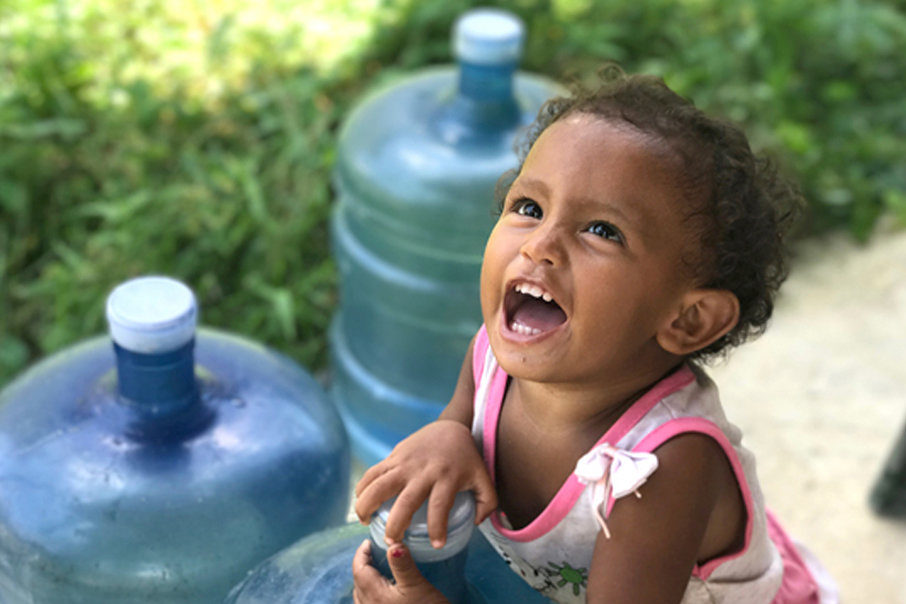
El acceso al agua potable y saneamiento es un derecho humano, sin embargo, millones de personas en Venezuela no tienen este derecho protegido o garantizado.
Una de las más importantes medidas preventivas que la Organización Mundial de la Salud ha recomendado para evitar la trasmisión del virus SARS-CoV2 es el frecuente lavado y desinfección de manos. A pesar de esto, en Venezuela millones de personas no pueden hacerlo.
En 2018, al menos el 82% de la población no recibía servicio continuo de agua y el 75% de los centros de salud públicos informó tener problemas con el suministro de agua. La Comisión Internacional de Juristas (CIJ) ha señalado problemas similares sobre el impacto de la pandemia del COVID-19 en otros lugares del mundo, por ejemplo en India y Sudáfrica, aunque la escasez de agua sigue siendo especialmente aguda en Venezuela.
En 2020, el Observatorio Venezolano de Servicios Públicos informó que el 63.8% de la población consideraba que el servicio de agua era inadecuado para enfrentar la pandemia de COVID-19 y solo el 13.6% de la población en ciudades tenía suministro regular de agua.
La Oficina de la ONU para la Coordinación de Asuntos Humanitarios (OCHA) recientemente informó que varias regiones en Venezuela tenían un acceso limitado al agua, señalando que “existía una necesidad urgente de asegurar una necesidad crítica de garantizar servicios adecuados de agua, saneamiento e higiene en salud, nutrición, instalaciones de educación y protección” (Traducción propia).
Incluso antes del inicio de la pandemia por COVID-19, el país ya estaba enfrentando una “emergencia humanitaria compleja” (una crisis humanitaria donde existe un considerable colapso de la autoridad que en Venezuela no es resultado de un desastre ambiental ni un conflicto armado), donde la falta de acceso al agua afecta al menos 4.3 millones de personas.
Impactos de la falta de agua en un sistema de salud en crisis
El agua es indispensable para el consumo doméstico, para cocinar y limpiar; también es necesaria para la protección efectiva del derecho a la salud, que ocupa un lugar central para frenar la pandemia de COVID-19. Los hospitales y otros establecimientos de salud en Venezuela tienen un acceso limitado al agua y sufren cortes del servicio eléctrico, lo cual afecta a la mayoría de los servicios de salud incluyendo las pruebas sobre COVID-19 y su tratamiento.
De acuerdo con el índice Global de Seguridad Sanitaria que evalúa las capacidades de seguridad sanitaria mundial, Venezuela ocupó el puesto 176 entre 195 países en 2019. Esto evidencia el inmenso problema que tenía el sistema de salud para abordar la devastadora emergencia de salud causada por la pandemia de COVID-19; este problema solo se exacerba por el limitado acceso limitado al agua en los establecimientos de salud.
La escasez de agua en establecimientos de salud contribuye a crear un ambiente insalubre y antihigiénico. Los centros de salud, al igual que los hogares, no pueden ser adecuadamente higienizados debido a la falta de agua y a la carencia de artículos de limpieza.
Esto incrementa drásticamente los riesgos para los trabajadores de la salud, los pacientes y, en consecuencia, para sus familias, así como para la comunidad y el público en general. Algunos servicios de salud críticos, como las instalaciones de diálisis y la cirugía en hospitales públicos, han sido cerrados o restringidos debido a condiciones insalubres, lo que ha venido limitando el acceso a los servicios de salud y ha amenazado el derecho a la salud de las personas en el país.
Human Rights Watch (HRW) ha descrito cómo las restricciones en el acceso al agua en los hospitales se han convertido en un problema creciente desde 2014. Estas restricciones pueden variar desde “fin[es] de semana y, en otras ocasiones, directamente no llega por cinco días”. HRW también encontró que “[l]a negativa a publicar datos epidemiológicos por parte de las autoridades debilita significativamente su capacidad de respuesta ante la pandemia.”
Bajo estas condiciones, los trabajadores sanitarios no pueden atender de forma segura a los pacientes de COVID-19 o disfrutar de su derecho a condiciones seguras e higiénicas de trabajo. De acuerdo con la organización Programa Venezolano de Educación Acción en Derechos Humanos (PROVEA), al menos 332 trabajadores de la salud en Venezuela han fallecido desde el comienzo de la pandemia de COVID-19 debido a la falta de equipos de protección personal y otras medidas sanitarias.
Protestas Públicas
Las compañías estatales encargadas del servicio de agua no publican ninguna clase de informes relacionados con la calidad del agua, a pesar de que las ONG locales les han requerido esa información. A través de los años se han realizado varios proyectos para mejorar la calidad del acceso al agua, algunos con financiamiento de entes internacionales como el Banco Interamericano de Desarrollo, pero las autoridades del país no han dispuesto información pública al respecto. Según Transparencia Venezuela ninguno de estos proyectos está actualmente operativo en el país.
La Alta Comisionada para los Derechos Humanos de Naciones Unidas dijo el 11 de marzo de 2021 que “el acceso a los servicios básicos, como la asistencia médica, el agua, el gas, los alimentos y la gasolina, ya escaseando, se ha visto aún más limitado por el efecto de la pandemia. Esto ha generado protestas sociales y ha agravado la situación humanitaria.”
En 2020, según el Observatorio Venezolano de Conflictividad Social, en medio de la pandemia de COVID-19 y las restricciones de encierro obligatorio, al menos 1833 protestas se realizaron en todo el país reclamando por agua potable. Frecuentemente, las autoridades resolvían estas demandas enviando agua en camiones cisterna.
La frágil situación contribuyó y agravó la falta de acceso al agua potable en el país y las condiciones de vulnerabilidad en las que viven las personas las ha obligado a salir a las calles a reclamar sus derechos en medio de la pandemia. Las protestas públicas en tiempos de pandemia crean riesgos de contraer COVID-19.
Además, en la actual situación de derechos humanos de Venezuela también plantea riesgos de detención arbitraria y uso excesivo de fuerza, que se han vuelto prácticas comunes por parte de las autoridades.
Defendiendo del derecho al agua y al saneamiento en Venezuela
Venezuela es parte del Pacto Internacional de Derechos Económicos, Sociales y Culturales y de la Convención Internacional sobre los Derechos del Niño. Ambos tratados establecen obligaciones relacionadas con el derecho al agua y al saneamiento. El Comité de Derechos Económicos, Sociales y Culturales ha descrito el derecho al agua como “una de las condiciones fundamentales para la supervivencia” y ha aclarado que los Estados deben priorizar el acceso a los recursos hídricos para prevenir “el hambre y las enfermedades“. No cualquier suministro de agua cumple con este estándar: el acceso al agua debe ser “suficiente, salubre, aceptable, accesible y asequible“.
En el contexto de la pandemia de COVID-19, el Comité ha recordado a los Estados que el derecho al agua debe incluir agua, jabón y desinfectante para todos, de forma continua. Por lo tanto, los Estados deben hacer inversiones adecuadas en los sistemas de agua y saneamiento, incluyendo el uso de la cooperación internacional para ese fin, para contrarrestar efectivamente las pandemias mundiales y mitigar el impacto de la pandemia sobre personas que viven en condiciones vulnerables.
La falta de acceso al agua es un problema de larga data en Venezuela. Las autoridades deben combinar la acción de asistencia inmediata con políticas de largo plazo para garantizar el derecho al agua potable y al saneamiento en el país, de acuerdo con estándares internacionales. Esto incluye la existencia de un mecanismo de monitoreo independiente sobre el suministro de agua en el país.
Durante la pandemia de COVID-19, las autoridades venezolanas deben implementar urgentemente políticas de emergencia para suministrar agua potable en todas las áreas con escasez de agua, sin ningún tipo de discriminación. Se debe dar prioridad a la garantía del acceso al agua en los centros de salud y al suministro de jabón, materiales de limpieza y desinfectante para manos.
Finalmente, las autoridades venezolanas deben adoptar políticas transparentes de acceso a la información pública, de manera completa y oportuna, que permitan comprender la situación epidemiológica y los datos sobre la calidad y accesibilidad del agua.
Esta opinión editorial fue originalmente publicada en el Blog de la Fundación para el Debido Proceso “JUSTICIA EN LAS AMÉRICAS”.