Apr 6, 2020 | Feature articles, News
A Feature Article by the Access to Justice for Women Team of the ICJ.
As the COVID-19 pandemic spreads across the globe, many governments are introducing a spectrum of measures to curb the spread of the novel coronavirus, including travel bans, lockdowns, curfews, and school, workplace and border closures.
While it is important that States act decisively in discharge of their obligations to protect the rights to life and health of all people during this pandemic, it is equal that they do so in a human rights compliant manner, so as not to compound the harms brought directly by the virus.
This entails, among other things, acting in a manner that provides equal protection and is non-discriminatory. Complying with these principles requires taking into account gender impacts and providing for gender-specific responses.
However, a number of measures presently being taken by governments around the world to attempt to curb the spread of the virus can be expected to exacerbate pre-existing gender inequalities and therefore disproportionately affect women’s enjoyment of social and economic rights.
Many women who are disabled, refugees, migrants, detainees, living in poverty and or belonging to ethnic, racial, religious or sexual minority groups are experiencing or are likely to experience intersecting forms of discrimination during this time of crisis.
What Does #StayHome Mean to Women?
Lockdowns, quarantines, and school closures to control the pandemic in many countries have a differential effect on women.
Women and girls are most expected to perform caregiving role within families, which means less economic and work opportunities for them and thus denying their basic rights to development.
This condition is worsened if they are being quarantined with an abusive partner as they are exposed to greater risks of intimate partner violence during the outbreak.
Unfortunately, in many places there is a significant lack of guidelines or information on how to contact police, access medical treatment, psychological support, or access to shelters when domestic violence occurs during the pandemic.
In the UK, for example, while 25 organizations helping domestic violence victims have reported an increase in their cases since the surge of the COVID-19 epidemic, one quarter said they could not effectively support victims because of technical issues, inability to meet victims, and staff sickness.
Additionally, with resources already stretched in fighting the spread of the virus, many State authorities may not see as a priority access to comprehensive sexual and reproductive health services for women, which are already restricted by prohibitive laws and customs in many contexts.
This results in significant limitations on women’s rights to menstrual health, maternal health, and safe abortion.
Women at Work
According to the International Labour Organization (ILO), women are over-represented in more affected sectors (such as services) or in occupations that are at the frontline of dealing with the pandemic.
The ILO estimates that 58.6 percent of employed women work in the services sector around the world. Women also have less access to social protection and will bear a disproportionate burden in the care economy, in the case of closure of schools or care systems.
Women migrant workers are also vulnerable to the impact of the COVID-19 crisis, as extensive travel restrictions constrain both their ability to access their places of work in destination countries and return to their families.
Women at the Border: Refugees & Asylum seekers
There is a severe lack of secure, safe and accessible infrastructure and services in most refugee camps and temporary settlements.
Asylum seekers face right now a long wait if the courts are closed due to the pandemic, or worse, being returned to their home country without having a chance to pursue their claims, sometimes in violation of the principle of non refoulement.
As the virus hits overcrowded displacement sites, the consequences can expected be catastrophic. Moreover, in this setting, studies found that women and girls are often exposed to sexual violence and exploitation when they are forced to openly defecate or walk to shared sanitation facilities.
All State Measures to COVID-19 Must Be Gender Responsive
Under the International Covenant on Economic, Social and Cultural Rights (ICESCR), States have duty to achieve the full realization of the right to everyone to the enjoyment of the highest attainable standard of physical and mental health.
The Convention on the Elimination of All Forms of Discrimination against Women (CEDAW) also provides of the obligation of States to take all appropriate measure to eliminate discrimination against women in the field of health care in order to ensure, on a basis of equality of men and women, access to health care services, including those related to family planning.
Furthermore, failure to recognize the gender dynamics of outbreaks limits the effectiveness of response efforts and consequently impedes women’s rights.
In order for the response to disease outbreaks such as COVID-19 to be effective and not reproduce or perpetuate gender and health inequities, it is important that gender norms and roles are identified and incorporated in all socio- economic measures established to counter the pandemic.
Further, the emergency preparedness and response plan must address gender roles, responsibilities, social norms and specific needs of women.
States should also provide new strategies for women victims of domestic violence to be protected during the lockdown.
Governments should include the work of domestic violence professionals an essential service and provide emergency resources for anti-domestic abuse organizations to help them respond to increased demand for services.
They should also consider, alternative means, such as through “pop-up” counseling centers, reporting in pharmacies, to encourage women to report domestic violence.
Governments must ensure all measures to combat the outbreak are gender responsive while being in strict accordance with human rights standards.
While states may limit or derogate from certain rights to meet a public health crisis, such restrictions are always subject to the principles of legality, necessity proportionality and nondiscrimination.
Given that women are often to be found in the more vulnerable categories of informal work, for instance, as domestic workers or self-employed home-based workers, authorities should enhance universal access to collectively-financed health services for all, including uninsured workers and their families.
States must also expand access to collectively-financed paid sick leave, sickness benefits, and parental or care leave to ensure income security for those who are sick, quarantined or caring for children, elderly or other family members.
Moreover, governments should ensure that women asylum seekers, internally displaced persons, and refugees are included in national COVID-19 surveillance, preparedness, and response plans, and ensure that menstrual hygiene, reproductive, and other primary health care commodities are well-stocked and available.
Lastly, perspectives, experiences, and voices of diverse women, including LBTI persons (as enshrined in the Yogyakarta Principles), should be included in decision-making process around the COVID-19 outbreak measures because effective global responses, to public health emergencies must be in line with the rights and needs of affected women.
***
Download the Op-Ed in other languages:
Nepali (PDF)
Tamil (PDF)
Sinhala (PDF)
Indonesian (PDF)
Apr 6, 2020 | News
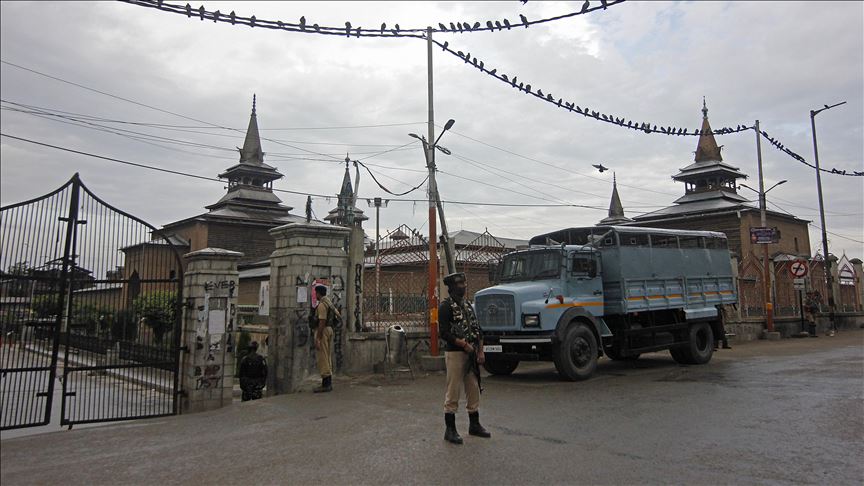
ICJ has joined other NGOs in welcoming steps taken by Indian authorities to decongest prisons in an effort to contain the novel coronavirus (COVID-19). The Government should release all unjustly detained prisoners as a matter of priority.
The joint statement read as follows:
The fate of hundreds of arbitrarily detained Kashmiri prisoners hangs in the balance as the number of confirmed cases of coronavirus in India passes the 4,000 mark and many more are likely to remain undetected or unreported.
Inmates and prison staff, who live in confined spaces and in close proximity with others, remain extremely vulnerable to COVID-19. While the rest of the country is instructed to respect social isolation and hygiene rules, basic measures like hand washing – let alone physical distancing – are just not possible for prisoners.
Under international law, India has an obligation to ensure the physical and mental health and well-being of inmates. However, with an occupancy rate of over 117%, precarious hygienic conditions and inadequate health services, the overcrowded Indian prisons constitute the perfect environment for the spread of coronavirus.
In a bid to contain the spread of the disease among inmates and prison staff, the Supreme Court asked state governments on 23 March 2020 to take steps to decongest the country’s prison system by considering granting parole to those convicted or charged with offenses carrying jail terms of up to seven years.
The United Nations High Commissioner for Human Rights Michelle Bachelet also called on governments to “examine ways to release those particularly vulnerable to COVID-19, among them older detainees and those who are sick, as well as low-risk offenders.”
Various state governments in India have now begun releasing detainees. However, there is a concern that hundreds of Kashmiri youth, journalists, political leaders, human right defenders and others arbitrarily arrested in the course of 2019, including following the repeal of Article 370 of the Indian Constitution on 5 August 2019, will not be among those benefiting from the measure. Article 370 provided special status to Jammu & Kashmir.
Human rights groups and UN experts have repeatedly called for the release as a matter of priority of “those detained without sufficient legal basis, including political prisoners and others detained simply for expressing critical or dissenting views.”
Last month, the Ministry of Home Affairs revealed that 7,357 persons had been arrested in Jammu & Kashmir since 5 August 2019. While the majority have since been released, hundreds are still detained under sections 107 and 151 of the Criminal Procedure Code, the Unlawful Activities (Prevention) Act (UAPA), and the Public Security Act (PSA), a controversial law which allows the administrative detention of any individual for up to two years without charge or trial. Reportedly, many of those still detained are minors.
Many of those detained were transferred to prisons all across India, thousands of kilometers away from their homes, hampering their lawyers’ and relatives’ ability to visit them. Some of the families, often too poor to afford to travel, have been left with nothing but concerns over the physical and psychological well-being of their loved ones.
Mr. Miyan Abdul Qayoom, a human rights lawyer and President of the Jammu & Kashmir High Court Bar Association, was also cut off from his family and lawyer. Detained since 4 August 2019 in India’s Uttar Pradesh State, he was transferred to Tihar jail in New Delhi following a deterioration of his health. Mr. Qayoom, 70, suffers from diabetes, double vessel heart disease, and kidney problems.
Mr. Ghulam Mohammed Bhat was also transferred to a jail in Uttar Pradesh. In December 2019, he died thousands of kilometers away from his home at the age of 65 due to lack of medical care.
With the entire country in a lockdown and a ban on prison visits for the duration of the outbreak imposed, inmates are more isolated from the outside world than ever. In such a situation, prison authorities must ensure that alternative means of communication, such as videoconferencing, phone calls and emails, are allowed. However, this has not often been the case. Especially in Jammu & Kashmir, where full internet services are yet to be restored after a communication blackout imposed on the population on 5 August 2019, contacts between inmates and the outside world are even more limited.
- Amnesty International India
- Asian Forum for Human Rights and Development (FORUM-ASIA)
- CIVICUS: World Alliance for Citizen Participation
- International Commissions of Jurists (ICJ)
- International Federation for Human Rights (FIDH)
- World Organisation Against Torture (OMCT)
To download the statement with detailed information and key recommendations, click here.
Apr 6, 2020 | Feature articles, Multimedia items, News, Video clips
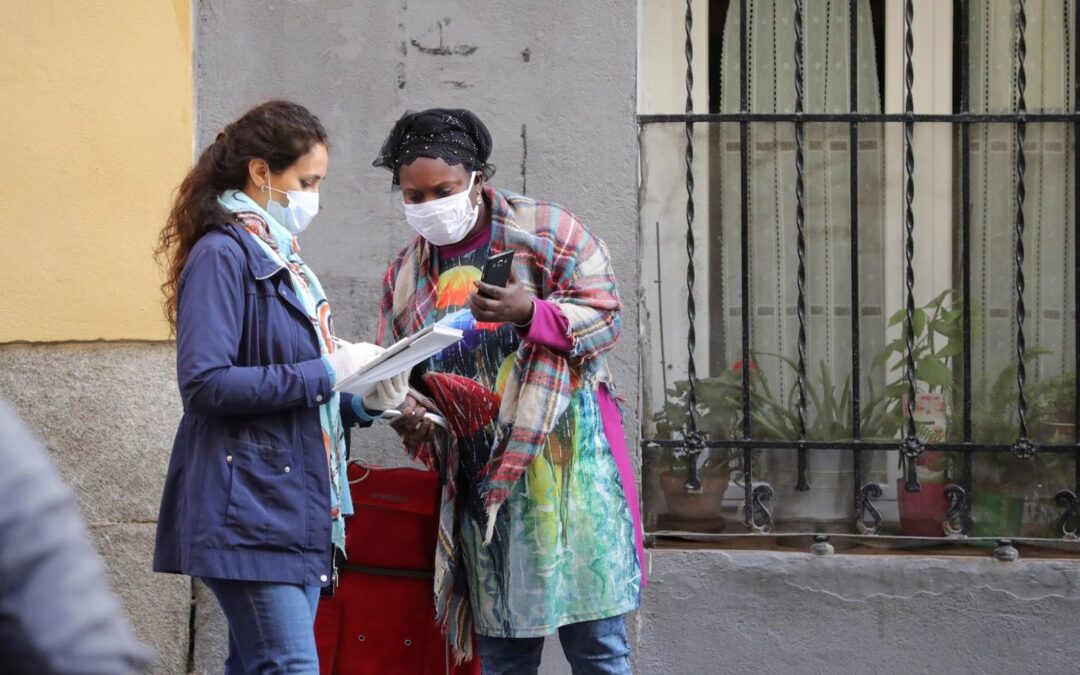
As of 8:00am CET this morning, the Coronavirus COVID-19 Global Cases tracker by the Center for Systems Science and Engineering at Johns Hopkins University in the US recorded 169,049,480 confirmed cases of individuals who had contracted the COVID-19 disease in 192 countries, and 3,513,137 people who had succumbed to the virus. Read all the ICJ articles on the crisis.
Against this background, the aim of this blog is to highlight the necessity of ensuring the consistency of public health policies taken as part of the global responses to the COVID-19 pandemic with human rights law and standards.
As outlined in a prescient 2019 Lancet Commission report – The legal determinants of health: harnessing the power of law for global health and sustainable development – the law, and a firm commitment to the rule of law, play a critical role in the pursuit of global health with justice.
Ultimately, scientifically sound, evidence-based, human rights compliant, transparent and accountable public health policies and practices will also be more effective, as they will, in turn, elicit greater public support, including by prompting greater adherence to public health policy directives imposing restrictive measures on human rights.
As Michelle Bachelet, the UN High Commissioner for Human Rights recently affirmed, ‘COVID-19 is a test for our societies, and we are all learning and adapting as we respond to the virus. Human dignity and rights need to be front and centre in that effort, not an afterthought’.
China, where cases of COVID-19 were first documented, has been questioned from inside and outside for its response to the crisis, at first attempting to shut down information about the virus, leading to arrests and detentions. Outside China, while some COVID-19 health policies have been evidence-based, such as scaled-up, accurate testing for suspected cases, others are ineffective and overly broad, increasing stigmatization and misinformation.
Around the world, people of Asian descent have been subjected to xenophobia, stigmatization and racist attacks. Moreover, many States have now imposed extensive travel restrictions or even blanket travel bans; some have gone as far as using the COVID-19 pandemic as a pretext to promote their xenophobic and anti-asylum agenda and have now shut down their borders to refugee claimants, thereby flouting the right of anyone to seek asylum from persecution in other countries.
In a frontal attack against women’s human rights, in Texas and Ohio, the authorities have moved to ban healthcare providers from performing abortions in most circumstances – purporting to do so to respond to the global COVID-19 crisis. There is also a world of false information on COVID-19. For instance, Indonesia’s health minister suggested that Islamic prayers shielded people from the virus.
To foster scientifically accurate, human rights compliant global health responses – including to events such as the COVID-19 pandemic – it is crucial to enhance dialogue between the public health and human rights sectors. A good place to start framing a productive exchange in this respect is to take a close and simultaneous look at the International Health Regulations (IHR (2005)) – an agreement among 196 WHO Member States to work together for global health security – and to the Siracusa Principles on the Limitation and Derogation Provisions in the International Covenant on Civil and Political Rights (the Siracusa Principles), setting out criteria to determine the lawfulness of measures restricting or otherwise limiting human rights taken by States to respond to – among other things – public health emergencies.
International Health Regulations & Travel Restrictions
Article 3(1) of the IHR (2005), setting out the principles informing the regulations, recalls that, ‘[t]he implementation of these Regulations shall be with full respect for the dignity, human rights and fundamental freedoms of persons’. And, perhaps tellingly, in Article 32, concerning the treatment of travellers, the IHR proclaim, among other things, that, ‘[i]n implementing health measures under these Regulations, States Parties shall treat travellers with respect for their dignity, human rights and fundamental freedoms’.
Notwithstanding the express human rights obligations enshrined in the IHR, current public policy responses to the ongoing crisis – and even public discourses around those responses – make very few, if any, direct references to human rights and, in fact, seem to be oblivious to the impact that measures taken and/or considered in the response to COVID-19 have on human rights.
But the IHR, as noted in a recent piece by Roojin Habibi et al, restrict ‘the measures countries can implement when addressing public health risks to those measures that are supported by science, commensurate with the risks involved, and anchored in human rights. The intention of the IHR is that countries should not take needless measures that harm people or that disincentivise countries from reporting new risks to international public health authorities’.
Siracusa Principles
The 1985 Siracusa Principles provide a good basis to flesh out what a human rights compliant public health response to the COVID-19 pandemic must entail. They detail criteria – by now firmly enshrined in international human rights law and standards – to determine the lawfulness of State measures restrictive of human rights.
According to the Siracusa Principles, for instance, when a State invokes public health as a ground for limiting certain rights, its actions ‘must be specifically aimed at preventing disease or injury or providing care for the sick or injured’. Even in circumstances when it is undeniable that a public health emergency may threaten the life of a nation, the Siracusa Principles reaffirm the obligation of States to ensure that any public health response to such an emergency be rooted in and compatible with human rights law and standards. Importantly, the Principles provide further interpretive guidance to States, proclaiming that restrictions on human rights may be justifiable only when they are:
- provided for and carried out in accordance with the law;
- based on scientific evidence;
- directed toward a legitimate objective;
- strictly necessary in a democratic society;
- the least intrusive and restrictive means available;
- neither arbitrary nor discriminatory in application;
- of limited duration; and
- subject to review.
The final condition – that State action be subject to review – is critical. Analogous requirements can be seen in other areas of international law. In the asylum and refugee context, for example, detention guidelines promulgated by the United Nations High Commissioner for Refugees emphasize that confinement on health grounds beyond an initial medical check must be subject to judicial oversight. Similarly, the Human Rights Committee’s General Comment no. 35 makes clear that the International Covenant on Civil and Political Rights ‘entitles anyone who is deprived of liberty by arrest or detention’ to take their case before a court to decide on ‘the lawfulness of detention’, enshrining the principle of habeas corpus.
The General Comment adds that this right also applies to house arrest, as a form of deprivation of liberty. Of course, whether involuntary home confinement constitutes deprivation of liberty – entitling those subjected to such a measure to challenge the lawfulness of their detention before a court – is a question of fact, depending, in turn, on the degree of the physical confinement imposed. Voluntarily choosing to stay at home in response to State authorities’ exhortation to do so, on the other hand, does not constitute deprivation of liberty.
Furthermore, any State action must comply with the rule of law and should respect the separation of powers. Neither the executive nor public health authorities should be immune from having their actions legitimately scrutinized by other branches of the State, namely, the legislature and the judiciary. Checks and balances are necessary to ensure respect for human rights and for democratic legitimacy.
In conclusion, both the IHR (2005) and the Siracusa Principles remind us of the fact that State responses to global public health emergencies cannot be unfettered, and must comply with States’ human rights obligations. Public responses to health emergencies and human rights need not be in conflict – indeed, grounding States’ public health measures in the human rights framework provides the most effective way to advance global health with justice.
The Lancet Commission report suggests one way to further identify human rights and rule of law compliant measures in the current and future global public health policy response. The report calls for a partnership between ‘legal and health experts to create an independent standing commission on global health and the law’ that would propose ‘evidence-based legal interventions for addressing major global health challenges, reforms of the global health architecture and international law, and strategies to build and strengthen global and national health law capacities’.
We should heed that call.
(Article written by Sam Zarifi and Kate Powers)
Read also
Indonesia: trans women face discrimination in access to Covid-19 vaccines
Nepal: seeking a rights-based approach to healthcare
European Union and India: leaders should use meeting to demonstrate commitment to defending rights and combating Covid-19 pandemic
The unvaccinated: equality not charity in Southern Africa – new ICJ report
Indian government fails to protect right to life and health in second wave of COVID-19 Pandemic
Journalists and media platforms at increased risk in Cambodia, Thailand and Vietnam during the COVID-19 pandemic
Venezuela: lack of access to safe water aggravates the COVID-19 pandemic
Covid-19: applying human rights standards to ensure corporate accountability in the context of COVID-19 vaccine access
Vaccine patents: healthy or harmful?
ICJ calls on States to ensure human rights compliant access to COVID-19 vaccines (UN Statement)
Peru: the COVID-19 vaccine demands international and national solidarity
Harmonizing global health law and human rights law to develop rights-based approaches to global health emergencies
The ICJ and ZimRights ask for urgent intervention on access to COVID-19 vaccines from African Commission Mechanism
ICJ urges the UN Committee on Economic, Social and Cultural Rights to call on States to comply with their obligations to ensure equitable access to vaccines for all
The ICJ recommends that the African Union acknowledge COVID-19 vaccines are a “public good”
ICJ Covid-19 end of year compassion appeal
Indonesia: ICJ addresses open letter to COVID-19 Mitigation Task Force calling for special measures to protect women workers in its pandemic response
Women facing health risks and gender-based violence in Venezuela
Sri Lanka: Mahara prison killings must be properly investigated and urgent measures taken to protect detainees from COVID-19
COVID-19: ICJ publishes global guidance on the use of videoconferencing in judicial proceedings
Nepal: ICJ briefing paper outlines shortcomings in protecting the right to health during COVID-19 pandemic
Thailand: need to protect the right to health of the most marginalized highlighted in public seminar on human rights and the COVID-19 Pandemic
Sri Lanka: vulnerable groups pay the price for militarization of COVID-19 response
Lesotho: ICJ Webinar highlights COVID-19 adverse pandemic impacts on the right to equal education of children with disabilities
At UN, ICJ highlights human rights approach to COVID-19
New ICJ global report shows that the right to health must be central to State responses to COVID-19
Central Asia: ICJ calls on Central Asian States to ensure access to justice during the COVID-19 pandemic
Tajikistan: online workshop on access to justice in the times of COVID-19
India: ICJ Commissioner Justice Ajit Prakash Shah discusses the responsibility of the Courts in upholding human rights during COVID-19 pandemic
EU: the impact of COVID-19 on human rights of migrants and refugees
Israel: ensure full compliance with the International Covenant on Civil and Political Rights – new briefing paper
COVID-19: ICJ calls on African States to protect women from escalating sexual and gender based violence
ICJ briefing paper on the impact of anti-COVID-19 pandemic measures on access to justice in CIS countries
Facebook, Twitter and social media in times of COVID 19 and #BlackLivesMatter
Rights of judicial proceedings’ participants must be protected in Tunisia following COVID-19 lockdown
ICJ Covid-19 Emergency Appeal: donate now!
ICJ webinar highlights difficulties in responding to gender based violence during the Covid-19 pandemic (watch below)
The right to water in India and the COVID-19 crisis – ICJ Briefing Paper
In solidarity with the stateless
Kazakhstan: online conference on law and human rights during the COVID-19 pandemic
COVID-19 pandemic exposes India’s housing crisis – ICJ Briefing Paper
COVID-19: NGOs emphasize role of independent UN human rights experts
COVID-19: Myanmar’s ongoing Internet shutdown and hostilities threaten right to health
Judiciaries during COVID-19: South American experience
South Africa: ICJ calls on authorities immediately ensure the end of all evictions and protect the livelihoods of all
India on the brink of Hunger Crisis during COVID-19 Pandemic, warns ICJ Briefing Paper
Philippines: upholding human rights during a state of public health emergency
European Union: ICJ joins call for urgent EU response to Hungary’s COVID-19 emergency law
COVID-19: Indian authorities must act immediately to protect internal migrant workers stranded under intolerable conditions
Amid COVID-19 crisis, Polish parliament must reject regressive proposals on sexual and reproductive rights
Myanmar: Government must lift online restrictions in conflict-affected areas to ensure access to information during COVID-19 pandemic
ICJ joins in highlighting COVID-19 human rights issues at Human Rights Council
European governments must ensure safe and timely access to abortion care during the COVID-19 pandemic
Colombia: COVID-19 policies should include conflict-related measures, especially for human rights defenders
Cambodia: State of Emergency bill violates the rule of law
ICJ Guidance on the Courts and COVID-19
South Africa: authorities must work urgently to curb gender-based violence under lockdown
State measures to address COVID-19 must be gender responsive
COVID-19: the ICJ publishes a briefing paper on promoting non-citizens’ right to work in South Africa
New Zealand: unprecedented lockdown should be carefully monitored
Guatemala: the ICJ urges the Government to protect the rights of indigenous people against COVID-19
You can’t fight the virus when you live in poverty
COVID-19: Use of digital surveillance technologies must be human rights compliant
Southeast Asia: States must respect and protect rights in combating misinformation online relating to COVID-19
Turkey : ICJ urges extension of alternatives to detention for prison population amid COVID-19 crisis
COVID-19 pandemic: Zimbabwe must act urgently to protect the right to health of inhabitants
South Africa: authorities must take immediate measures to protect social and economic rights before nationwide lockdown commences
Thailand: measures under the Emergency Decree to address the COVID-19 outbreak must conform to international law
COVID-19: urgent measures must be taken by MENA governments to protect the prison population
Hungary : Parliament should not pass COVID-19 permanent emergency powers Bill
Read ICJ legal blogs on OpinioJuris
The COVID-19 measures impact on the rights of migrants and refugees in the EU: access to the right to seek asylum and reception and living conditions
The Right to Health in the Occupied Palestinian Territory during the COVID-19 Pandemic
The right to social security: navigating the narrow passage between virus suppression and economy resuscitation
A Radical Shift in Libyan and International Priorities is Necessary to Protect Health and Save Lives in Libya (+ Arabic version)
Gender Based Violence during the COVID-19 Pandemic and economic, social and cultural rights
The Right to Health of Venezuelans in Colombia: From Policy to Practice (Part 2)
The Right to Health of Venezuelans in Colombia: From Principle to Policy (Part 1)
COVID-19 Symposium: The Use of Criminal Sanctions in COVID-19 Responses – Enforcement of Public Health Measures, Part II
COVID-19 Symposium: The Use of Criminal Sanctions in COVID-19 Responses – Exposure and Transmission, Part I
COVID-19 Symposium: The Courts and Coronavirus (Part II)
COVID-19 Symposium: The Courts and Coronavirus (Part I)
COVID-19 Symposium: COVID-19 Responses and State Obligations Concerning the Right to Health (Part 2)
COVID-19 Symposium: COVID-19 Responses and State Obligations Concerning the Right to Health (Part 1)
Watch video interviews
Frederick Rawski, Director of ICJ’s Asia & Pacific Programme talks with ICJ Commissioner and former Chief Justice of the High Court of Delhi, Ajit Prakash Shah about the role of the Indian judiciary as “protector of Indian people” in the context of the Covid-19 epidemic.
ICJ Director of Media & Communications Olivier van Bogaert talks with ICJ President Robert Goldman about the COVID-19 situation in the USA and its impact on human right and the rule of law. They also discuss the killing of George Floyd.
ICJ Senior Legal Adviser Massimo Frigo (Europe Programme) talks with ICJ Vice-President Radmila Dragicevic Dicic about the COVID-19 situation in Serbia:
ICJ Senior Legal Adviser Massimo Frigo (Europe Programme) talks with prominent judge of the Tribunal of Milan, Martina Flamini about Italy, the European country that has been first hit by the COVID-19 pandemic.
ICJ Director of Media & Communications Olivier van Bogaert talks with ICJ Commissioner Belisário dos Santos Júnior about the COVID-19 pandemic in Brazil and the health, political and judicial crisis that it triggered.
ICJ Senior Legal Adviser Massimo Frigo (Europe Programme) talks with prominent human rights lawyer Zia Oloumi about France’s Rule of Law and Human Rights during COVID-19:
ICJ Communications Officer Shaazia Ebrahim talks with ICJ Legal Adviser Khanyo Farisè about the gendered impact of COVID-19 in Southern Africa.
ICJ Senior Legal Adviser Massimo Frigo (Europe Programme) talks about Poland with prominent human rights lawyer, Maria Ejchart-Dubois:
ICJ Senior Legal Adviser Massimo Frigo (Europe Programme) talks about Kazakhstan with ICJ Legal Consultant Dmitriy Nurumov.
ICJ Communications Officer Shaazia Ebrahim talks with ICJ Legal Adviser Tim Fish Hodgson about how COVID-19 has impacted socio-economic rights in South Africa:
ICJ Senior Legal Adviser Massimo Frigo (Europe Programme) talks about Uzbekistan with ICJ Legal Consultant Dilfuza Kurolova.
ICJ Senior Legal Adviser Massimo Frigo (Europe Programme) talks with Turkish lawyer and ICJ Legal Consultant Kerem Altiparmak:
ICJ Communications Officer Shaazia Ebrahim talks to ICJ Legal Adviser Justice Mavedzenge about COVID-19 and human rights issues in Zimbabwe:
ICJ Communications Officer Shaazia Ebrahim talks to Arnold Tsunga, Director of ICJ Africa Programme:
ICJ Senior Legal Adviser Massimo Frigo (Europe Programme) talks with Carolina Villadiego Burbano, ICJ Legal and Policy Adviser for Latin America, about COVID-19 and human rights issues in Colombia:
ICJ Commissioner Justice Kalyan Shreshta talks about the COVID-19 situation in Nepal:
Which answers from economic and social rights to the COVID-19 pandemic? ICJ Senior Legal Adviser Massimo Frigo (Europe Programme) talks with ICJ Legal Adviser Tim Fish Hodgson (Africa Programme)
Follow webinars
The ICJ brought together first responders from Asia and the Pacific, the Middle East and Africa to discuss how they were responding to #GBV during the #COVID19 pandemic.
Additional links
Nina Sun and ICJ Senior Legal Adviser Livio Zilli talk about Criminalization & COVID-19: Public Health and Human Rights Implications
Apr 6, 2020 | Advocacy, Analysis briefs, News
The briefing paper is published today in the context of significant uncertainty and distress experienced by migrant workers, refugees, asylum seekers, stateless people and other non-citizens in South Africa as a result of the COVID-19 pandemic and the measures that the authorities have taken with the stated aim of responding to it.
“All people residing in South Africa have the right to work and in earn a living in the country under international human rights law. The Government of South Africa should guard against laws, policies and public statements that discriminate against non-citizens especially during the public health emergency caused by COVID-19. Lockdown regulations and directions must be conceived and implemented in a way that fully enables all migrant workers performing essential services, including informal traders, waste reclaimers and shop owners to operate on an equal basis with South African citizens,” said Arnold Tsunga, the ICJ’s Africa Director.
The ICJ has previously condemned discriminatory statements made about non-citizen owners of “spaza shops” made by Minister Khumbudzo Ntshavheni in the context of COVID-19, and called on President Ramaphosa to publically repudiate these statements.
The briefing paper, which was produced in consultation with domestic, South African human rights organizations: the Socio-Economic Rights Institute and Lawyers for Human Rights, sets out the following clear principles of international human rights law regarding non-citizens’ right to work in South Africa:
- Everyone, regardless of citizenship status, has the right to work in South Africa under, among others, the International Convention on Economic, Social and Cultural Rights and the African Charter on Human and People’s Rights;
- This right to work, which is binding on South Africa, adds to the government’s constitutional obligations in terms of rights at work or the “right to fair labour practices”;
- The right to work protects both formal and informal workers, including non-citizens, in accordance with ILO Recommendation 204 and the General Comments of the Committee on Economic, Social and Cultural Rights;
- The right to work applies to non-citizens irrespective of their documentary status in South Africa;
- No restrictions on the “core” obligations placed on states in terms of the right to work, as set out by the Committee on Economic, Social and Cultural Rights, are permissible;
- Restrictions or limitations on the right to work are permissible if they are set out in clearly in legislation, in pursuit of a legitimate objective, and are reasonable and proportionate taking into account the need to protect human dignity consistently with international human rights law and the Constitution;
- Any restrictions on non-citizens’ rights to work should be administrative (such as requiring permits or documentation), rather than substantive or categorical, otherwise they are likely to amount to prohibited forms of discrimination in terms of international and South African law; and
- Any administrative process designed by the State in this regard must be reasonable and proportionate and geared towards facilitating non-citizens ability to work in SA instead of limiting them.
Contact:
Tim Fish Hodgson, ICJ Legal Adviser, e: tim.hodgson(a)icj.org ; c: +2782871990
Shaazia Ebrahim, ICJ Media Officer, e: shaazia.ebrahim(a)icj.org ; c: +27716706719
Download
South Africa-Non Citizens Right to Work-Advocacy-Analysis Brief-2020-ENG (full paper in PDF)
Apr 3, 2020 | Comunicados de prensa, Noticias
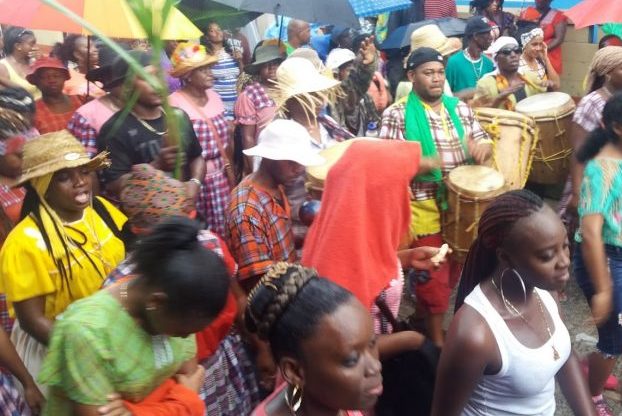
Miles de personas pertenecientes a los Pueblos Indígenas de Guatemala (Mayas, Garífunas y Xincas), corren el riesgo de ser víctimas de la pandemia COVID-19, si el Gobierno no les provee, de manera inmediata, la información necesaria y les asegura el acceso a un adecuado servicio de salud, sin discriminación, afirmó hoy la CIJ.
“Los Pueblos Indígenas de Guatemala, enfrentan el riesgo de sufrir los efectos destructivos de la pandemia COVID-19, debido a la discriminación histórica y sistemática en su contra; lamentablemente, en la actual crisis, los Pueblos Indígenas no tienen acceso a información clara y sencilla, para saber cómo protegerse de la pandemia y cómo ser protegidos durante la emergencia, por el Sistema de Salud”, afirmó Ramón Cadena, Director de la CIJ para Centroamérica.
“Las comunidades indígenas que más podrían sufrir los efectos de la pandemia, son aquellas que sufren el abandono absoluto del Estado de Guatemala y viven en extrema pobreza en la frontera con México en el norte y occidente del pais”, añadió.
La CIJ requirió a las autoridades del Gobierno de Guatemala, que garanticen que fluya información clara sobre medidas concretas de salud pública, en los idiosmas Mayas (Ixil, Quiché, Mam, Q´eqchí, Kakchiquel, Canjobal, Chuj y otros), así como en los idiomas Garífuna y Xinca.
Durante la pandemia, el Estado de Guatemala no ha tomado en cuenta las dificultades (financieras, geográficas, tecnológicas y barreras lingüisticas) que enfrentan los Pueblos Indígenas, en lo que respecta al acceso a la información. Por el otro lado, la CIJ ha observado que la información sobre las medidas gubernamentales para enfrentar la pandemia, ha sido comunicada en forma muy limitada.
Los Pueblos Indígenas han sido excluidos del Sistema Oficial de Salud, por la discriminación de que son objeto y por la falta de recursos gubernamentales que se invierten en el Sistema de Salud, luego de los procesos de privatización de los servicios sociales, que se han venido implementando a partir de la firma de los Acuerdos de Paz.
“La debilidad del Sistema de Salud Pública, la prevalencia del racismo existente desde siglos atrás y la marcada desigualdad que sufren los Pueblos Indígenas, agravan aún más el impacto potencial que el Corona virus y la pandemia podrán tener en los Pueblos Indígenas”, afirmo Cadena.
La CIJ insta al Estado de Guatemala a tomar las medidas legislativas, administrativas y judiciales necesarias para preservar los derechos humanos de los Pueblos Indígenas durante la presente emergencia y específicamente, para preservar el derecho a la salud, a la alimentación y a la vivienda; asímismo, para garantizar una vida digna a los Pueblos Indígenas, libres de cualquier amenaza a sus derechos civiles y políticos.
“Todas las medidas que el Gobierno implemente para mitigar los efectos de la pandemia, deben ser estrictamente necesarias, legítimas, proporcionadas y temporales”, afirmó Cadena.
“Hay algunas garantías como el derecho a la Reparación y el Derecho de Acceso a la Justicia, que no pueden limitarse ni suspenderse en ninguna circunstancia, ya que son vitales para que las y los ciudadanos, incluidos los Pueblos Indígenas, puedan defender sus derechos. Tomando en cuenta que la presente pandemia afecta el Sistema Legal en diferentes formas, el Gobierno de Guatemala tendrá que tomar medidas específicas para evitar la discriminación en contra de los Pueblos Indígenas y para garantizar el Derecho de Acceso a la Justicia, durante la pandemia”, finalizó Cadena.