Sep 12, 2016 | News
The Thai junta’s Order today phasing out the prosecution of civilians in military courts is a welcome step but the military government must do much more to comply with its international human rights obligations, said the ICJ today.
Head of the National Council for Peace and Order (NCPO) Order 55/2016, dated 12 September 2016 and issued under Article 44 of the Interim Constitution, phases out the heavily criticized practice of prosecuting civilians before military courts for four categories of offences, including offences against internal security; violation of NCPO orders; possession and use of war weapons; and the highly punitive offence of lese majeste.
The Order only applies to offences committed from the date the Order comes into force – today – and not to past or pending cases.
Since the May 2014 coup, at least 1,811 civilians have been tried in Military Courts, based on information the Judge Advocate General’s Department (JAG) provided to Thai Lawyers For Human Rights (TLHR) in July 2016 and covering the period 22 May 2014 to 31 May 2016.
“Almost 2,000 civilians have faced an unjust process and unfair trials before military tribunals, many of whom were prosecuted simply for exercising their rights to freedom of expression and assembly,” said Sam Zarifi, Asia Director at the ICJ. “All pending cases should be transferred to civilian courts and the convictions of all civilians prosecuted in military courts since the 2014 coup should be set aside.”
Head of the NCPO Order 55/2016 also explicitly affirms that the deeply problematic Head of the NCPO Orders 3/2015 (which replaced nationwide Martial Law on 1 April 2015) and 13/2016 shall remain in force.
These Orders prohibit the gathering of more than five people for political purposes; allow for the detention of civilians in military facilities for up to seven days without charge; and provide appointed “Prevention and Suppression Officers” and their assistants, drawn from the commissioned ranks of the Armed Forces, including the paramilitary Ranger Volunteers, with wide-ranging powers to prevent and suppress 27 categories of crimes including against public peace, liberty and reputation, immigration, human trafficking, narcotics, and weapons. The ICJ considers that these orders are not in accordance with Thailand’s international human rights obligations
“Its now crucial for the military to return responsibility for law enforcement to civilian authorities, and ensure they are properly trained and competent,” Zarifi said. “We hope today’s Order is a step toward returning Thailand to the rule of law and respect for human rights.”
Background
Clause 3 of Head of the NCPO Order 55/2016 notes “As appropriate, the Prime Minister may propose to the National Council for Peace and Order to amend this Order.”
Previously, NCPO Announcements 37/2014, 38/2014 and 50/2014 extended the jurisdiction of Thailand’s military courts to four categories of offences, including offences against internal security, violation of NCPO orders, possession and use of war weapons, and lese majeste.
The prosecution of civilians in military courts is inconsistent with Article 14 of the International Covenant on Civil and Political Rights (ICCPR) – to which Thailand is a State Party – which affirms that everyone has the right to a “fair and public hearing by a competent, independent and impartial tribunal established by law.”
The Principles Governing the Administration of Justice through Military Tribunals sets out principles that apply to state use of military tribunals. Principle 5 states “Military courts should, in principle, have no jurisdiction to try civilians. In all circumstances, the State shall ensure that civilians accused of a criminal offence of any nature are tried by civilian courts.”
Contact:
Sam Zarifi, ICJ Asia Pacific Regional Director (Bangkok), t: +66 807819002; e: sam.zarifi(a)icj.org
Kingsley Abbott, ICJ Senior International Legal Adviser, t: +66 9 4470 1345, e: kingsley.abbott(a)icj.org
Download:
thailand-unofficial-translation-head-of-ncpo-order-55_2559-advocacy-2016-eng (full text of Order in English, PDF)
thailand-ncpo-order-55_2559-news-2016-tha (full text of news in Thai, PDF)
Read also:
Thailand: transfer all civilians to civilian courts
Thailand: end prosecution of civilians in military tribunals
Sep 6, 2016 | Новости, Статьи
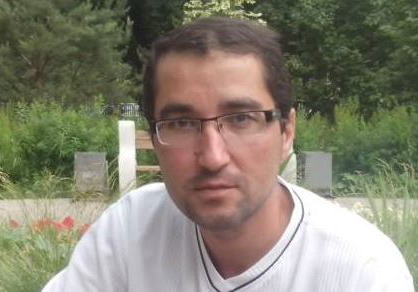
МКЮ выражает сожаление в связи с задержанием и арестом, по спорному обвинению, адвоката из Таджикистана Джамшеда Ёрова.
Адвокат был задержан 22 августа 2016 года и помещен под стражу на два месяца в следственный изолятор г. Душанбе.
Его обвиняют в «раскрытии государственной тайны» по статье 311 часть 1 Уголовного кодекса Таджикистана.
Джамшед Ёров был задержан в понедельник, 22 августа 2016 года. На следующий день Ёров позвонил родственникам, которым сообщил, что находится в полиции под арестом и что его допрашивают в связи с предположительной публикацией в интернете текста засекреченного приговора.
Данный приговор был вынесен по делу тринадцати руководителей и трех членов Партии исламского возрождения Таджикистана (ПИВТ), которые 2 июня 2016 года были приговорены к различным срокам лишения свободы, вплоть до пожизненного.
Джамшед Ёров был защитником Махмадали Хаита, одного из руководителей ПИВТ, получившего пожизненный срок.
МКЮ обеспокоена тем, что решение об аресте Джамшеда Ёрова может быть реакцией на законное осуществление адвокатом своих профессиональных функций по защите Хаита.
Любые подобные неправомерные действия противоречили бы фундаментальному правилу верховенства закона, отраженному в Основных принципах ООН, касающихся роли юристов, в соответствии с которым адвокаты не должны отождествляться со своими клиентами или интересами своих клиентов в результате выполнения ими своих функций.
Кроме того, адвокаты должны иметь возможность выполнять все свои профессиональные обязанности в обстановке, свободной от угроз, препятствий, запугивания или неоправданного вмешательства.
Основные принципы ООН устанавливают, что адвокаты не должны подвергаться судебному преследованию и судебным, административным, экономическим или другим санкциям за любые действия, совершенные в соответствии с признанными профессиональными обязанностями, нормами и этикой, а также угрозам такого преследования и санкций.
МКЮ призывает власти Таджикистана к соблюдению всех международно-правовых обязательств Таджикистана по защите прав человека, в том числе права на справедливое судебное разбирательство, в отношении Джамшеда Ёрова.
В соответствии с правом на свободу, закрепленным в статье 9 Международного пакта о гражданских и политических правах (МПГПП), досудебное содержание под стражей может применяться лишь в исключительных случаях, в качестве крайней меры, и при любых обстоятельствах у соответствующего лица должна иметься возможность ходатайствовать об освобождении под залог.
При производстве по делу Джамшеда Ёрова необходимо всячески принимать во внимание его профессиональные обязанности защитника, а также следует обеспечить, чтобы он не подвергался уголовным или административным санкциям за выполнение своих обязанностей.
МКЮ также обеспокоена тем, что арест адвоката предположительно связан с публикацией «секретного» приговора.
Пункт 1 статьи 14 МПГПП, которая гарантирует право на справедливое судебное разбирательство, предусматривает, что любое судебное постановление должно быть публичным, за исключением тех случаев, когда интересы несовершеннолетних требуют иного или когда дело касается матримониальных споров или опеки над детьми.
В целом, международные стандарты гарантируют право каждого искать, получать, использовать и распространять информацию, которой располагают государственные органы или иные лица, выступающие в качестве их представителей, либо доступ к которой закон предоставляет государственным органам.
Несмотря на наличие некоторых исключений, связанных с соображениями национальной безопасности, они применяются в ограниченных пределах, при условии соблюдения ряда гарантий, которые, как представляется, не были соблюдены по данному делу.
Справочная информация
Данный арест является продолжением серии арестов адвокатов в 2014-2016 гг., которые вызывают серьезную обеспокоенность в связи с защитой права на справедливое судебное разбирательство и соблюдение международных стандартов, касающихся роли юристов, в Таджикистане.
Данные задержания, в том числе арест Джамшеда Ёрова, могут оказать значительное негативное воздействие на готовность защитников представлять клиентов по делам, которым приписывается особая важность, особенно по обвинениям в посягательстве на интересы государственной безопасности, которые рассматриваются в закрытом судебном заседании.
Джамшед Ёров является братом Бузургмехра Ёрова, который был задержан в ноябре 2015 года, а до ареста осуществлял защиту семи членов Политсовета ПИВТ.
Бузургмехр Ёров до сих пор содержится в следственном изоляторе вместе с еще одним адвокатом, Нуриддином Махамовым, который также представлял интересы ПИВТ и был заключен под арест в ноябре 2015 года. Судебное разбирательство по их делу еще не окончено.
МКЮ и другие международные НКО уже выражали обеспокоенность в связи с тем, что данное дело также может быть связано с выполнением адвокатами своих профессиональных функций.
Ранее МКЮ выразила обеспокоенность в связи с осуждением адвоката Шухрата Кудратова по обвинению в мошенничестве и даче взятки. 13 января 2015 года Кудратов был приговорен к девяти года лишения свободы. Несмотря на сообщения о возможной амнистии, обвинительный приговор по его делу остается в силе.
tajikistan-lawyer-yorov-case-news-web-stories-2016-rus (полный текст на русском, PDF)
Sep 6, 2016 | News
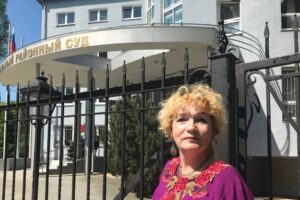
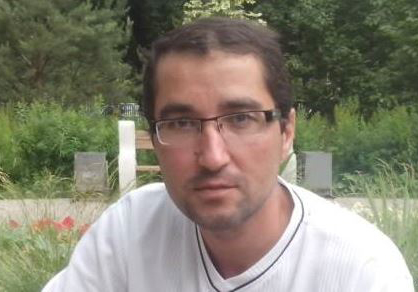
The ICJ has deplored the arrest and detention on questionable charges of Jamshed Yorov (photo), a lawyer practicing in Tajikistan.
Following his arrest on 22 August 2016, the lawyer was remanded in custody in a pre-trial facility in Dushanbe for two months.
He was charged with “disclosure of State secrets” under part 1 of article 311 of the Criminal Code of Tajikistan.
Jamshed Yorov was detained on Monday, 22 August 2016. On the next day, he called his family and informed them that he was in police custody and being questioned in connection with the alleged leaked publication of the text of a classified court judgment on the internet.
The judgment concerned the case of thirteen leaders and three members of the Islamic Renaissance Party of Tajikistan (IRPT), who had been sentenced on 2 June 2016 to various long-term custodial terms, including life-imprisonment.
Jamshed Yorov represented Mahmadali Hait, one of the leaders of the IRPT, who was sentenced to life imprisonment.
The ICJ is concerned that the decision to arrest Jamshed Yorov may have been in response to the legitimate exercise of his professional functions in representation of Mahmadali Hait.
Any such reprisal would be contrary to a fundamental tenet of the rule of law, reflected in the UN Basic Principles on the Role of Lawyers, that lawyers shall not be identified with their clients or their clients’ causes as a result of discharging their functions.
Additionally they must be able to perform all their profession functions without intimidation, hindrance, harassment or improper interference.
The principles affirm that lawyers must not suffer, or be threatened with, prosecution or administrative, economic or other sanctions for any action taken in accordance with recognised professional duties, standards or ethics.
The ICJ calls on the Tajikistan authorities to comply with all international human rights obligations of Tajikistan, including the right to a fair trial, in the case of Jamshed Yorov.
In accordance with the right to liberty as enshrined in Article 9 of the International Covenant on Civil and Political Rights (ICCPR), pre-trial detention should be ordered in exceptional cases only as a last resort, and in any event there needs to be the possibility to seek bail.
The proceedings should take full account of Jamshed Yorov’s professional duties as a defense lawyer, and should ensure that he does not suffer any criminal or administrative sanction as a result of the discharge of these duties.
The ICJ is further concerned that Jamshed Yorov’s arrest is allegedly linked to disclosure of a ‘secret’ judgment.
Article 14(1) of ICCPR, which guarantees the right to a fair trial, provides that all court judgments must be made public except where the interest of juvenile persons otherwise requires, or where the proceedings concern matrimonial disputes or the guardianship of children.
More generally, under international standards everyone has the right to seek, receive, use, and impart information held by or on behalf of public authorities, or to which public authorities are entitled by law to have access.
While there are narrow exceptions on national security grounds, these are subject to strict limits and safeguards which do not appear to have been met.
Background information
This arrest follows a pattern of arrests of lawyers in 2014-2016, which raises serious concerns about the protection of the right to a fair trial and compliance with international standards on the role of lawyers in Tajikistan.
These arrests, including the arrest of Jamshed Yorov, may have a significant “chilling” effect on the willingness of defense lawyers to take on cases of clients that may be considered sensitive, especially cases that involve accusations of breach of national security and are heard in closed sessions.
Jamshed Yorov is the brother of Buzurgmehr Yorov, who was arrested in November 2015 and who led, before his arrest, the defence for seven leaders of the IRPT Political Council.
Burzurgmehr Yorov remains in remand prison, together with another lawyer, Nuriddin Makhamov, who also represented the IRPR and has been in remand prison since November 2015. Their trial is ongoing.
The ICJ and other international NGOs earlier expressed their concern that this case may also be connected with the performance of laweyers’ professional functions.
The ICJ also expressed its concern at the conviction of lawyer Shukhrat Kurdratov on 13 January 2015 on charges of fraud and bribery for which he was sentenced to nine years in prison. Despite recent reports of a possible amnesty, his conviction will remain in force.
tajikistan-lawyer-yorov-case-news-web-stories-2016-rus (full text in Russian, PDF)
Sep 5, 2016 | E-bulletin on counter-terrorism & human rights, News
Read the 104th issue of ICJ’s monthly newsletter on proposed and actual changes in counter-terrorism laws, policies and practices and their impact on human rights at the national, regional and international levels. The E-Bulletin on Counter-Terrorism and Human...
Aug 31, 2016 | News
ASEAN meeting should highlight disappeared Lao leader Sombath Somphone, denial of liberties, said human rights and advocacy groups at a press conference held today in Bangkok.
On the eve of the annual ASEAN leaders summit in Vientiane, the groups (Human Right Watch, ASEAN Parliamentarians for Human Rights, Civil Rights Defenders, Focus on the Global South, Mekong Watch and the ICJ) called upon the Lao PDR Government to commit to address its widespread violations of human rights, including instances of enforced disappearances and arbitrary detention.
Visiting world leaders have a unique opportunity to publicly raise human rights concerns during the ASEAN summit in Vientiane from September 6-8. They should press the Lao government to cease the abuses that have consistently placed Laos at the bottom of rights and development indexes measuring rights, press freedom, democracy, religious freedom, and economic transparency, the groups added.
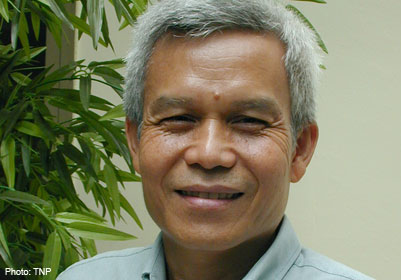
At the event organized by The Sombath Initiative at the Foreign Correspondents Club of Thailand in Bangkok, the groups also released a set of briefing papers on forcibly disappeared civil society leader Sombath Somphone (photo), Laos’ restrictions on democracy and human rights, lack freedom of expression, failure to meet human rights obligations, and impacts of foreign aid and investment.
“More than three and half years after he disappeared, the Lao government still has provided no clear answers to what happened to my husband, Sombath Somphone, who was taken away in truck at a police checkpoint in Vientiane,” said Shui Meng Ng, wife of Sombath and board member of The Sombath Initiative.
“President Obama, the United Nations, and ASEAN and its dialogue partners should urge the Lao Government to urgently resolve the case of Sombath’s enforced disappearance and return him safely to me and my family. They should also demand the Lao Government end enforced disappearances, so that the ordinary people of the country can respect their government rather than fear it.”
“The fact that the Lao PDR government’s last detailed report on the progress of the investigation was released over three years ago suggests the Lao authorities are not carrying out an effective investigation into this case as they are required to do under international law,” said Kingsley Abbott, a Senior International Legal Adviser with the International Commission of Jurists (ICJ).
“It is not enough for the Lao government to simply keep asserting on the international stage that it is investigating this case. International law obliges Lao PDR authorities to conduct an investigation that is credible and effective, and provide regular updates on its progress including to Sombath’s wife, Shui Meng,” he added.
Basic civil and political rights are systematically denied in Laos, and government authorities move quickly to arbitrarily arrest those expressing critical views of the government, either in day to day life or more recently on-line.
In March 2016, police arrested three Lao migrant workers who had posted critical comments about the Lao government while they were working in Thailand, and continues to detain them arbitrarily. A Lao court also sentenced activist Bounthanh Khammavong in September 2015 to 4 years and 9 months in prison for posting critical comments on Facebook.
Laos also imposes onerous restrictions on the right to freedom of association that are incompatible with its human rights obligations.
The government strictly controls the registrations of organizations such as non-profit associations (NPAs), and closely monitors the work plans and budgets of NPAs that it does approve to operate.
Any person who dares to organize and operate an unsanctioned organization faces arrest and prosecution.
Workers are compelled to belong to the Lao Federation of Trade Unions and organizing unions outside that framework is illegal. At the village level, mass organizations controlled by the ruling Lao People’s Revolutionary Party are often the only organizations operating.
Public protests or assemblies are strictly forbidden without government permission, and any efforts organize such events face immediate suppression by the police and security forces.
“Civil society in Laos remains under a hostile spotlight from the government, and UN rights officials have noted that there are few places in the world where they have encountered greater fear and intimidation among community organizations and NGOs,” said Walden Bello, former member of the Philippines Congress and Vice Chair of ASEAN Parliamentarians for Human Rights (APHR).
“Laos has now become one of the most rights repressing countries in ASEAN: leaders in the region and from around the world must stop looking the other way, and demand Vientiane end its asphyxiation of independent civil society,” he added.
Read the full text and quotes here: Laos-End to Human Rights Abuses-News-Press Releases-2016-ENG (in PDF)
Contact
Kingsley Abbott, ICJ Senior International Legal Adviser, t: +66 9 4470 1345, e: kingsley.abbott(a)icj.org