Mar 4, 2015
The most recent report of the ICJ aims to contribute to the current process of reviewing the Revised Penal Code (RPC), the main source of criminal laws of the Philippines, which was adopted in 1932.
No substantial amendments have been made since the adoption of the RPC and the Government of the Philippines now intends to develop a new Criminal Code that reflects international best practices and is anchored in human rights.
The report Righting Wrongs: Criminal Law Provisions in the Philippines related to National Security and their Impact on Human Rights Defenders focuses on existing penal law enacted in the name of national security, many of which have been used against human rights defenders to unduly limit their right to promote and protect human rights or whose mere existence casts a chilling effect on the work of human rights defenders.
The report also examines the Philippines’ Human Security Act (HSA) and the Terrorism Financing Prevention and Suppression Act (TFPSA).
The two laws are not part of the RPC, but they are the principal counter-terrorism legislation in the country.
They form part of the body of criminal laws in the country that the ICJ believes should be considered for amendments.
The report analyzes these laws in the light of international human standards, and accordingly makes recommendations for the amendment of provisions or their repeal.
Download the full report here:
Philippines-Criminal Law Provisions-Publications-Report-2015-ENG (full text in PDF)

Jan 7, 2015
El presente comentario jurídico se refiere al artículo 378 del Código Penal guatemalteco, cuyo epígrafe le denomina “delitos contra los deberes de humanidad”.
Nov 3, 2014
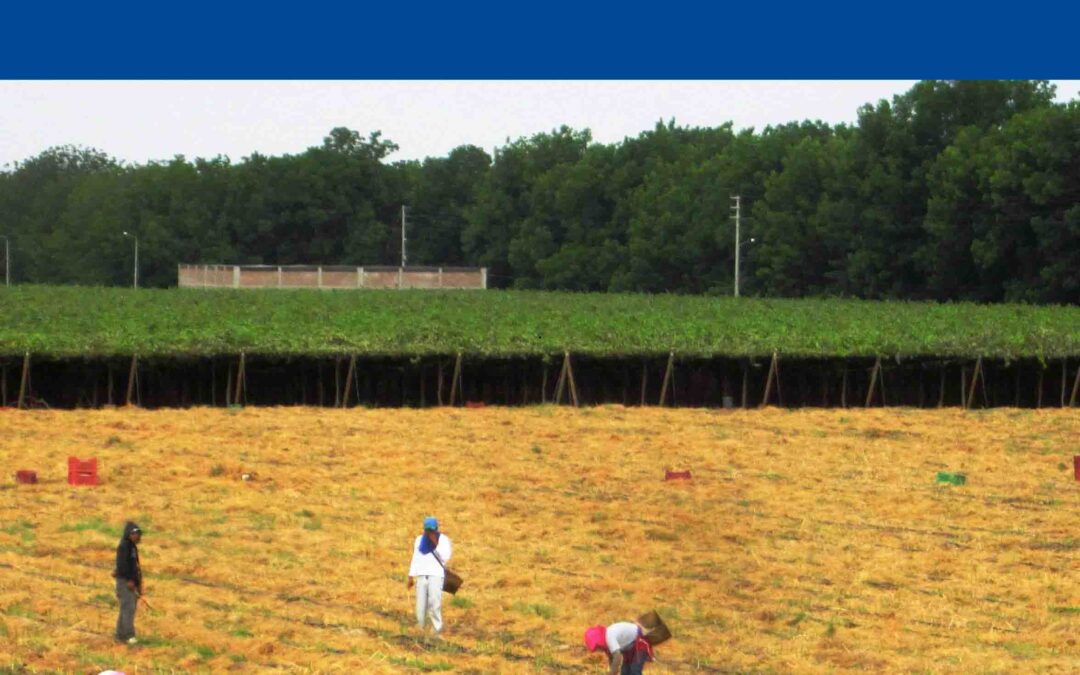
The report presents the findings, conclusions and recommendations of an ICJ observation mission on social rights in agriculture for export in the Ica Valley (south of Lima).
Oct 9, 2014
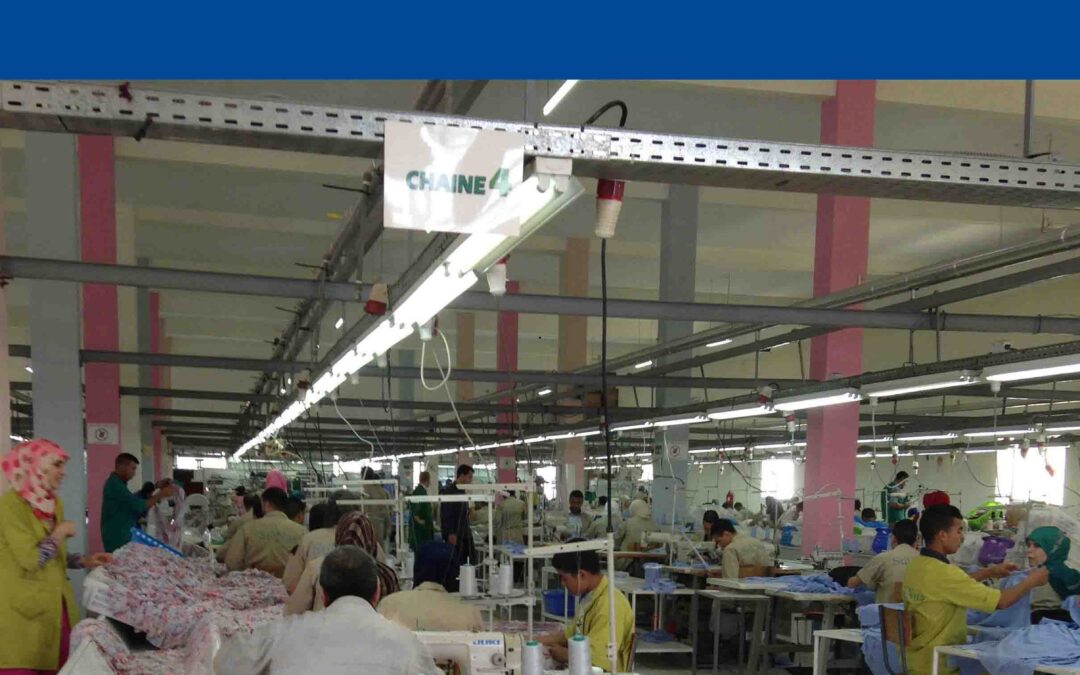
The ICJ today released its latest report on the impact of special economic regimes on social rights in Morocco. The report (in French) is the result of a research and consultation process started early 2014.
It is the outcome of a project carried out in Morocco and Peru that aims at identifying and illustrating the impact on economic, social and cultural rights (ESCR) of policies and laws that introduce and extend special economic zones and regimes to promote exports and investment in the times of economic crises.
It aims at analysing if and to what extent social rights, including but not exclusively limited to labour rights, become “adjustment variables” for countries in search of economic growth and of increased exports to secure foreign currencies to repay their debts.
The report is also part of a broader programme of work of the ICJ on ESCR in Morocco that has included an analysis of the obstacles and the realities of access to justice for victims of violations of these rights in the country, as well as a dialogue with various national actors on the specific topic of focus in the report.
In this regard, the ICJ is encouraged to see the start of work, among others by the Moroccan national human rights institution, to identify the situation, and specific needs and problems of agricultural workers in the country.
The ICJ will continue to work with these national actors on these matters.
The report is written in French and can be downloaded below:
Morocco-Droits sociaux et regimes speciaux-Publications-thematic report-2014-FRE

Sep 10, 2014
The ICJ has published the report on the Constitutional Court Proceedings and Judgment on the “Foreign Agent” Amendments to the NGO Law. The report analyses the hearing of the case before the Constitutional Court, in March 2014, which was observed by the ICJ.