Jan 20, 2016 | News
The Indonesian government’s efforts to counter and punish attacks such as the deadly assault in central Jakarta last week can only succeed if they strengthen respect for rights and rule of law, said the ICJ today.
Indonesia’s National Counterterrorism Agency (BNPT) and the State Intelligence Agency (BIN) claimed that they lacked sufficient authority under the country’s existing Anti-Terrorism Law to stop the attacks.
Eight people were killed in an attack by armed men in central Jakarta on 14 January.
“Plans discussed by Indonesian authorities to amend the 2003 Anti-Terrorism Law to make it ‘more effective’ in addressing terrorist threats mostly focus on weakening hard-won protections for suspects and the rule of law,” said Emerlynne Gil, ICJ’s Senior Legal Adviser for Southeast Asia.
“In order to help the Indonesian government meet its obligation to protect its people from acts of terrorism, experience from around the world and Indonesia’s Suharto era shows that security can only be achieved through justice,” she added.
The head of the National Police, Gen. Badrodin Haiti, said that the Anti-Terrorism Law prevents police from prosecuting Indonesians returning home after allegedly serving as combatants in Syria.
One of the proposals is to give intelligence officers the authority to make arrests under the Anti-Terrorism Law.
“Giving intelligence officers the authority to make arrests will likely lead to an increase in violations of human rights,” said Gil.
“The roles of intelligence and of law enforcement are fundamentally different and need to remain separate,” she added.
The ICJ pointed out that there were not enough safeguards under Indonesia’s laws, specifically the State Intelligence Law, to ensure the accountability of the intelligence agency or its officers.
Another proposal is that authorities be given the power to arrest anyone they see as having a “strong indication” to be planning acts of terrorism.
The ICJ, however, observes that this proposal appears to allow Indonesian authorities to avoid judicial oversight so that it would be easier for them to arrest any person, irrespective of whether there is sufficient evidence of criminal activity or an intent to prosecute.
This proposal also appears to allow authorities to detain and interrogate persons suspected of involvement in terrorist acts with a view to gaining intelligence information without necessarily contemplating the filing of criminal charges.
As ICJ’s Eminent Jurists Panel on Terrorism, Counter-terrorism, and Human Rights has underscored, the practice of arrest and detention for the sole purpose of intelligence gathering may mean the arrest and detention of those “who are not necessarily criminal suspects, but who are also believed to have information that will ‘substantially’ assist the collection of intelligence relating to terrorism.” Detaining people for the sole purpose of intelligence gathering in the absence of evidence of criminal activities is a form of arbitrary detention.
Such a practice can also lead to secret or unacknowledged detention, which under international law constitutes enforced disappearance and is absolutely prohibited, the Geneva-based organization adds.
“The obligation to protect human rights and keep people safe from acts of terrorism are not at opposing poles,” said Gil. “They are complimentary and mutually reinforcing duties of protection incumbent on the State.”
“In fact, protecting human rights can be an effective shield in defending societies from acts of terrorism,” she added.
All measures to counter terrorism must strictly comply with obligations Indonesia has under international law.
Contact:
Emerlynne Gil, Senior International Legal Adviser of ICJ for Southeast Asia, t: +66 840923575 ; e: emerlynne.gil@icj.org
Background:
Indonesia’s Anti-Terrorism Law requires judicial approval to arrest a suspect in a terrorism case. Under the law, authorities may arrest any person “strongly suspected of committing a crime of terrorism on the basis of sufficient initial evidence.”
The Chairperson or Deputy Chairperson of a District Court determines whether sufficient initial evidence exists or has been obtained by authorities.
Under article 42 of Indonesia’s State Intelligence Law, the accountability of intelligence operations of the State Intelligence Agency is in principle ensured through a written report on these operations submitted to the President of Indonesia.
This provision has been criticized for failing to provide sufficient accountability, as the presidency is firmly within the Executive branch and lacks capacity to investigate and prosecute in the ordinary criminal justice system.
Furthermore, article 24 of the State Intelligence Law provides that the State has the obligation to give “protection” to all intelligence personnel when carrying out their intelligence duties and functions. Such protection is extended to their family members.
The law does not define “protection” and hence may be construed as the State being obliged to grant immunity to intelligence personnel and their family members from criminal prosecution or civil liability.
Jan 11, 2016
An opinion piece by Reema Omer, Legal Adviser for Pakistan, ICJ Asia Pacific Programme.
In a complex and diverse world, recourse to stereotypes and generalizations is perhaps an inevitable facet of human behavior.
Stereotypes and resulting inferences manifest on a day-to-day basis in a range of social contexts and human interactions and need not always be prejudicial.
However, where laws, policies, and judicial pronouncements embody and perpetuate these stereotypes, they give rise to discrimination and undermine equal enjoyment of human rights.
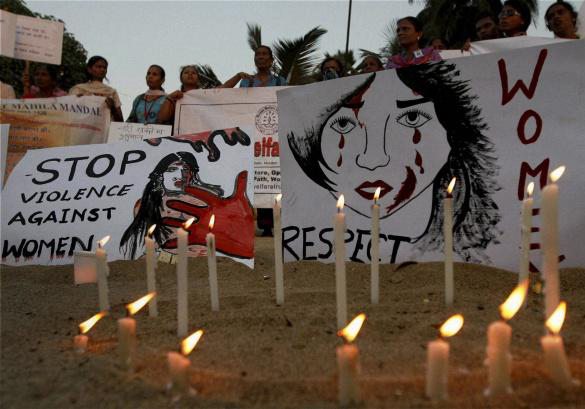
Rape and other sexual violence are human rights abuses. Under international law, States have an obligation to protect women against such abuse, including by providing for effective redress and holding perpetrators criminally accountable.
In Pakistan, one of the major obstacles to discharging this obligation is the State’s failure to address harmful stereotypes about rape.
Despite some notable law reform in recent years, a range of stereotypes regarding male and female sexuality and the respective roles of men and women in society continue to influence impartial reporting, investigation, prosecution and adjudication of cases of sexual violence, hampering access to justice for rape and other forms of sexual violence.
Rape as a crime against “honour”
In Pakistan, as well as most of South Asia, rape (and other sexual violence) is generally understood as a violation of honour.
This understanding also manifests itself in how rape is defined.
In the Urdu language, for example, rape is commonly referred to as “ziyadati”, which can be defined as “being wronged”.
Other words frequently used for rape include “asmat dairi” and “izzat lutna”, both defining rape as deprivation of honour.
These terms and the underlining assumptions reflect an approach to sexual violence that is not concerned with the infringement of a woman’s physical or mental integrity or autonomy, but instead with what is perceived as an assault on honour – the honour of the woman, her family, and her community.
Instead of promoting concern for the dignity, health, and emotional and physical wellbeing of the woman, they reflect the belief that a woman’s involvement in sex outside of marriage – with or without her consent – has “shamed” her.
That rape “dishonours” the victim is a recurring theme in public discourse on rape, and disturbingly, this framing is also perpetuated by judges in their judgments.
In one case, for example, the Lahore High Court (LHC) held that the father of a victim of rape and murder had to “swallow the humiliation resulting from the publicity of his daughter’s rape”, and in another, the LHC refused to believe that a “virgin educated girl would put her honour and dignity as well as that of her family at stake” by fabricating a rape allegation.
While the rape victim is thought to be “dishonoured” by acts of sexual violence, the perpetrator of rape is painted as a lustful predator who commits a crime of passion, not of violence.
Decades of research have shown that the expression of power and dominance, not the act of sexual intercourse itself, is the dominant driver behind rape.
Despite these findings, there is still a tendency to attribute sexual urge and lust as the primary causes for rape: “ravish” is used synonymously with rape in many legal provisions, and in their judgments, judges continue to describe “animal lust” as the impetus for rape which leads to the “defloration” of victims.
Rape and “morality”
The characterization of rape as a crime of “lust and passion” which “dishonours” the woman presupposes an archetype rape victim –a young, “chaste” and “moral” “virgin”.
Where victims and survivors of sexual violence do not meet this archetype, rape allegations made by them are often dismissed and they are stigmatized, or even prosecuted, for their perceived immorality.
Following a recent alleged gang rape reported in Lahore, for example, media reporting of the case was rife with such stereotypes.
A leading English newsweekly published a story in the gossip section of the paper suggesting that the complainant and one of the alleged rapists were involved in a “tryst” in the hotel room where the alleged rape took place, going on to dismiss the gang-rape allegation.
The reporting on television was even more telling.
Messages exchanged between the complainant and one of the alleged rapists were splashed across television screens, and their prior relationship was considered proof that the gang-rape allegation was fabricated.
Such stereotyping also shapes the investigation of sexual violence and often, also judicial decision-making.
Courts are more inclined to believe the testimony of complainants where they meet the “young, chaste and virgin” archetype, and either dismiss the complaints or require further corroboration where the rape victims or survivors are older, or are perceived to be – as described by various courts – of “easy virtue” and of “loose character”.
In one judgment, the Sindh High Court observed that the fact that “the woman was used to sexual intercourse would lend support to the version that the alleged intercourse may not have been performed against her wishes”.
This can be contrasted with the Peshawar High Court’s more sympathetic view where the complainant was “a school going virgin/tender age girl”, who “could not be believed to put her career, personal respect and family honour at stake by fabricating a false allegation of such nature in the absence of any motive.”
This stereotype of the ideal rape victim is not a judicial creation but is the law of the land.
Section 151(4) of the Qanun-e-Shahadat Order, 1984, states that the credibility of a witness may be impeached where “a man is prosecuted for rape or an attempt to ravish” and it is “shown that the prosecutrix was of generally immoral character”.
The “two-finger test”, which involves assessing how many fingers can easily be inserted into the victim’s vagina to determine her sexual history, is still frequently used as evidence in rape cases.
Not only is the “two-finger test without scientific or medical value, but sexual history is irrelevant as to whether a rape has occurred.
The Constitution of Pakistan expressly provides that “there shall be no discrimination on the basis of sex”.
The UN Convention on the Elimination of All forms of Discrimination against Women (CEDAW), which Pakistan acceded to in 1996, reinforces the principle of equality and obligates States to eliminate wrongful gender stereotyping.
Yet, Pakistan continues to be ranked as amongst the most dangerous countries in the world for women; has an abysmally low rate of convictions of less than five per cent for people prosecuted for rape; and the prejudicial stereotypes associated with rape continue to doubly persecute victims and survivors of sexual violence.
Making Pakistan a safer place for women will require a combination of measures by various institutions of the State, including law reform; introducing gender-sensitivity trainings for judges, prosecutors and law enforcements officials; and launching information campaigns regarding women’s rights for the general public.
These measures will have to specifically target the stereotypes associated with sexual violence, moving away from understanding rape as a crime of lust that “dishonours” women to what it really is – a violent assault against the physical and mental integrity and autonomy of the victim.

Jan 6, 2016
One year into the establishment of military courts to try civilians for terrorism-related offences, the operation of Pakistan’s system of “military justice” shows complete disregard of the right of a fair trial, the ICJ said in a new briefing paper released today.
“The trials by Pakistan’s military courts have reaffirmed fears of human rights groups and the legal community that military trials in Pakistan are secret, opaque and make a mockery of Pakistan’s domestic and international fair trial obligations”, said Sam Zarifi, ICJ’s Asia Director.
In its analysis brief, the ICJ examines the performance of Pakistan’s military courts in the first year of their operation, including their failure to respect the defendants’ right to a fair trial.
Proceedings before Pakistani military courts fall well short of national and international standards requiring fair trials before independent and impartial courts:
- Judges are part of the executive branch of the State and continue to be subjected to military command;
- The right to appeal to civilian courts is not available;
- The right to a public hearing is not guaranteed;
- A duly reasoned, written judgment, including the essential findings, evidence and legal reasoning, is denied;
- The procedures of military courts, the selection of cases to be referred to them, the location and timing of trial, and details about the alleged offences are kept secret; and
- The death penalty is implemented after unfair trials.
In addition to these concerns, the ICJ has also received reports that suspects being tried by military courts have been subjected to torture and ill-treatment in detention and their family members have been harassed and intimidated by military authorities.
These concerns are exacerbated by the military’s refusal to give family members and civil society monitors access to detention centers.
A number of families have also alleged that juveniles are being tried by military courts in contravention of Pakistani and international law standards on the rights of children.
“Pakistan faces a genuine threat from militant groups engaging in acts of terrorism and the Pakistani Government has an obligation to protect all people from such attacks,” said Zarifi.
“But militarizing the judicial process will not lead to justice and it will not control terrorism. This is the lesson from around the world,” he added.
Since the amendments to the Constitution and Army Act one year ago, the Pakistan Government has constituted 11 military courts to hear terrorism-related cases. Military courts have concluded the trials of 64 people, finding the defendants guilty in 40 cases. 36 people have been sentenced to death and four have been given life sentences.
Nearly a hundred cases are still pending before the various military courts in the country.
Eight civilians convicted by military courts in secret trials for their involvement in “terrorist activities” have been hanged.
The ICJ considers these executions unlawful, in breach of Pakistan’s domestic law and its international legal obligations.
The ICJ has urged Pakistan to roll back the system of “military justice” and undertake a comprehensive review of its counter terrorism laws, policies and practices to ensure they are compatible with Pakistan’s national and international legal obligations.
Contact
Sam Zarifi, ICJ Asia Pacific Regional Director (Bangkok), t: +66 807819002; email: sam.zarifi(a)icj.org
Reema Omer, ICJ International Legal Adviser for South Asia (London), t: +44 7889565691; email: reema.omer(a)icj.org
Pakistan-military courts brief-Advocacy-Analysis brief-2016-ENG (full text in PDF)
Dec 22, 2015 | News
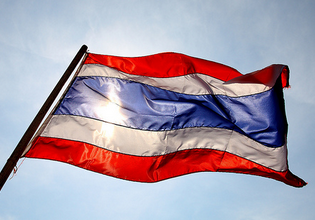
The upcoming Supreme Court verdict in the case of Somchai Neelapaijit is an important test of Thailand’s treatment of cases of enforced disappearance, the ICJ said today.
The Supreme Court is expected to rule on whether the Court of Appeal was correct in overturning the conviction of one police officer for coercion and upholding the acquittals of four other police officers, and whether Somchai Neelapaijit’s family should be permitted to participate in the proceedings as plaintiffs.
The case concerns the 2005 trial of five police officers for coercion and gang-robbery after Somchai Neelapaijit, a leading Thai lawyer and human rights defender, was last seen on 12 March 2004 being pushed into a car by several men in Bangkok.
In March 2014, the ICJ published a report in Thai and English, which summarises the history of the case and provides a background to the upcoming decision, which will be delivered in Bangkok on 29 December 2015.
“This decision is an important milestone in the long and torturous history of this case,” said Sam Zarifi, the ICJ’s Regional Director for Asia and the Pacific.
“But whatever the result, Thailand must not waver from its repeated commitments to promptly and effectively investigate this enforced disappearance, to seek to identify those responsible and bring them to justice, and to provide the family with full remedies and reparation,” he added.
The police never charged the five police officers with more serious crimes – despite the statements of numerous officials, including past Prime Minister Thaksin Shinawatra, expressing certainty about his death – as Somchai Neelapaijit’s body or remains were never found.
The Department of Special Investigations (DSI), often described as the FBI of Thailand, is still conducting an investigation into his fate or whereabouts.
Angkhana Neelapaijit, Somchai Neelapaijit’s wife and now Commissioner of the Thai Human Rights Commission, told the ICJ: “Ensuring that all victims of enforced disappearance have their rights fully recognised by the Thai courts is equally important to me as seeking justice in my own case. My long battle through Thailand’s justice system has shown me Thailand’s laws are currently inadequate to deal with cases of enforced disappearance and that significant reforms are needed before the rights of victims are fully recognized.”
Contacts
Sam Zarifi, Regional Director, Asia-Paicific Programme, sam.zarifi(a)icj.org, +66 (0) 80 781 900
Kingsley Abbott, International Legal Adviser for Southeast Asia, Asia-Pacific Programme, kingsley.abbott(a)icj.org, +66 (0) 94 470 1345
Additional information:
On 11 December 2015, the ICJ published an English version of its Practitioners Guide “Enforced Disappearance and Extrajudicial Execution: Investigation and Sanction”, originally published in Spanish in March 2015.
Thailand-Somchai Verdict-News-Press releases-2015-ENG (full text, in PDF)

Dec 17, 2015 | News
The decision of the High Court of Singapore ordering blogger Roy Ngerng to pay damages to Prime Minister Lee Hsien Loong following a civil defamation suit brought in 2014 constitutes a major blow for freedom of expression in the country, said the ICJ today.
In a judgment released on 17 December 2015, the High Court ordered Roy Ngerng to pay SG$100,000 in general damages (approximately US$70,667) and SG$50,000 (approximately US$35,330) in aggravated damages.
This decision comes approximately six months after a three-day hearing on assessment of damages took place.
“Under international standards, individuals must not be the target of defamation actions over comments made about public figures, particularly where the subject matter is of public interest,” said Sam Zarifi, ICJ’s Regional Director for Asia and the Pacific.
“This decision sends a clear message that the people of Singapore are not in fact free to express their opinions about matters of public interest,” he added.
This suit against Roy Ngerng was brought by Prime Minister Lee who argued that Roy Ngerng, in his blog, suggested that the Prime Minister bore responsibility for criminal misappropriation of the Central Provident Fund (CPF), the social security savings plan of the citizens of Singapore.
In a summary judgment delivered in November 2014, the High Court found Roy Ngerng liable for defaming the Prime Minister. Roy Ngerng was later ordered by the court to pay Prime Minister Lee SG$29,000 (approximately US$22,300) for the legal fees and related expenses incurred pertaining the application for the summary judgment. Roy Ngerng did not appeal the High Court’s decision.
“The government’s ongoing use of defamation proceedings to silence critics is a deplorable practice that undermines the rule of law. It is very concerning to see measures imposed in the region that cast a chilling effect on freedom of expression of activists and human rights defenders,” said Zarifi.
The findings in this decision are inconsistent with international standards on freedom of opinion and expression that establish that pecuniary awards should be conferred only when non-pecuniary remedies, including apology, rectification and clarification are insufficient.
Background:
Roy Ngerng maintains a blog called The Heart Truths to discuss social issues. Many of the posts on his blog advocate for more transparency in the management of the Central Provident Fund.
On 15 May 2014, Ngerng published the allegedly defamatory post on his blog. A few days later, he was asked by the Prime Minister’s lawyers to take down the post, apologize and make a written offer of damages and costs, which Ngerng did within the following five days.
Despite these actions, the Prime Minister proceeded to sue the blogger for defamation. Prime Minister Lee later applied to the High Court to enter interlocutory judgment for damages to be assessed. The court ruled in his favor.
The hearing on the assessment of damages took place from 1-3 July 2015. At the end of the hearing, the High Court directed the parties to file written submissions to address issues that were raised during the three-day hearing.
In June 2015, the ICJ submitted a legal opinion to the High Court in support of certain aspects of the defendant’s position.
Contact:
Emerlynne Gil, ICJ’s Senior International Legal Adviser for Southeast Asia, t: +668 4092 3575 ;
e: emerlynne.gil(a)icj.org