Jan 18, 2021 | Новости, Пресс-релизы
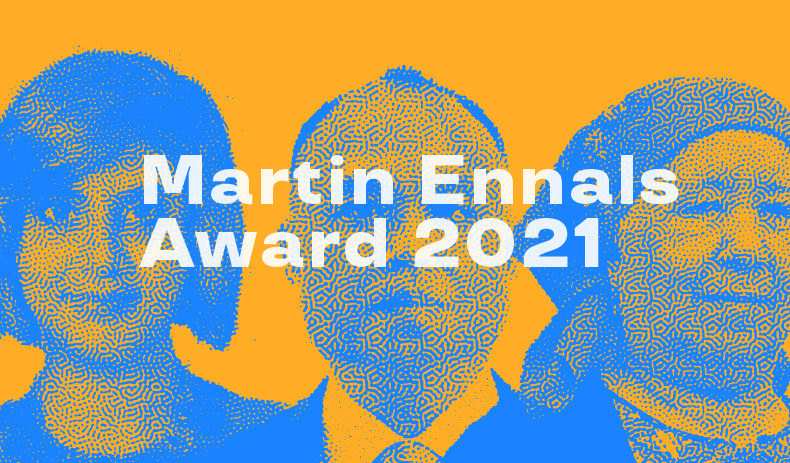
Три выдающихся правозащитника из авторитарных государств номинированы на Премию имени Мартина Энналса для правозащитников в 2021 году.
В Туркменистане, одной из самых закрытых стран мира, журналистка Солтан Ачилова освещает нарушения прав человека в своих фоторепортажах. Люджейн аль-Хазлюль из Саудовской Аравии, отбывающая тюремное заключение, является ведущей активисткой движения за права женщин и сторонником гендерного равенства. До обвинительного приговора и тюремного заключения китайский адвокат Ю Веншенг занимался делами в области нарушений прав человека и оказанием юридической помощи правозащитникам. Все Финалисты отличаются исключительным мужеством и глубокой приверженностью вопросам, которые они отстаивают, несмотря на многочисленные попытки властей заcтавить их замолчать. Мы отдадим дань глубокого уважения самоотверженности наших Финалистов во время церемонии награждения Премии имени Мартина Энналса, которая состоится 11 февраля 2021 года в онлайн-режиме совместно с городскими властями города Женевы, которые в течение многих лет оказывают поддержку Премии, демонстрируя приверженность делу защиты прав человека.
Ничто не сможет помешать нам отметить выдающийся вклад Финалистов в дело защиты прав человека
Ежегодно международной Премии для правозащитников имени Мартина Энналса удостаиваются правозащитники и активисты со всего мира, которые демонстрируют исключительное мужество и приверженность делу защиты прав человека, часто рискуя собственной жизнью. В 2021 году Жюри номинировало трех правозащитников, которые вынуждены вести свою деятельность в условиях авторитарных политических режимов.
«Каждый год тысячи правозащитников подвергаются преследованиям, репрессиям, приговариваются к тюремным срокам и даже погибают. «Фонду имени Мартина Энналса» выпала честь отметить заслуги Финалистов 2021 года, которые проделали огромную работу во благо других людей и чьи непростые судьбы символизируют вызовы, с которыми в настоящее время сталкиваются активисты правозащитного движения», – заявила Изабель де Сола, директор «Фонда имени Мартина Энналса».
Финалисты 2021 года
«Авторитарные государства, как правило, считают, что посадив за решетку правозащитников или подвергнув цензуре их деятельность, их имена скоро забудут. Казалось, что во время пандемии коронавируса локдаун и самоизоляция не дадут людям возможность выражать свою точку зрения. Финалисты этого года являются прямым доказательством того, что это совсем не так», – считает Председатель Жюри Ханс Тулен.
В Туркменистане, одном из самых закрытых государств мира, полностью отсутствуетсвобода слова, а независимые журналисты осуществляют свою деятельность на свой страх и риск. Фотожурналист Солтан Ачилова (71 год) освещает нарушения прав человека и социальные проблемы, затрагивающие повседневную жизнь обычных туркменских граждан. Несмотря на репрессивный режим в стране и личные трудности, Солтан является одним из немногих журналистов, которые осмеливаются публиковать свои статьи под собственным именем.
В Саудовской Аравии женщины до сих пор сталкиваются с различными формамидискриминации по гендерному признаку. В «Докладе о глобальном гендерном разрыве» 2020г. , опубликованном Всемирным экономическим форумом, Саудовская Аравия попала в число десяти стран с самыми худшими показателями. Люджейн аль-Хазлюль (31 год) была одним из лидеров движения за право женщин на управление автомобилем и выступала за отмену системы опекунства мужчин над женщинами. В 2018 году вместе с другими активистками она получила тюремный срок по статье, связанной с угрозой национальной безопасности. Люджейн подвергали пыткам, помещали в одиночную камеру и отказывали в предоставлении медицинской помощи. 28 декабря 2020 года ее приговорили к пяти годам и восьми месяцам тюремного заключения.
Более 300 правозащитников и юристов бесследно исчезли или были арестованы в 2015году в Китае во время крупномасштабной кампания травли правозащитников и адвокатов, получившей название «Гонения 709». Успешный юрист, занимающийся корпоративным правом Ю Веншенг (54 года), отказался от своей карьеры, чтобы в качестве адвоката защищать одного из задержанных юристов, а вскоре был арестован сам. Ю Веншенг находится в тюрьме уже почти три года, где ему раздробили руку, а состояние его здоровья ухудшается.
MEA Finalists Bios-2020-RUS
Jan 18, 2021 | News
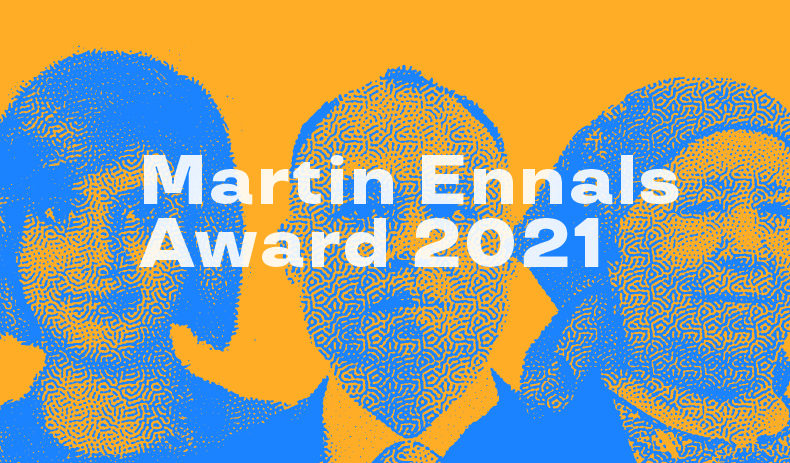
Soltan Achilova, Loujain AlHathloul and Yu Wensheng, three outstanding human rights defenders based in authoritarian states are nominated for the 2021 Martin Ennals Award for Human Rights Defenders. The ICJ is member of the MEA Jury.
In isolated Turkmenistan, Soltan Achilova documents human rights violations and abuses through photojournalism.
Imprisoned in Saudi Arabia, Loujain AlHathloul is a leading advocate for gender equality and women’s rights.
A lawyer, Yu Wensheng defended human rights cases and activists before his conviction and imprisonment in China.
The Finalists distinguish themselves by their bravery and deep commitment to the issues they defend, despite the many attempts to silence them by respective governmental authorities.
“Every year thousands of human rights defenders are persecuted, harassed, imprisoned, even killed. The Martin Ennals Foundation is honored to celebrate the 2021 Finalists, who have done so much for others and whose stories of adversity are emblematic of the precarity faced by the human rights movement today,” said Isabel de Sola, Director of the Martin Ennals Foundation.
“Authoritarian states tend to believe that by jailing or censoring human rights defenders, the world will forget about them. During the COVID-pandemic, it seemed like lockdowns would successfully keep people from speaking out. This year’s Finalists are a testament to the fact that nothing could be further from the truth,” added Hans Thoolen, Chair of the Jury.
Nothing can stop us from celebrating human rights defenders
Each year, the Martin Ennals Award honors human rights defenders from around the world who distinguish themselves by their strong commitment to promoting our fundamental rights – often at the risk of their own lives.
The 2021 Martin Ennals Award Ceremony will celebrate their courage on 11 February during an online ceremony hosted jointly with the City of Geneva which, as part of its commitment to human rights, has for many years supported the Award.
The 2021 Finalists
In Turkmenistan, one of the world’s most isolated countries, freedom of speech is inexistant and independent journalists work at their own peril. Soltan Achilova (71), a photojournalist, documents the human rights abuses and social issues affecting Turkmen people in their daily lives. Despite the repressive environment and personal hardships, she is one of the very few reporters in the country daring to sign independent
In Saudi Arabia, women still face several forms of gender discrimination, so much so, that the Kingdom ranks in the bottom 10 places according to the World Economic Forum’s Global Gender Gap Report 2020. Loujain AlHathloul (31) was one of the leading figures of the Women to drive movement and advocated for the end of the male guardianship system. She was imprisoned in 2018 on charges related to national security together with several other women activists. Tortured, denied medical care, and subjected to solitary confinement, Loujain was sentenced to 5 years and 8 months in prison on 28 December 2020.
In China, more than 300 human rights activists and lawyers disappeared or were arrested in 2015 during the so called 709 Crackdown. A successful business lawyer, Yu Wensheng (54) gave up his career to defend one of these detained lawyers, before being arrested himself. Detained for almost three years now, Yu Wensheng’s right hand was crushed in jail and his health is failing.
Contact
Olivier van Bogaert, Director Media & Communications, ICJ representative in the MEA Jury, t: +41 22 979 38 08 ; e: olivier.vanbogaert(a)icj.org
Chloé Bitton, Communications Manager, Martin Ennals Foundation, t +41 22 809 49 25 e: cbitton(a)martinennalsaward.org
MEA Finalists Bios-2020-ENG (full bios of finalists, in PDF)
MEA Finalists Bios-2020-ARA (full story and bios of finalists in Arabic, PDF)
Jan 14, 2021 | News
The ICJ today deplored the comprehensive failure of the Sri Lankan authorities to ensure accountability for conflict-era crimes, marked by the dropping of charges and release of all five accused in the Joseph Pararajasingham murder trial.
Parliamentarian Joseph Pararajasingham was killed by unidentified gunmen on 25 December 2005 while he attended Christmas mass at the Batticaloa St. Mary’s Cathedral, in the Eastern Province of Sri Lanka. Eight other people, including his wife, were injured during the firing.
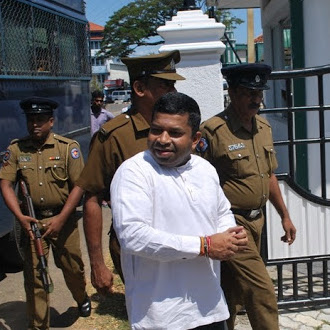
Yesterday, the Batticaloa High Court acquitted and ordered the released of all five accused, including former-LTTE cadre and now-Member of Parliament, Sivanesathurai Chandrakanthan alias ‘Pillaiyaan’, in the trial of Pararajasingham, a former Tamil National Alliance Parliamentarian. The judgment was delivered after the Attorney General’s Department (AG) informed the Court that it would not proceed with the prosecution. The AG provided no reason publicly for this decision.
“The shelving of this case five years after it began, is a blow to the victims of this serious human rights atrocity.” said Ian Seiderman, ICJ’s Legal and Policy Director.
“This constitutes yet another marker of Sri Lanka’s consistent failure to hold accountable perpetrators of serious conflict-era crimes,” he added.
In November 2020, the AG had informed the Batticaloa High Court that he intended to proceed with the case, notwithstanding the Court of Appeal deemed inadmissible important evidence of the prosecution’s case.
The UN Office of the High Commissioner on Human Rights Investigation on Sri Lanka (2015) had already concluded that “there are reasonable grounds to believe that the Karuna Group (of which Chandrakanthan was a member) killed Joseph Pararajasingham, and that it was aided and abetted by security and army personnel.”
The acquittal in Pararajasingham’s murder case follows that of another Tamil Parliamentarian Nadarajah Raviraj, where an all-Sinhalese jury acquitted five persons including three Navy intelligence officers in December 2016, a decade after his murder.
The UN High Commissioner for Human Rights identified both these cases, in which no progress had been made, emblematic of Sri Lanka’s dismal record on accountability.
The ICJ called on the Attorney General’s Department to reopen fresh investigations into the murder of the deceased legislator so as to ensure justice and justice for the victims of this atrocity.
The ICJ notes that the Attorney General maintains the dual role of public prosecutor and as attorney for the State, positions which are prone to come into tension. The former UN Special Rapporteur on the Independence of Judges and Lawyers, Monica Pinto, following her mission to Sri Lanka in 2016 observed that “there is a general perception that, first and foremost, the [Attorney General’s] department defends the interests of the government and not the public’s interest.”
Background
Sivanesathurai Chandrakanthan who broke away from the Liberation Tigers of Tamil Eelam (LTTE) in 2004, functioned as a paramilitary, in support of the then-Rajapaksa Government. He is presently the leader of Tamil Makkal Viduthalai Pulikal (TMVP), a political party aligned to the Government and was voted into Parliament at the 2020 General Elections.
Investigation into the killing only began in 2015, after a new government was formed following elections which saw the defeat of Rajapaksa. Chandrakanthan was taken into remand custody on 11 October 2015 when he arrived at the Criminal Investigation Department to record a statement in relation to the assassination of the late Tamil politician. The Attorney General indicted that Chandrakanthan (who was 3rd accused) in the High Court of Batticaloa for offences committed under the Penal Code and the Prevention of Terrorism Act. He was granted bail for the first time in November 2020 after the primary evidence against the accused was deemed inadmissible by the Court of Appeal. The case was fixed for January 11 only after the AG informed courts he intended proceeding with the case notwithstanding the Appeal Court ruling.
Contact
Osama Motiwala, ICJ Communications Officer, Asia & Pacific programme, e: osama.motiwala(a)icj.org
Dec 16, 2020 | Advocacy, Non-legal submissions
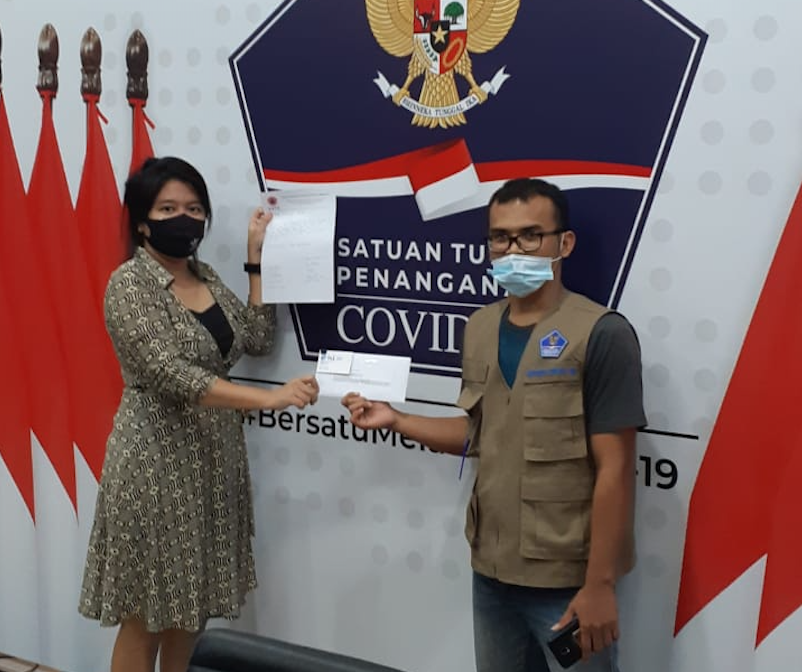
In an open letter, the ICJ today called on Indonesia’s COVID-19 Mitigation Task Force to provide detailed guidance to the Government of Indonesia, in taking actionable steps to implement gender responsive measures in the country.
Since the beginning of the outbreak of the pandemic, the mortality rate of Indonesia is reportedly among the highest in the world.
In addressing the pandemic, the Government has established regulations and repeatedly advised people to restrict social gatherings and stay at home. These measures have a particularly disparate impact on Indonesian women, exacerbating the pre-existing gender inequalities in Indonesia.
The ICJ has previously highlighted the challenges faced by women in its report “Living Like People who die slowly.” Similar concerns has been expressed by the UN Committee on Economic, Social, and Cultural Rights.
The ICJ called the task force to take proactive and special measures to protect women workers in its COVID-19 response, in line with the recommendations of the UN Committee on the Elimination of Discrimination against Women’s Guidance Note on COVID-19.
Specifically, the ICJ has recommended that it promote government responses to:
- Ensure that women receive basic needs support
- Provide more working opportunities for women to work from home
- Provide online counseling or mental health support for women workers
The ICJ considers that the failure to recognize the gender dynamics affecting women workers, particularly public health emergencies, limits the effectiveness of the overall Government’s response efforts and impedes the full realization of women’s human rights in Indonesia.
Download
Dec 15, 2020 | News
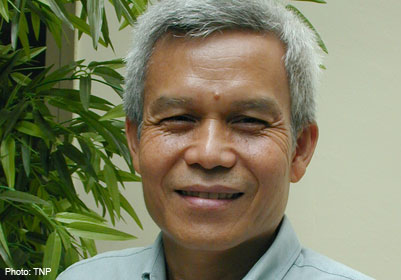
On 15 December 2020, the eighth anniversary of the enforced disappearance of Lao civil society leader Sombath Somphone, the ICJ joined 53 organizations and 19 individuals in reiterating its calls on the Government to reveal his fate and whereabouts and to investigate his and all other cases of alleged enforced disappearance in the country.
The statement condemned the Government’s ongoing failure to adequately investigate all allegations of enforced disappearance in Laos, which has been compounded by years of near complete lack of commitment to address this serious crime or provide an effective remedy or reparation to its victims and their families.
In June 2020, during the third Universal Periodic Review (UPR) of Laos, the Government refused to accept all five recommendations that called for an adequate investigation into Sombath’s enforced disappearance. The Government failed to support another eight recommendations that called for investigations into all cases of alleged enforced disappearances in Laos. Despite the government accepting that “the search for missing Lao citizens, including Sombath Somphone, is the duty of the Lao government”, it has failed to evidence any political will to effectively execute or fulfill this duty.
Sombath Somphone was last seen at a police checkpoint on a busy street in Vientiane on the evening of 15 December 2012. Footage from a CCTV camera showed that Sombath’s vehicle was stopped at the police checkpoint and that, within minutes, unknown individuals forced him into another vehicle and drove him away in the presence of police officers. CCTV footage also showed an unknown individual driving Sombath’s vehicle away from the city center. The presence of police officers at Sombath’s abduction and their failure to intervene strongly indicates State agents’ participation in Sombath’s enforced disappearance.
Lao authorities have repeatedly claimed they have been investigating Sombath’s enforced disappearance, but have failed to disclose any new findings to the public since 8 June 2013. They have not met with Sombath’s wife, Shui Meng Ng, since December 2017. No substantive information about the investigation has been shared by the authorities with Ng or Sombath’s family, indicating that, for all intents and purposes, the police investigation has been de facto suspended.
The statement reiterated a call for the establishment of a new independent and impartial investigative body tasked with determining Sombath’s fate and whereabouts, with the authority to seek and receive international technical assistance to conduct a professional and effective investigation in accordance with international standards. This is a call which multiple signatory organizations have been making since his enforced disappearance in 2012.
The statement further urged the Lao government to ratify the International Convention for the Protection of All Persons from Enforced Disappearance (ICPPED), which Laos signed in September 2008; incorporate its provisions into the country’s legal framework, implement it in practice, and recognize the competence of the Committee on Enforced Disappearances to receive and consider communications from or on behalf of the victims.
The full statement is available here.
Contact
Kingsley Abbott, ICJ Senior Legal Adviser, e: kingsley.abbott(a)icj.org