May 27, 2020
The ICJ, together with 24 other civil society organizations, sent a joint open letter to the Indian Government calling for the release of human rights defenders, all detained under the Unlawful Activities (Prevention) Act (UAPA).
Mr Amit Shah
Union Home Minister of India
Ministry of Home Affairs
Government of India
Re: Release human rights defenders at risk in the context of COVID-19
Dear Home Minister,
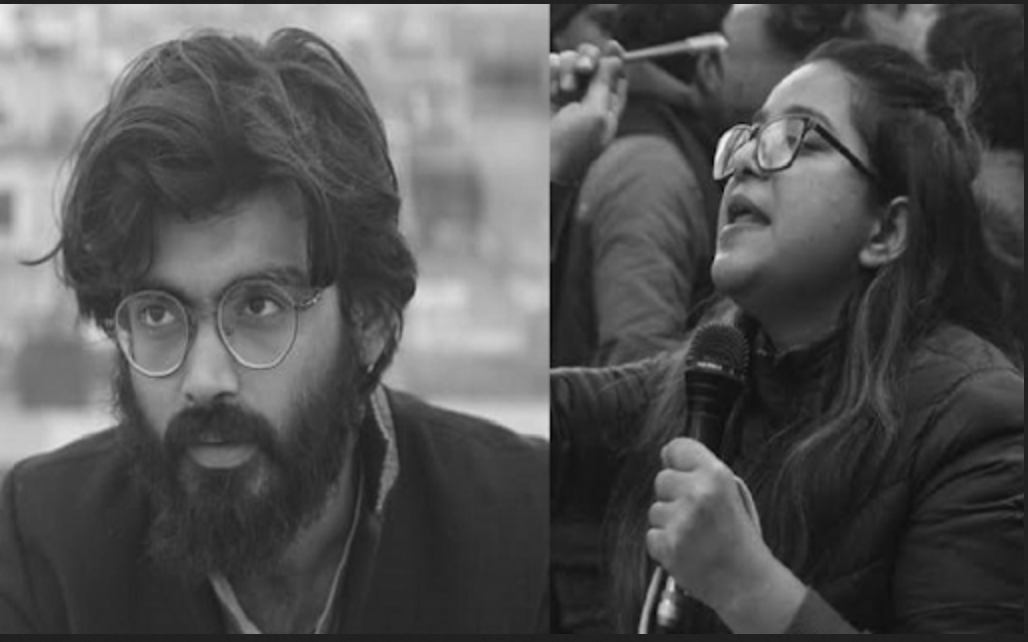
We, the undersigned organizations, write with great concern regarding the situation of student activists Safoora Zargar, who is four months pregnant, Meeran Haider, Shifa-Ur-Rehman and Sharjeel Imam, all detained under the Unlawful Activities (Prevention) Act (UAPA). We believe their detention is unfounded and designed to punish them for defending human rights and engaging in peaceful protest against a discriminatory law. In addition, their being jailed in the context of the COVID-19 pandemic is unnecessarily putting their lives and health at serious risk. We urge you to immediately and unconditionally release all four activists, as well as other persons who have been detained, charged, or convicted simply for defending human rights and exercising their right to freedom of expression and peaceful assembly.
Safoora Zargar, Meeran Haider and Shifa-Ur-Rahman are student activists who were involved in protests against the Citizenship (Amendment) Act (CAA) and arrested in April 2020. Safoora Zargar, Meeran Haider and Shifa-Ur-Rahman, were arrested by the Delhi Police on 10 April, 1 April and 24 April on charges of rioting and unlawful assembly, reportedly in connection with their alleged role in the demonstrations.The CAA legitimises discrimination on the basis of religion and contravenes the Constitution of India and international human rights law. Student activist Sharjeel Imam was arrested in January 2020 under charges of sedition for his speech during anti-CAA protests. The additional charges under UAPA were brought in April 2020. All of them are currently in pre-trial detention.
Their situation is not unique. For example, on 14 April 2020, the authorities also detained human rights activists Anand Teltumbde and Gautam Navlakha under the UAPA for allegedly inciting caste-based violence during a 2018 demonstration in Bhima Koregaon, Maharashtra state. Nine other activists have been detained since 2018 in relation to the same case. They are known for their work defending the rights of Adivasi and Dalit communities and should all be released immediately.
We are seriously concerned that the Indian authorities have routinely misused draconian, anti-terrorism laws such as the UAPA, to undermine human rights, stifle dissent and press freedom. This is even more concerning during the COVID-19 pandemic. The slow investigative processes and extremely stringent bail provisions under these laws mean that human rights defenders and others who speak out may face many years behind bars unjustly. In their communication to the Government of India on 6 May 2020, eight UN Special Rapporteurs and the Working Group on Arbitrary Detention raised serious concerns about the 2019 amendment to the UAPA regarding ‘the designation of individuals as “terrorists” in the context of ongoing discrimination directed at religious and other minorities, human rights defenders and political dissidents, against whom the law has been used.’ They also noted that non-violent criticism of state policies or institutions should not be made a criminal offence under counter-terrorism measures in a society governed by the rule of law and abiding by human rights principles and obligations. Arrests of peaceful protesters violate India’s obligations under international law, specifically the International Covenant on Civil and Political Rights (ICCPR), to respect and protect the rights to liberty, to freedom of expression and peaceful assembly, set out in Articles 9, 19 and 21 of that treaty.
On 25 March 2020, the UN High Commissioner for Human Rights urged all states to release “every person detained without sufficient legal basis, including political prisoners, and those detained for critical, dissenting views” in response to the COVID-19 pandemic. With at least 200 prison inmates and jail staff testing positive for the COVID-19 across India, including in Maharashtra, Madhya Pradesh and Karnataka, when the authorities misuse draconian laws to detain activists and human rights defenders, including peaceful protesters, they are not only persecuting them, they are unnecessarily putting their lives at grave risk.
In addition, Safoora Zargar’s pregnancy makes her release even more urgent, particularly amid the COVID-19 pandemic. The United Nations Rules for the Treatment of Women Prisoners and Non-custodial Measures for Women Offenders, also known as the Bangkok Rules, recommend that while deciding on pre-trial measures, non-custodial alternatives should be preferred for pregnant women where possible and appropriate.
The Indian authorities need to ensure that, as they apply the Supreme Court of India’s directive to decongest prisons to contain the spread of COVID-19, they immediately and unconditionally release student activists Safoora Zargar, Meeran Haider, Shifa-Ur-Rehman and Sharjeel Imam who remain in jail simply for peacefully exercising their right to freedom of expression by opposing the discriminatory law. They should also immediately release the 11 rights activists and journalists jailed in the Bhima Koregaon case.
The fight against the pandemic must be inclusive and not selectively used to dissuade and prevent human rights defenders from exercising their human rights.
Download
India-Release-HRDs-COVID19-Joint-Open-Letter-2020-ENG
May 26, 2020 | News
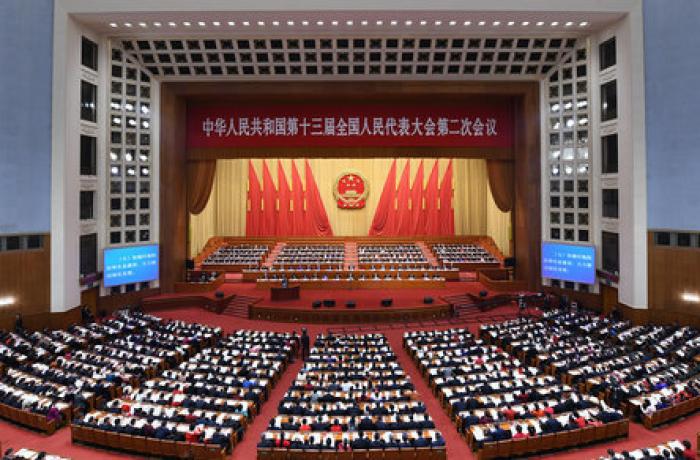
The ICJ today expressed its grave concern over the National People’s Congress (NPC)’s draft Decision on establishing and improving the legal system and enforcement mechanisms for the Hong Kong Special Administrative Region (HKSAR) to safeguard national security (“the Decision“).
The ICJ called upon the NPC to withdraw the Decision and to protect human rights, including freedom of expression and association, in accordance with its international human rights obligations and its longstanding commitment to respect the right to political participation of the people of Hong Kong.
The call comes after the NPC presented a decision at the third annual session of the 13th NPC on 22 May, 2020 which paves the way for legislation that would, “prevent, stop and punish any act occurring in the HKSAR to split the country, subvert state power, organize and carry out terrorist activities and other behaviours that seriously endanger national security as well as activities of foreign and external forces to interfere in the affairs of the HKSAR” and would allow the central government to set up “security organs” in the territory.
The ICJ stressed that while the precise contents of the proposed National Security Law have not been publicized, the language of the Draft Decision is troubling given how categories of “terrorist activities” and “subversion” have been abused in the past.
“There is a well-substantiated fear that the new security law will be used to suppress freedom of expression and curtail the activities of human rights defender in violation of the rights of the people of Hong Kong guaranteed under its Basic Law and international human rights standards,” said Frederick Rawski, Asia & the Pacific Director of the ICJ. “We have already witnessed, many times over, how other deeply flawed laws like the Public Order Ordinance, have been abused to criminally charge peaceful protesters.”
It is expected that the NPC’s Decision will be added to Annex III of the Basic Law. Under the Article 18 of the Basic Law, Chinese national legislation only has effect in Hong Kong if it is listed in Annex III of the Basic Law and related to defence, foreign affairs or other matters outside the limits of the HKSAR’s autonomy. Once added to Annex III, the law can be promulgated by the Hong Kong Chief Executive by issuing a legal notice in the Government Gazette.
In 2003, the HKSAR government attempted and failed to enact a similar national security bill, after an estimated half a million people took to the streets to oppose the legislation.
“It is especially alarming that the central government has decided to take such a top-down, and anti-democratic approach to imposing this law by bypassing Hong Kong’s Legislative Council. There are no winners from such an approach, which will provoke a massive public response and a return to the unlawful use of force by the police,” said Rawski.
The ICJ stressed that legislation that seeks to address genuine national security concerns must comply with rights protections in the Basic Law, the International Covenant on Civil and Political Rights (ICCPR), which is applicable to Hong Kong, and other international human rights standards and should be subject to genuine public consultation and debate.
The NPC is expected to vote on the resolution at the end of the annual session, likely on May 28, 2020. The NPC decision will delegate the Standing Committee to draft the actual details of the new legislation for Hong Kong, which would then be included in Annex III of Hong Kong’s Basic Law. The new law will be introduced in Hong Kong through either promulgation or local legislation.
Contact
Frederick Rawski, ICJ’s Asia Pacific Regional Director, t: +66 2 619 84 77; e: frederick.rawski(a)icj.org
Boram Jang, ICJ Legal Adviser, Asia & the Pacific Programme, e: boram.jang(a)icj.org
See also
Joint Statement: Hong Kong arrests of pro-democracy figures condemned by international legal community
China (Hong Kong): Authorities must protect right of peaceful assembly and end legal harassment of activists and journalists
China (Hong Kong): ensure police do not use excessive force against protesters
May 22, 2020 | News
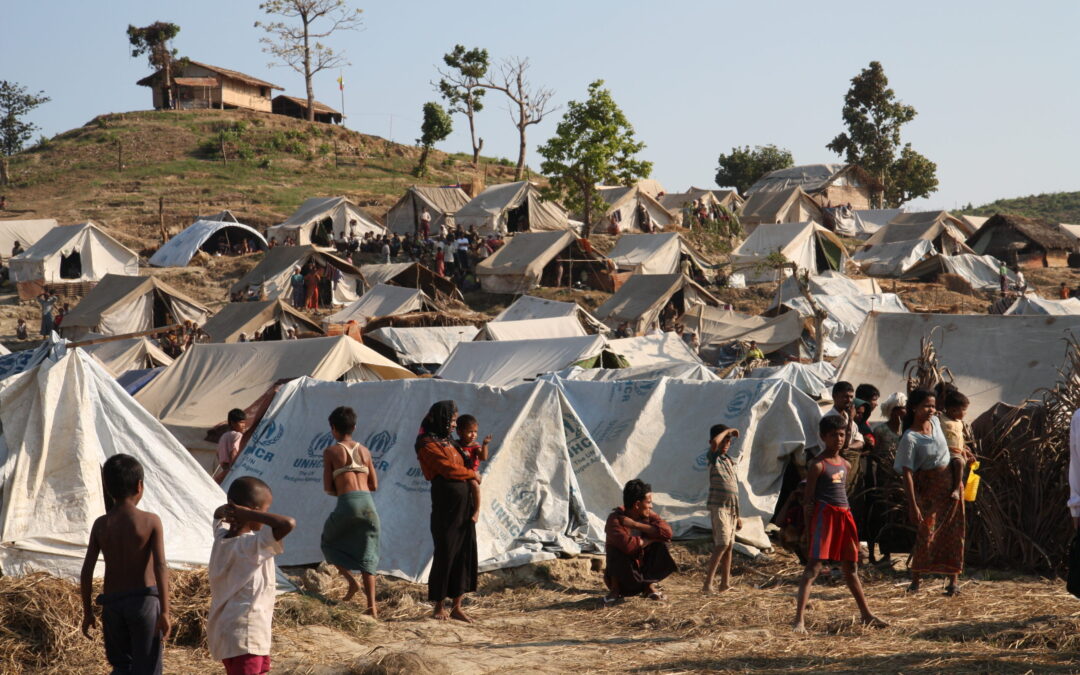
In order to comply substantially with the International Court of Justice’s provisional measures Order in the case of The Gambia v. Myanmar, Myanmar should carry out legal reforms and cooperate with international accountability processes, said the ICJ today.
The Gambia has accused Myanmar of violations of the 1948 Genocide Convention in respect of its treatment of Rohingya population, characterized by acts of widespread killing and displacement of the population.
The call comes as Myanmar is scheduled to report on “all measures taken” to give effect to the provisional measures Order (Order) issued by the Court on 23 January 2020.
“Myanmar has not taken ‘all measures within its power’ to prevent acts of genocide until it implements comprehensive legal and constitutional reforms,” said Sam Zarifi, Secretary General of the International Commission of Jurists. “Accountability lies at the heart of prevention, and so long as the Tatmadaw remains unaccountable to the civilian authorities the cycle of impunity for criminal atrocities within the country will continue.”
Since the Order, Myanmar has taken a limited number of steps linked to its compliance with the Order, including issuing three Presidential Directives encouraging anti-hate speech activities, and ordering compliance with the Genocide Convention and the preservation of evidence of human rights and related violations in Rakhine.
Myanmar has also asserted that the findings of the Government-commissioned Independent Commission of Inquiry (ICOE), which made selective admissions including that war crimes may have been committed during the 2017 “clearance operations” in Rakhine, have been transmitted to the Attorney General and the Commander-in-Chief of the Tatmadaw and that action would be taken “in conformity with military justice procedures if there is credible evidence of any commission of offence by members of the Tatmadaw.”
However, the Government has yet to amend or repeal key laws that facilitate discrimination against the Rohingya, including the 1982 Citizenship Law, 2015 Race and Religion Protection Laws and 2014 Myanmar National Human Rights Commission Law. On 6 May 2020, the International Commission of Jurists published a report on the killing of a journalist, Ko Par Gyi, in September 2014, which condemned the fundamentally flawed “military justice procedures” used to address allegations of serious human rights violations. The report highlighted the many deficiencies in ensuring to accountability for serious human rights violations in Myanmar under its prevailing legal framework, including:
- that several provisions of national laws facilitate impunity for serious human rights violations by soldiers against civilians, shield security forces from public criminal prosecutions and deny victims and their families of the right to truth about violations;
- investigations into unlawful killings routinely lack the independence, impartiality and effectiveness necessary to establish the truth and to provide accountability and redress; and
- the rights of victims and their families are rarely respected, including the right to access information concerning the violations and accountability processes, and the right to remedies and reparations.
The UN Human Rights Council has established an Independent Investigative Mechanism to look at allegations of genocide, crimes against humanity and other atrocities in Myanmar, but the government has failed to extend its cooperation with the mechanism.
“Myanmar’s inability to prevent serious human rights violations under the existing legal framework underscores the need for it to cooperate with international justice processes, including the UN’s Independent Investigative Mechanism for Myanmar – and for the UN Security Council to refer the situation to the International Criminal Court,” added Zarifi.
Download the statement with detailed background information here.
Contact
Sam Zarifi, Secretary General of the International Commission of Jurists, t: +41 79 726 4415; e: sam.zarifi(a)icj.org
Kingsley Abbott, Coordinator of the ICJ’s Global Accountability Initiative, t: +66 94 470 1345; e: kingsley.abbott(a)icj.org
Related work
Report: Remove barriers to justice for killing of journalist Ko Par Gyi
Statement: Why law reform is urgent and possible
Statement: Implement International Court of Justice provisional measures Order without delay
Briefing Paper: Four immediate reforms to strengthen the Myanmar National Human Rights Commission
Briefing Paper: Myanmar’s discriminatory citizenship laws can and must be reformed
May 11, 2020
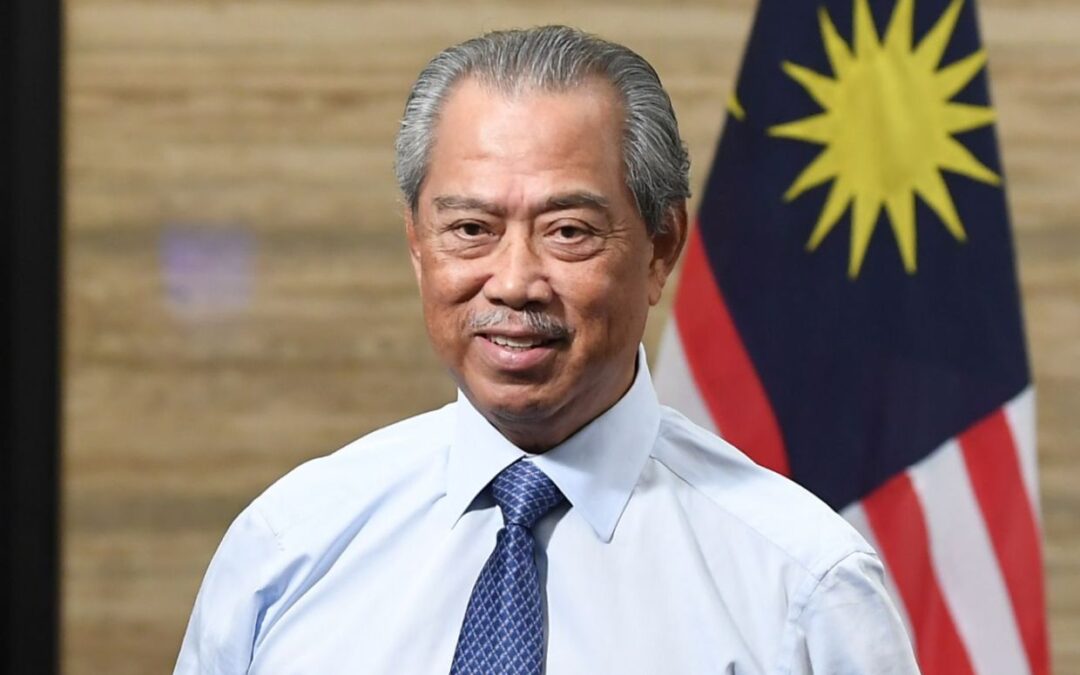
Today, ICJ and 83 other organisations sent a concerning joint letter to the Prime Minister of Malaysia on the response of the Government to threats of violence and ‘hate speech’ directed at ethnic Rohingya refugees and asylum seekers in the country.
Download the letter here.

May 8, 2020 | News
The ICJ today denounced the decision on 5 May 2020 by the Philippines’ National Telecommunications Commission (NTC) to issue an order to ABS CBN Corporation, one of the leading media outlets in the country, to cease its on-air operations.
The ICJ asserted that the action against ABS CBN violates the right to freedom of opinion and expression, which includes the rights of the media to operate without censorship or restraint and the public’s right to access information. This right is guaranteed under Article 19 of the International Covenant on Civil and Poliitical Rights (ICCPR). The Philippines is a State Party to the ICCPR.
“A free and unhindered media is essential in any society to ensure freedom of opinion and expression and other human rights. It is one of the cornerstones of a democratic society,” said Emerlynne Gil, ICJ’s Senior International Legal Adviser.
The NTC’s basis for issuing the order is that ABS CBN’s legislative franchise has expired on 4 May 2020 and action has yet to be taken on its renewal by the House of Representatives. The ICJ fears that the reasons for this delay may be politically motivated.
Given the stakes for freedom of expression, the ICJ urges NTC to follow its own precedents whereby it has allowed broadcast and telecommunications companies to operate beyond their franchise expiry dates, pending the renewal.
“Limitations imposed on the right to freedom of opinion and expression have to pass the general tests, including that of necessity and proportionality, which do not appear to have been met here,” Gil added.
The action taken against ABS CBN is part of a pattern of harassment of independent media by governmental authorities in the Philippines. President Rodrigo Duterte has, in the past, expressed resentment towards ABS CBN for allegedly refusing to air his political ads when he ran for office in 2016. The network is also known to have aired views critical of his administration’s murderous ‘war on drugs’.
In December 2019, President Duterte said that he would make sure that ABS CBN’s franchise would not be renewed. This is not the first time that he has sought to silence a media outlet critical of his administration.
There are at least 11 bills seeking the renewal of the franchise currently pending at the House of Representatives, with the earliest filed in July 2019.
“It is taking the House of Representatives an inordinately long period of time to approve the renewal of ABS CBN’s franchise,” said Gil. “It appears that the allies of this administration in the House are holding the franchise renewal like a sword over ABS CBN’s head to chill it from airing critical views about the government.”
The UN Human Rights Committee, the ICCPR’s supervisory body, has said that States must avoid imposing onerous licensing conditions on broadcast media, and that the criteria for the application of these conditions should be reasonable, objective, clear, transparent, and non-discriminatory.
This action against ABS CBN comes in the middle of the state of public health emergency in the Philippines when access to information is vital in the country’s response to the COVID-19 crisis. The ICJ had earlier raised its concerns on abuses occurring during the lockdown in the Philippines.
The ICJ calls on the Philippine government to uphold and respect freedom of opinion and expression, and ensure that a free press can operate without censorship or restraint.
The ICJ also reminds the government that the public’s access to information is vital to ensure public health and safety during the COVID-19 crisis.
Contact
Emerlynne Gil, Senior International Legal Adviser, t: +662 619 8477 (ext. 206) or e: emerlynne.gil(a)icj.org