Oct 31, 2017
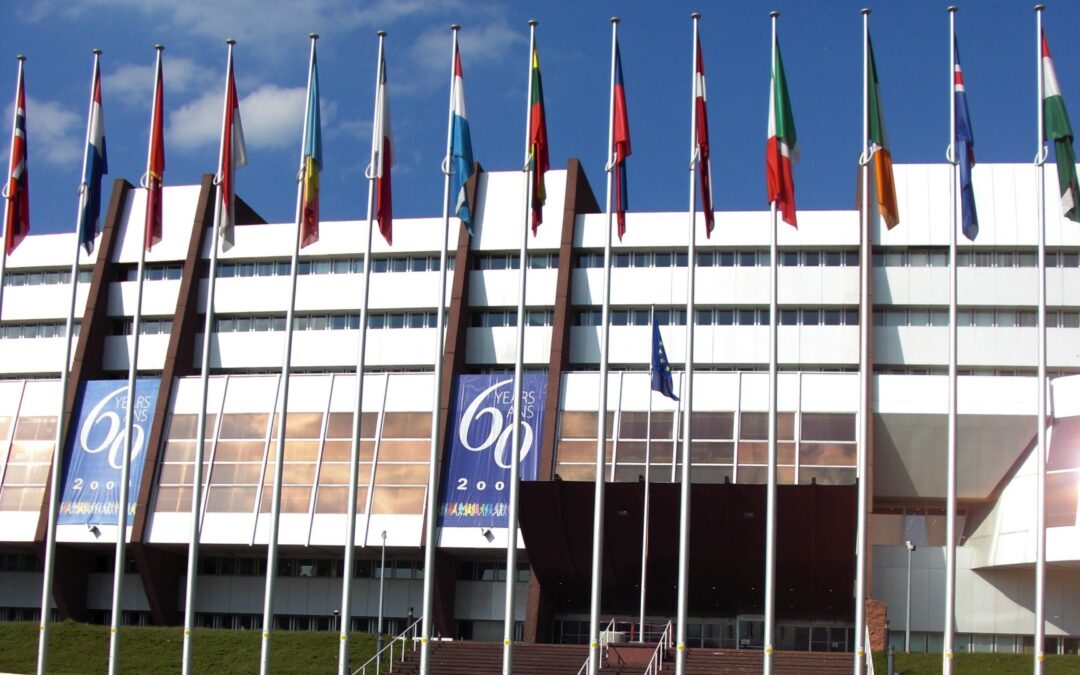
The ICJ presented a submission on the systems of extradition, expulsion and abductions of the Russian Federation to the Committee of Ministers of the Council of Europe.
The submission was presented for the consideration by the Committee of Ministers of the Council of Europe on the implementation by the Russian Federation of a series of judgments of the European Court of Human Rights in the group of cases Garabayev v. Russia and others.
In particular, the ICJ presented its recent findings in the report Transnational Injustices – National Security Transfers and International Law that provides the most recent assessment of the systems of extradition, expulsion and abduction/rendition of the Russian Federation and States in Central Asia compared with the laws and practices in this field of EU Member States and the US rendition system.
The ICJ submission refers to the lack of compliance by the Russian Federation with the judgments of the European Court of Human Rights with regard to the respect of the principle of non-refoulement (articles 3 ECHR), the lack of effective remedy against violations of this principle (article 3 and 13 ECHR), as well as the lack of compliance with the Court’s interim measures (article 34 ECHR).
Russian Federation-Garabaev-Transfer-Shortcomings-Advocacy-Legal submissions-2017-ENG (Download the submission)
Oct 31, 2017 | Адвокаси, Юридические заявления
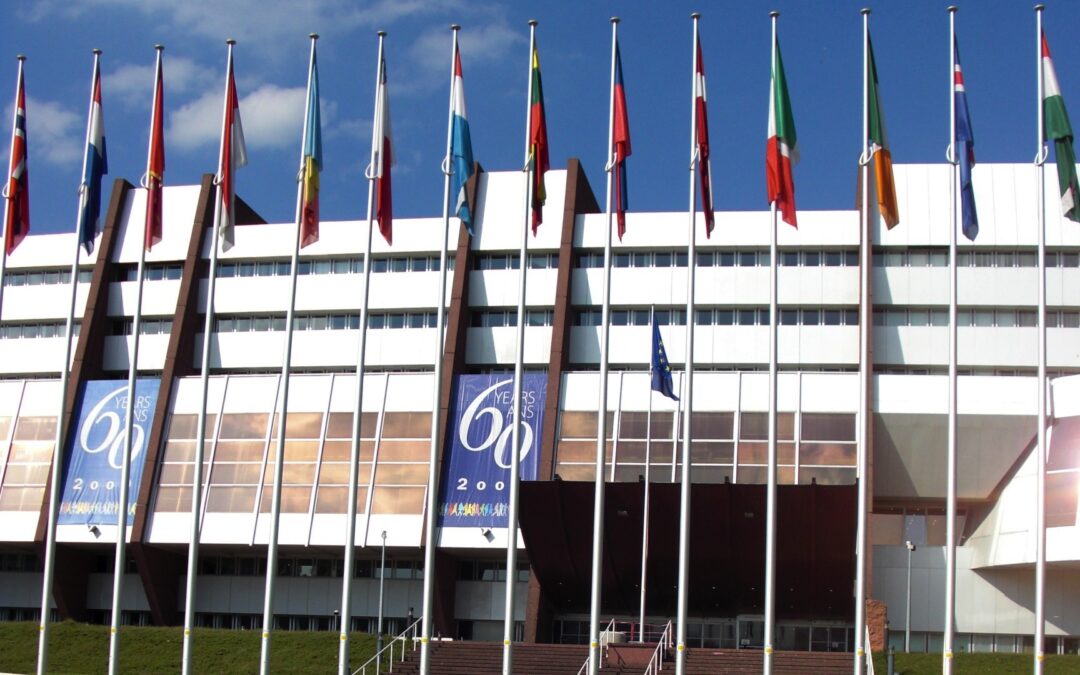
МКЮ представила документ о системах выдачи, высылки и похищений Российской Федерации в Комитет министров Совета Европы.
Документ был представлен для рассмотрения Комитета министров Совета Европы по вопросу об осуществлении Российской Федерацией ряда постановлений Европейского суда по правам человека в группе дел «Гарабаев против России» и других.
В частности, МКЮ представила свои последние выводы в докладе «Транснациональная неправосудность – перемещение лиц по соображениям национальной безопасности», в которых представлена самая последняя оценка систем екстрадиции, высылки и похищения/выдачи Российской Федерации и государств в Центральной Азии по сравнению с закономи и практикой в этой области государств-членов ЕС и системы выдачи США.
Представление МКЮ относится к отсутствию соблюдения Российской Федерацией постановлений Европейского Суда по правам человека в отношении соблюдения принципа невыдворения (статьи 3 ЕКПЧ), отсутствие эффективного средства правовой защиты от нарушений этого принципа (статья 3 и 13 ЕКПЧ), а также отсутствие соблюдения временных мер Суда (статья 34 ЕКПЧ).
Russian Federation-Garabaev-Transfer-Shortcomings-Advocacy-Legal submissions-2017-ENG (Скачайте документ на английском)
Oct 27, 2017 | Новости, Статьи
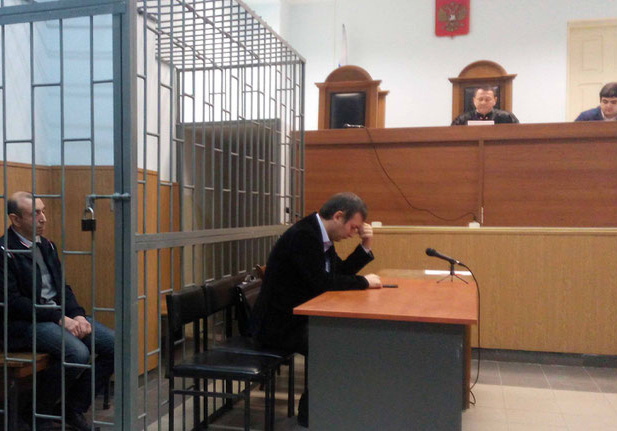
Сегодня Международная комиссия юристов (МКЮ) выразила обеспокоенность в связи с сообщениями о преследованиях в отношении адвоката Шамиля Магомедова после того, как суд оправдал его подзащитного Султанхана Ибрагимова по обвинению в убийстве.
Как заявила МКЮ, по соответствующим жалобам должно быть проведено расследование, и власти должны разъяснить сотрудникам правоохранительных органов, что подобное запугивание и преследования категорически запрещены.
По сообщению адвоката, 19 октября, в то время когда он был в Москве, сотрудник правоохранительных органов явился к нему домой в Дагестане и опросил его семью о местонахождении адвоката, а также «почему он так много жалуется в правоохранительные органы».
По мнению адвоката, это связано с оправдательным приговором по делу его подзащитного Султанхана Ибрагимова, который был вынесен тремя днями ранее.
Когда адвокат заявил о данном инциденте суду, прокурор Магомед Алиев возразил, что такие визиты сотрудников правоохранительных органов являются обычной практикой.
МКЮ считает, что в данной ситуации визит сотрудника правоохранительных органов и проведенный им опрос членов семьи адвоката относительно его профессиональной деятельности объективно может расцениваться исключительно как форма запугивания и преследования.
Международные стандарты, такие как Основные принципы ООН, касающиеся роли юристов, устанавливают, что правительства должны обеспечить, чтобы юристы «могли выполнять все свои профессиональные обязанности в обстановке, свободной от угроз, препятствий, запугивания или неоправданного вмешательства», и «не подвергались судебному преследованию и судебным, административным, экономическим или другим санкциям за любые действия, совершенные в соответствии с признанными профессиональными обязанностями, нормами и этикой, а также угрозам такого преследования и санкций».
МКЮ призывает компетентные органы прокуратуры и правоохранительные органы разъяснить всем своим сотрудникам, что любая форма запугивания и преследования адвокатов, в том числе нанесение визита семье адвоката и опрос членов семьи о профессиональной деятельности адвоката, которая защищается законом, категорически запрещены.
Дополнительная информация:
Шамиль Магомедов, адвокат из Дагестана, защищал интересы Султанхана Ибрагимова, обвинявшегося в убийстве Алисултана Омарова, тренера по греко-римской борьбе, в 2015 г., и убийстве лидера движения «Садвал» Назима Гаджиева в 2016 г.
16 октября суд присяжных оправдал Султанхана Ибрагимова по всем пунктам обвинения.
Russia-Shamil Magomedov statement-News-web stories-2017-RUS (история на русском, PDF)
Oct 27, 2017 | News
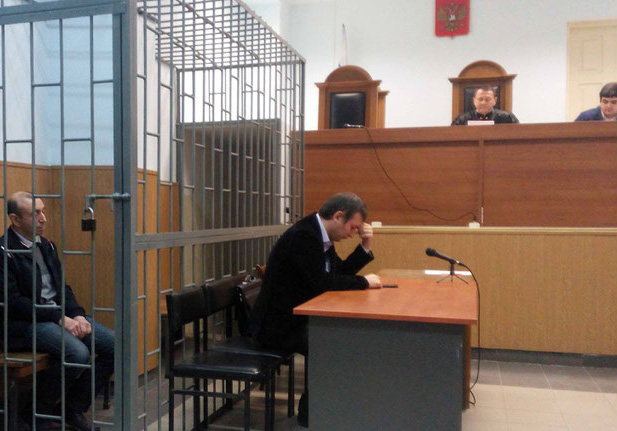
Today, the ICJ expressed concern at the allegations of harassment of lawyer Shamil Magomedov following an acquittal of his client Sulntankhan Ibragimov, who had been accused of murder.
The allegations should be investigated and authorities must make clear to law enforcement officials that such intimidation and harassment is prohibited, the ICJ said.
Yesterday, the lawyer alleged that on 19 October, while he was in Moscow, a law enforcement officer visited his home in Dagestan and questioned his family members about his whereabouts and “why he complained so much to law enforcement bodies”.
The lawyer believes this is related to the acquittal of his client, Sulntankhan Ibragimov, in whose case a decision had been delivered three days before.
When the matter was raised in court, Prosecutor Magomed Aliyev claimed the law enforcement officer’s visit was routine.
The ICJ considers that in the circumstances, the visit to and questioning by a law enforcement officer of a lawyer’s family about his professional activities could only reasonably be understood as a form of intimidation or harassment.
International standards, such as the UN Basic Principles on the Role of Lawyers, provide that governments must ensure that lawyers “are able to perform all of their professional functions without intimidation, hindrance, harassment or improper interference” and “shall not suffer, or be threatened with, prosecution or administrative, economic or other sanctions for any action taken in accordance with recognized professional duties, standards and ethics.”
The ICJ calls on the relevant prosecutorial and law enforcement authorities to make clear to all their officials that all intimidation and harassment of lawyers, including by visiting and questioning a lawyer’s family about the lawyer’s protected professional activities, is prohibited.
Background
Shamil Magomedov, a lawyer from Dagestan, defended Sultankhan Ibragimov in a case where he was charged with the muder of Alisultan Omarov, a Greco-Roman wrestling coach, in 2015 and the murder in 2016 of Nazim Gadjiev, the leader of the “Sadval” movement.
On 16 October, the jury trial found Sultankhan Ibragimov not guilty on all accounts.
Russia-Shamil Magomedov statement-News-web stories-2017-RUS (story in Russian, PDF)
Oct 17, 2017 | News
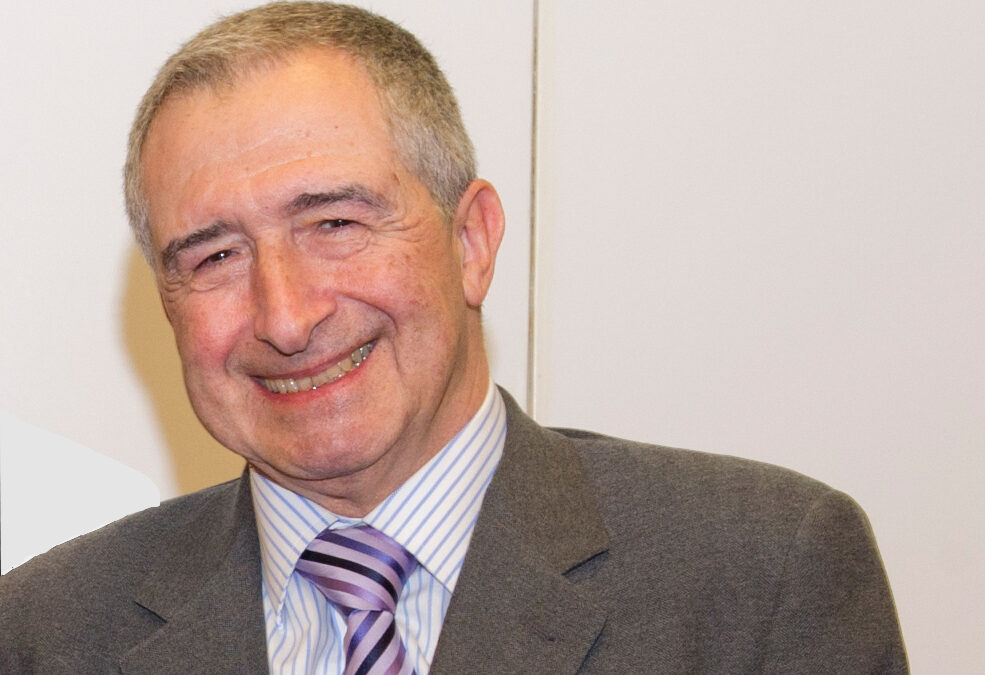
Sir Nigel Rodley, ICJ President, fought tirelessly for human rights in a remarkable career as a jurist spanning more than five decades. You can help the creation of a documentary on his life and achievements.
Human Rights in the Picture, in close collaboration with the Human Rights Centre of Essex University and Docudon Production, hopes to create a documentary on Sir Nigel’s life story and his outstanding achievements to inspire, teach and shape new generations of students and human rights practitioners.
To make this happen, they are asking for help.
Human Rights in the Picture is raising 60.000 euros by crowdfunding in 42 days.
View the teaser of the documentary
For further details, and to make a donation, please see here: www.crowdfundingNigelRodleyfilm.org