Mar 31, 2021
For International Transgender Day of Visibility, the ICJ launched a report setting out an overview of States’ legal obligations under the international human rights framework in relation to issues of sexual orientation, gender expression and gender identity, and an analysis of the human rights situation of LGBT persons in Colombia, Malaysia and South Africa.
The 60-page report, Invisible, Isolated, and Ignored: Human Rights Abuses Based on Sexual Orientation and Gender Identity/Expression in Colombia, South Africa and Malaysia, was launched through a discussion facilitated by The Cheeky Natives, a literary podcast, with four activists from the three countries on which the report focussed. The activists discussed the content of the report through the lens of their own experience of working with LGBT persons in the respective countries
“As a country, South Africa has possibly one of the most progressive constitutions in the world. It explicitly names sexual orientation. We recognise civil unions; we have a legal gender recognition law. On paper, we are beautiful. In practice, I think we have continuously failed to actualise these rights: access to education, access to healthcare, access to anything that is a general need for every other human being has not been the same for LGBTI people and as marginalised as LGBTI people are in the country, Trans people sit on the margins of that marginalisation,” said Akani Shimange, Director of Matimba, a South African organisation which advocates for kids and teenagers that are transgender or/and gender variant to have happy and healthy lives.
The report aims to offer an overview of different contexts and issues relevant to the respect, protection and promotion of the human rights of LGBT people through a human rights-based analysis and, in so doing, it aims to support lawyers working to enhance protection for the human rights of LGBT persons within their challenging domestic legal frameworks.
“To this day, discrimination and abuse on the basis of sexual orientation and gender identity remain rampant around the world. It is important to listen to accounts of LGBT persons who constantly face criminalization, lack of acceptance and continued violence in a climate of impunity exacerbated by the COVID-19 outbreak. This report considers these obstacles, and also makes recommendations to overcome them,” said Sam Zarifi, Secretary General of the ICJ.
The report provides support to the work of LGBT human rights defenders working on human rights issues, as well as assisting policymakers to better understand the impact of law and policy on the human rights of LGBT persons globally.
In addition, the report makes country-specific recommendations to enhance respect, protection and promotion of the human rights of LGBT persons with a view to ameliorating their lives. In Malaysia, where the laws are considerably different from the more progressive Colombian and South African legal frameworks, the recommendations mostly focused around the decriminalization of same-sex consensual conduct and abolition of all laws that criminalize sexual orientation and gender diverse identities as these laws threaten the safety and security of LGBT people and also detrimentally affect the ability of LGBT persons to exercise and enjoy their human rights without discrimination.
As for the Colombian and South African recommendations, the emphasis was on ensuring LGBT persons’ effective access to and enjoyment of existing rights, as well as conducting training programmes on the human rights of LGBT persons based on national and international human rights standards. Additionally, the report calls for programmes to raise awareness about harmful stereotypes, including the use of pejorative language, directed at LGBT persons. In particular, with respect to South Africa, the report documented the limitation on the enjoyment of human rights that have arisen as a consequence of making medical interventions and medical reports mandatory for gender marker change.
Contact
Nokukhanya (Khanyo) Farisè, Legal Adviser (Africa Regional Programme), e: nokukhanya.farise(a)icj.org
Tanveer Jeewa, Legal and Communications Officer (Africa Regional Programme), e: tanveer.jeewa(a)icj.org
Download
Colombia-SouthAfrica-Malaysia-SOGIE-Publications-Reports-Thematic reports-2021-ENG
Mar 29, 2021
The ICJ recently submitted an amicus curiae brief to the Inter-American Court of Human Rights in the case of Manuela v. El Salvador.
The ICJ’s written submissions to the Inter-American Court of Human Rights focused on the right to respect for and protection of information about one’s health under both the Convention on Human Rights and Biomedicine and the case-law of the European Court of Human Rights. In particular, the ICJ observed that the right to private life guarantees respect for and protection of information about one’s health, such as personal and medical data, including relating to an abortion, to one’s sexual life and references to one’s health treatment.
For more information about the case, see https://reproductiverights.org/press-room/inter-american-commission-human-rights-filed-case-manuela-vs-el-salvador-inter-american
Salvador-Manuela amicus brief-Advocacy-legal submission.2021-ENG (Amicus brief in PDF, English)
Salvador-Manuela amicus brief-Advocacy-legal submission.2021-SPA (Amicus brief in PDF, Spanish)
Mar 11, 2021 | Incidencia
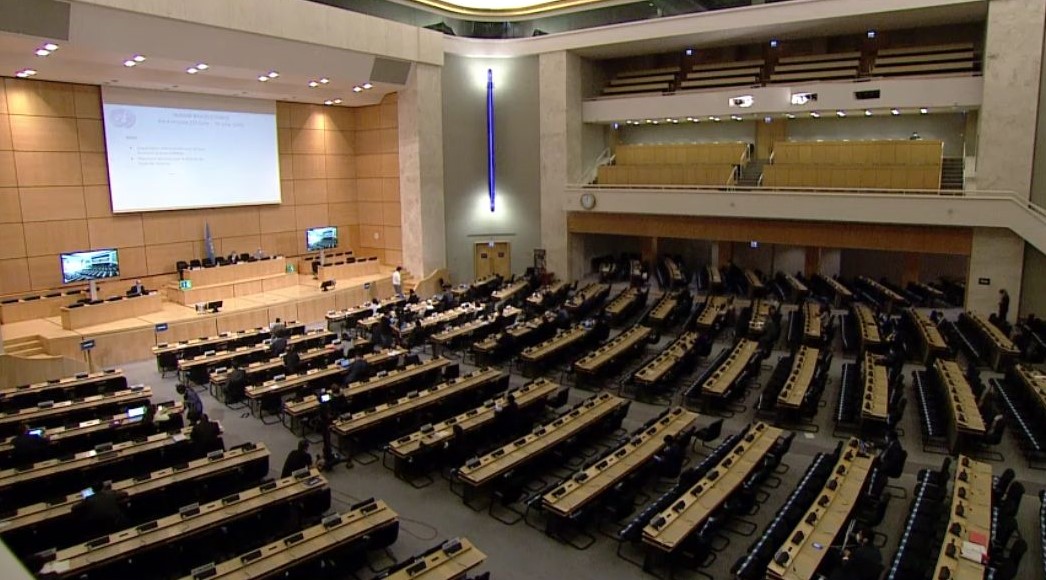
Hoy, la CIJ pidió à la Oficina de la Alta Comisionada para los Derechos Humanos de asegurar transparencia y participación de sus actividades en Venezuela, durante el dialogo sobre la actualización oral de Alta Comisionada para los Derechos Humanos sobre la situación en Venezuela
Aqui la Declaración Oral:
“Señora Presidenta,
La Comisión Internacional de Juristas agradece la actualización oral de la Alta Comisionada sobre la situación en Venezuela, particularmente respecto de la cooperación entre su oficina y las autoridades venezolanas.
La CIJ subraya la importancia de la transparencia en las actividades realizadas bajo el Memorándum de Entendimiento (MDE) firmado por ambas partes. La publicación del MDE para informar al público y asegurar el óptimo involucramiento de las partes interesadas, es fundamental para su éxito.
La CIJ enfatiza que además de los derechos civiles y políticos, los derechos económicos sociales y culturales continúan siendo violados en Venezuela; esta situación se ha visto agravada por la pandemia de COVID-19. En enero de 2021, al menos 37 trabajadores habían fallecido debido a la falta de equipos de protección y suministros básicos en los centros de salud.
Además, a la luz de los recientes anuncios de autoridades venezolanas, parecen existir consideraciones políticas en las prioridades del plan de vacunación contra la COVID-19, en lugar de criterios objetivos y de salud pública, lo que podría dar lugar a discriminación y denegación de igual protección ante la ley.
La CIJ recomienda que la Alta Comisionada monitoree y reporte sobre el cumplimiento de sus recomendaciones previas que fueron realizadas a las autoridades estatales, así como sobre el involucramiento más amplio de su oficina con organizaciones de la sociedad civil local, con miras a proteger los derechos humanos
Gracias.”
Contact:
Massimo Frigo, ICJ UN Representative, e: massimo.frigo(a)icj.org, t: +41797499949
Mar 11, 2021 | Advocacy, Non-legal submissions
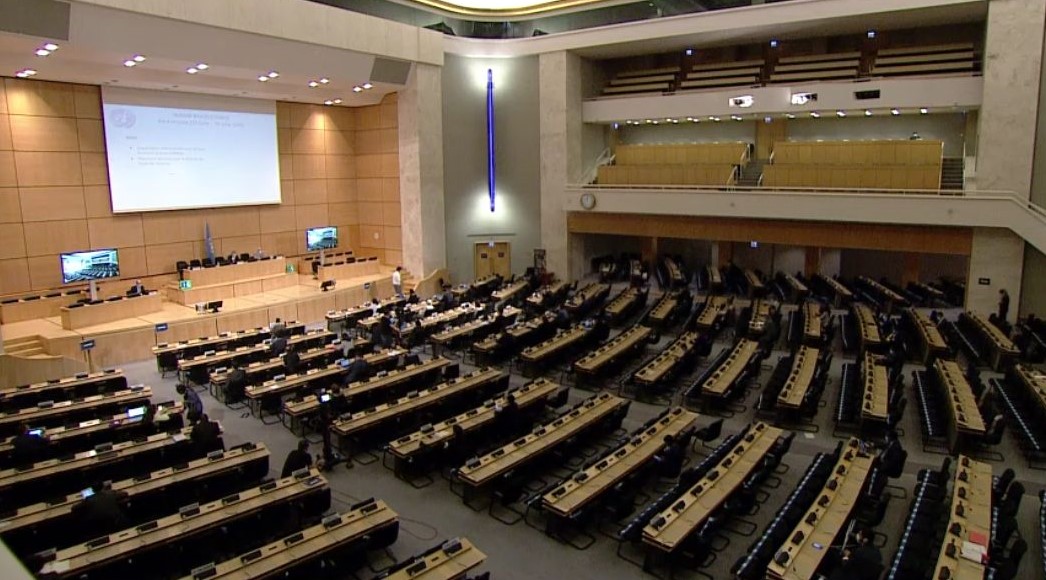
Today, the ICJ called on the Office of the High Commissioner for Human Rights to guarantee transparency and participation in its activities in Venezuela in an oral statement delivered during the interactive dialogue on the oral update by the UN’s High Commissioner of Human Rights on Venezuela.
The statement reads as follows:
“Madame President,
The International Commission of Jurists (ICJ) welcomes the High Commissioner’s oral update on the situation of human rights in Venezuela, particularly regarding the cooperation between her office and the Venezuelan authorities.
The ICJ underscores the importance of transparency on the activities conducted under the Memorandum of Understanding (MoU) signed by both parties. Publication of the MoU to inform the public and ensure the optimal engagement of stakeholders is critical to its success.
The ICJ stresses that in addition to civil and political rights, economic, social, cultural rights continue to be violated in Venezuela, a situation aggravated by the COVID-19 pandemic. As of January 2021, at least 37 health workers have died due to the lack of protective equipment and basic supplies in healthcare centers.
In light of recent announcements by Venezuelan authorities, political considerations appear to be a driving factor in the COVID-19 vaccine prioritization plan, instead of objective and public health criteria, which could lead to discrimination and a denial of equal protection of law.
The ICJ recommends that the High Commissioner monitor and report on the status of the Venezuelan authorities’ compliance with her previous recommendations, and on her broader engagement with local civil society with a view to protecting human rights.
Thank you.”
Contact:
Massimo Frigo, ICJ UN Representative, e: massimo.frigo(a)icj.org, t: +41797499949
Mar 10, 2021 | Incidencia
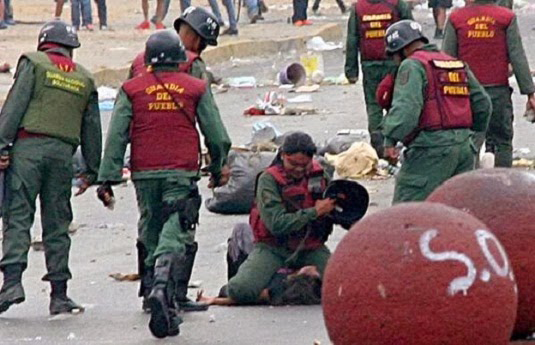
Hoy, la CIJ alertó el Consejo de Derechos Humanos de la ONU sobre la persistencia de las graves y generalizadas violaciones a los derechos humanos en Venezuela, en el contexto du un dialogo sobre actualización oral de la Misión Internacional Independiente para la Determinación de los Hechos sobre la situación en Venezuela.
La declaración oral:
“Señora Presidenta,
La Comisión Internacional de Juristas (CIJ) agradece la actualización oral presentada por la Misión Internacional Independiente para la Determinación de los Hechos (FFM) acerca de la situación en Venezuela.
La CIJ llama la atención sobre la persistencia de las graves y generalizadas violaciones a los derechos humanos reportadas por la FFM en su informe de 2020, incluyendo las ejecuciones extrajudiciales.
Las autoridades venezolanas han incumplido totalmente las recomendaciones de la Misión, incluida la necesidad de realizar “investigaciones rápidas, eficaces, exhaustivas, independientes, imparciales y transparentes de las violaciones de los derechos humanos y los delitos”. Esto resalta el déficit de independencia de los jueces y de los fiscales, lo que ha socavado el derecho a un juicio justo.
La CIJ está extremadamente preocupada por los ataques a defensores de derechos humanos y organizaciones de la sociedad civil en Venezuela por parte de las autoridades, que incluyen la criminalización de la defensa de los derechos humanos, siendo que esta defensa está protegida por el derecho internacional de los derechos humanos. Las organizaciones afectadas en 2020 incluyen a “Acción Solidaria”, “Provea”, “Alimenta la Solidaridad” y “CONVITE”, y a principios de este año cinco miembros de “Azul Positivo” fueron detenidos arbitrariamente y continúan siendo acosados.
La CIJ insta a las autoridades venezolanas a garantizar su plena cooperación con la FFM y a cesar de inmediato los ataques contra defensores de derechos humanos; a realizar investigaciones independientes y llevar ante la justicia a los responsables de graves violaciones de derechos humanos; y a eliminar los obstáculos para el acceso a la justicia de las víctimas.
Gracias.”
Contacto:
Massimo Frigo, Representante de la CIJ ante la ONU, e: massimo.frigo(a)icj.org, t: +41797499949