Mar 10, 2021 | Advocacy, Non-legal submissions
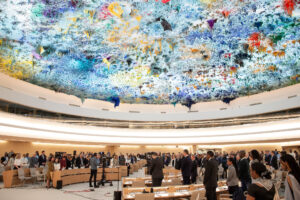
The ICJ delivered a statement today on the occasion of the interactive dialogue on the oral update by the Independent International Fact-Finding Mission on the situation in Venezuela calling for attention to the persistence of widespread serious human rights violations in the country.
The statements reads as follows:
“Madame President,
The International Commission of Jurists (ICJ) welcomes the Independent International Fact-Finding Mission’s oral update on the situation in Venezuela.
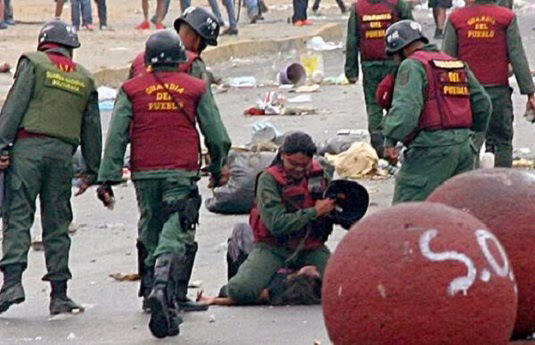
The ICJ calls attention to the persistence of widespread serious human rights violations, as reported by the FFM in its 2020’s report, including extrajudicial killings.
Venezuelan authorities have wholly failed to comply with the Mission’s recommendations, including the need for “prompt, effective, thorough, independent, impartial and transparent investigations into the human rights violations and crimes”.
This underscores the deficits in judicial and prosecutorial independence that has undermined fair trial rights.
The ICJ is extremely concerned about attacks on human rights defenders and civil society organizations in Venezuela by the authorities, which include the criminalization of the defence of human rights protected under international human rights law.
Civil society organizations that were targeted in 2020 include “Acción Solidaria”, “Provea”, “Alimenta la Solidaridad” and “CONVITE”, and early this year five members of “Azul Positivo” were arbitrarily detained and continue to be harassed.
The ICJ urges that the Venezuelan authorities ensure their full cooperation with the FFM and immediately cease the attacks on human rights defenders; conduct independent investigations and bring to justice those responsible for serious human violations; and remove obstacles to access to justice for victims.
Thank you.”
Contact:
Massimo Frigo, ICJ UN Representative, e: massimo.frigo(a)icj.org, t: +41797499949
Feb 23, 2021 | Editorial, Noticias
Una opinión editorial de César Landa, Comisionado de la CIJ
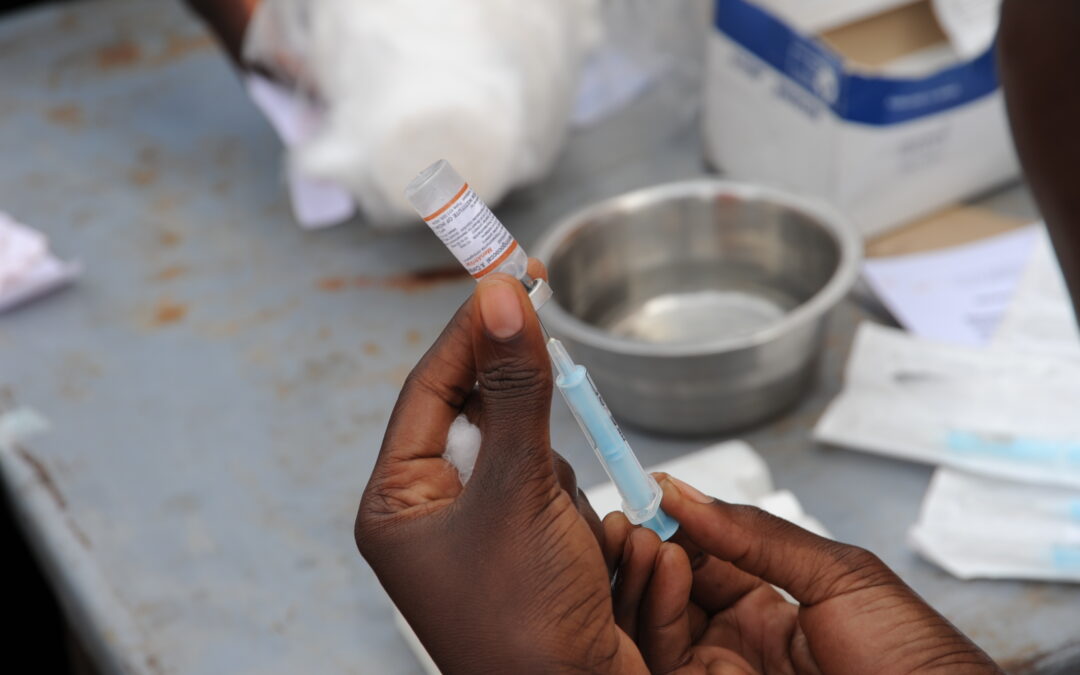
Desde el 2020 la pandemia del Covid-19 ha dejado millones de infectados y muertos en el mundo. Frente a ello, la rápida producción de las vacunas en algunos de los países centrales occidentales, su autorización de emergencia por sus gobiernos, y la inequitativa distribución a nivel internacional y nacional ha puesto en evidencia graves problemas al Estado de Derecho en la protección del derecho a la salud.
El acceso a las vacunas, al ser un bien escaso y con una alta demanda en el mundo, es mostrado como un logro nacional por los gobiernos latinoamericanos, como en el caso del Perú. Pero, es el caso señalar que desde los ensayos clínicos de la vacuna Sinopharm, la prensa peruana ha descubierto que, entre setiembre y enero, se han beneficiado de la vacunación de forma anticipada y en secreto, cerca de 500 personajes de la élite política peruana, como el ex Presidente Vizcarra, dos ministras, candidatos al Congreso, etc; autoridades de las dos universidades encargadas de los ensayos clínicos, y; la alta burocracia del Ministerio de Salud y la Cancillería, entre otros. Claro está, desplazando al personal médico y a las poblaciones vulnerables más necesitadas de la vacuna.
Lo cual pone en evidencia la necesidad de atender la cuestión de la vacuna como un medicamento esencial con un enfoque de derechos humanos, esto es de acceso universal y equitativo, como ha postulado la CIJ. Lo cual demanda de ciertos estándares en la compra de las vacunas –eficaces y seguras-. Por ejemplo, la compra a distintos proveedores; que las negociaciones sean transparentes –sin cláusulas de confidencialidad- para evitar diferentes prácticas de corrupción; que se garantice el acceso no discriminatorio a las vacunas para todas las personas, incluidas las más vulnerables –indocumentadas, presos, etc.-, y; se desarrolle instancias de control de los procesos de vacunación público y privado, con acceso a recursos judiciales efectivos en casos de violación del derecho del acceso equitativo a la vacuna.
La vacunación masiva contra el Covid-19, tanto en el hemisferio norte como en el hemisferio sur, es una de las medidas sanitarias principales para evitar la propagación de una siguiente ola del virus a escala mundial. Más aún, ayudará a revertir los graves efectos que la pandemia tiene para el pleno ejercicio de las libertades y derechos clásicos –libertad de tránsito, derecho de reunión, libertad personal, etc.-, como sobre todo para los derechos económicos, sociales y culturales –salud, trabajo, educación, etc.-, especialmente para las poblaciones más vulnerables.
Es imposible garantizar que todo el mundo tenga acceso inmediato a una vacuna contra la COVID-19. Pero, tampoco es posible que a la fecha más de 130 países no hayan recibido/adquirido alguna de las vacunas. Lo cual, en buena medida, es el resultado de que diez países han acaparado la adquisición del 75% del total de las vacunas en el mundo, según lo ha informado el Secretario General de las Naciones Unidas.
La producción y distribución masiva de las vacunas implica enormes costos financieros, por ello, solo los países centrales occidentales pueden invertir en los laboratorios de las grandes corporaciones químico-farmacéuticas. Solo así, se han podido desarrollar en tiempo récord las vacunas que cuentan con consolidados procedimientos administrativos y sanitarios de control e incluso de emergencia para validarlas. También han entrado en competencia las vacunas de países en desarrollo como China, Rusia e India. Las cuales cuentan con procesos paralelos o autónomos de investigación, producción, validación y comercialización de sus vacunas.
De modo que, se presentan dos desafíos a ser resueltos en el marco de los derechos humanos universales. Uno, la implementación de un sistema internacional de protección de la salud que promueva la distribución de la vacuna a los países en desarrollo y más vulnerables que aún no han importado ninguna vacuna, utilizando el Mecanismo Mundial de Vacunas COVAX, respaldado por la Organización Mundial de la Salud (OMS).
Dos, la prioridad nacional para las primeras vacunas es al personal sanitario y a los trabajadores que prestan los cuidados de emergencia. Asimismo, tienen prioridad las personas que presentan mayores riesgos de desarrollar una afección grave si se infectan con el Covid-19. Esto cubre cualquier causa como la edad, la existencia de patologías previas y la pobreza. También incluye a los pueblos indígenas, las minorías raciales, los migrantes, los refugiados, los desplazados, los reclusos y otras poblaciones marginadas y desfavorecidas.
Aunque, por el momento, la vacuna es un bien esencial y escaso, ello no justifica a los gobernantes a garantizar la salud y/o vida de sus ciudadanos de manera exclusiva. La humanidad no puede retornar, incluso transitoriamente, a un estado de naturaleza hobbesiano, donde “el hombre es lobo del hombre”; sino que, precisamente en estas aciagas circunstancias para la salud y la vida de miles de millones de seres humanos, corresponde apelar a la solidaridad internacional basada en la dignidad humana.
Descarga la opinión editorial en Inglés y Español.
Feb 23, 2021
An opinion piece by César Landa, ICJ Commissioner from Peru.
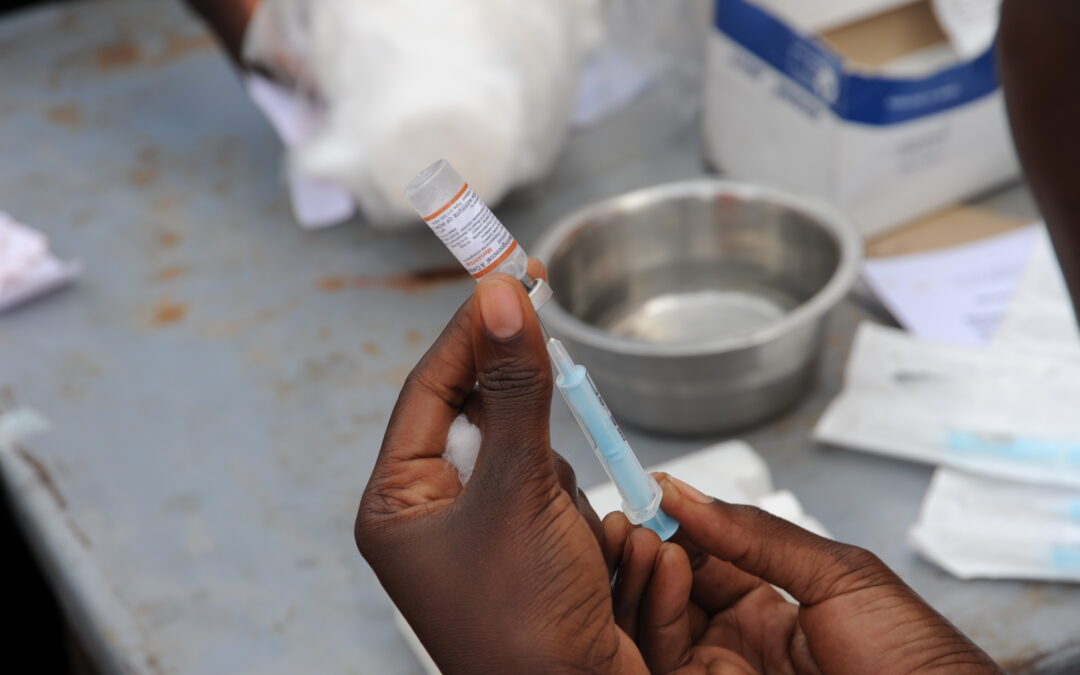
Since 2020, the COVID-19 pandemic has resulted in millions of infections and deaths across the globe. In response to this crisis, there have been rapid development and production of vaccines in some countries of the global North and governments have approved and emergency use of the vaccines. However, vaccine distribution has been unequal at the national and international levels.
Since COVID-19 vaccines are scarce and much demanded goods, widespread access to them is treated as a national achievement by various Latin American governments, including Peru. In the case of Peru, it is important to note that since the introduction of the clinical trials of the Sinopharm vaccine, media sources have reported that, between September and January, approximately 500 people from the Peruvian elite have been vaccinated secretly. These individuals include politicians, including former President Vizcarra, two ministers and candidates for Congress, authorities of the two universities leading the clinical trials, and high-level public servants of the Ministry of Health and Ministry of Foreign Affairs. These secret vaccinations were applied with a clear disregard for health workers and individuals in vulnerable conditions, who are most in need of the limited available vaccines.
The Peruvian case demonstrates the need to consider vaccines as an essential health product that requires the application of a human rights-based approach to guarantee universal and equal access to the vaccine, in line with international standards as argued by the International Commission of Jurists. A human rights-based approach requires some essential standards for the purchasing of effective and safe vaccines. These include, for example, the purchasing of vaccines from different suppliers; transparent negotiations, without confidentiality clauses, to prevent acts of corruption; access to vaccines for all without discrimination of any kind, including persons in vulnerable conditions, such as undocumented persons or prisoners; accountability mechanisms for public and private vaccination, which should include the access to effective judicial remedies in case of failure to provide non-discriminatory and equal access to the COVID-19 vaccine.
Equal access to vaccines is critical in both the global north and south. Mass-vaccination provides the singular, most effective measure to prevent a new global COVID-19 wave. Moreover, it will facilitate everyone’s ability to fully enjoy civil and political rights, which has been greatly compromised due to the pandemic. The rights impacted include the right to freedom of movement, the right to freedom of assembly and, the right to liberty. Critically, mass-vaccination will contribute to the protection of economic, social, and cultural rights, including the right to health, work, and education, particularly, in the case of persons in vulnerable conditions.
Although it is impossible to ensure immediate access to COVID-19 vaccines for everyone, it is not acceptable that, to date, more than 130 countries have not been able to acquire or receive a single vaccine dose. This is mainly a result of the fact that ten countries have acquired 75% of all available doses, according to the United Nations Secretary-General.
Since the mass production and distribution of vaccines are enormously high in cost, only a few of the wealthiest countries of the global north have had the means to invest in development and supplies from large pharmaceutical corporations. Only through such measures has it been possible to develop vaccines in record-time and consolidate administrative procedures as well as health controls and emergency approvals. Furthermore, vaccines from developing countries such as China, Russia, and India have also entered the market with parallel autonomous research, production, validation, and commercialization processes.
In light of the above, two main challenges need to be solved using the universal human rights framework. First, the implementation of an international system for the protection of health to promote the distribution of COVID-19 vaccines in developing and most vulnerable countries that have not acquired vaccine doses. To do so, the system should use the Global vaccine mechanism COVAX, supported by the World Health Organization.
Second, it should be ensured that the national vaccination plans prioritize health care workers and others who provide emergency care. Similarly, people at greater risk of developing serious illnesses from Covid-19 should be prioritized. This includes older persons, people with existing conditions that place them at risk, persons living in poverty, indigenous peoples, racial and ethnic minorities, migrants, refugees, displaced persons, prisoners, and other marginalized and disadvantaged people.
At the moment, COVID-19 vaccines are scarce goods. However, this should not be used as an excuse by Governments to only protect their inhabits’ right to health and right to life. Humanity cannot return, even temporarily, to a Hobbesian state of nature in which “man is wolf to man”. On the contrary, the current situation, with the life and health of billions of people are at risk, requires and appeal to international solidarity based on human dignity.
Download the Op-Ed in English and Spanish.
Feb 6, 2021 | Comunicados de prensa, Noticias
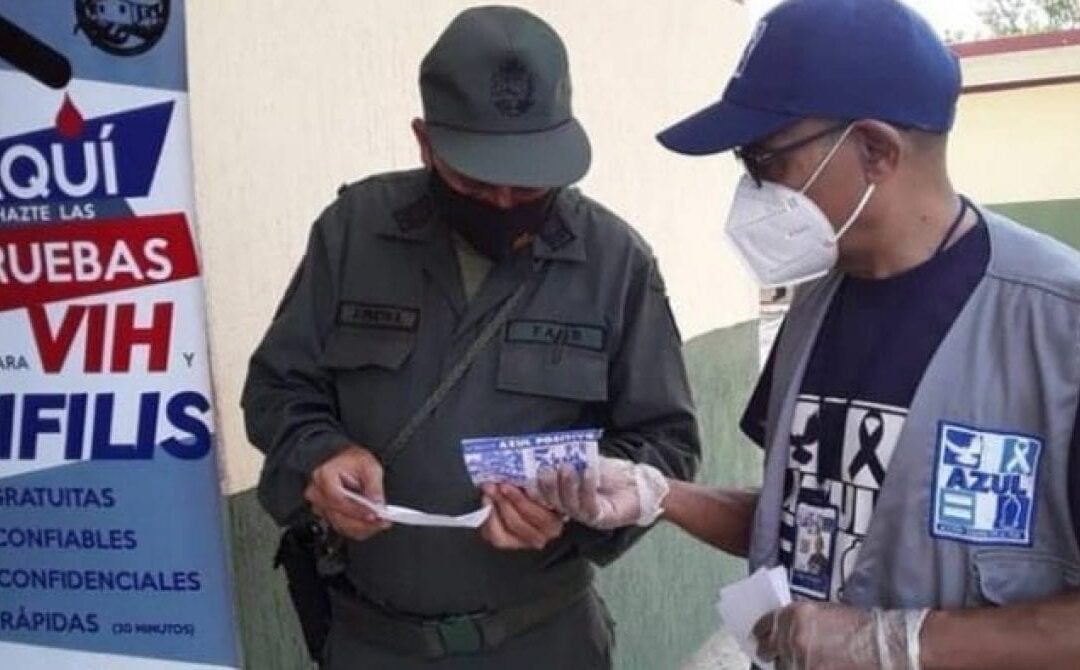
La reciente, continuada e injustificada detención de cinco miembros de la ONG venezolana “Azul Positivo” es un hecho más de una serie de amenazas, hostigamientos, ataques, restricciones, represalias y procesos penales contra las organizaciones de la sociedad civil y las personas defensoras de los derechos humanos venezolanas, que se ha intensificado desde noviembre de 2020.
En los últimos meses y semanas, agentes del Estado han entrado por la fuerza en las oficinas de las organizaciones de la sociedad civil; se han proferido amenazas públicas contra las personas defensoras que han interactuado con los mecanismos de derechos humanos, se han congelado las cuentas bancarias de las ONG y se han emitido órdenes de detención contra lxs trabajadorxs humanitarixs.
La sociedad civil venezolana opera en un contexto de graves obstáculos legales y administrativos, con leyes nacionales utilizadas para atacar a las personas defensoras de los derechos humanos, como la “Ley contra el Odio”, o que tienen el efecto de limitar las operaciones de las ONG y restringir su acceso a la financiación, esencialmente bloqueando el trabajo de muchas organizaciones vitales para las y los venezolanos necesitados.
En una declaración pública, varixs expertxs independientes en derechos humanos de la ONU y expertxs regionales han descrito las amenazas y las medidas adoptadas contra la sociedad civil venezolana desde noviembre de 2020 como una “persecución y estigmatización sistemáticas”.
Es esencial que las organizaciones humanitarias y de derechos humanos que responden a las graves crisis humanitarias y de derechos humanos en el país, que presionan para que se rindan cuentas por las violaciones y los abusos y para que se devuelvan las garantías que ofrecen las instituciones y los procesos democráticos, puedan realizar su trabajo sin miedo ni obstáculos.
Las personas defensoras de los derechos humanos son críticos, constructivos y esenciales para la promoción de la democracia y el funcionamiento del Estado de derecho. Los intentos de silenciarlos y acobardarlos son contraproducentes y vergonzosos. Instamos a las autoridades venezolanas a que garanticen el cese del hostigamiento y las amenazas contra las personas venezolanas y a que se respeten todas las garantías jurídicas internacionales. Hacemos un llamamiento a todos los Estados y a los organismos y agencias de la ONU para que apoyen activamente a las organizaciones de la sociedad civil, a las personas defensoras y a las y los activistas, y para que se pronuncien con fuerza y coherencia a favor del derecho a defender los derechos humanos en Venezuela y en todo el mundo.
Nos inspira el compromiso y el valor diarios de las personas defensoras de los derechos humanos y lxs trabajadorxs humanitarixs venezolanxs y nos solidarizamos con nuestrxs socixs y amigxs venezolanxs.
Amnistía Internacional
Centro por la Justicia y Derecho Internacional
CIVICUS
Civil Rights Defenders
Conectas Diretos Humanos
Freedom House
Global Centre for the Responsibility to Protect Human Rights Watch
International Commission of Jurists
International Service for Human Rights
People in Need
Washington Office on Latin America (WOLA)
Feb 6, 2021 | News
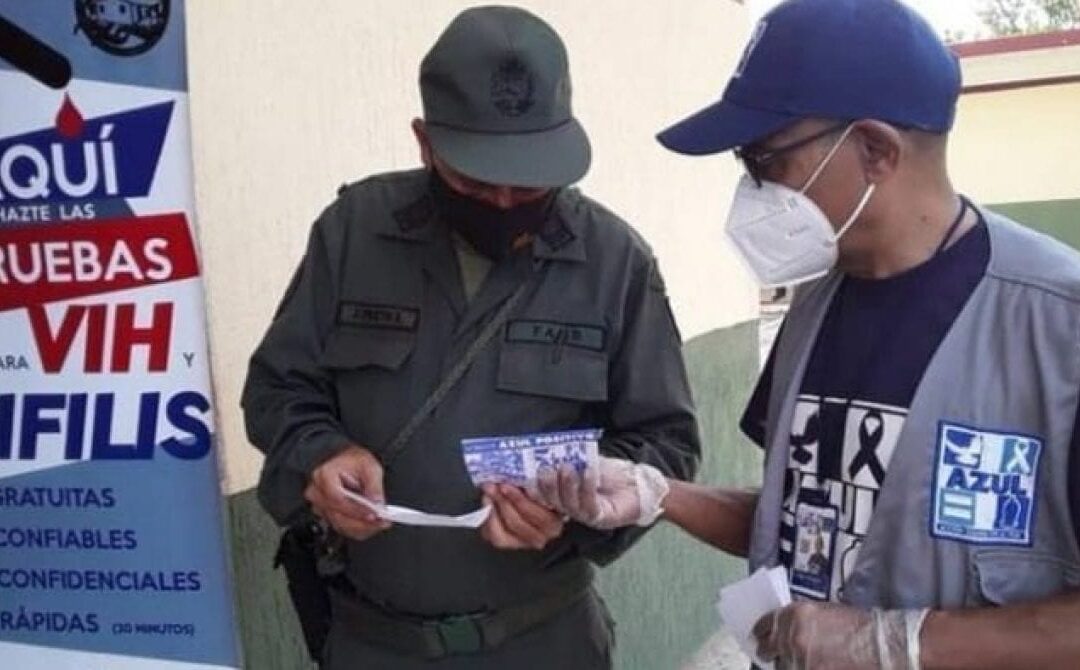
The recent, ongoing and unwarranted detention of five members of the Venezuelan NGO ‘Azul Positivo’ is one more event in a series of threats, harassment, attacks, restrictions, reprisals and criminal proceedings against Venezuelan civil society organizations and human rights defenders, which has been intensifying since November 2020.
In recent months and weeks, state agents have forcibly entered the offices of civil society organizations; public threats have been made against defenders who have been engaging with human rights mechanisms, NGO bank accounts have been frozen and arrest warrants issued for aid workers.
Venezuelan civil society operate in a context of serious legal and administrative obstacles with domestic laws used to target human rights defenders, such as the ‘Law Against Hate’, or having the effect of limiting the operations of NGOs and restricting their access to funding, essentially blocking the work of many organizations vital for Venezuelans in need.
In a public statement, a number of UN independent human rights experts and regional experts have described threats and measures taken against Venezuelan civil society since November 2020 as amounting to ‘systematic persecution and stigmatization.’
It is essential that humanitarian and human rights organizations responding to the grave humanitarian and human rights crises in the country, pushing for accountability for violations and abuses and the return of guarantees provided by democratic institutions and processes are able to do their work without fear or hindrance.
Human rights defenders are critical, constructive and essential to democracies and the functioning of the rule of law. Attempts to silence and cow them are counterproductive and shameful.
We urge the Venezuelan authorities to ensure that harassment and threats against Venezuelan defenders stop and for all international legal guarantees to be respected. We call on all states and UN bodies and agencies to actively support civil society organizations, defenders and activists and to speak up loudly and consistently for the right to defend human rights in Venezuela and globally.
We are inspired by the daily commitment and courage of Venezuelan human rights defenders and humanitarian workers and stand in solidary with our Venezuelan partners and friends.
Amnesty International
Center for Justice and International Law (CEJIL)
CIVICUS
Civil Rights Defenders
Conectas Diretos Humanos
Freedom House
Global Centre for the Responsibility to Protect
Human Rights Watch
International Commission of Jurists
International Service for Human Rights
People in Need
Washington Office on Latin America (WOLA)