Feb 5, 2021 | Advocacy, Non-legal submissions
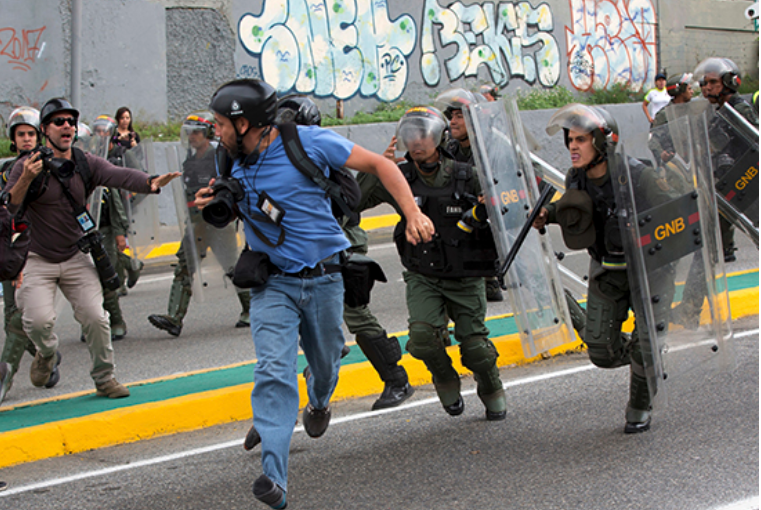
Today, the ICJ joined several human rights NGOs to stand in solidarity with Venezuelan NGOs subject to threats, harassment, attacks, restrictions, reprisals and criminal proceedings by State authorities.
The joint statement reads as follows:
The recent, ongoing and unwarranted detention of five members of the Venezuelan NGO ‘Azul Positivo’ is one more event in a series of threats, harassment, attacks, restrictions, reprisals and criminal proceedings against Venezuelan civil society organizations and human rights defenders, which has been intensifying since November 2020.
In recent months and weeks, state agents have forcibly entered the offices of civil society organizations; public threats have been made against defenders who have been engaging with human rights mechanisms, NGO bank accounts have been frozen and arrest warrants issued for aid workers.
Venezuelan civil society operate in a context of serious legal and administrative obstacles with domestic laws used to target human rights defenders, such as the ‘Law Against Hate’, or having the effect of limiting the operations of NGOs and restricting their access to funding, essentially blocking the work of many organizations vital for Venezuelans in need.
In a public statement, a number of UN independent human rights experts and regional experts have described threats and measures taken against Venezuelan civil society since November 2020 as amounting to ‘systematic persecution and stigmatization.’
It is essential that humanitarian and human rights organizations responding to the grave humanitarian and human rights crises in the country, pushing for accountability for violations and abuses and the return of guarantees provided by democratic institutions and processes are able to do their work without fear or hindrance.
Human rights defenders are critical, constructive and essential to democracies and the functioning of the rule of law. Attempts to silence and cow them are counterproductive and shameful.
We urge the Venezuelan authorities to ensure that harassment and threats against Venezuelan defenders stop and for all international legal guarantees to be respected.
We call on all states and UN bodies and agencies to actively support civil society organizations, defenders and activists and to speak up loudly and consistently for the right to defend human rights in Venezuela and globally.
We are inspired by the daily commitment and courage of Venezuelan human rights defenders and humanitarian workers and stand in solidary with our Venezuelan partners and friends.
Signatories:
- Amnesty International
- Center for Justice and International Law (CEJIL)
- CIVICUS
- Civil Rights Defenders
- Conectas Diretos Humanos
- Freedom House
- Global Centre for the Responsibility to Protect
- Human Rights Watch
- International Commission of Jurists
- International Service for Human Rights
- People in Need
- Washington Office on Latin America (WOLA)
Jan 15, 2021 | Comunicados de prensa, Noticias
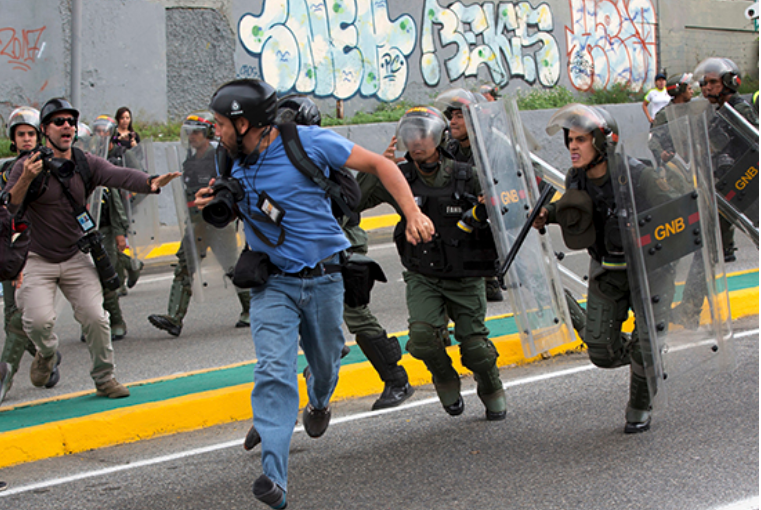
Las recientes campañas de estigmatización, hostigamientos y operativos contra medios de comunicación en Venezuela constituyen una arremetida contra la libertad de expresión e información y atentan contra la importante contribución que estos medios realizan para darle visibilidad a las violaciones de derechos humanos cometidas por las autoridades venezolanas.
Estos ataques se producen después de otros incidentes de hostigamiento a otras organizaciones y pueden ser parte de una campaña más amplia contra la sociedad civil en Venezuela, en la que las autoridades atentan contra la labor de defensa de derechos humanos que realizan estos grupos.
El medio de comunicación Efecto Cocuyo, la cadena de radios comunitarias Fe y Alegría, así como el Sindicato Nacional de Trabajadores de la Prensa, VPI TV y el diario Panorama, entre otros medios de comunicación, se convirtieron en el blanco de campañas estigmatizantes y operativos de fiscalización por parte de las autoridades que responden a Nicolás Maduro. Según la organización venezolana de derechos humanos Provea, durante los primeros ocho meses del estado de alarma declarado por la pandemia han sido detenidos 66 periodistas y trabajadores de medios de comunicación en Venezuela.
Desde el 6 de enero de 2021, medios de comunicación independientes como Efecto Cucuyo y El Pitazo fueron señalados primero por medios privados con una línea editorial afín al gobierno y luego por las autoridades, incluido el propio Maduro, de servir para “injerencia” extranjera por recibir cooperación internacional. Al mismo tiempo, el canal digital de noticias VPI TV fue sometido a una ardua fiscalización y a la incautación de sus equipos en su sede en Caracas, lo que provocó el cierre “momentáneo” de sus operaciones.
El 8 de enero, el diario Panorama dio a conocer en sus redes sociales que había sido clausurado por cinco días por el Servicio Nacional Integrado de Administración Aduanera y Tributaria (SENIAT), bajo el argumento de “incumplimiento a deberes formales de leyes tributarias”. La clausura fue acatada por el medio de comunicación.
Otros medios han sido objeto de ataques por parte de personas desconocidas durante el mismo período. Ejemplo de ello fue el reporte del periódico digital Tal Cual el 8 de enero, qué informó de un ataque digital de tres horas en su contra, durante las cuales hubo dificultades para acceder a su página web.
El gobierno de Nicolás Maduro frecuentemente usa señalamientos y otras formas de hostigamiento para amedrentar e intentar silenciar a quienes lo critican, expresan ideas contrarias a sus políticas, o denuncian violaciones de derechos humanos, e incluso contra actores humanitarios, atentando contra el derecho a la libertad de expresión.
Estos patrones de hostigamiento se pueden traducir en ataques graves contra la integridad, libertad y garantías judiciales de defensores de derechos humanos y periodistas. Según la Alta Comisionada para los Derechos Humanos Michelle Bachelet, en Venezuela “los periodistas y los defensores de los derechos humanos que critican al Gobierno siguen siendo objeto de intimidación y difamación pública” y existen “restricciones a la libertad de expresión” que incluyen la “aplicación de la legislación en contra del odio, ataques en contra de defensores de derechos humanos y detenciones de periodistas”.
Las violaciones a los derechos humanos ocurren de forma sistemática y generalizada en Venezuela, y la Misión de Determinación de los Hechos de las Naciones Unidas encontró “motivos razonables para creer que en Venezuela se cometieron crímenes de lesa humanidad” entre 2014 y 2020.
Las autoridades tienen la responsabilidad de prevenir estos hostigamientos y ataques, y abstenerse de alentarlos o realizarlos. La ocurrencia y recurrencia de este tipo de actuaciones, como la persecución en contra de defensores y periodistas, su detención ilegal o arbitraria, así como la eventual criminalización de la cooperación internacional que promueve la promoción y defensa de derechos humanos, incluida la libertad de expresión, podrían conducir a que se cometan otras graves violaciones de derechos humanos, incluyendo eventuales crímenes de derecho internacional.
Las organizaciones firmantes condenamos estos hechos y exigimos firmemente a las autoridades bajo el mando de Nicolás Maduro que pongan fin a los hostigamientos y ataques contra los medios de comunicación, periodistas y defensores de derechos humanos; igualmente solicitamos que garanticen no solo su labor informativa y el ejercicio de la libertad de expresión, sino también su contribución a visibilizar los abusos y las violaciones a derechos humanos que se cometen en Venezuela.
Organizaciones firmantes:
Amnistía Internacional
Comisión Internacional de Juristas
Conectas
Human Rights Watch
Oficina en Washington para Asuntos Latinoamericanos (WOLA)
Jan 15, 2021 | News
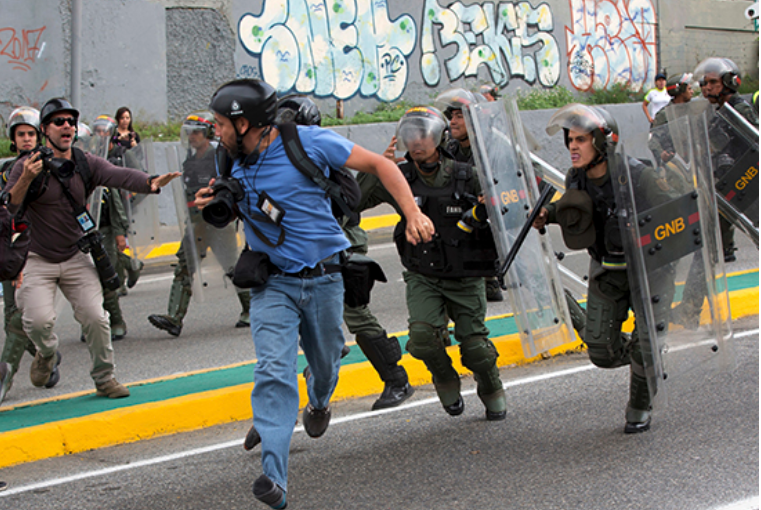
The recent campaigns of stigmatization, harassment, and repression against the media in Venezuela constitute a clear attack against the freedoms of expression and of access to information and infringe upon journalists’ important contributions to expose human rights violations committed by the authorities.
These attacks follow incidents of harassment of other organizations and may be part of a broader campaign against civil society in Venezuela, through which the authorities undermine the work that these groups carry out in defense of human rights.
The media outlet Efecto Cocuyo, community radio channel Fe y Alegría, as well as the National Press Workers Union, VPI TV, and news journal Panorama, among other media outlets, have become the target of stigmatization campaigns and legal scrutiny by the authorities that respond to Nicolás Maduro.
According to Venezuelan human rights organization PROVEA, during the first 8 months of the state of emergency declared in response to the pandemic, 66 journalists and media staff have been detained in Venezuela.
Since January 6, 2021, independent media organizations such as Efecto Cocuyo and El Pitazo have been accused, first by pro-government media and later by Venezuelan authorities—including Maduro himself—of advancing foreign “interference” efforts in exchange for international cooperation.
At the same time, digital news channel VPI TV was subject to an arduous audit and the seizure of its equipment from its office in Caracas, which provoked the “temporary” closing of its operations.
On January 8, daily newspaper Panorama announced on social media that its operations had been closed for five days by the National Integrated Service for the Administration of Customs Duties and Taxes (SENIAT), on the grounds of “incompliance with formal duties and tax obligations.” The media organization complied with this order to close.
Other media groups have faced attacks by unknown actors during this same period. One example is the digital newspaper Tal Cual, which on January 8 reported that it had been the target of a 3 hour-long digital attack, during which staff experienced difficulties accessing their own web page.
The government of Nicolás Maduro frequently uses public accusations and other forms of harassment to intimidate and attempt to silence those who criticize the government, express ideas contrary to its policies, or denounce human rights violations—including against humanitarian actors—all of which undermines the right to freedom of expression.
These patterns of harassment amount to serious attacks against the integrity, freedom, and judicial guarantees of human rights defenders and journalists.
According to High Commissioner for Human Rights Michelle Bachelet, in Venezuela “journalists and human rights defenders critical of the government continue to face intimidation and public defamation,” and there are clear “restrictions on the freedom of expression,” including the “application of legislation against targeted groups, attacks against human rights defenders and the detention of journalists.”
Human rights violations occur in a systematic and generalized manner in Venezuela, and the United Nations Fact-Finding Mission found “reasonable grounds to believe” that crimes against humanity were committed in Venezuela between 2014 and 2020.
The Venezuelan authorities have a responsibility to prevent such harassment and attacks, and to abstain from encouraging or committing them.
The occurrence and recurrence of these types of actions, including the persecution of human rights defenders and journalists, the violation of their freedom of expression or illegal or arbitrary detention, or the eventual criminalization of international support for human rights defenders, may amount to serious human rights violations or crimes under international law.
The below organizations condemn these incidents and firmly demand that authorities under the command of Nicolás Maduro put an end to the harassment and attacks against media outlets, journalists, and human rights defenders.
We also request that the authorities guarantee respect for the informative work of these groups and their freedom of expression, as well as their contributions to expose human rights abuses and violations committed in Venezuela.
Signing organizations:
Amnesty International
Conectas
International Commission of Jurists
Human Rights Watch
Washington Office on Latin America (WOLA)
Dec 8, 2020 | Editorial, Noticias
Una opinión editorial de Carolina Villadiego Burbano, Asesora Legal para America Latina de la CIJ, y Carlos Lusverti, Consultor de la CIJ.
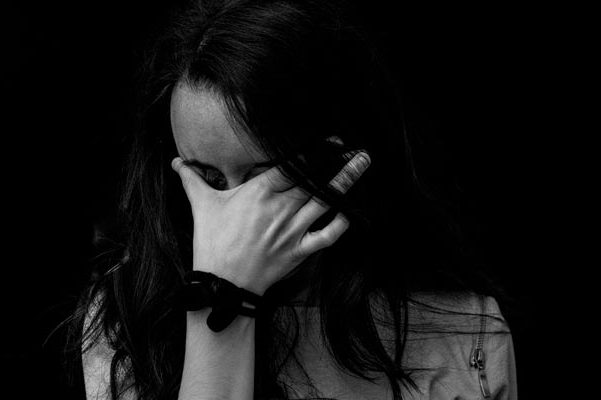
Los derechos humanos de las mujeres se han visto severamente afectados durante la pandemia de COVID-19 alrededor del mundo y Venezuela no es una excepción a esta tendencia. En medio de la crisis de derechos humanos generalizada que el país atraviesa desde 2014, y que ha tenido un impacto desproporcionado en mujeres y niñas, la COVID-19 y las medidas extraordinarias adoptadas por el gobierno para atender la pandemia han agravado la situación de derechos humanos de las mujeres.
En octubre de 2020, esta situación fue reconocida por el Consejo de Derechos Humanos de las Naciones Unidas.
Teniendo en cuenta lo anterior, en este texto analizamos las afectaciones al derecho a la salud y al derecho a una vida libre de violencia que enfrentan las mujeres en Venezuela durante la pandemia, con el objetivo de presentar algunas recomendaciones.
La salud de las mujeres está en riesgo
De acuerdo con la Comisión Económica para America Latina (CEPAL), las mujeres en Latinoamérica están significativamente afectadas durante la pandemia, y en el sistema de salud “representan el 72,8% del total de personas ocupadas en ese sector en la región.”
En Venezuela, el sistema de salud ya se encontraba en estado crítico antes que la pandemia envolviera al país, y la COVID-19 ha agravado la situación.
Durante varios años, distintas instituciones y organizaciones han descrito el terrible estado del sistema de salud en el país, y desde que estalló la pandemia, la Comisión Interamericana de Derechos Humanos (CIDH) y Human Rights Watch han mencionado la necesidad de proteger el derecho a la salud de las personas en Venezuela; la Alta Comisionada de las Naciones Unidas para los Derechos Humanos ha dado declaraciones similares.
Durante la pandemia, los limitados servicios de salud fueron direccionados principalmente a atender la COVID-19.
Esto tuvo como resultado una disminución del acceso a los servicios de salud no relacionados con COVID-19, incluidos aquellos necesarios para la atención en salud sexual y reproductiva y para mujeres gestantes.
Así, un grupo de 91 organizaciones de la sociedad civil y varias personas expresaron su preocupación por casos de mujeres embarazadas con sospechas de COVID-19 a quienes se les habría negado la atención oportuna, así como la suspensión de servicios pre y post natales en los centros de salud materna.
Este grupo destacó la necesidad de que las autoridades garanticen los derechos de las mujeres y niñas, incluyendo la atención en salud sexual y reproductiva.
Además, en cantidades alarmantes, las mujeres son responsables principales del cuidado de personas dependientes o que necesitan cuidado en el hogar, lo que las ha expuesto a riesgos adicionales durante la pandemia.
La Asociación Venezolana de Educación Sexual Alternativa (AVESA), una ONG local, ha documentado cómo las medidas de encierro y cuarentena han incrementado las tareas domésticas y han profundizado los problemas económicos que las mujeres ya estaban experimentando antes de la pandemia.
Las autoridades venezolanas deben actuar de manera más efectiva para proteger los derechos de las mujeres durante la pandemia de conformidad con sus obligaciones legales derivadas del derecho internacional de los derechos humanos.
En efecto, Venezuela es parte de varios tratados de derechos humanos que prevén estas obligaciones, incluyendo la Convención Interamericana para Prevenir, Sancionar y Erradicar la Violencia contra la Mujer (“Convención de Belém do Pará”) y la Convención de la ONU sobre la Eliminación de todas las Formas de discriminación contra la mujer (“CEDAW” por sus siglas en inglés).
El Comité de la CEDAW ha declarado que los Estados deben “[a]bordar el impacto desproporcionado de la pandemia en la salud de la mujer”; “[g]arantizar los servicios de salud sexual y reproductiva en tanto servicios esenciales”; “[p]roteger a las mujeres y niñas de la violencia de género”; y “[f]ortalecer la respuesta institucional, la difusión de información y la recopilación de datos”, entre otras recomendaciones.
Adicionalmente, las autoridades venezolanas deben adoptar políticas para la prevención y tratamiento de la COVID-19 con perspectiva de género, considerando un enfoque interseccional y los diferentes contextos en los que las mujeres pueden vivir en Venezuela, incluyendo la situación de pobreza.
Además, las autoridades deben asegurar la asignación adecuada de recursos al sistema de salud, garantizar el derecho a la salud del personal de la salud, y brindar servicios de salud sexual y reproductiva para todas las mujeres.
El hogar es un lugar inseguro para las mujeres
En 2019, organizaciones de la sociedad civil venezolana reportaron que en el 58.6% de los casos de violencia contra las mujeres, los perpetradores fueron sus parejas. Adicionalmente, en un 7,7% de los casos, los ataques fueron perpetrados por exparejas. De acuerdo con el monitoreo de medios que realiza COTEJO, durante ese año, 107 mujeres fueron víctimas de feminicidios.
El representante en Venezuela del Fondo de Población de las Naciones Unidas (UNFPA) dijo que, durante el primer semestre de 2020, ocurrieron más feminicidios que muertes por COVID-19. Por su parte, el Ministerio Público reportó el ingreso de 185 causas del delito de feminicidio durante 2020.
De otro lado, desde el inicio de la pandemia y hasta comienzos de octubre, la mayoría de juzgados y tribunales estuvieron cerrados, por lo cual, las mujeres han enfrentado mayores obstáculos para acceder a la justicia durante la pandemia.
Además, la Oficina de la ACNUDH dijo en julio que ha observado “una falta de diligencia debida en los procesos de investigación relativos a casos de violencia de género” en Venezuela.
Asimismo, según informó el Centro de Justicia y Paz (CEPAZ), una ONG local, existen varios obstáculos para el acceso a la justicia de las mujeres, incluida la evasión de las responsabilidades policiales cuando las mujeres acuden a presentar denuncias o la falta de respuestas rápidas por parte las fiscalías que dan lugar a que las víctimas tengan que pedir información de manera reiterada.
Por este motivo, las autoridades venezolanas deben abordar la violencia de género de conformidad con sus obligaciones legales derivadas del derecho internacional, incluyendo aquellas contenidas en la Convención Interamericana de Belem Do Pará que enfatiza que el Estado debe “actuar con la debida diligencia para prevenir, investigar y sancionar la violencia contra la mujer” (artículo 7b).
Asimismo, las autoridades venezolanas deben garantizar que el sistema de justicia brinde servicios a las mujeres víctimas de violencia de género, e incluir la adopción de protocolos específicos para la investigación efectiva y la protección de las víctimas.
Las autoridades deben cumplir la reciente sentencia de la Corte Interamericana de Derechos Humanos (caso Lopez Soto de 2018), y deben implementar programas de capacitación permanentes y obligatorios para los servidores públicos que laboran en el sistema judicial y en el sistema de salud, y que intervienen en los casos de mujeres víctimas de cualquier tipo de violencia.
Finalmente, las autoridades venezolanas deben permitir la acción legítima de las organizaciones humanitarias, quienes pueden brindar ayuda humanitaria con perspectiva de género durante la pandemia.
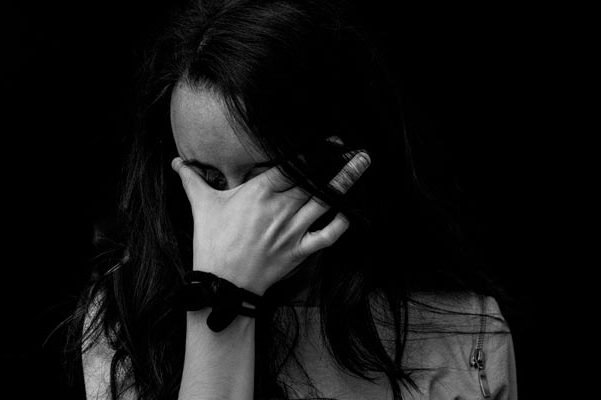
Dec 8, 2020
An opinion editorial by Carolina Villadiego Burbano, ICJ Latin America Legal and Policy Adviser, and Carlos Lusverti, ICJ consultant.
Around the world, women’s human rights have been severely and adversely affected during the COVID-19 pandemic, and Venezuela is no exception to this trend.
The more general ongoing human rights crisis that Venezuela has faced since 2014, which has had a disproportionate impact on women and girls, and the COVID-19 pandemic and the sometimes ill-conceived government measures to tackle the pandemic have combined to aggravate the situation of women’s human rights.
This was recently well expressed in a 2020 October Resolution on Venezuela by the UN Human Rights Council. It is against this backdrop that we discuss the health risks and the gender-based violence that women are facing during the pandemic in Venezuela with the aim to provide some recommendation for authorities.
Health risks for women
According to the Economic Commission for Latin America and the Caribbean (ECLAC), women in Latin America are “particularly affected by the pressure on health systems because they account for 72.8% of people employed in the sector in the region”.
The Venezuelan healthcare system was in a critical state before the COVID-19 pandemic engulfed the country, and the pandemic has aggravated the situation. For many years, several institutions and organizations have been expressing about the dire state of the health system in the country.
Since the pandemic struck, the Inter-American Commission of Human Rights (IACHR) and Human Rights Watch have called on the need to protect Venezuelans’ rights to health; the OHCHR has provided similar statements.
During the pandemic, the already limited health services have been primarily focused on responding to COVID-19. This has resulted in a diminished access to non-COVID-19 related health services, including those needed for sexual and reproductive care and for pregnant women.
A group of 91 Civil society organizations and additional individuals have expressed concerns about cases of pregnant women suspected of COVID-19 who have been denied timely care and the suspension of pre and postnatal care services in maternal health centers.
They stressed the need for the authorities to act to guarantee women’s rights, including access to sexual and reproductive care for women and girls.
Also, women in disproportionate numbers are responsible for dependents or people in need of care within their homes, and this has exposed them to additional risks during the pandemic.
The Asociación Venezolana de Educación Sexual Alternativa (AVESA), a local NGO, documented how the lockdown/quarantine measures increased home care tasks and deepened the economic problems women were already experiencing.
It is clear the Venezuelan authorities must act more effectively to protect women’s rights during the pandemic in line with their legal obligations under international human rights law.
Venezuela is party to several human rights treaties that provide for this legal obligation, including the Inter-American Convention for the Prevention, Punishment and Eradication of Violence against Women (“Convention of Belém do Pará”) and the UN Convention on the Elimination of all Forms of Discrimination against Women (“CEDAW”).
The CEDAW Committee has stated that States should “address the disproportionate impact of the pandemic on women’s health”; “provide sexual and reproductive health as essential services”; “protect women and girls from gender-based violence”; and “strengthen institutional response, dissemination of information and data collection”, among other recommendations.
Additionally, Venezuelan authorities should adopt policies related to the prevention and treatment of COVID-19 with gender perspective, considering the intersectional approach and the different contexts in which may women live in Venezuela, including situations of poverty.
Also, authorities should ensure proper resource allocation to the health system, guarantee the health right of the health workers, and provide sexual and reproductive health services for all women.
Home is an unsafe place for women
In 2019, Venezuelan civil society organizations reported that in 58.6% of the cases of violence against women, the perpetrators were their current partners; and in an additional 7.7% of the cases, the attacks were perpetrated by former partners.
According to the media monitoring done by COTEJO, during that year around 107 women were victims of femicides.
The United Nations Population Fund (UNFP) representative in Venezuela said that during the first semester of 2020 there were more femicides than people dying from COVID-19. Also, the Attorney General’s office reported on 185 cases during 2020.
From the start of the pandemic and until early October, most courts and tribunals were closed. As a result, women faced even greater obstacles in securing access to justice.
The OHCHR has reported that it observed “a lack of due diligence in investigative proceedings related to cases of gender-based violence” in Venezuela.
In addition, as reported by the Centro de Justicia y Paz (CEPAZ), a local NGO, there are several obstacles for access to justice for women, including the dereliction of police responsibilities when women go to file complaints or the lack of rapid answers from prosecutors that result in victims needing to repeatedly to ask them for information.
The Venezuelan authorities must better tackle gender-based violence according with their legal obligations under international law, including the Inter-American Convention of Belem Do-Pará that stresses that the state must “apply due diligence to prevent, investigate and impose penalties for violence against women” (Article 7b).
Also, authorities should do better to ensure that the justice system provide services for women victims of gender-based violence, including the adoption of specific protocols for the effective investigation and the protection of victims.
Venezuelan authorities should comply with the recent ruling of the Inter-American Court of Human Rights (Lopez Soto case of 2018), and must implement compulsory permanent training programs for public servants that work in the justice and the health care systems, who intervene in cases of women victims of any type of violence.
Finally, Venezuelan authorities must allow the legitimate action of the humanitarian organizations, who can provide humanitarian aid with gender perspective during the COVID-19 pandemic.
Venezuela-Women at Risk-News-op-eds-2020-ENG (full op-ed in PDF)