Mar 14, 2013
The ICJ today called on the Government of Guatemala to fully and effectively implement recommendations and undertakings concerning consultations with indigenous peoples, impunity and the protection of human rights defenders.
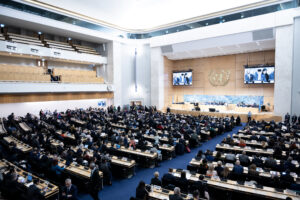
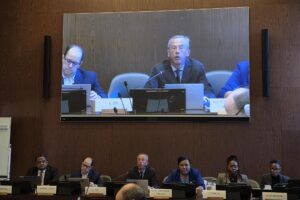
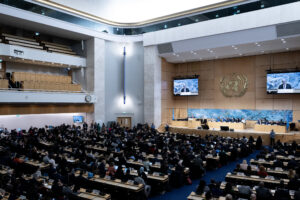
The statement was delivered during an Interactive Dialogue on the adoption of the UPR outcome document on Guatemala (Item 6 of the Council’s agenda) during the 22nd regular session of the Human Rights Council (25 February to 22 March 2013).
Guatemala-HRC22-Item6Statement-NonLegalSubmission-2013 (download full oral statement in PDF)
Guatemala-UPR-StakeholderSubmission-LegalSubmission-2012 (go to webpage on the ICJ’s submission on the UPR of Guatemala)

Mar 12, 2013 | Artículos, Noticias
La CIJ llevará a cabo una misión a Uruguay (12-16 marzo de 2013) para interiorizarse de los acontecimientos que recientemente interesaran aspectos de la independencia del poder judicial en el país.
También se evaluará su impacto sobre el ejercicio del derecho de las víctimas a contar con remedios efectivos para las violaciones de los derechos humanos.
La delegación de la CIJ ha solicitado reuniones con la Suprema Corte de Justicia, ex magistrados, el Poder Ejecutivo, el Colegio de Abogados del Uruguay, organizaciones de la sociedad civil y defensores de los derechos humanos, representantes de los partidos políticos, y otros actores relacionados con la administración de justicia y la independencia del poder judicial.
La visita se enmarca dentro de los esfuerzos que la CIJ lleva a cabo en distintos países con el objetivo de velar por e impulsar la primacía, coherencia e implementación del derecho internacional de los derechos humanos a través de la vigencia del Estado de Derecho, y promover el respeto a la independencia judicial.
Integrarán la misión los siguientes delegados:
Belisario dos Santos Junior (foto) – Jurista brasileño, Comisionado de la Comisión Internacional de Juristas. Secretario de Estado de Justicia y Defensa de la Ciudadanía del Estado de San Pablo (1995 – 2000) y ex Presidente de la Asociación de Abogados Latinoamericanos para la Defensa de los Derechos Humanos.
Alejandro E. Salinas Rivera – Jurista chileno, Asesor del Centro para la Independencia de Jueces y Abogados. Ex director de la Dirección de Derechos Humanos del Ministerio de Relaciones Exteriores de Chile y ex asesor de la Comisión Presidencial para Políticas de Derechos Humanos de la Presidencia de la República de Chile.

Mar 12, 2013 | News
The ICJ is undertaking today a five-day mission to Uruguay to gather information concerning recent developments affecting the independence of the judiciary in the country.
The mission members will meet with a broad group of stakeholders in Uruguay.
The mission will also look at the impact that these developments have on the exercise of the right of victims to effective remedies for human rights violations.
The two-member mission will consist of ICJ Commissioner Belisário dos Santos Junior (picture) and Alejandro E. Salinas Rivera, member of the Advisory Committee of the ICJ Centre for the Independence of Judges and Lawyers.
Uruguay-CIJL mission-Nota de prensa-2013-Spa (full text, pdf)
Jan 22, 2013 | News
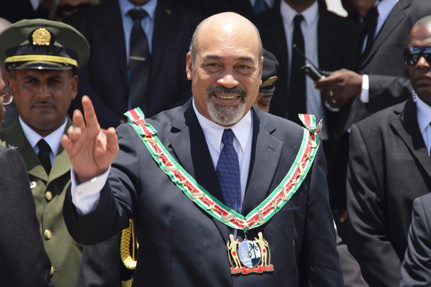
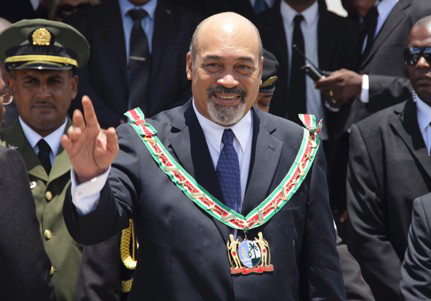 The ICJ today expressed its concern at further delays in the trial of President Desiré Delano Bouterse and 24 others, who are accused of the murder of thirteen civilians and two military personnel in 1982.
The ICJ further expressed its dissatisfaction with the continued uncertainty on the applicability of an Amnesty Law that could threaten the status of the trial.
No public statement has been made by the Suriname Military Court since the judges hearing the matter decided to suspend the trial of President Bouterse in May 2012 and leave it to the public prosecutor and an undesignated court to decide whether President Bouterse and the other accused should benefit from the country’s Amnesty Law.
“It is unacceptable that there have been no pronouncements in this case since the last hearing over eight months ago,” said ICJ Secretary-General Wilder Tayler. “Justice has been denied for more than three decades and it is in everyone’s interests, both the accused and the families of the victims, that this trial should proceed without further delay”.
President Bouterse had been accused of having been present on 8 December 1982 at the military barracks of Fort Zeelandia, where 15 political opponents were allegedly executed.
Reports published by various organizations at the time, including by an ICJ affiliate, indicated that several of the victims had also been subjected to torture. At the time, Bouterse was leading a military government in Suriname.
On 19 July 2010, Desiré Delano Bouterse was elected President of Suriname, taking up office on 12 August 2010. On 4 April 2012, despite some contestation, an amendment to the existing Amnesty Law of 1989 was adopted by the country’s Parliament, purportedly granting amnesty to President Bouterse and others for the murders that allegedly took place in 1982.
As the ICJ noted in its report of 29 May 2012, there are a number of unresolved questions regarding the legality of the Amnesty law.
Read also:
Suriname: independent observation mission to the trial of President Desiré Delano Bouterse

Dec 22, 2012
 In this case the applicants alleged that Costa Rica’s complete prohibition on in vitro fertilization (IVF) contravened the American Convention on Human Rights giving rise to violations of their rights to privacy and family life.
On 21 December 2012, the Inter-American Court upheld the applicants claim and requested Costa Rica to take measures to address the situation including overturning the prohibition within a six month period.
In its important decision the Court held that the prohibition contravened the applicants’ rights to privacy, liberty, personal integrity, and to form a family as protected by the American Convention on Human Rights.
The court also considered the prohibition undermined enjoyment of the right to be free from discrimination.
The ICJ filed an Amicus brief in the case in September 2012.
In its brief the ICJ focused on the legal principles and doctrine that should be applied by the Court when considering the case.
Specifically the ICJ addressed the criteria that should be taken into account by the Court when considering whether Costa Rica’s complete ban on IVF amounted to a permissible limitation on the applicant’s human rights.
Costa Rica-ICJ Amicus Fertilization in vitro-legal submission-2012 (full text in PDF)
Costa Rica-Amicus ICJ-fecundacion in vitro-legal submission-2012-spa (full text in PDF)