May 4, 2017 | News
Thailand should immediately end the practice of arbitrarily detaining persons in unofficial places of detention said the ICJ today.
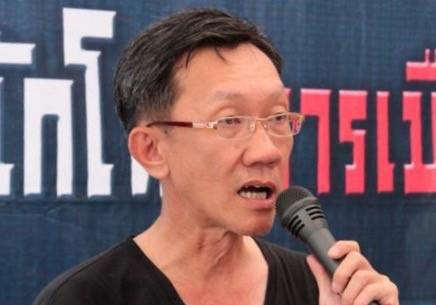
The statement came after it was revealed that human rights lawyer, Prawet Prapanukul, who had been arbitrarily detained for five days at a detention facility inside a military base in Bangkok, finally appeared and was charged at the Bangkok Criminal Court on 3 May 2017.
During the morning of 29 April 2017, military officers invoked Head of National Council for Peace and Order (NCPO) Order 3/2015 to arrest Prawet Prapanukul and search his residence in Bangkok, seizing a number of items located at the property including computers, phones and hard-drives.
The whereabouts of Prawet Prapanukul were unknown until the afternoon of 3 May 2017, when Prawet Prapanukul contacted several lawyers including Thai Lawyers for Human Rights (TLHR) and said he had been held at the Nakhon Chaisri temporary remand facility inside the 11th Army Circle military base in Bangkok.
“Prawet Prapanukul’s five-day incommunicado detention without being brought before the courts or access to legal counsel amounts to an arbitrary detention in violation of his rights under international law and consequently he should be provided with appropriate reparation,” said Kingsley Abbott, the ICJ’s Senior International Legal Adviser for Southeast Asia.
“To ensure the protection of all persons while in detention, Thailand has a duty to detain people in officially recognized places of detention, to have their names and places of detention made available to interested persons and to bring them before a court without delay within 48-hours,” he added.
According to TLHR, on 3 May 2017, Prawet Prapanukul was charged with ten counts of the highly restrictive crime of lese majeste (article 112 of the Criminal Code), three counts of a sedition-like offence (article 116 of the Criminal Code), and violation of article 14(3) of the Computer Crime Act.
The ICJ has previously raised concerns about abusive recourse to these laws.
Pursuant to article 91(3) of the Thai Criminal Code, it is possible that, if convicted of these charges, Prawet Prapanukul could receive a maximum sentence of 50-years imprisonment.
“Freedom of expression, as protected under international law, must never be criminalized. In any event, imprisonment is never a proportionate penalty for the exercise of free expression, let alone the unthinkable possibility of 50-years, which would set a new recorded record for a sentence for lese majeste,” Abbott said.
On 25 April 2017, after reviewing Thailand’s compliance with its obligations under the International Covenant on Civil and Political Rights (ICCPR), to which Thailand is a State Party, the Human Rights Committee, the international expert body charged with supervising the implementation of the ICCPR, issued its Concluding Observations in which it noted that in Thailand “individuals were reportedly often detained without charge and held incommunicado at undisclosed places of detention for periods of up to seven days, with no judicial oversight or safeguards against ill-treatment and without access to a lawyer.” The Human Rights Committee observed that Thailand should immediately release all victims of arbitrary detention and provide them with full reparation.
“The fact that Thailand arbitrarily detained Prawet Prapanukul at a military facility just five days after the Human Rights Committee issued its Concluding Observations criticizing Thailand’s practice of detaining people incommunicado in undisclosed placed of detention demonstrates a worrying contempt for its international human rights obligations as pointed out by the Committee,” Abbott added.
Contact
Kingsley Abbott, ICJ Senior International Legal Adviser for Southeast Asia, t: +66 94 470 1345 ; e: kingsley.abbott(a)icj.org
Thailand-Prapanukul-detention-News-2017-ENG (full text with background, in PDF)
Thailand-Prapanukul-detention-News-2017-THA (Thai version, in PDF)
Apr 28, 2017 | Multimedia items, News, Video clips
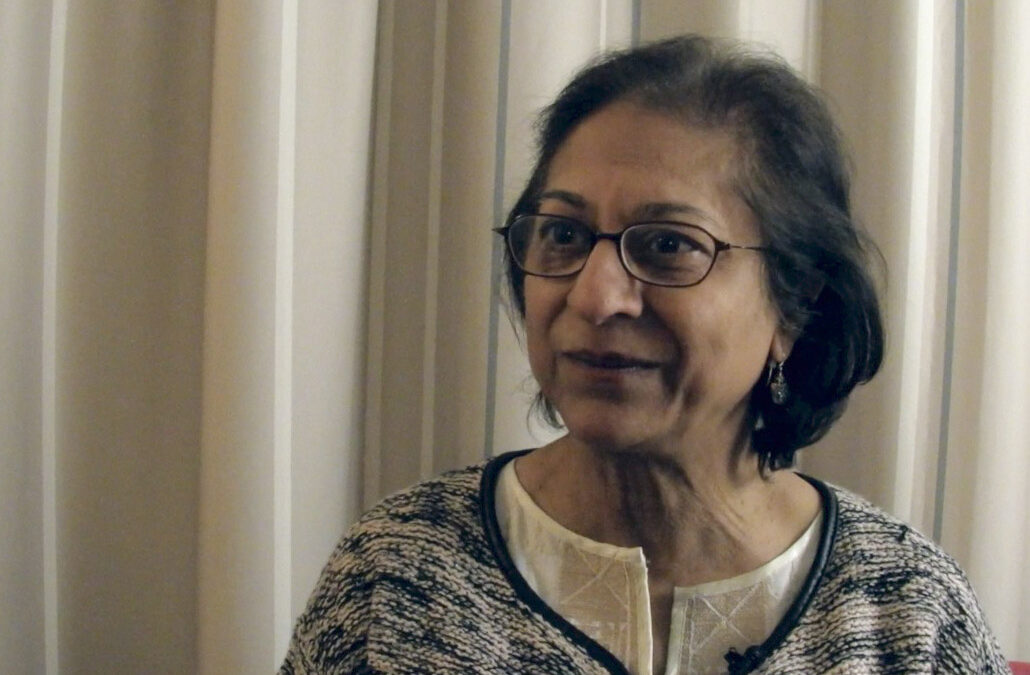
Honorary Member of the ICJ, Asma Jahangir, talks of her experiences as part of the ICJ’s ongoing profile series on women human rights defenders.
Asma Jahangir became interested in human rights legal work after having witnessed the frequent arrests of her father, an outspoken critic of military dictatorships, and seeing the courtroom as a place where justice could be accessed. From these early experiences, Asma identified the importance of rule of law but came to understand that this was something that went far beyond the courtrooms of Pakistan.
As a married women, her in-laws had concerns about her practicing law in a mixed firm so she co-founded Pakistan’s first all-female law firm. Initially the firm was viewed as a hobby but Asma and her other co-founders persevered and the firm still thrives today.
Ms Jahangir spoke about the challenges she faced as a female lawyer where courts and judges were at first patronizing towards her and then became angry at her as she continued to present them with cases that were challenging for them. She worked on a number of landmark cases including about whether women could get married without their fathers’ permission, be entitled to family maintenance and whether women should be judged according to religious or codified law.
Women in Pakistan face many issues in accessing justice, Ms Jahangir said. They lack resources, if they are able to access the courts they are frequently exploited by male lawyers and they encounter prejudice in their cases. In addition many laws are simply discriminatory, however women have been challenging these and will continue to do so.
There has been progress in family law in Pakistan, particularly in relation to the procedures if not the substance, yet Pakistan remains a long way from having equality in the family law framework.
Asma noted that it can be hard to engage men in women’s rights issues but commented that many men who had not considered giving certain rights to their wives had become a lot more conscious about women’s rights issues as their daughters had grown up. Many of her colleagues now ask for internships for their daughters at her law firm and admit how narrow-minded they had previously been in relation to women’s rights and equality.
From 2004 to 2010, Ms Jahangir served as the UN Special Rapporteur on Freedom of Religion and explained that she worked with the Special Rapporteur on Freedom of Expression to address the delicate balance in managing freedom of religion and freedom of expression.
Freedom of expression is currently under threat around the world, Asma commented, and is being undermined in the name of a variety of reasons including security, religion and tradition or social norms. Asma said that freedom of expression is fundamental to basic human rights because stopping freedom of expression stops people from thinking.
“Self-censorship is a by-product of undermining freedom of expression and self-censorship by itself dis-informs people, brings out irrelevant issues, and suppresses the more relevant issues.”
Ms Jahangir told the ICJ that in the course of her work as a human rights activist she has been threatened, put under house arrest and imprisoned. However, rather than deterring her, Asma’s experience in jail made her stronger: “It made every woman who went to jail stronger and more resolute that we want rights.”
There was a particular case that had a strong impact on Asma, which was when she worked in defence of a child who had been accused of blasphemy and was sentenced to death. The initial verdict against the boy knocked her confidence as a lawyer, but senior colleagues encouraged her and she continued with the case, taking this to appeal.
This was a very contentious case that attracted a lot of negative attention against Ms Jahanagir. People claimed she was anti-Muslim and, as she argued for the defendant, crowds gathered outside the court calling for her execution. At one point opposing lawyers asked the judges if they could simply close the case but the judges said that if Asma was prepared to keep arguing they were prepared to hear her arguments.
Asma explained that she was inspired to continue by the defendant himself, a boy of around 14 years of age, who, when given the opportunity to run away whilst on bail, decided to stay and continue the trial rather than risk others being harmed in retaliation if he were to flee. She felt that even if she had to give her life to defend this child then it would be worth it. Ultimately the case was decided in the boy’s favour and he was acquitted.
She advised young women interested in a career as a human rights lawyer not to label themselves as ‘human rights lawyers’ rather than simply ‘lawyers’ or they will not be taken seriously. Asma said that “I think that life where you don’t have dignity and where you don’t fight for people’s dignity is a wasted life.”
Watch the interview:
The series of profiles introducing the work of ICJ Commissioners and Honorary Members on women’s rights was launched on 25 November 2016 to coincide with the International Day to Eliminate Violence against Women and the first day of the 16 Days of Activism Against Gender-Based Violence Campaign.

Apr 26, 2017 | News
The ICJ today condemned the conviction and sentencing of Siti Noor Aishah Atam for possessing twelve books allegedly associated with terrorist groups, an act which is criminal under Malaysia’s Penal Code.
The ICJ calls for her immediate release from detention and for the authorities to take steps to quash or reverse her conviction.
The Kuala Lumpur High Court found Siti Noor Aishah Atam guilty under Section 130JB(1)(a) of the Penal Code which prohibits any “possession, custody or control of any item associated with any terrorist group or the commission of a terrorist act” and sentenced her to five years of imprisonment.
Siti Noor Aishah Atam contended that she was using the supposedly proscribed books for her thesis as a graduate student at Universiti Malaya, where she majored in Islamic Studies.
The High Court indicated, however, that they were applying the standard of strict liability to this case, meaning that the particular reason a person may have of possessing the books should not be taken into account.
If a person is found to have these books in their possession, for whatever reason, he or she will be penalized under the provision.
“The prosecution and conviction of Siti Noor Aishah Atam by Malaysian authorities is a violation of her right to freedom of expression, which includes the right to seek, receive, and impart information,” said Emerlynne Gil, ICJ’s Senior International Legal Adviser for Southeast Asia.
The ICJ notes that while the right to freedom of expression is not absolute, any restriction must be provided by law and be strictly necessary for a limited number of purposes, such as national security.
Any restriction must also be formulated with sufficient precision to enable an individual to regulate his or her conduct accordingly.
“The law under which Siti Noor Aishah Atam had been convicted is overly vague, since nobody would know what books or other material would be impermissible. The law is also certainly overbroad – having the effect of preventing potentially important academic research,” said Gil.
The twelve books found in the possession of Siti Noor Aishah Atam have not been specifically banned by the Malaysian government.
Indeed, these books may easily be bought at any number of bookstores in the country.
This unjust verdict illustrates the need for urgent legal reform, including the repeal or modification of Section 130JB(1)(a) of the Penal Code.
The ICJ also noted with profound concern that Siti Noor Aishah Atam has been subjected to prolonged detention under multiple laws, namely the Security Offences (Special Measures) Act 2012 (SOSMA) and Prevention of Crime Act 1959 (POCA).
“The Malaysian authorities appear to be abusing SOSMA and POCA by invoking them alternately to keep Siti Noor Aishah Atam in detention. This constitutes a denial of her right to be free from arbitrary detention,” Gil said.
The ICJ had previously called for the abolition of SOSMA, POCA, and similarly abusive laws.
Contact:
Emerlynne Gil, ICJ’s Senior International Legal Adviser, t: +66 840923575 ; e: emerlynne.gil(a)icj.org
Background
Siti Noor Aishah Atam is a former graduate student at Universiti Malaya, majoring in Usuluddin (Akidah) or Islamic Studies.
On 22 March 2016, the police raided the residence of Siti Noor Aishah Atam and arrested her.
She was taken into custody and detained for 28 days under SOSMA at an undisclosed detention facility while her trial was ongoing.
On 25 July 2016, she pleaded not guilty and stated that the books were used for her thesis on terrorism.
On 29 September 2016, the Kuala Lumpur High Court acquitted Siti Noor Aishah Atam.
The High Court had pointed to the Ministry of Home Affairs’ failure to ban the twelve books as one of the key reasons behind the acquittal.
On the day of her acquittal, she was again arrested and detained under POCA for 60 days and was subsequently ordered to be put under house arrest for two years.
In March 2017, the prosecution appealed the High Court’s decision. This allowed authorities to subject Siti Noor Aishah Atam to continued remand under SOSMA.
She was then detained in Kajang Prison until her conviction and sentencing today.
Apr 20, 2017 | News
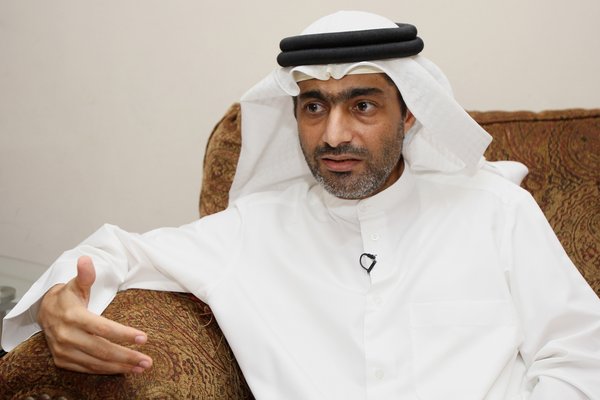
Authorities in the United Arab Emirates should immediately release Ahmed Mansoor, an award-winning human rights defender who is facing charges that violate his right to freedom of expression, a coalition of 18 human rights organizations, including the ICJ, said today, one month after his arrest.
Mansoor, who received the prestigious Martin Ennals Award for Human Rights Defenders in 2015, has been in detention since March 20, 2017 facing speech-related charges that include using social media websites to “publish false information that harms national unity.”
On March 28, a group of United Nations (UN) human rights experts called on the UAE government to release him immediately, describing his arrest as “a direct attack on the legitimate work of human rights defenders in the UAE.”
“Ahmed Mansoor has an unimpeachable record as a defender of rights and freedoms, and every day he remains in prison will constitute a black mark on the UAE’s human rights record,” said the organizations.
Mansoor was arrested at his home in Ajman in the pre-dawn hours of March 20.
Security officers conducted an extensive search and took away all of the family’s mobile phones and laptops, including those belonging to his young children.
His family had no information on his whereabouts until authorities issued an official statement on March 29, saying he was in detention in the Central Prison in Abu Dhabi.
The signatories understand that Mansoor’s family have been allowed only one short supervised visit with him which took place two weeks after his arrest on April 3, when authorities moved him from where he was being held, believed to be a detention facility adjacent to Al-Wathba Prison, to a prosecutor’s office in Abu Dhabi.
Informed sources told rights groups that Mansoor is being held in solitary confinement and has not spoken to a lawyer.
The UAE’s official news agency, WAM, said on March 20 that Mansoor had been arrested on the orders of the Public Prosecution for Cybercrimes and detained pending further investigation.
It said that he is accused of using social media websites to: “publish false information and rumors;” “promote [a] sectarian and hate-incited agenda;” and “publish false and misleading information that harm national unity and social harmony and damage the country’s reputation.”
The statement classified these as “cybercrimes,” indicating that the charges against him may be based on alleged violations of the UAE’s repressive 2012 cybercrime law, which authorities have used to imprison numerous activists and which provides for long prison sentences and severe financial penalties.
In the weeks leading up to his arrest, Mansoor had called for the release of Osama al-Najjar, who remains in prison, despite having completed a three-year prison sentence on charges related to his peaceful activities on Twitter.
Mansoor had also criticized the prosecution of Dr. Nasser bin-Ghaith, a prominent academic and economist, who was sentenced to 10 years in prison on March 29, for charges that included speech-related offenses, including peaceful criticism of the UAE and Egyptian authorities.
Mansoor had also used his Twitter account to draw attention to human rights violations across the region, including in Egypt and those committed by the Saudi-led coalition in Yemen.
He had also signed a joint letter with other activists in the region calling on leaders at the Arab Summit in Jordan at the end of March to release political prisoners in their countries.
“Ahmed has worked tirelessly, at great personal cost to himself, to advocate for human rights in the UAE and the wider region. He should be immediately released and the authorities should end their harassment of him once and for all,” the organizations added.
Signatories
ARTICLE 19
Amnesty International
Arabic Network for Human Rights Information
CIVICUS
FIDH, under the Observatory for the Protection of Human Rights Defenders
Front Line Defenders
Gulf Centre for Human Rights
Human Rights First
Human Rights Watch
Index on Censorship
International Commission of Jurists
International Service for Human Rights
Martin Ennals Foundation
PEN International
Reporters Without Borders (RSF)
Scholars at Risk
Vigilance for Democracy and the Civic State, Tunisia
World Organisation Against Torture (OMCT), under the Observatory for the Protection of Human Rights Defenders
UAE-Joint statement AMansoor-News-Press releases-2017-ENG (full statement in English, PDF)
Mar 21, 2017 | News
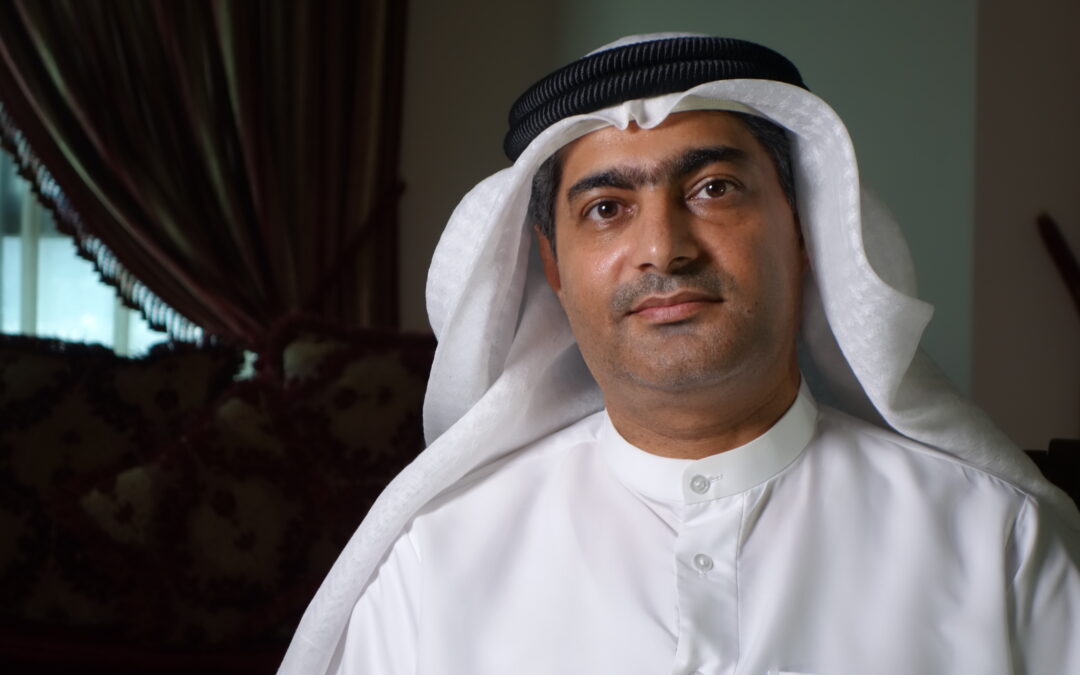
The ICJ today called on the Untied Arab Emirates (UAE)’ authorities to immediately release Ahmed Mansoor, the 2015 Laureate of the Martin Ennals Award for Human Rights Defenders, and to ensure that he is not subjected to any form of ill-treatment as long as he remains detained.
On 20 March 2017, security officials raided the apartment where Ahmed Mansoor and his family resides and confiscated electronic devices. They took Ahmed Mansoor away at around 3:15AM local time. His present whereabouts remain unknown.
The authorities have not informed his family members of the reasons for his arrest, the authority that ordered such arrest, or the location to which he was taken.
The ICJ calls upon the UAE authorities to disclose, as a matter of urgency, Ahmed Mansoor’s place of detention and provide full information about his fate and whereabouts.
International law requires that detainees be held in officially recognized places of detention and that no one is held secretly in detention, whether in officially recognized detention facilities or elsewhere.
The ICJ fears that the arrest and secret detention of Ahmed Mansoor is likely related to his human rights work, protected under international law.
His activities involve the exercise of his right to the freedom of expression, including his use of social media to criticize attacks on human rights defenders in the UAE.
“Arbitrarily detaining Ahmed Mansoor and subjecting him to secret detention exemplifies the lengths to which the UAE authorities are prepared to go in their relentless campaign to suppress peaceful human rights work and to reduce to silence all those perceived to be critical of the authorities,” said Said Benarbia, Director of the ICJ Middle East and North Africa Programme.
“The UAE authorities must comply with their obligations under international law and release immediately and unconditionally all those individuals detained or imprisoned solely for peacefully exercising their rights to freedom of expression and association,” he added.
Mansor’s arrest and secret detention comes amidst a continuing crackdown on individuals calling for peaceful political reform.
Many of them were subjected to serious human rights violations, including torture and other-ill-treatment, arbitrary detention and enforced disappearances.
The ICJ has previously documented such cases.
Contact:
Said Benarbia, ICJ Director of the Middle East and North Africa Programme, t: 41 22 979 38 17, e: said.benarbia(a)icj.org
Background
Ahmed Mansoor is a highly prominent human rights defender in the UAE and well known in the Arab region and around the world.
He has regularly monitored and raised awareness about cases of serious human rights violations in the UAE, including cases arbitrary detention, torture and other ill-treatment, enforced disappearances and violations of fair trial rights.
Since 2006, has faced repeated intimidation and harassment, including imprisonment in 2011 after being convicted of “insulting officials” and sentenced to three years’ in prison, although he was released after eight months.
Since being jailed in 2011, he has been denied a passport and banned from travelling.