
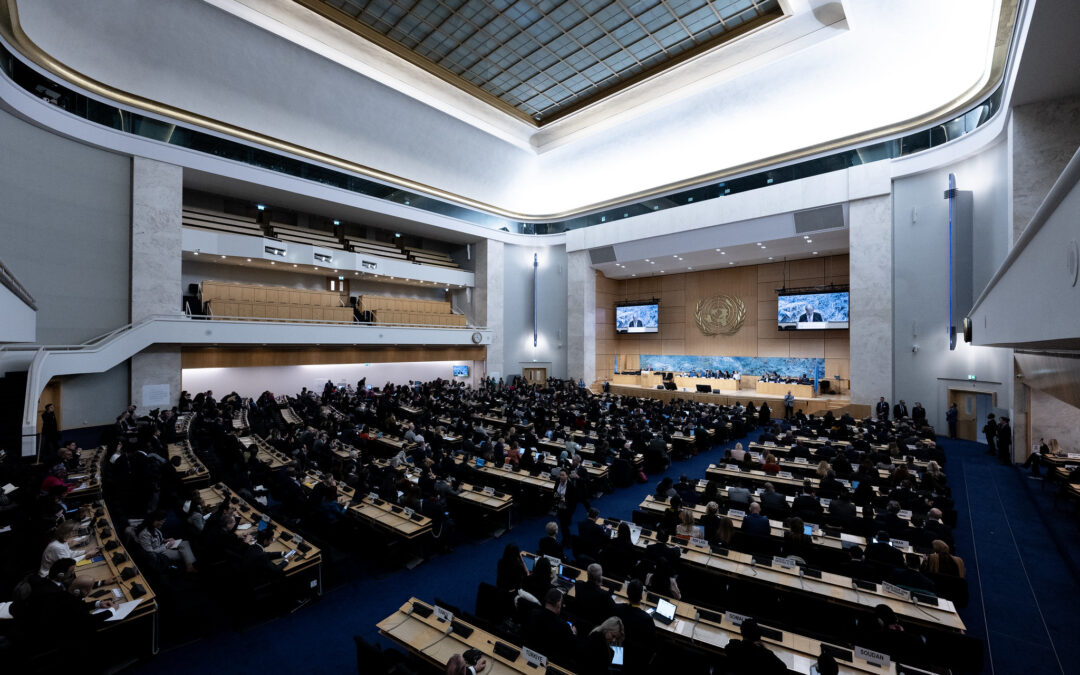
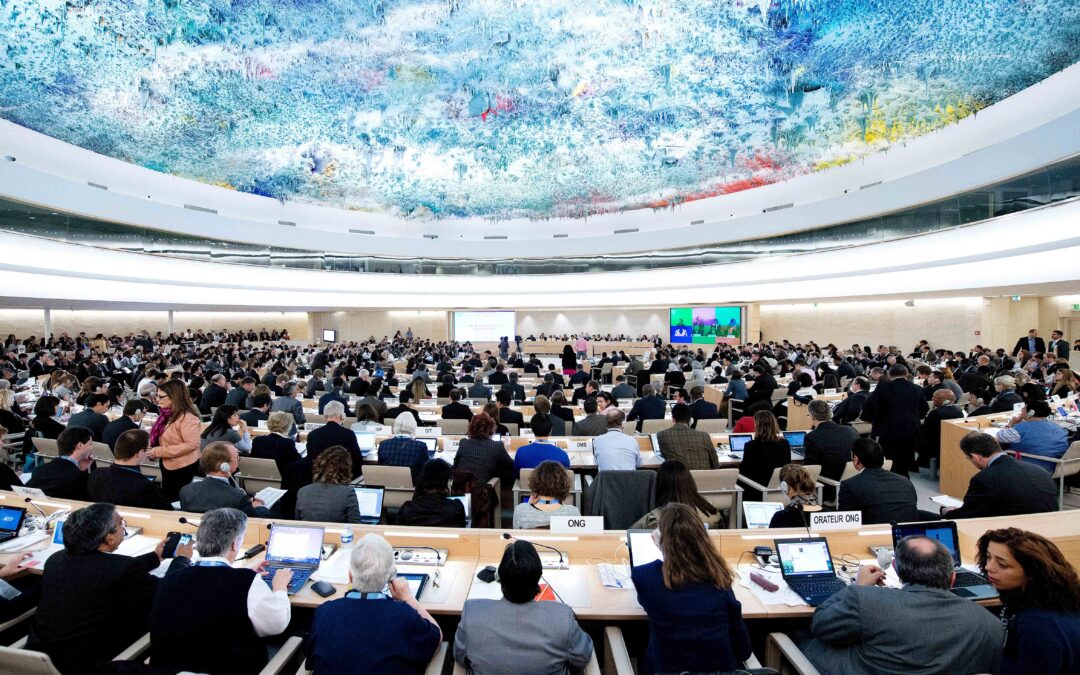
UN: ICJ and IBAHRI call for effective accountability for international law violations in Ukraine conflict
Today, the ICJ and IBAHRI called on all States to do more to ensure accountability for violations of international human rights law and international humanitarian law, and crimes under international law in the Ukraine conflict, and to significantly support the work of the UN Human Rights Council’s Commission of Inquiry.
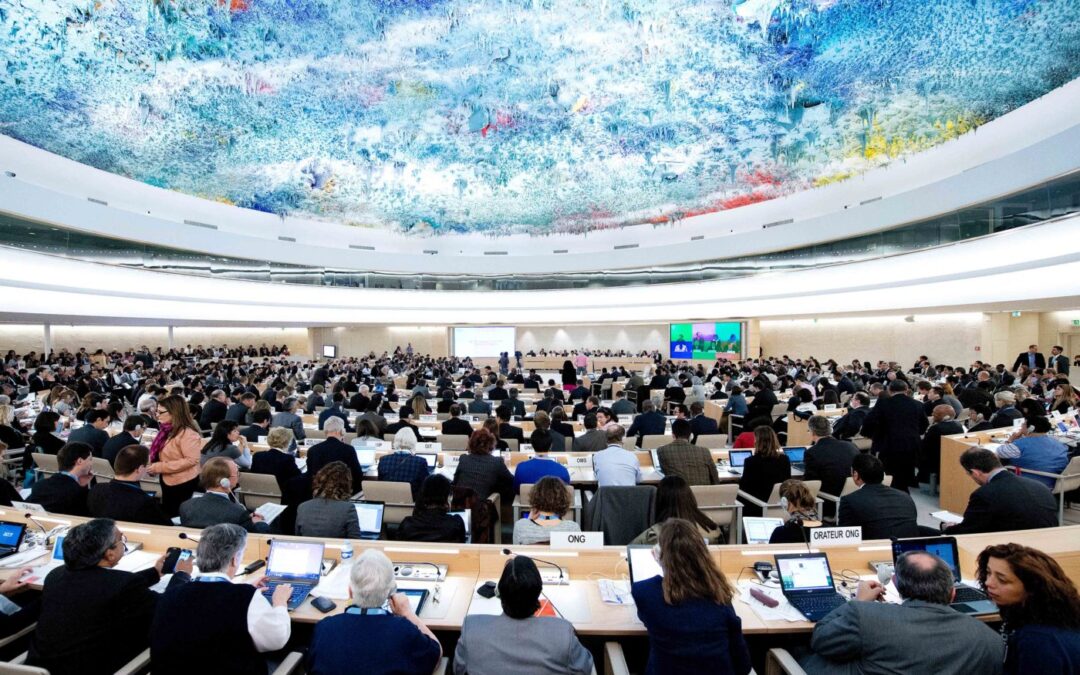
Ukraine: Russia must end aggression and all parties must respect international law
The ICJ today called on the Russian Federation to stop its aggression of Ukraine and on all parties to the conflict to respect their obligations under international humanitarian law and international human rights law.
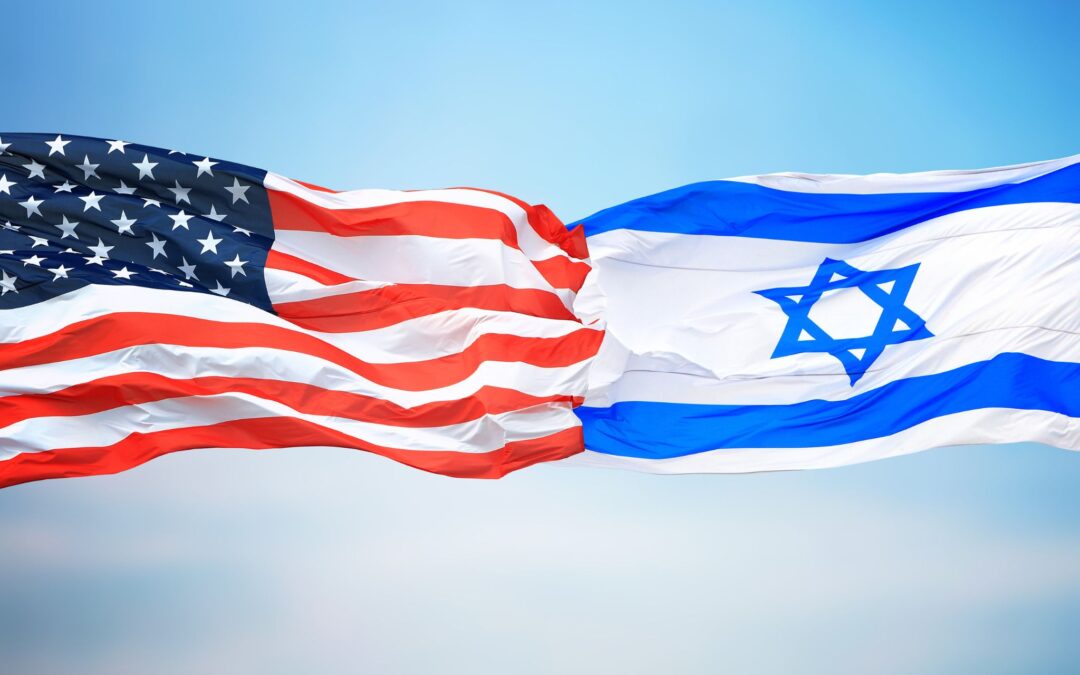
International community must wholly reject the US-proposed “Peace to Prosperity” plan for Israel and Palestine
The “Peace to Prosperity” plan proposed by the United States, and developed in the absence of any meaningful engagement with Palestinian representatives, is not a serious means to solve the conflict between Israel and Palestinian, and all actors in the international community should reject it, the ICJ said today.
As presented, the Plan would pave the way for Israel to annex large portions of the occupied West Bank, including East Jerusalem, and deny the Palestinians the internationally protected right to self-determination as well as the right to return of Palestinians. In addition, it seeks to legitimize the acquisition of land by force, all in violation of international law and the UN Charter.
On 28 January 2020, US President Donald Trump publicly announced the plan at the Whitehouse in Washington, with Israeli Prime Minister Benjamin Netanyahu at his side.
“The US plan is a political stunt that patently disregards international law and how the rights of Palestinians are recognized and protected under international law,” said Said Benarbia, the ICJ’s MENA Programme Director.
The ICJ emphasized that any claims of sovereignty by Israel over parts of the West Bank, including East Jerusalem, based on this plan would be null, void and of no effect.
The text of the US plan inaccurately asserts that Israel has “valid legal and historical claims over the West Bank” and notes that “[t]he State of Israel and the United States do not believe the State of Israel is legally bound to provide the Palestinians with 100 percent of pre-1967 territory.”
This position runs counter to numerous applicable UN Security Council Resolutions, including Resolution 242, which required Israel’s complete withdrawal from the territory occupied in 1967.
“Any settlement to the conflict between Israel and Palestine must be consistent with international law, including international human rights law and international humanitarian law,” Benarbia added. “This requires negotiations on an equal footing between the parties, optimally with broad international engagement, not simply an intervention by a single State.”
Israeli settlements are established in violation of article 49(6) of the Fourth Geneva Convention, which prohibits the Occupying Power from transferring its own population into the occupied territory.
Their eventual incorporation into Israel would amount to unlawful annexation, in contravention of the prohibition of territorial acquisition by force established by the UN Charter and international law.
The US plan posits that “Jerusalem will remain the sovereign capital of the State of Israel,” apportioning to the State of Palestine the areas of the city beyond the separation barrier. It also denies the right to return of Palestinian refugees.
Effectively making Israel’s occupation of parts of the West Bank permanent, the US plan further provides that Israel will maintain “overriding security responsibility for the State of Palestine” and that the West Bank and Gaza should be fully demilitarized.
Contact
Said Benarbia, Director of the ICJ Middle East and North Africa Programme, t: +41-22-979-3817; e: said.benarbia(a)icj.org
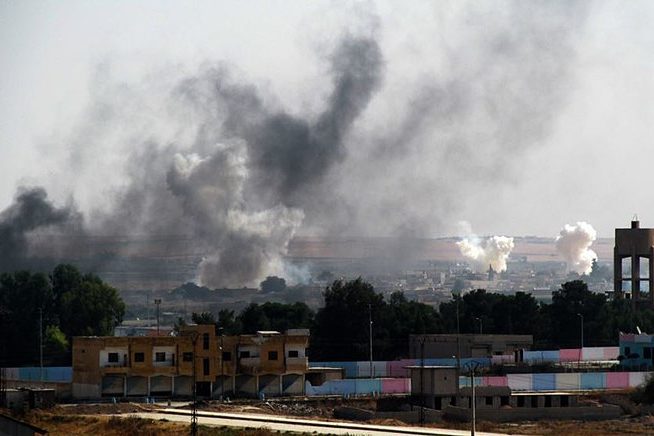
Syria-Turkey: end operation “Peace Spring” and ensure the protection of civilians
Today, ICJ called on Turkey to comply with its obligations under the UN Charter, international humanitarian law and international human rights law, immediately end its military operations in Syria, and protect and ensure the protection of the Syrian civilian population.
The ICJ also reiterated its call on all parties to the Syrian conflict to respect and comply with international humanitarian law and international human rights law.
On October 9, Turkey initiated operation “Peace Spring” in Rojava, the Kurdish-led Syrian Democratic Forces (SDF)-held territory in north-east Syria, with the stated aim of securing Turkey’s border, “fighting terrorism” and facilitating the return of refugees to Syria. Turkey claimed to be acting pursuant to its right to self-defence under article 51 of the UN Charter, as well as UN Security Council resolutions on the fight against terrorism.
The ICJ recalled that none of these UN Security Council resolutions authorizes the use of armed force in violation of international law, and that the UN Charter prohibits the use of armed force by States, save when authorized by the UN Security Council or in self-defence.
Use of force in self-defence is lawful only when necessary to repel an armed attack and when proportionate to such attack. Military operations failing to abide by such requirements are in breach of the UN Charter.
“Turkey’s military operations violate the UN Charter and exemplify how the banalization of the illegal use of armed force continues to erode and dismantle the very fabric of the international legal order,” said Said Benarbia, the ICJ MENA Programme Director.
He added, “Instead of standing by while international law is being violated, the UN Security Council must take swift, appropriate measures to address the situation and to restore and maintain international peace and security.”
While UN Security Council member States have failed to find an agreement on even a statement on Turkey’s military operations in Syria, Turkish military operations continue to have a devastating impact on the general population, including multiple civilian casualties, attacks against civilian objects, including medical facilities and water supplies and infrastructure, and the displacement of more than 150,000 people, mainly civilians.
Turkish forces and the Turkish-backed armed groups have allegedly been responsible for violations of international humanitarian law and international human rights law. Members of one of these groups, the Ahrar Al-Sharqiya, have been accused of the extrajudicial execution of at least nine civilians, among whom is Kurdish politician and women’s rights activist Harvin Khalaf; torture and other ill-treatment; kidnapping; and looting and seizure of private property.
Turkey’s Defence Ministry said 595 “terrorists” were “neutralized” since the start of “Peace Spring.”
Under international humanitarian law, parties to an armed conflict must respect and protect the civilian population, and refrain from any direct, indiscriminate or disproportionate attack against civilians and civilian objects. International human rights law also continues to apply during the conflict.
“Turkish authorities must investigate and prosecute unlawful killings committed in the context of operation “Peace Spring,” including extrajudicial executions amounting to war crimes,” Benarbia said.
He added, “If no action is taken by these authorities, States must act, collectively and individually, to hold to account all those responsible for such crimes.”
Contact
Said Benarbia, Director of the ICJ Middle East and North Africa Programme, t: +41-22-979-3817; e: said.benarbia(a)icj.org
Syria-Turkey operations-News-Press releases-2019-ARA (Arabic version, in PDF)
Syria-Turkey operations-News-Press releases-2019-TUR (Turkish version, in PDF)
Recent News
 Pakistan: End the cycle of detention and judicial harassment of lawyers Imaan Mazari-Hazir and Hadi Ali Chattha29 Sep 2026
 International Covenant on Civil and Political Rights (ICCPR)28 Sep 2026
 HRC63: ICJ Raises Concern over Torture, Executions and Impunity in Libya23 Sep 2026
 HRC63: ICJ Calls for Renewal and Strengthening of the Venezuela Fact-Finding Mission21 Sep 2026