
Pakistan: resumption of death penalty ‘major step back’
 The ICJ condemned Pakistan’s execution of a former soldier and called on the government to reinstate the moratorium on the death penalty that had been observed for the past four years.

The ICJ condemned Pakistan’s execution of a former soldier and called on the government to reinstate the moratorium on the death penalty that had been observed for the past four years.
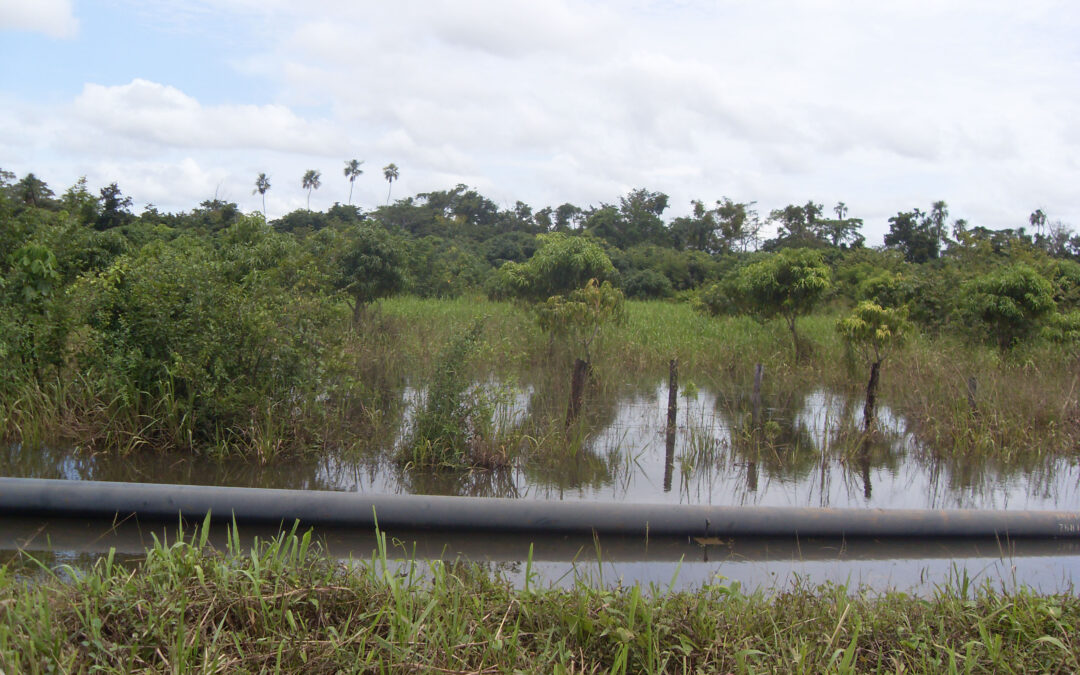
El presente informe sistematiza las consideraciones principales relativas al respeto de los derechos humanos en los municipios de San Andrés y La Libertad, así como aquellas relativas al derecho de acceso a la justicia.
El informe cubre el período de enero de 2010 a julio de 2011.
El informe ha sido preparado en el marco del proyecto sobre Reforma a la Justicia y Fortalecimiento del Estado de Derecho en Guatemala (EIDHR/2,009/224-504) que la CIJ implementó con apoyo de la Unión Europea; una de las actividades de dicho proyecto consistió en brindar asesoría puntual a las comunidades indígenas en materia de derechos económicos, sociales y culturales.
La CIJ ha estado llevando a cabo varias actividades relacionadas con la situación de los derechos humanos en el departamento de Petén, sobre todo en los municipios de San Andrés y La Libertad, en donde radican diferentes comunidades que enfrentan serias violaciones a los derechos humanos, mismas que están generando un delicado confl icto social que afecta a los hombres, mujeres y niños que habitan esas zonas.
Además, en el marco de dicho proyecto, era necesario elaborar un informe sobre el derecho de acceso a la justicia, partiendo de un caso concreto.
La CIJ decidió llevar a cabo este informe, tomando como caso paradigmático la situación que viven las comunidades del departamento de Petén.
En el contexto de este proyecto, a partir de enero de 2010 la CIJ asesoró a varias personas con el objeto de presentar una acción de inconstitucionalidad en contra de la prórroga del Contrato Petrolero 2-85, que el Estado de Guatemala autorizó aún en contra de la legislación constitucional y ambiental.
La compañía petrolera PERENCO ha operado en el departamento de Petén desde 1985; la zona en donde está dicha compañía fue declarada “zona protegida” por la legislación ambiental aprobada en la década de los años noventa.
Ante el vencimiento de su contrato de operaciones petroleras veinticinco años después, el Estado de Guatemala llevó a cabo una reforma legal que permitió la prórroga por quince años más de todo contrato petrolero; dicha reforma debería entenderse para todos aquellos futuros contratos petroleros o sea que a partir de dicha reforma, todos los contratos que se aprobasen en el futuro, podrían prorrogarse por 15 años más.
Sin embargo, mediante la aplicación retroactiva de la ley y de otras ilegalidades como la violación al debido proceso y a otras garantías, se aprobó la prórroga del contrato mencionado.
La CIJ presentó la acción de inconstitucionalidad referida con anterioridad, que fue rechazada in limine, o sea que la Corte de Constitucionalidad ni siquiera entró a conocer el fondo del asunto.
Por otro lado, mientras que a la compañía PERENCO se le prorrogaba el contrato 2-85 aún en contra de disposiciones constitucionales, a las comunidades se les venía calificando permanentemente como “población invasora” de la zona protegida.
Tanto las comunidades como la compañía PERENCO, se encuentran dentro de la zona protegida por el Estado, zona que se considera debe ser protegida por existir una de las reservas de humedales más importantes de Latinoamérica. Según dirigentes de diferentes comunidades, la compañía petrolera está perforando pozos en la zona central del área protegida causando daños irreparables al medio ambiente.
Los techos de lámina de sus viviendas también han sido afectados por los gases que emanan de dicha actividad, daño que se extiende a la salud de los pobladores.
En general, la situación de las comunidades que viven en los municipios de San Andrés y La Libertad es de suma vulnerabilidad.
La CIJ ha constatado que entre las causas principales de esta vulnerabilidad se cuentan la negación por parte del Estado de toda posibilidad de acceso a la justicia, la extrema pobreza en que viven, la falta de certeza jurídica sobre sus tierras, la política de desalojos que el Estado ha venido implementando desde el segundo semestre de 2010, la presencia del narcotráfico en sus zonas o regiones, la política de remilitarización y las consecuencias de la exploración y explotación petrolera que afectan su salud y otros derechos.
A esto debe sumarse la falta de respeto al derecho a la consulta. A estas comunidades se les niegan sus derechos con el argumento que son “invasoras” y que están ilegalmente en una zona protegida, mientras que a la compañía PERENCO se le prorroga el contrato petrolero.
El presente informe sistematiza las consideraciones principales relativas al respeto de los derechos humanos en los municipios mencionados, así como aquellas relativas al derecho de acceso a la justicia.
Guatemala-Informe Acceso a la Justicia-Caso SA y LT Peten-publications-2012-spa (full text in pdf)

At a two-day conference of the Organization for Security and Co-operation in Europe (OSCE), the ICJ called on the OSCE to take practical steps aimed at enhancing human rights compliance while countering terrorism.
The OSCE conference addressed the subject of Strengthening Regional Co-operation, Criminal Justice Institutions and Rule of Law Capacities to Prevent and Combat Terrorism and Radicalization that Leads to Terrorism and was held in Vienna, Austria, on 12 and 23 November 2012.
Addressing the aim of the conference to identify best practices, the ICJ’s Representative to the United Nations, Alex Conte, spoke on trends in national legislative responses to the countering of terrorism, specifically concerning compliance with the rule of law and human rights and the combating of conditions conducive to the spread of terrorism and to radicalization. He recommended that the OSCE:
OSCEConference-CounterTerrorismAndROL-Agenda (download conference agenda in PDF)
The ICJ is organizing this workshop in collaboration with Cross Cultural Foundation (CrCF) and the Association for the Prevention of Torture (APT) from 17 – 18 November 2012 in Bangkok, Thailand.
The workshop is aimed at supporting and strengthening civil society groups in Thailand in their engagement at the international level to address key issues in the implementation of the UNCAT.
This is a follow-up to a previous workshop held by the ICJ together with the APT and OHCHR last January 2012 where Thai groups decided to submit an alternative report to the UN Committee against Torture.
The November workshop will have discussions on the role of the UN Committee against Torture, as well as key provisions of the UNCAT.
A representative from the Commission on Human Rights of the Philippines will be sharing to Thai groups on the Commission’s experience on drafting an alternative report on the Philippines.
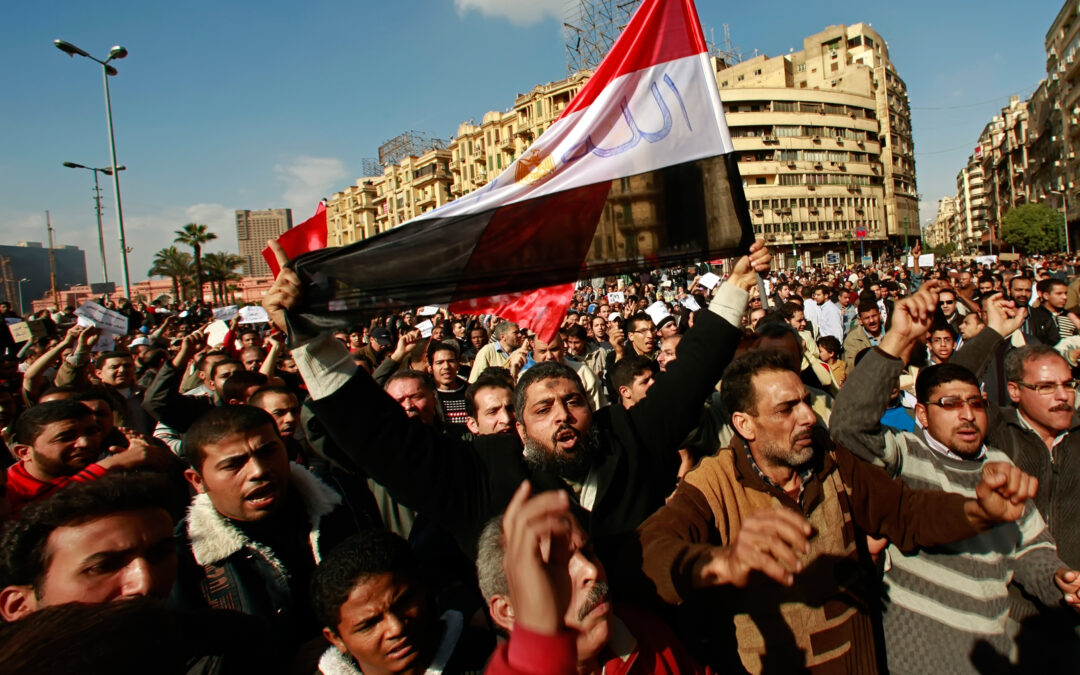
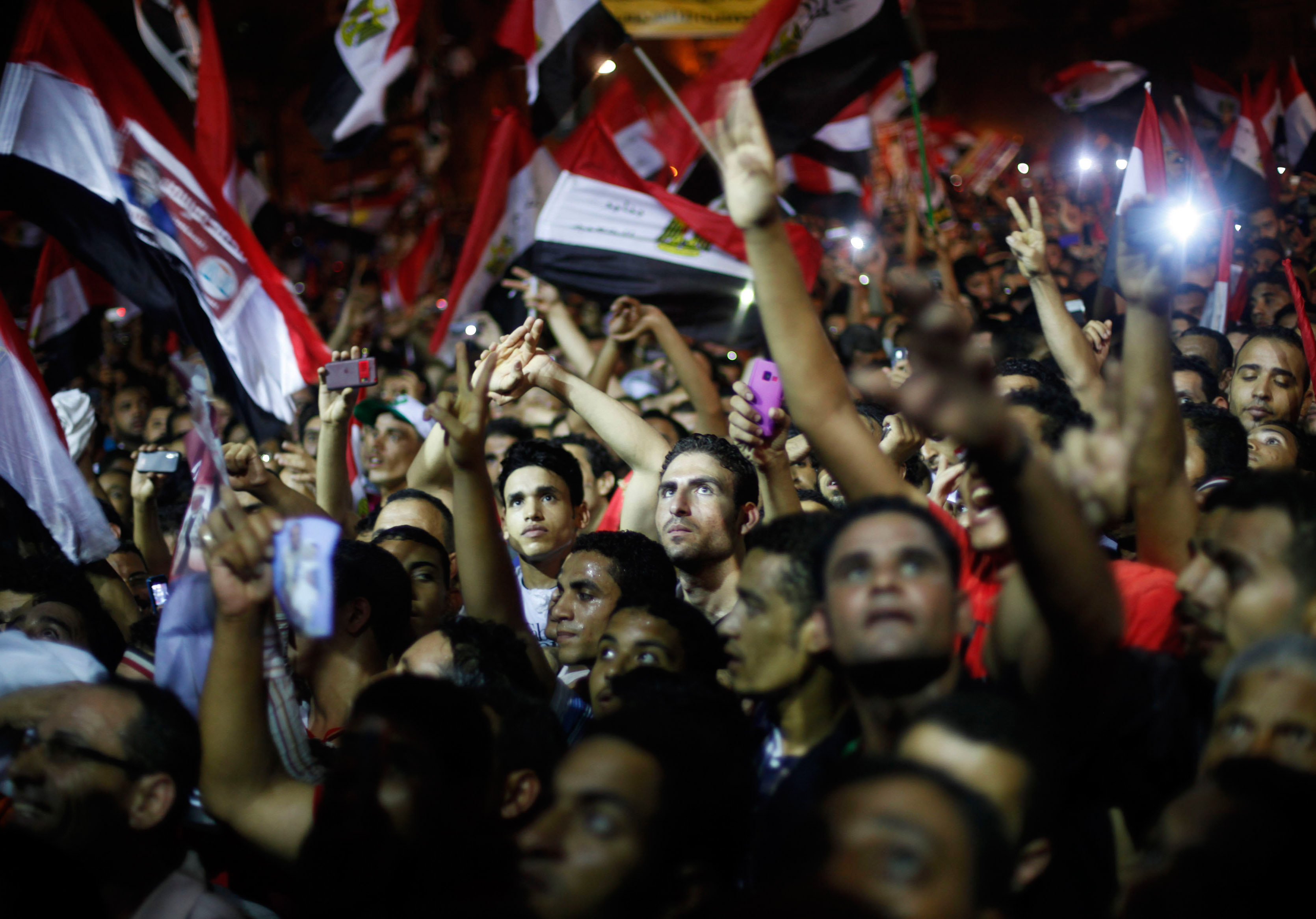 A new ICJ report shows that the constitutional reform process in Egypt has failed to meet international principles of inclusive participation and transparency, thereby undermining the transition to democracy.
“The Egyptian authorities, including the Constituent Assembly, have failed so far to meet the aspirations of the Egyptian people to adopt a Constitution that establishes the rule of law, recognizes and protects universally accepted human rights without restriction, guarantees the independence of the judiciary in all circumstances, and ensures the effectiveness of democratic institutions,” said Wilder Tayler, ICJ Secretary General.
The ICJ is calling upon the Egyptian authorities to address the challenges currently facing the constitutional reform process, as a matter of urgency; ensure that this process is in full compliance with international standards of inclusive participation and transparency; and guarantee that the new Constitution fully conforms with the rule of law and international law, including human rights standards.
The ICJ report Egypt’s new Constitution: a flawed process; uncertain outcomes details how, in overseeing the process leading to the adoption of a new Constitution, the Supreme Council of Armed Forces (SCAF) failed to ensure the rights of Egyptians to take part in public affairs and to meaningfully participate in the drafting and adoption of a new Constitution.
“Instead of paving the way for a clear and participatory reform process, the SCAF consistently opted for opaque, rushed and non-consensual policies that aimed to shield the armed forces from any form of accountability and that have severely undermined both the legitimacy of the process itself and its outcomes,” Tayler added.
Even though the administration of President Morsi replaced the SCAF on 30 June 2012, the constitution-making process continues to be carried out under the legal framework enacted by the SCAF.
The report also describes how several judicial decisions, in particular the dissolution of the first Constituent Assembly, by a decision from the High Administrative Court, and the dissolution of the People’s Assembly, following a decision by the Supreme Constitutional Court, have contributed to the confusion and uncertainty regarding the drafting of a new constitution.
As a result of this confused process, the draft of the new Constitution, published by the Constituent Assembly on 14 October 2012, has failed to provide for effective guarantees to reinforce the protection of human rights and the supremacy of the rule of law, including by ensuring that the powers of the State are not exercised arbitrarily.
“The draft Constitution does not sufficiently incorporate the rule of law and international law, including human rights standards. This is particularly evident as regards the accountability of the armed forces and their subordination to a legally constituted civilian authority, the content and scope of constitutional human rights, and the compliance of the whole judicial system, including the Office of the Public Prosecutor and the Constitutional Court, with international standards of independence, impartiality and accountability,” said Said Benarbia, ICJ Senior Legal Adviser for the MENA programme.
The report sets out urgent institutional and legal reforms that, together with sufficient political will, may help ensure a clean break with the practices and policies of Mubarak’s regime and the transition to a genuine democracy in Egypt.
Contact:
Saïd Benarbia, Middle East & North Africa Senior Legal Adviser, ICJ, t +41 22 979 3817; e-mail: said.benarbia(at)icj.org
Alice Goodenough, Middle East & North Africa Legal Adviser, ICJ, t +41 22 979 3811; e-mail: alice.goodenough(at)icj.org
Egypt-Flawed constitutional reform process-report-2012
Photo by Reuters
 The UN Human Rights Council makes significant but limited progress in addressing human rights around the world, as atrocities multiply in the Middle East and elsewhere
 ICJ hosts an African Regional Convening in Kenya on Transformative Equality Jurisprudence
 Russian Federation: Arbitrarily detained human rights lawyer Maria Bontsler must be released
 ICJ Oral statement at HRC urgent debate on protection of children and schools in armed conflict