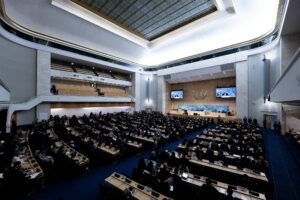
Oct 30, 2012 | News
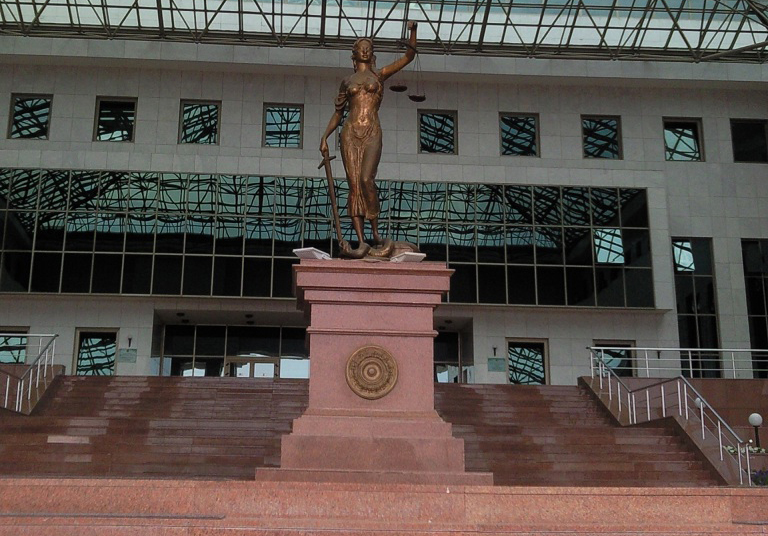 The ICJ today expressed its concern at disciplinary sanctions and threats of criminal prosecution against Judge Aliya Zhumasheva of the Kachirsk District Court of Pavlodar Region in Kazakhstan.
Oct 29, 2012 | Events
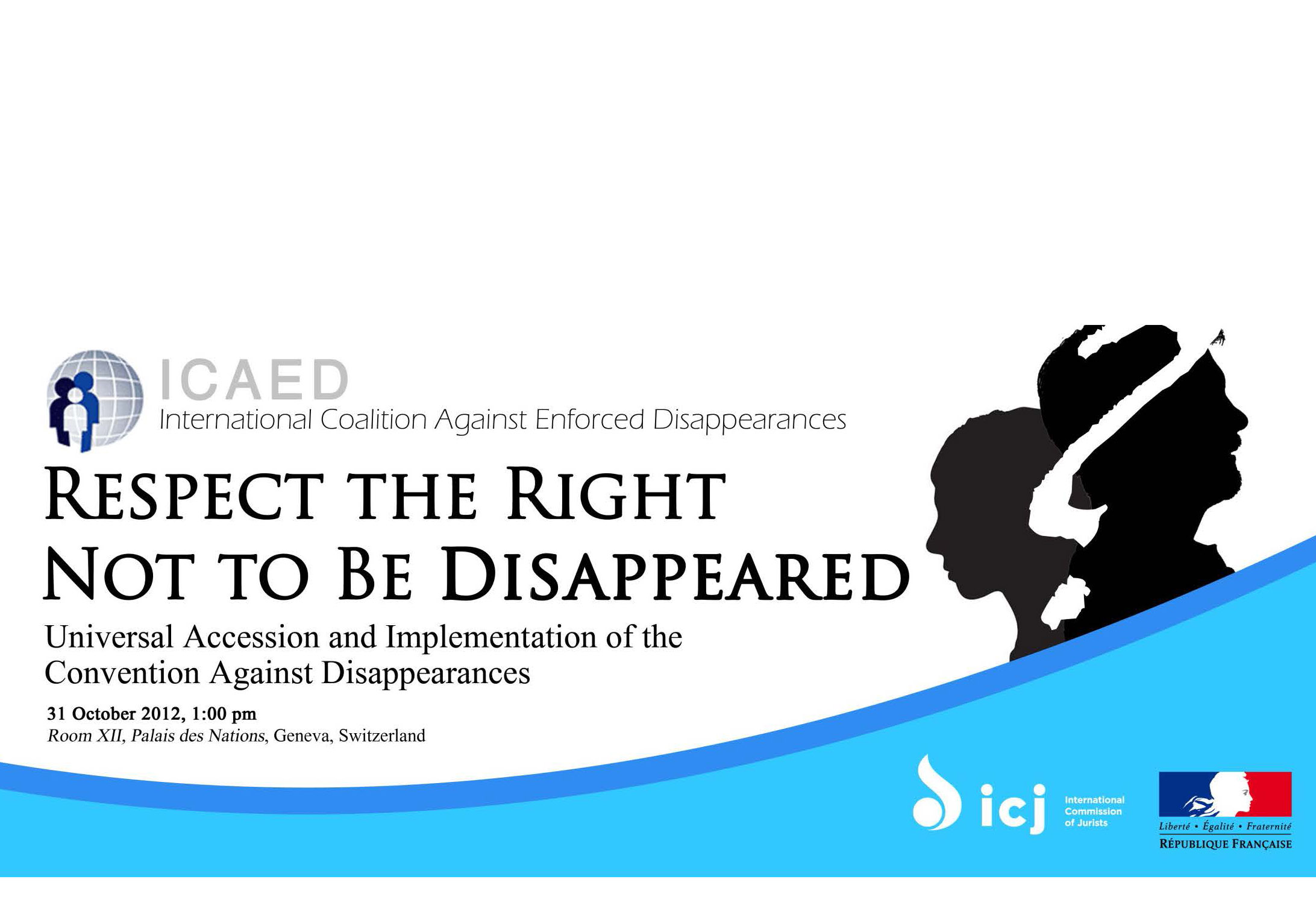 On 31 October the ICJ is co-sponsoring a side event with the Permanent Mission of France on “Respect the right not to be disappeared – Universal accession and implementation of the Convention against disappearances”.
This parallel event to the session of the Committee on Enforced Disappearance and the Working Group on Enforced and Involuntary Disappearances will take place at the Palais des Nations in Geneva, Room XII, from 1 to 3 PM (13.00-15.00).
UN-ICAED enforced disappearances – Event-2012

Oct 25, 2012 | Advocacy, Non-legal submissions
 During a half-day of general discussion held today by the Human Rights Committee, the ICJ supported the establishment by the Committee of a General Comment on the right to security and liberty of the person under article 9 of the International Covenant on Civil and Political Rights (ICCPR).
As an update to its General Comment No 8 of 1982, the Human Rights Committee (the Committee) has commenced a process to develop a new General Comment on article 9 of the ICCPR. Responding to a list of issues prepared by the Committee for potential expansion within the General Comment, the ICJ supported the initiative and called for clarification of certain issues in this work.
The ICJ’s submission and statement also called on the Committee to give express consideration to the following thematic issues within the General Comment:
- The meaning of ‘arbitrary’ deprivation of liberty;
- Application of article 9 in international and non-international armed conflicts, including in the context of administrative detention;
- Control orders and other mechanisms involving restrictions of movement and the extent to which such mechanisms might interfere with liberty rights;
- Detention of asylum-seekers and irregular migrants; and
- The role and accountability of legal entities.
The Committee is scheduled to consider and adopt a first draft of the General Comment during its session in March 2013. The ICJ intends to make substantive submissions on this first draft.
ICJ-HRCttee-GCArticle9-IssuesStatement-non-legal submission (2012) (download in PDF)
ICJ-HRCttee-GCArticle9-IssuesSubmission-non-legal submission (2012) (download in PDF)
HumanRightsCommittee-Issues-Article9 (download in Word)
Oct 15, 2012 | Incidencia
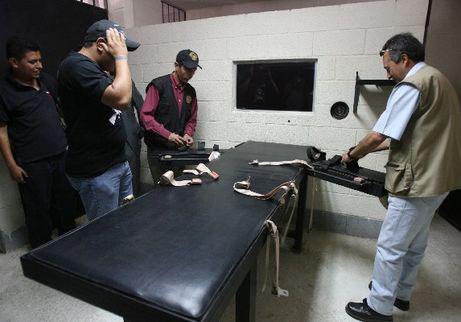
Hoy, 58 países conservan la pena de muerte. Entre estos países se encuentra Guatemala.
Dentro de su acción en defensa y promoción de los derechos humanos, la CIJ aboga por la abolición de la pena de muerte en el mundo y apoya los esfuerzos para alcanzar este objetivo.
Desde la óptica de los derechos humanos, la pena de muerte constituye una pena inhumana y degradante por su carácter irreversible e irreparable y por atentar contrael bien jurídico fundamental del derecho a la vida.
Existe actualmente una tendencia generalizada a la abolición de la pena capital; según Amnistía Internacional más de dos tercios de los países la han erradicado de sus sistemas de administración de justicia.
Sin embargo, Guatemala conserva aún la pena de muerte. El país atraviesa por un período de moratoria de hecho en la ejecución de la pena de muerte de 14 personas debido a la ausencia de regulación normativa del indulto.
Es necesario mencionar como avance en la materia, la conmutación de 12 penas de muerte por la pena de prisión máxima dentro del período 2006-2010, lo cual significa un primer paso en el camino hacia la erradicación de esta sanción dentro de la legislación interna.
El presente documento tiene por objeto sistematizar los estándares internacionales establecidos en la aplicación de la pena de muerte en aquellos países que aún la conservan, con énfasis en Guatemala.
Para ello, se utiliza el marco normativo internacional, específicamente instrumentos y jurisprudencia del sistema universal de protección de derechos humanos, del sistema europeo y del sistema interamericano.
El enfoque tiene dos aspectos principales: la pena de muerte como una violación del derecho a la vida; y las normas internacionales que deben respetarse al momento de emitir una condena de este tipo y al ejecutarla.
Guatemala-Estandares internacionales relativos a la aplicacion de la pena de muerte-publications-2012-spa (full text in pdf)
Oct 10, 2012 | News
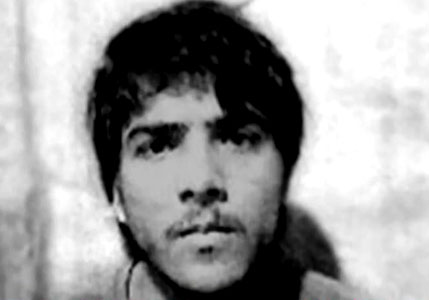
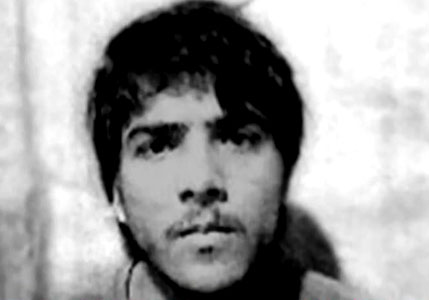 On the tenth annual World Day against the Death Penalty, the ICJ urges the President of India to grant clemency to Mohammed Ajmal Amir Kasab.
“There is no doubt that Kasab’s crimes were heinous causing immeasurable suffering but execution is not the answer,” said Sam Zarifi, ICJ Asia Pacific Regional Director. “Putting him to death would be a significant step backwards for India. It would end the eight-year hiatus on executions and disregard the call in repeated UN General Assembly Resolutions that all States should observe an immediate moratorium on the death penalty with a view towards full abolition.”
October 10, 2012 is the World Day against the Death Penalty. The ICJ considers the death penalty to constitute a violation of the right to life and a form of cruel and inhuman punishment.
The ICJ calls on all countries to abolish the death penalty.
“The death penalty violates the inherent dignity of the person,” Zarifi added. “And as we have seen in India as well as all over the world, it is not possible to administer capital punishment without some degree of inconsistency, subjectivity and arbitrariness.”
More than 150 of 192 United Nations member states have either abolished the death penalty or do not practice it.
In South Asia, Nepal abolished the death penalty in its 1997 Constitution and Sri Lanka has not carried out an execution since 1976.
Kasab, a 25-year old Pakistani national, was sentenced to the death for his role in the Mumbai terrorist attack in 2008.
The Supreme Court confirmed Kasab’s death sentence on 29 August 2012, upholding the judgment of the Bombay High Court on 21 February 2011 and the sentence handed down by a lower court in May 2010. On 18 September 2012, Kasab sent a four-line handwritten mercy plea to the President of India.
The Maharashtra Home Ministry recommended rejecting the mercy plea on 24 September 2012 and Governor of Maharashtra, K Sankaranarayan, advised the same on 29 September 2012. The petition has now been forwarded to the Union Government.
CONTACT:
Sam Zarifi, ICJ Asia-Pacific Regional Director, t: +41(0)22 979 38 00; sam.zarifi(at)icj.org
Sheila Varadan, ICJ Legal Advisor, South Asia Programme, t: +66 857200723; sheila.varadan(at)icj.org