Nov 26, 2004 | Plaidoyer
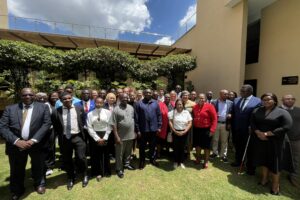
La CIJ est aujourd’hui intervenue devant la Commission africaine des droits de l’Homme et des peuples réunie à Dakar et dont les débats ont pour la première fois porté sur le terrorisme et les droits de l’Homme.
La CIJ invite dans son intervention la Commission africaine à contrôler la conformité à la Charte africaine des droits de l’Homme des mesures de lutte contre le terrorisme prises par les Etats africains parties à la Charte.
La CIJ invite par ailleurs la Commission africaine des droits de l’Homme à élaborer des directives sur la protection des droits de l’Homme dans la lutte contre le terrorisme visant à guider les Etats dans l’élaboration et la mise en oeuvre de mesures de lutte contre le terrorisme respectueuses des droits de l’Homme.
achpr-terrorism-advocacy-2004-fra (Texte complet en PDF)

Nov 26, 2004 | Advocacy, Non-legal submissions
La CIJ est aujourd’hui intervenue devant la Commission africaine des droits de l’homme et des peuples réunie à Dakar et dont les débats ont pour la première fois porté sur le terrorisme et les droits de l’homme.

Nov 26, 2004 | News
The ICJ welcomes the appointment of Manfred Nowak as United Nations Special Rapporteur on torture.
Nov 23, 2004 | News
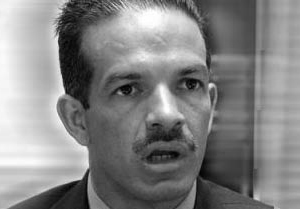
La CIJ condenó el asesinato de un fiscal venezolano y llamó a las autoridades de dicho país a llevar a cabo una investigación de los hechos y a llevar ante la justicia a los responsables.

Nov 23, 2004 | News
The International Commission of Jurists (ICJ) begins an eight-day high-level mission today to assess the rapidly deteriorating human rights situation and the rule of law in Nepal.
The ICj will also discuss with the government, judiciary and civil society effective means to address the spiralling crisis.
The Mission will be led by ICJ Secretary-General Nicholas Howen and be accompanied by human rights jurist Periathamby Rajanayagam and ICJ Legal Adviser Ian Seiderman.
Nepal is embroiled in an eight-year internal conflict between the government and insurgent Maoist rebels. Over the past three years, wide-scale abuses have been committed by both sides to the conflict. Since King Gyanendra dissolved the Parliament in 2002, the Royal Nepalese Army (RNA) and other government security forces have operated without effective civilian accountability and have been implicated in enforced disappearances, extrajudicial executions, torture and secret incommunicado detention. Well-documented abuses have resulted in impunity. The Maoist rebels have engaged in a pattern of violations of international humanitarian law, including summary killings of non-combatants.
The ICJ believes that taking practical steps to address the human rights crisis would be essential confidence-building measures on a road to a negotiated settlement of this brutal conflict.
In early 2003, the ICJ visited Nepal and concluded that a breakdown in the rule of law in the country was under way. The present mission will build on the findings and recommendations of the earlier mission.
While in Nepal, the mission team will meet with Nepali Government officials, the RNA and other security forces, the National Human Rights Commission, leading members of the judiciary and bar, non-governmental human rights organisations, human rights victims, and the international community.
Nepal-ICJ high-level mission-press release-2004 (full text, PDF)