May 25, 2021 | News
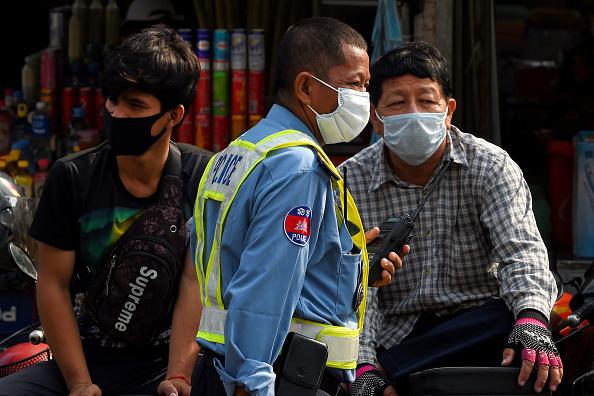
The ICJ joined other international human rights organisations to call on the Cambodian government to immediately stop its assault on freedom of expression in the context of the COVID-19 pandemic.
In recent months, the government has warned against public criticism of its actions, prevented independent journalists from reporting on the pandemic, prosecuted individuals for criticising the inoculation campaign, and threatened journalists and social media users with legal actions on the spurious grounds of provoking “turmoil in society.
While Cambodia was spared from high numbers of severe COVID-19 cases in 2020, beginning in February 2021 there has been a spike in cases to which the government responded with disproportionate and unnecessary measures in violation of Cambodia’s international human rights obligations. This includes a campaign against freedom of expression that further constricts media freedom and promotes fear and self-censorship in the country. These measures serve to undermine, not advance, efforts to stop the spread of COVID-19.
The Cambodian authorities placed a de facto ban on independent reporting in Phnom Penh’s red zones—areas deemed to be high risk for COVID-19 transmission. On 3 May 2021, the Ministry of Information announced that only state media or journalists invited by the government would be permitted to report from red zones. The next day, the Ministry of Information issued a letter warning journalists not to disseminate information that could “provoke turmoil in society” and threatening legal action against those who disobey. The letter followed viral livestream footage from multiple Facebook news outlets of long queues of COVID-19 patients outside government treatment centres.
The government’s campaign to silence critical commentary has extended beyond journalists to ordinary people, in a manner incompatible with international human rights standards.
In a press release dated 1 May 2021, the Government Spokesperson Unit demanded the immediate cessation of social media posts intended to “provoke and create chaos” in the context of the COVID-19 pandemic, referring to such posts as “acts of attack” that must be punished. The press release concluded by praising the efforts of government officials to curb the spread of COVID-19 but did not provide any legal justification for imposing these possible restrictions on the right to freedom of expression.
On 30 April 2021, Kandal provincial authorities warned farmers in Sa’ang district not to post images of vegetables spoiling in their fields due to the closure of markets, stating that such communications are bad for morale. One farmer, Tai Song, was pressured by the provincial authorities to sign a document agreeing not to post such content again after he shared a photo on Facebook showing his vegetables rotting and stating that he had to clear and throw away his crops.
The Cambodian authorities have arrested dozens of individuals for expressing critical opinions about the government’s COVID-19 response, including at least six individuals for their criticism of the government’s vaccination campaign. One Chinese journalist, Shen Kaidong, was subsequently deported for publishing a story deemed ‘fake news’ in which multiple Chinese nationals reported receiving a text offering them the Sinopharm vaccine for a service fee.
Authorities have also prosecuted at least three individuals—Korng Sambath, Nov Kloem, and Pann Sophy—for posting TikTok videos criticising the use of Chinese-made vaccines under the new, overly broad and vague Law on Measures to Prevent the Spread of COVID-19 and other Serious, Dangerous and Contagious Diseases (the COVID-19 Law).
These actions are consistent with the government’s systematic and relentless crackdown on freedom of expression and information spanning far beyond the beginning of the COVID-19 pandemic. This latest surge contributes to the government’s broader efforts to silence all critical voices in Cambodia.
The right to freedom of expression is protected by Article 19 of the International Covenant on Civil and Political Rights, to which Cambodia acceded in 1992, and by Article 41 of Cambodia’s Constitution.
Protecting public health is the grounds on which the government is purporting to restrict freedom of expression. While there is a legitimate need to counter the spread of misinformation online to protect public health during a pandemic, this objective must be provided by a clear and accessible law and pursued using the least intrusive means, rather than unnecessary and disproportionate measures like unwarranted arrests, detentions, and criminal prosecutions.
In its General Comment 34, the UN Human Rights Committee emphasised the essential role of the media in informing the public and stated that “in circumstances of public debate concerning public figures … the value placed [on] uninhibited expression is particularly high.” A 2017 Joint Declaration of four independent experts on freedom of expression stressed that “general prohibitions on the dissemination of information based on vague and ambiguous ideas” are incompatible with international human rights standards.
Download
To read the full statement with a list of co-signatories, click here.
May 21, 2021 | News
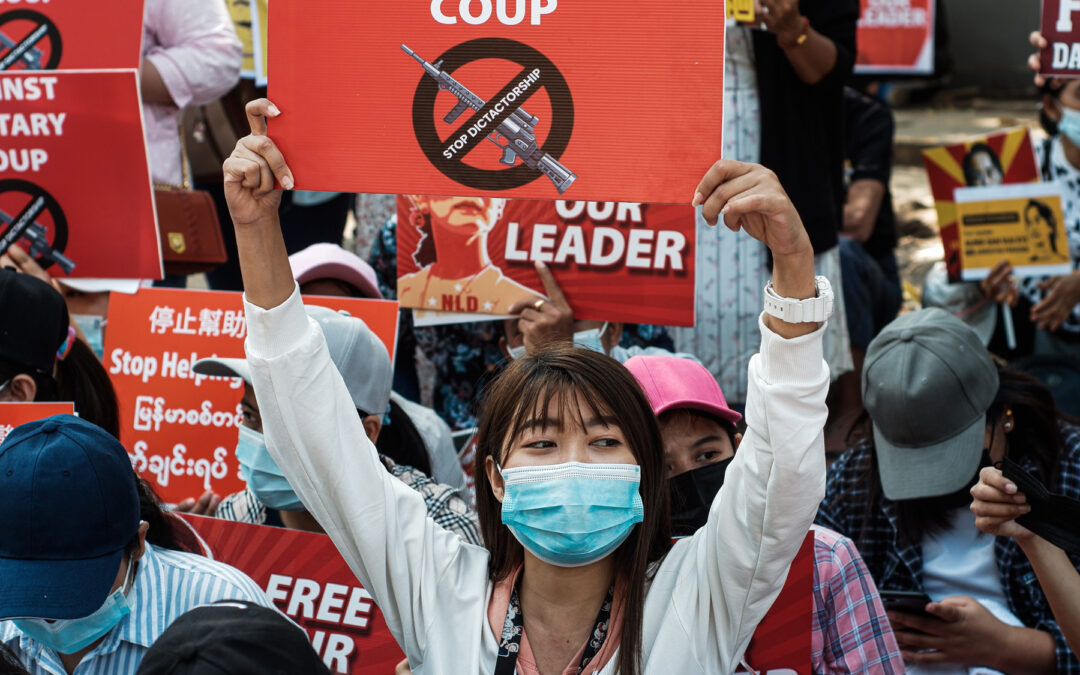
The Myanmar military government must urgently reverse recent amendments to the Legal Aid Act that place impermissible restrictions on legal defense for detainees, particularly for those detained on criminal charges, and already vulnerable people such as stateless people, asylum seekers, and migrants, said the ICJ today.
The ICJ stressed that military regime was unlawfully assuming legislative powers it did not possess, in defiance of the core principle of separation of powers.
“The Myanmar military has usurped power illegally and now it is improperly changing the laws to make it even more difficult to get legal aid necessary to defend the rights of thousands of people facing arbitrary arrest and detention,” said Sam Zarifi, ICJ’s Secretary General.
In May 2021, the military regime made key amendments to the 2016 Legal Aid Law, formally entitled The Pyidaungsu Hluttaw Law No. 10, 2016, The 9th Waning Day of Pyartho, 1377, M.E.
The new amendment removes legal aid services at least during pre-trial detention, a critical phase when detainees are particularly at risk of arbitrary detention, torture and ill-treatment and other forms of coercion and tampering with evidence.
The amendments to Section 2(b) prevent all persons from certain vulnerable groups from receiving legal aid, including but not limited to stateless persons, asylum seekers, foreigners, migrant workers.
“These amendments will prevent legal aid for precisely the people who need it most, those facing criminal charges and those from marginalized groups, at precisely the time they need it most, during the pretrial detention when their rights are most at risk,” Zarifi said.
All reference to international standards have been removed as per Section 3(b), thus leaving the terms unbound by normative requirements and restrictions and more vulnerable to be subjected to arbitrary decisions of the Government. The revocation of 3(e) means that the fair standards and procedures concerning how long victims can be arrested and kept in custody do not have to be adhered to.
“In the context of Myanmar, where those pro-bono lawyers and organizations representing detainees continue to face threats, intimidation, abduction and arrest warrants, the possibility of getting legal defense through the legal aid system is critically important to provide access to justice to those thousands of detainees to ensure their right to equality before the law, the right to legal counsel and the right to a fair trial,” Zarifi said.
The United Nations Principles and Guidelines on Access to Legal Aid in Criminal Justice System requires all States to guarantee the right to legal aid in their national legal systems, without discrimination on any grounds.
The latest amendments have removed all independence of the legal aid bodies, and instead given full control to the Supreme Court, supported by the Cabinet—both bodies dominated by the military.
“With a number of lawyers being arbitrarily detained in recent days, these new amendments are another threat tactic by the military, to ensure that those are arrested and detained do not get a fair trial,” Zarifi added.
Contact
Osama Motiwala, ICJ Asia-Pacific Communications Officer, t: +66-62-702-6369 e: osama.motiwala(a)icj.org
May 17, 2021 | News
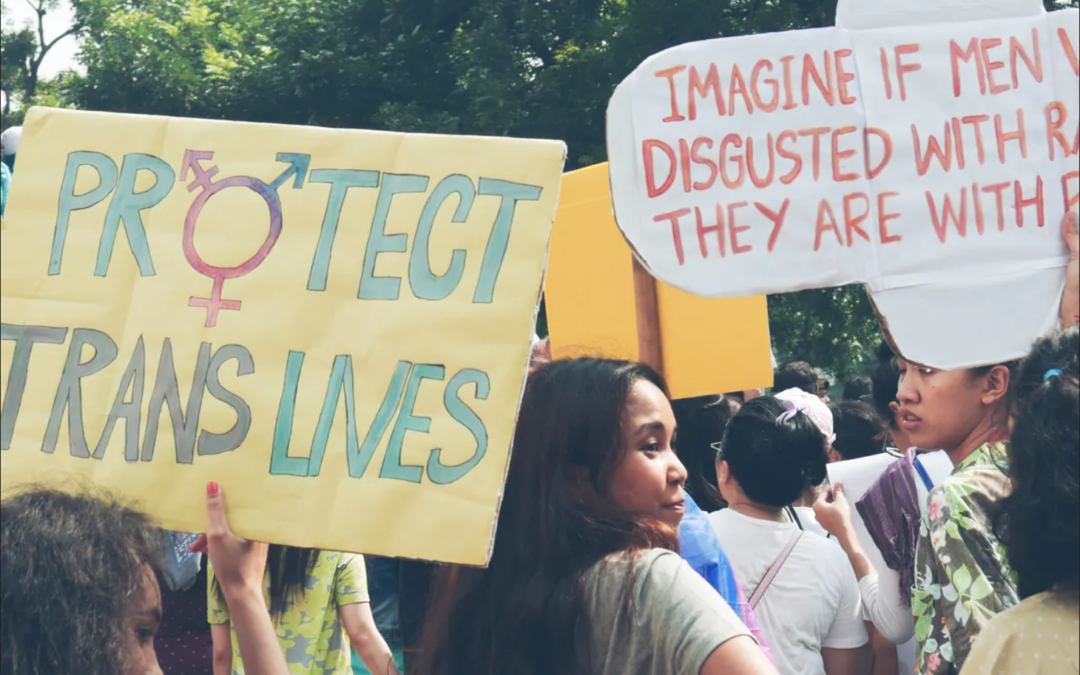
LGBTI people in Indonesia, particularly trans women, face significant discrimination in access to Covid-19 vaccines as the country rolls out its vaccination programme in the face of a surge in the pandemic, the ICJ said today.
Indonesia is planning to start vaccinating the general population in July and an electronic identity card (e-KTP) is required to be vaccinated. However, most trans women do not have, or cannot obtain, an e-KTP and are thus unable to access the COVID-19 vaccines.
“As we mark the International Day against Homophobia, Transphobia and Biphobia on 17 May, Indonesian authorities must ensure that LGBTI communities, trans women in particular, are not excluded from access to vaccines,” said Ruth Panjaitan, ICJ Legal Adviser for Indonesia.
To get an ID card, trans women need to present a Family Card, a document issued to the head of the family. However, many, trans women or waria have been kicked out of or fled their family homes without formal documents as a result of domestic violence. Between 50-60% of transwomen senior citizens reportedly do not have e-KTP, which makes it difficult for them to access government’s healthcare service, including COVID-19 vaccination.
“Most waria in Indonesia don’t even have an ID card let alone an e-KTP. The current system compounds the discrimination against trans women with the heightened risk of illness due to Covid-19. Indonesian authorities must urgently reform the e-KTP system to facilitate the legal status of people based on their own self-identified gender identity,” Ruth Panjaitan said.
Trans women who want to process their e-KTP in accordance with their gender identity have to first obtain an affirmation of their gender from a court, as the e-KTP does not recognize transgender. There is currently no definite and clear regulation for the legal gender change under Indonesia’s law or Supreme Court regulations, so the determination will depend on individual judges in each court’s jurisdiction. LGBTI activists have noted that in practice many judges apply arbitrary religious-based criteria to reject the petition to change gender. In most cases, the court that takes on the application still requires a doctor’s medical certificate that the petitioner has conducted gender reassignment surgery or other hormonal treatment as well other onerous document requirements, such as a psychiatric evaluation and witness information.
“These intrusive, arbitrary, prolonged and burdensome procedures make it even more difficult for trans women in Indonesia to get legal recognition of their gender identity, and lack of recognition of gender identity before the law blocks their access to health care,” Ruth Panjaitan said.
The Indonesian authorities have recently started their effort to reach out to transgender people in order for them to be registered in accordance with Law No.24 year 2013 and Law No.23 year 2006 regarding Civil Administration, which mentions that all Indonesian citizens have to be registered and that they have to have both ID and Family Card, so that they can get a good public service. However, the current system still falls short under international law to protect transgender people.
“Excluding and marginalizing trans women in the middle of a pandemic aggravates the longstanding discrimination they have faced from the Indonesian government, and it is also counterproductive to an effort to vaccinate as many people as possible to stop the spread of the disease,” Ruth Panjaitan said.
Additional information
Transgender people in Indonesia have a right to nondiscriminatory access to vaccines and overall rights to health, which is protected under Article 12 of the International Covenant on Economic, Social, and Cultural Rights (ICESCR) to which Indonesia is party. The UN Committee on Economic, Social and Cultural Rights has affirmed that all healthcare goods, facilities, and services must be available, accessible, acceptable and of adequate quality, especially to the most vulnerable or marginalized sections of the population, in law and in fact, without discrimination of any of the prohibited grounds.
Under international human rights law and standards, a person’s declaration of their preferred gender identity for the purpose of obtaining gender recognition should not require validation by a medical expert, judge or any other third party. Requiring someone seeking legal recognition of their self-identified gender to undergo treatment is a breach of their right to protection against attacks on their dignity and physical and mental integrity, guaranteed under the ICESCR and the International Covenant on Civil and Political Rights, to which Indonesia is a party.
As affirmed by the Yogyakarta Principles, which address the human rights of LGBTI persons, gender identity is a private matter, concerning someone’s deeply felt individual conviction, which should not be subject to arbitrary third-party scrutiny. Legal gender recognition processes protecting the rights of transgender people must be conducted without medical requirements and it must be quick, transparent, and accessible, and effectively uphold the rights of transgender people, including their right to self-determination.
As of 10 May 2021, Indonesia has reported more than 5,000 new infections on average each day and 1,718,575 cumulative confirmed COVID-19 cases. The figure brought the country to the fourth position of countries with highest cases in Asia. The inoculation programme kicked off in mid-January for those deemed to be high priority, such as health workers, the police and military, and other public workers. The proportion of Indonesia’s total population that has received at least one dose of a vaccine as at 4 May 2021 was 4.64 per cent.
Contact
Ruth Panjaitan, Legal Adviser for Indonesia, e: ruthstephani.panjaitan(a)icj.org
Download
Press Release in Bahasa Indonesia.
May 14, 2021 | Advocacy, News, Publications
The ICJ launched a new briefing paper Nepal: Transitional Justice Mechanisms with Gender Perspective in a webinar held on 12 May 2021.
The discussion included the need to give practical effect to Nepal’s obligation under international law to ensure the right to an effective remedy to the victims, including women victims of sexual and gender-based violence during the country’s internal armed conflict (1996 – 2006). Participants focused in particular on the need to ensure that gender issues are incorporated in the transitional justice mechanism.
The Honourable Kalyan Shrestha, former Chief Justice of the Supreme Court of Nepal and ICJ Commissioner, stressed the importance of the role of the Supreme Court of Nepal in establishing landmark jurisprudence on transitional justice.
Justice Shrestha explained how despite the fact that the country had established a progressive Constitution and amended legislation to provide for equality, non-discrimination and access to justice, women victims and survivors of a decade long armed conflict continued to face real barriers to justice. These including short periods of statute of limitations preventing the filing rape and sexual violations cases and lack of support mechanisms for women, which compounded existing economic pressure and social obstacles.
Bandana Rana, Member of the UN Committee on the Elimination of Discrimination against Women (CEDAW), addressed the situation of sexual and gender – based violence against women in Nepal during the armed conflict. She said that Nepal was bound by clear international legal obligations, including under the CEDAW and other treaties. Yet the Nepali government has not taken effective measures to ensure access to justice and the right to an effective remedy to the victims of SGBV during the conflict.
Laxmi Pokharel, ICJ Legal Adviser, summarized the ICJ’s briefing paper on “Nepal: Transitional Justice Mechanisms with Gender Perspective”. The Paper’s major recommendations, to the Government of Nepal, are:
- Amend the Truth and Reconciliation Act (TRC) in line with the Supreme Court’s order and Nepal’s international obligations;
- Ensure participatory, consultative processes while amending the TRC Act;
- Ensure the participation of women at all levels of recruitment, including in the formation of the recommendation committee, in the appointment of Commissioners of both the TRC and the Commission on Investigation of Disappeared Persons (COID) and at all levels of staffing with a view to ultimately achieving gender parity;
- Provide gender-sensitive trainings to the Commissioners and staff of the Commissions in order to enhance their capacity to address gender issues in their operation;
- Take all necessary steps to amend the Criminal Code to remove the statutory limitation for filing incidents of rape and other sexual violence, including in relation to acts committed during the armed conflict, in order to ensure justice for all victims;
- Ensure that amnesties and mediation are not used to replace criminal responsibility for gross violations of human rights, including rape and other sexual violence.
- Incorporate a gender-responsive approach in all aspects of the Commissions’ work, including in the interpretation and application of the mandate of the Commissions, prosecution of perpetrators and reparation to the victims and survivors;
- Incorporate an approach in the Commissions’ work that does not restrict women’s experiences during the armed conflict only to bodily harm suffered, but also takes account of structural gender biases and its consequences during the period of a conflict;
- Design and implement gender-friendly procedures for investigation, including statement taking, victim and witness protection and other activities of the Commissions;
- Design and implement specific reparation policies to address the unique needs of women victims;
- Ensure that the gendered aspects of the armed conflict, including its causes and consequences are incorporated in the final report of the Commissions;
- Take effective measures to ensure the widest possible dissemination of the final report of the Commissions in order to ensure that the wider population is made aware of the truth, most especially in relation to women.
The webinar was jointly organized by ICJ in collaboration with the United Nation’s Office of the High Commissioner for Human Rights (OHCHR) and UN Women. This event was organized under the ‘Enhancing Access to Justice for Women in Asia and the Pacific’ project funded by the Swedish International Development Cooperation Agency (SIDA). Due to the COVID – 19 pandemic the webinar was conducted virtually and live broadcasted on Facebook. It was conducted in English language and simultaneous translation in Nepali language was also available.
Contact
Laxmi Pokharel, ICJ Legal Adviser – Nepal, email: laxmi.pokharel(a)icj.org
Download
Briefing paper on “Nepal: Transitional Justice Mechanisms with Gender Perspective” (full report in PDF)
May 9, 2021 | News
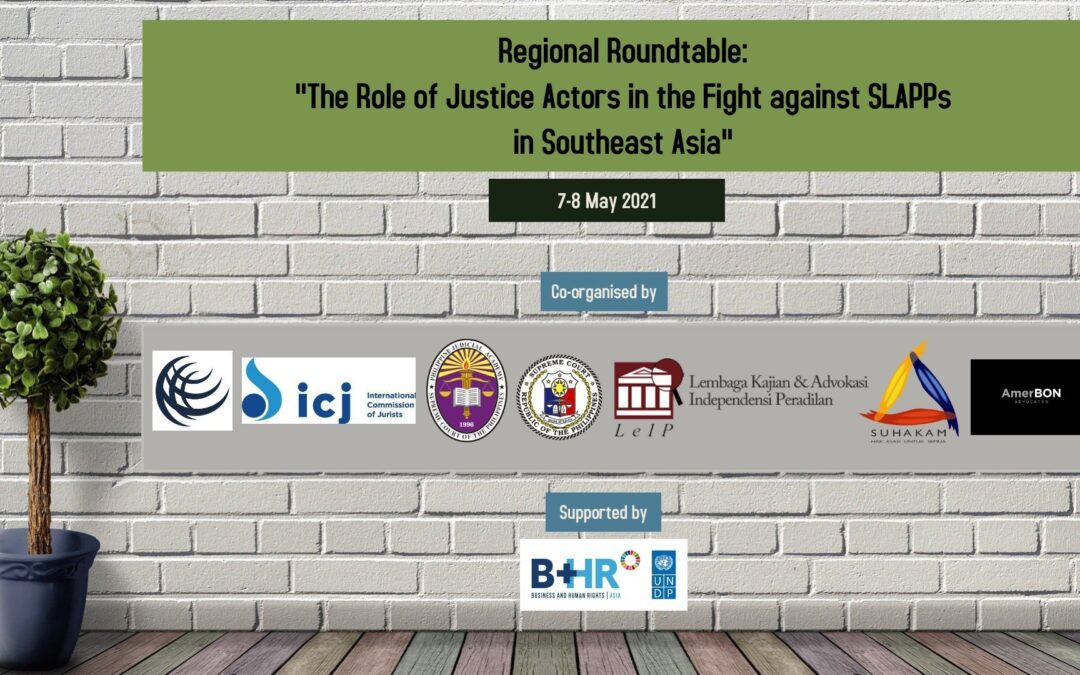
Southeast Asian governments must diminish the misuse of lawsuits to harass and silence civil society, so-called SLAPP suites, said more than 70 international experts, judges, public prosecutors, lawyers, members of civil society organizations, academics, and members of executive and State institutions from Indonesia, Malaysia, the Philippines, and Thailand at a discussion convened by the ICJ and partners on 7 and 8 May.
The participants at the regional dialogue on “The Role of Administration of Judicial Authorities and Legislators in the Fight against Strategic Lawsuits Against Public Participation (SLAPPs) in Southeast Asia” addressed the proliferation of SLAPP suits, which SLAPP suits are undertaken with the principal objective of curtailing or deterring public criticism or opposition to certain activities by the entity initiating the legal action. SLAPP lawsuits typically have a “chilling effect” on the exercise of freedom of expression and other human rights and fundamental freedoms, including freedom of opinion and expression (article 19 of the International Covenant on Civil and Political Rights); freedom of peaceful assembly (article 21); and the right to take part in the conduct of public affairs (article 25).
Irene Khan, Special Rapporteur on the promotion and protection of freedom of opinion and expression, stated that it is necessary to bring exiting laws in compliance with international law and standards, including with the principles of legality, proportionate, necessity, legitimate purpose, and non-discrimination, and called for defamation laws to be decriminalized.
Prof. Surya Deva, Vice-Chairperson, the Working Group on the issue of human rights and transnational corporations and other business enterprises, referred to several anti-SLAPP provisions that, in his view, are inadequate, including section 161/1 and 165/2 of Thailand’s Criminal Procedure Code. He pointed out that while the legal reform needed, States also need to train relevant stakeholders who will make use of these. Internal or soft guidance can also be a helpful guideline on how to exercise discretion, and more resources should be allocated to raise awareness.
Several participants, while noting their duties to protect rights to access to justice and the power imbalance between the parties in SLAPP lawsuits, called for a robust legal frameworks and policies that prevent the filing SLAPPs in the first place and allow relevant authorities to identify, call out and dismiss them as soon as they are filed.
In the jurisdictions where such mechanisms exist, participants highlighted the need to address certain gaps to allow authorities to promptly and effectively exercise their power, and the importance of guidelines that can guide the relevant authorities on how to handle and proceed with SLAPPs in a coordinated effort to raise awareness among justice sector actors on this topic.
In the absence of a specific Anti-SLAPP legislation, participants also shared their experience using existing tools in their domestic laws as a basis in combating SLAPPs, including several provisions of the constitutions, other early dismissal mechanism provided in procedural laws, provisions under international laws, and encouraged their peers to think out of the box.
Reforming individual causes of action that commonly form the basis of SLAPPs, such as defamation, to ensure their compliance with international law and standards were also discussed by participants as another approach that the governments should consider, in combination with other measures.
Remedies for persons negatively affected by SLAPP lawsuits were encouraged.
The Workshop was conducted in collaboration with Business & Human Rights Resource Centre (BHRRC); Philippine Judicial Academy; the Supreme Court of the Republic of the Philippines; Lembaga Kajian dan Advokasi Independensi Peradilan (Indonesian Institute for Independent Judiciary or LeiP); Human Rights Commission of Malaysia (SUHAKAM) and AmerBON Advocates.
The speakers at the workshop were: representatives of all partner organizations; Nikhil Dutta, Global Programs Legal Advisor of the International Center for Not-for-Profit Law (ICNL); Joel Hernández García, Inter-American Commission on Human Rights’ Rapporteur on the Rights of Human Rights Defenders and Justice Operators; Irene Khan, Special Rapporteur on the promotion and protection of freedom of opinion and expression; and Prof. Surya Deva, Vice-Chairperson, the Working Group on the issue of human rights and transnational corporations and other business enterprises.