Apr 22, 2020 | News
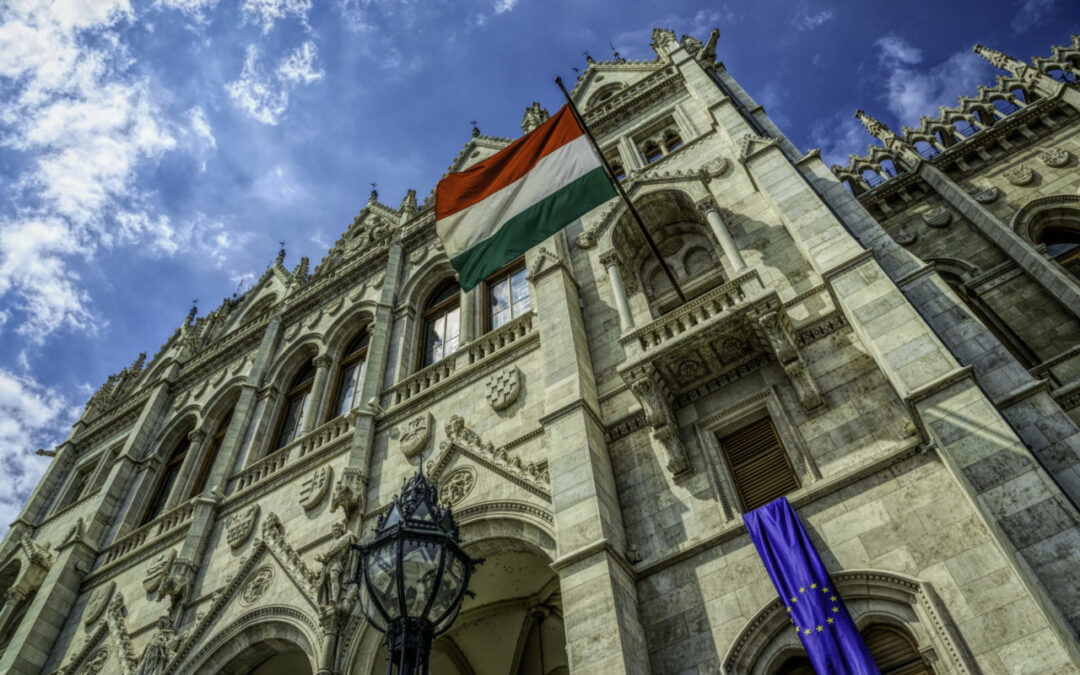
In a joint letter to EU Member States, the ICJ and other human rights NGOs have urged them to recognize the grave implications for human rights and the rule of law, of the Hungarian government’s recent emergency measures.
Ahead of the Council of the EU videoconference of EU Affairs Ministers to discuss the response to COVID-19, Amnesty International, International Federation for Human Rights (FIDH), Human Rights Watch, the ICJ, Open Society European Policy Institute and Reporters Without Borders (RSF) urged the Council to take immediate steps to protect the principles enshrined in Article 2 of the Treaty on European Union (TEU), and the rights enshrined in the EU Charter of Fundamental Rights. This is particularly needed in light of the already deteriorated state of the rule of law and human rights in Hungary, which warranted the activation, in September 2018, of the procedure laid down in Article 7.1 TEU.
The organisations urged the member states of the European Union to:
- include in the agenda of the upcoming session of the EU General Affairs Council an Article 7.1 TEU hearing on the situation in Hungary, including recent developments in relation to the COVID-19 outbreak, and address to the government of Hungary, as a matter of urgency, concrete recommendations to safeguard respect for the rule of law and human rights in the country, that the Hungarian government must implement by a set deadline;
- commit to assessing the implementation of the recommendations in a timely manner in order to reach a determination under Article 7.1 TEU and, should conditions warrant it, move forward under Article 7.2 TEU.
- ensure enhanced monitoring of the Hungarian government’s use of EU funding, including funds aimed at supporting member states during the public health crisis.
The organisations urged both the Council and the Commission to cooperate with each other, and with the European Parliament and national parliaments, to ensure a coordinated, consistent and effective response to the situation.
The full letter is available here: CSO Letter to GAC -rule of law in Hungary April 2020
Apr 21, 2020 | News
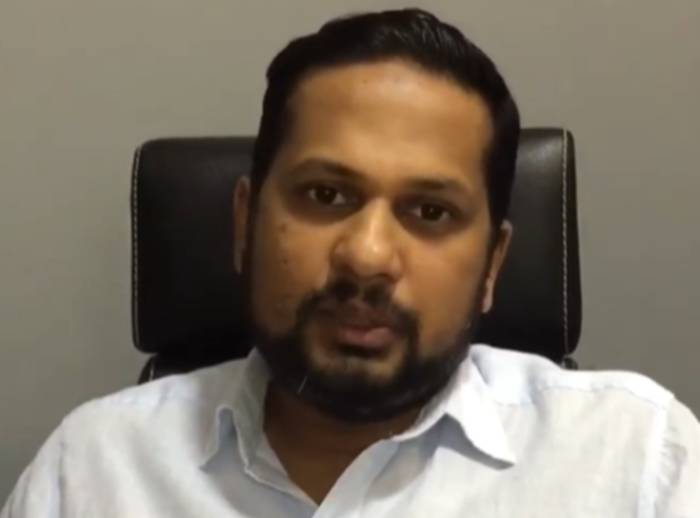
The ICJ called upon the Sri Lankan authorities to respect human rights in the conduct of their investigation of the 2019 Easter Sunday bombings, including ensuring that investigations into the alleged involvement of Sri Lankan lawyer, Hejaaz Hizbullah, are conducted in accordance with due process and fair trial guarantees under international law.
Specifically, the authorities must specify the charges against him, grant him full and immediate access to a lawyer, and investigate the circumstances of his arrest for potential rights violations.
Sri Lankan Lawyer Hejaaz Hizbullah was arrested by the Criminal Investigation Department of the Police (CID) on April 14, 2020 pursuant to the Prevention of Terrorism Act (PTA) and has since been kept in detention. No reasons were provided at the time of the arrest. During a media briefing, a police spokesperson stated that he was arrested as a result of the evidence found against him during investigations into the 2019 Easter Sunday bombings. The ICJ understands that no remand or detention orders authorising his continued detention have been served even after the lapse of 72 hours as required by Sections 7 and 9 of the PTA. Moreover, Hizbullah was only granted limited access to legal counsel on April 15 and 16, under the supervision of a CID official, who had insisted that the conversation be in Sinhala, in breach of attorney-client privilege. Legal access has been denied at least since April 16, 2020.
“No one questions the government’s need and obligation to investigate the horrendous Easter Sunday attacks, but these investigations must be conducted in a way that is consistent with international law and the Sri Lankan Constitution,” said Frederick Rawski, ICJ Asia-Pacific Director. “Not serving Hizbullah a remand order as required by law, and denying him full and confidential access to legal counsel is unacceptable and in violation of international standards on the right to liberty.”
A Habeas Corpus petition was filed by Hizbullah’s father on April 17 seeking his release from detention, and demanding that he be given access to his attorneys. According to the application, five persons posing as officials of the Ministry of Health entered his home and interrogated him, after placing him in handcuffs. They demanded access to two of his case files, recorded a statement from him and subsequently took him into custody at the Criminal Investigation Department.
“By allowing warrantless entry, search of premises and the arrest of persons, the Prevention of Terrorism Act violates basic due process guarantees under international law,” added Rawski. “This legal provision is one of many problematic provisions of the PTA. The ICJ reiterates it calls for the PTA to be repealed, and replaced with an a law that conforms with Sri Lanka’s international human rights obligations.”
According to Article 9 of the International Covenant on Civil and Political Rights, “anyone who is arrested shall be informed, at the time of arrest, of the reasons for his arrest and shall be promptly informed of any charges against him.” Article 14 entitles anyone charged of a criminal offence “to have adequate time and facilities for the preparation of his defence and to communicate with counsel of his own choosing”. Similar guarantees are enshrined under Article 13 of the Sri Lankan Constitution.
The UN Basic Principles on the Role of Lawyers provide that, “Governments shall further ensure that all persons arrested or detained, with or without criminal charge, shall have prompt access to a lawyer, and in any case not later than forty-eight hours from the time of arrest or detention.”
The ICJ has consistently called for the repeal of the Prevention of Terrorism Act, which has been used to arbitrarily detain suspects for months and often years without charge or trial, facilitating torture and other abuse. The ICJ reiterated its call for the repeal and replacement of this vague and overbroad anti-terror law in line with international human rights standards and Sri Lanka’s international obligations.
Contact
Frederick Rawski, ICJ Asia-Pacific Director, t: +66 64 478 1121; e: frederick.rawski(a)icj.org
Apr 17, 2020 | News
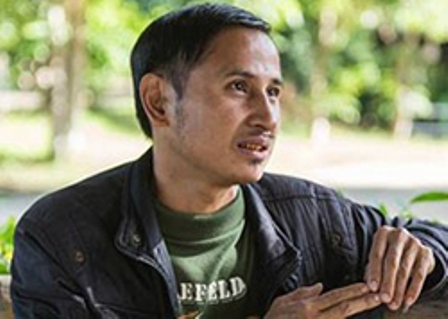
On the sixth anniversary of the apparent enforced disappearance of Karen activist, Pholachi “Billy” Rakchongcharoen, the ICJ repeated its calls for Thailand to bring those responsible to justice and apply appropriate penalties that take into account the extreme seriousness of the crime.
On 23 December 2019, after the Thai Ministry of Justice’s Department of Special Investigation (DSI) in September had located bone fragments which they identified as likely belonging to Billy, eight charges, including premeditated murder and concealing the body, were brought against four officials of Kaeng Krachan National Park, with whom Billy was last seen. However, in January 2020, public prosecutors suddenly dropped seven murder-related charges against the four accused on the basis that there was insufficient evidence to take the cases to trial.
“It is disturbing that after six years the prosecutors could not move forward with the prosecution because the authorities failed to gather evidence to identify the perpetrator for Billy’s murder despite the discovery of bone fragments,” said Frederick Rawski, Asia Regional Director of the ICJ. “Thai authorities should, pursuant to its international legal obligations, continue to gather other direct and circumstantial evidence to prosecute and punish perpetrator with appropriate penalties.”
The four suspects are now facing only a minor charge for failing to exercise their official functions because they released Billy instead of handing him over to the police after they took him into custody in April 2014 for collecting wild honey in the park.
“Thailand needs to implement legislation criminalizing enforced disappearance without delay so that prosecutors have the appropriate tools to prosecute those responsible, and are not forced to bring charges for crimes of lesser gravity,” he added.
Download the statement with detailed background information in English and Thai.
Contact
Frederick Rawski, ICJ Asia-Pacific Director, t: +66 64 478 1121; e: frederick.rawski(a)icj.org
Further reading
Thailand: discovery of “Billy’s” remains should reinvigorate efforts to identify perpetrator(s)
Thailand: continuing delay in the enactment of the draft law on torture and enforced disappearance undermines access to justice and accountability
Apr 6, 2020 | Feature articles, News
A Feature Article by the Access to Justice for Women Team of the ICJ.
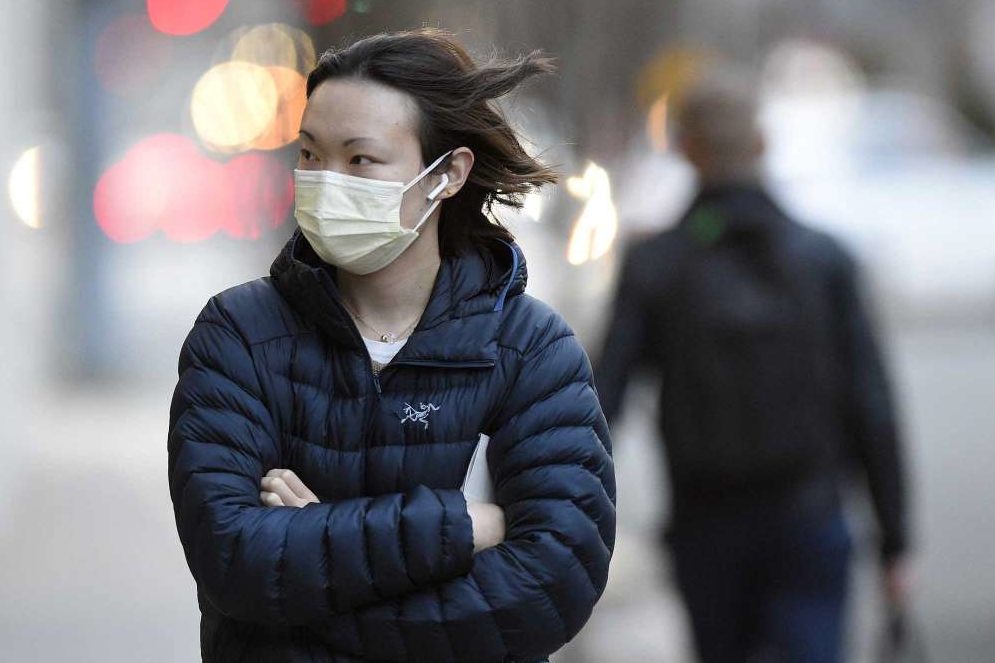
As the COVID-19 pandemic spreads across the globe, many governments are introducing a spectrum of measures to curb the spread of the novel coronavirus, including travel bans, lockdowns, curfews, and school, workplace and border closures.
While it is important that States act decisively in discharge of their obligations to protect the rights to life and health of all people during this pandemic, it is equal that they do so in a human rights compliant manner, so as not to compound the harms brought directly by the virus.
This entails, among other things, acting in a manner that provides equal protection and is non-discriminatory. Complying with these principles requires taking into account gender impacts and providing for gender-specific responses.
However, a number of measures presently being taken by governments around the world to attempt to curb the spread of the virus can be expected to exacerbate pre-existing gender inequalities and therefore disproportionately affect women’s enjoyment of social and economic rights.
Many women who are disabled, refugees, migrants, detainees, living in poverty and or belonging to ethnic, racial, religious or sexual minority groups are experiencing or are likely to experience intersecting forms of discrimination during this time of crisis.
What Does #StayHome Mean to Women?
Lockdowns, quarantines, and school closures to control the pandemic in many countries have a differential effect on women.
Women and girls are most expected to perform caregiving role within families, which means less economic and work opportunities for them and thus denying their basic rights to development.
This condition is worsened if they are being quarantined with an abusive partner as they are exposed to greater risks of intimate partner violence during the outbreak.
Unfortunately, in many places there is a significant lack of guidelines or information on how to contact police, access medical treatment, psychological support, or access to shelters when domestic violence occurs during the pandemic.
In the UK, for example, while 25 organizations helping domestic violence victims have reported an increase in their cases since the surge of the COVID-19 epidemic, one quarter said they could not effectively support victims because of technical issues, inability to meet victims, and staff sickness.
Additionally, with resources already stretched in fighting the spread of the virus, many State authorities may not see as a priority access to comprehensive sexual and reproductive health services for women, which are already restricted by prohibitive laws and customs in many contexts.
This results in significant limitations on women’s rights to menstrual health, maternal health, and safe abortion.
Women at Work
According to the International Labour Organization (ILO), women are over-represented in more affected sectors (such as services) or in occupations that are at the frontline of dealing with the pandemic.
The ILO estimates that 58.6 percent of employed women work in the services sector around the world. Women also have less access to social protection and will bear a disproportionate burden in the care economy, in the case of closure of schools or care systems.
Women migrant workers are also vulnerable to the impact of the COVID-19 crisis, as extensive travel restrictions constrain both their ability to access their places of work in destination countries and return to their families.
Women at the Border: Refugees & Asylum seekers
There is a severe lack of secure, safe and accessible infrastructure and services in most refugee camps and temporary settlements.
Asylum seekers face right now a long wait if the courts are closed due to the pandemic, or worse, being returned to their home country without having a chance to pursue their claims, sometimes in violation of the principle of non refoulement.
As the virus hits overcrowded displacement sites, the consequences can expected be catastrophic. Moreover, in this setting, studies found that women and girls are often exposed to sexual violence and exploitation when they are forced to openly defecate or walk to shared sanitation facilities.
All State Measures to COVID-19 Must Be Gender Responsive
Under the International Covenant on Economic, Social and Cultural Rights (ICESCR), States have duty to achieve the full realization of the right to everyone to the enjoyment of the highest attainable standard of physical and mental health.
The Convention on the Elimination of All Forms of Discrimination against Women (CEDAW) also provides of the obligation of States to take all appropriate measure to eliminate discrimination against women in the field of health care in order to ensure, on a basis of equality of men and women, access to health care services, including those related to family planning.
Furthermore, failure to recognize the gender dynamics of outbreaks limits the effectiveness of response efforts and consequently impedes women’s rights.
In order for the response to disease outbreaks such as COVID-19 to be effective and not reproduce or perpetuate gender and health inequities, it is important that gender norms and roles are identified and incorporated in all socio- economic measures established to counter the pandemic.
Further, the emergency preparedness and response plan must address gender roles, responsibilities, social norms and specific needs of women.
States should also provide new strategies for women victims of domestic violence to be protected during the lockdown.
Governments should include the work of domestic violence professionals an essential service and provide emergency resources for anti-domestic abuse organizations to help them respond to increased demand for services.
They should also consider, alternative means, such as through “pop-up” counseling centers, reporting in pharmacies, to encourage women to report domestic violence.
Governments must ensure all measures to combat the outbreak are gender responsive while being in strict accordance with human rights standards.
While states may limit or derogate from certain rights to meet a public health crisis, such restrictions are always subject to the principles of legality, necessity proportionality and nondiscrimination.
Given that women are often to be found in the more vulnerable categories of informal work, for instance, as domestic workers or self-employed home-based workers, authorities should enhance universal access to collectively-financed health services for all, including uninsured workers and their families.
States must also expand access to collectively-financed paid sick leave, sickness benefits, and parental or care leave to ensure income security for those who are sick, quarantined or caring for children, elderly or other family members.
Moreover, governments should ensure that women asylum seekers, internally displaced persons, and refugees are included in national COVID-19 surveillance, preparedness, and response plans, and ensure that menstrual hygiene, reproductive, and other primary health care commodities are well-stocked and available.
Lastly, perspectives, experiences, and voices of diverse women, including LBTI persons (as enshrined in the Yogyakarta Principles), should be included in decision-making process around the COVID-19 outbreak measures because effective global responses, to public health emergencies must be in line with the rights and needs of affected women.
***
Download the Op-Ed in other languages:
Nepali (PDF)
Tamil (PDF)
Sinhala (PDF)
Indonesian (PDF)
Apr 2, 2020 | News
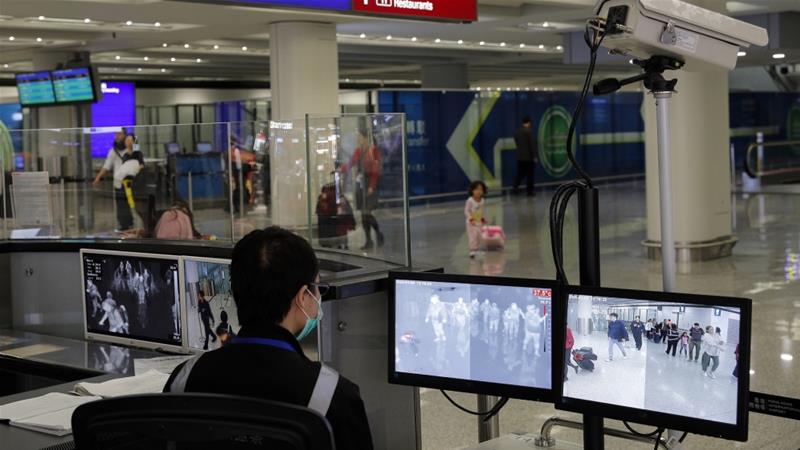
Today, the ICJ joined more than 100 other organizations to urge States to ensure that any use of digital technologies to track and monitor individuals and populations as part of measures to tackle the COVID-19 pandemic is fully human rights compliant.
The organizations warned that efforts to contain the virus must not be used as a cover to impose greatly expanded systems of invasive digital surveillance that are likely to be abused, unless adequate safeguards are put in place to protect freedom of expression, the right to privacy and other rights.
Technology can and should play an important role in the midst of the current crisis to protect the rights to health, life and security.
Deploying non-consensual State digital surveillance powers however can risk violations of the rights to privacy, freedom of expression, information and association. If implemented in an arbitrary or discriminatory way, and without adequate oversight, these measures risk damaging public trust in state authorities and undermining the effectiveness of any public health response. Non-consensual digital surveillance measures may also disproportionately exacerbate discrimination against already marginalized communities.
The organizations called on all governments to ensure that increased digital surveillance measures meet the following conditions:
- Surveillance measures adopted to address the pandemic must be lawful, necessary and proportionate. Governments must be transparent about the measures they are taking so that they can be scrutinized and, if appropriate, later modified, retracted, or overturned.
- Expansion of monitoring or surveillance measures must be time-bound, and only continue for as long as necessary to address the current pandemic.
- States must ensure that increased collection, retention, and aggregation of personal data, including health data, is only used for the purposes of responding to the COVID-19 pandemic. Data collected, retained, and aggregated to respond to the pandemic must be limited in scope, time-bound in relation to the pandemic and must not be used for commercial or any other purposes.
- Governments must take every effort to protect people’s data, including ensuring sufficient security of any personal data collected and of any devices, applications, networks, or services involved in collection, transmission, processing, and storage. Any claims that data is anonymous must be based on evidence and supported with sufficient information regarding how it has been anonymized.
- Any use of digital surveillance technologies in responding to COVID-19, including big data and artificial intelligence systems, must address the risk that these tools will facilitate discrimination and other rights abuses against racial minorities, people living in poverty, and other marginalized populations, whose needs and lived realities may be obscured or misrepresented in large datasets.
- If governments enter into data sharing agreements with other public or private sector entities, they must be based on law, and the existence of these agreements and information necessary to assess their impact on privacy and human rights must be publicly disclosed – in writing, with sunset clauses, public oversight and other safeguards by default. Businesses involved in efforts by governments to tackle COVID-19 must undertake due diligence to ensure they respect human rights, and ensure any intervention is firewalled from other business and commercial interests.
- Any response must incorporate accountability protections and safeguards against abuse. Increased surveillance efforts related to COVID-19 should not fall under the domain of security or intelligence agencies and must be subject to effective oversight by appropriate independent bodies. Individuals must be given the opportunity to know about and challenge any COVID-19 related measures to collect, aggregate, and retain, and use data.
- COVID-19 related responses that include data collection efforts should include means for free, active, and meaningful participation of relevant stakeholders, in particular experts in the public health sector and marginalized population groups.
Link to joint statement here.
See also
ICJ, ‘Southeast Asia: States must respect and protect rights in combating misinformation online relating to COVID-19’, 1 April 2020