
Apr 3, 2014 | Advocacy, Legal submissions
The ICJ today made a further submission to the UN Working Group on Arbitrary Detention.
The ICJ submission addressed a number of issues for a draft set of “Basic Principles and Guidelines” on the right of anyone deprived of liberty to challenge the lawfulness of his or her detention, and the right of victims of arbitrary or unlawful detention to an effective remedy.
The document supplements an earlier submission by ICJ, delivered in November 2013, and responds to a number of questions raised by members of the Working Group when the ICJ appeared before it in its November session. The new submission addresses the following issues:
- The ability of persons other than the detained individual and his or her lawyer to initiate proceedings challenging the detention.
- Entitlement of a detained person to disclosure by the government of information relevant to their detention, in the context of challenging the lawfulness of the detention.
- The right of the detained individual physically to appear before the court.
- The scope of the obligation to provide compensation to victims of arbitrary or otherwise unlawful detention, apart from particular treaty provisions.
- Whether, in terms of the right to remedy and challenge, any distinction is to be drawn between the criminal justice system and other forms of detention such as detention of migrants, detention on psychiatric and various existing administrative regimes.
- Military courts and the right to challenge the lawfulness of detention.
- Whether exceptions to the right to challenge lawfulness of detention before a court exist, under customary international law.
The United Nations Working Group on Arbitrary Detention, which will next meet in Geneva 22 April to 1 May 2014, was requested by the Human Rights Council to prepare the draft “Principles and Guidelines” before the end of 2015. The Working Group is presently developing a first draft. A stakeholder consultation on the draft is contemplated for September 2014.
The new supplemental submission may be downloaded in PDF here: ICJ-Advocacy-WGADhabeas-2ndSubmission-03042014
The earlier submission may be downloaded here.

May 7, 2013 | Advocacy, Legal submissions
The ICJ today submitted to the United Nations a written statement concerning corporate complicity in human rights abuses and access to justice for victims of such abuses.
The statement is made ahead of the UN Human Rights Council’s 23rd session (27 May to 14 June 2013) and comments on a report of the Council’s Working Group on human rights and transnational corporations and other business enterprises.
Setting out issues concerning obstacles to justice for victims of human rights abuses by business enterprises, the ICJ calls on the Working Group to take various steps to address such issues, including by:
- Exploring the further development of international standards;
- Raising specific allegations of corporate abuse with relevant State authorities and business enterprises; and
- Addressing more clearly the issue of access to justice in cases of corporate complicity.
HRC23-Item3-WGBHR-WrittenStatement-LegalSubmission-2013 (download statement in PDF)
Apr 23, 2013 | Advocacy, Cases, Legal submissions
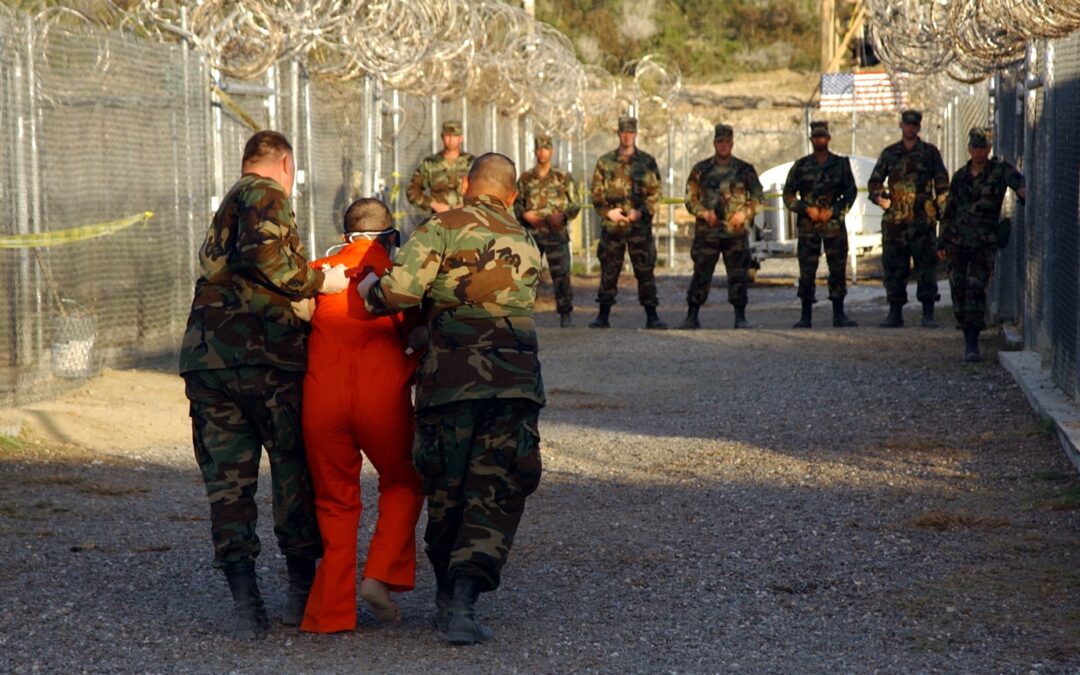
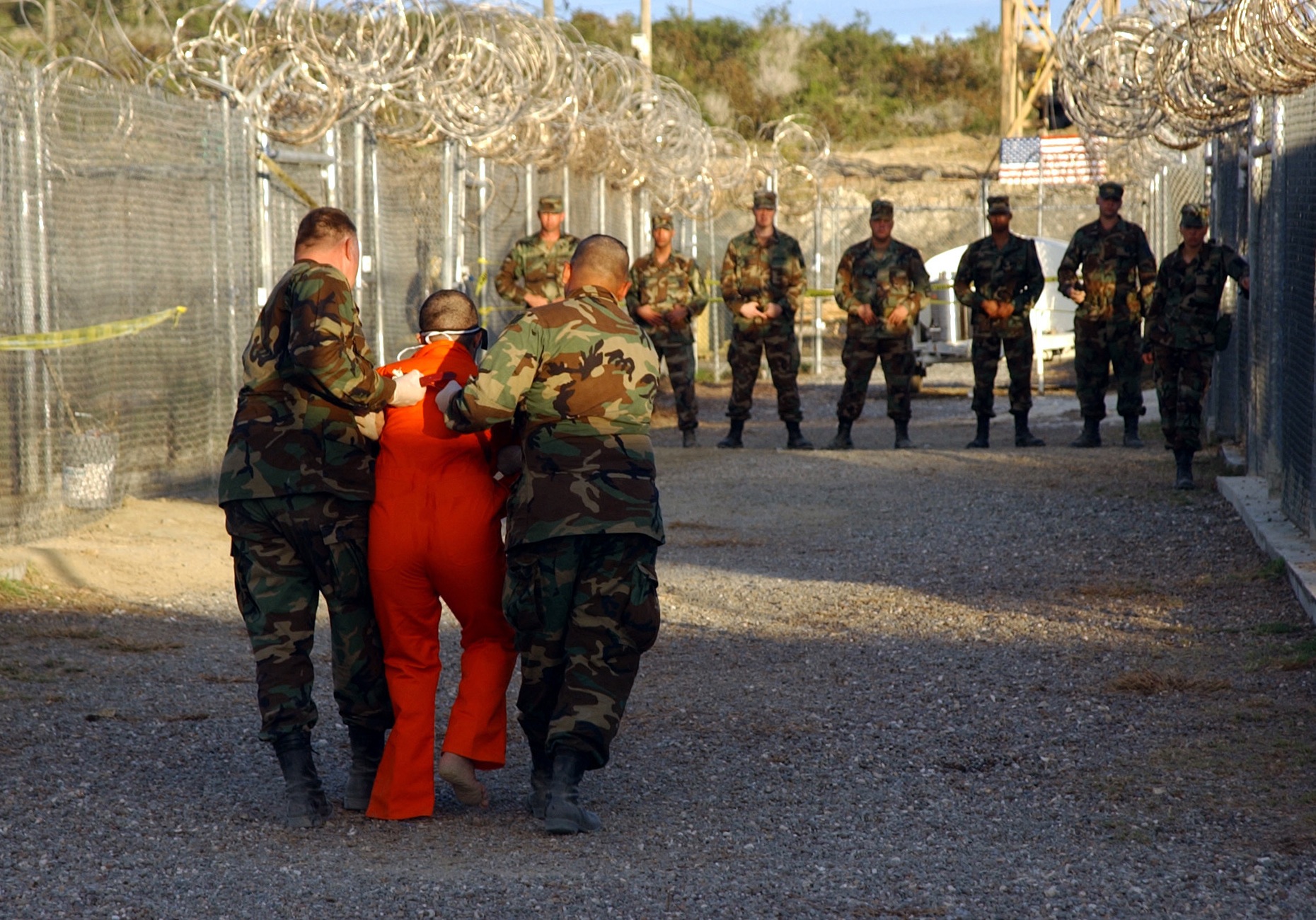 The ICJ and Amnesty International presented a third party intervention in the case Abu Zubaydah v. Lithuania before the European Court of Human Rights.
In the third party intervention, the ICJ and AI outlined developments on the knowledge imputable to Contracting Parties at relevant times; on the obligations attached to principle of non-refoulement; on the duty to investigate credible allegations of human rights violations and other procedural obligations; and on the human rights violations that detainees previously held in the USA’s secret detention and rendition programmes are currently enduring.
Abu_Zubaydah_v_Lithuania-ICJAIJointSubmission-ECtHR-final (download the third party intervention)
Mar 18, 2013 | Advocacy, Cases, Legal submissions
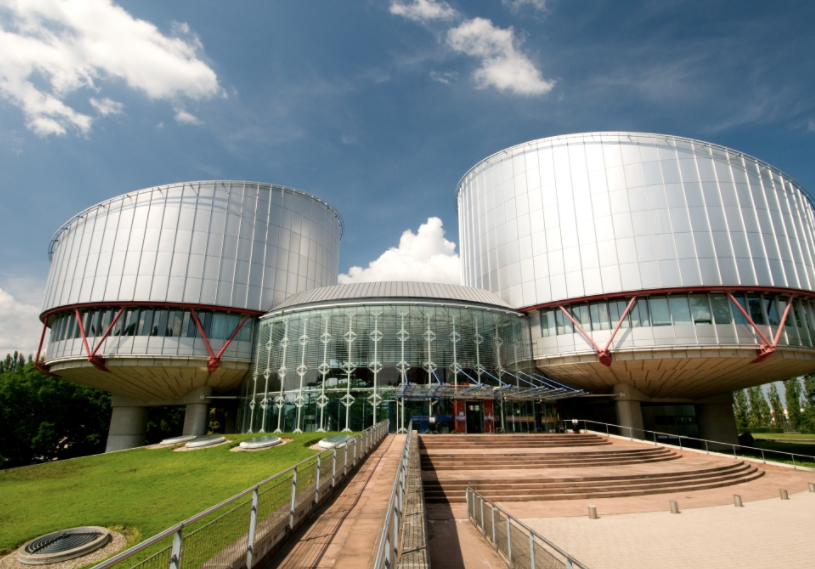
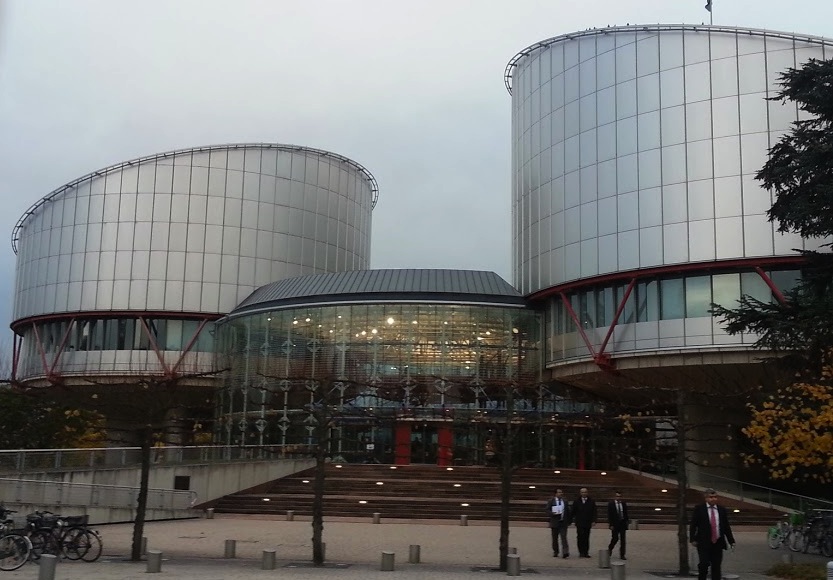 The ICJ and Amnesty International presented a third party intervention in the case Al Nashiri v Romania before the European Court of Human Rights.
In the third party intervention, the ICJ and AI outlined developments on the prohibition of arbitrary deprivation of liberty as a rule of customary international law; on the knowledge imputable to Contracting Parties at relevant times; on the duty to investigate credible allegations of human rights violations and the right to truth; and on the evidential approach to enforced disappearances.
AlNashiri_v_Romania-ICJAIJointSubmission-ECtHR-final (download the third party intervention

Mar 5, 2013 | Advocacy, Legal submissions, Non-legal submissions
The ICJ today requested the UN Special Rapporteur on the situation of human rights defenders to call on Zimbabwe, Angola, the Democratic Republic of Congo and Swaziland to take effective measures to prevent and end attacks on and persecution of human rights defenders.
The ICJ delivered its oral statement today during an interactive dialogue with the Special Rapporteur as part of the Human Rights Council’s 22nd regular session (25 February to 22 March 2013).
The ICJ also noted the need for these States to:
- Ensure adherence to international standards on detention and fair trial in cases where human rights defenders have been arrested;
- Conduct prompt and impartial investigations and, where human rights abuses are criminal in character, prosecute all persons responsible; and
- Ensure that affected human rights defenders have access to effective remedies and reparation for such abuses.
Also addressed to the Special Rapporteur on the situation of human rights defenders was a written statement submitted earlier this month concerning legislative restrictions on ‘homosexual propaganda’ that threaten LGBT human rights defenders.
SouthernAfrica-HRC22-IDItem3-SRHRDs-Non-LegalSubmission-2013 (download oral statement in PDF)
For the written statement click here
Feb 25, 2013 | Advocacy, Cases, Legal submissions
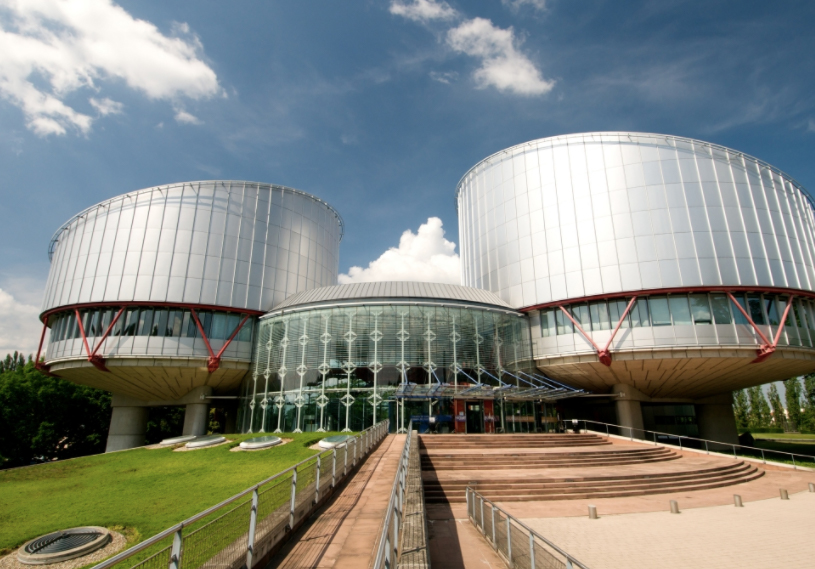
The ICJ and Amnesty International presented additional observations in the case Al Nashiri v Poland before the European Court of Human Rights.
In their supplementary third party intervention, the ICJ and AI outlined developments in light of the case El-Masri v the Former Yugoslav Republic of Macedonia on enforced disappearances, on diplomatic representations in light of the Grand Chamber’s findings on responsibility for violations outside the jurisdiction, on the gross human rights violations that detainees previously held in the USA’s secret detention and rendition programme are currently enduring, and on relevance of the Grand Chamber’s observations in El-Masri in relation to any potential resort to ex parte materials and procedures.
Poland-ICJAI-SupplAmicusBrief-AlNashiri v Poland-legal submission-2013 (download the third party intervention)