Mar 7, 2014 | Events
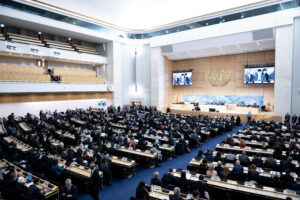
This Human Rights Council side event will take place Monday 10th March 2014 at 2pm – 3pm in the Palais des Nations, Room XXII.
The speakers will be:
- Navi Pillay, UN High Commissioner for Human Rights
- Dr. Halah Eldoseri – Researcher on women’s health and women’s rights, Saudi Arabia
- Maksym Butkevych – Journalist and human rights activist, Ukraine
Moderator: Mary Lawlor, Director of Front Line Defenders.
The event is hosted by Frontline Defenders, and cosponsored by the International Commission of Jurists, Human Rights House, Trocaire, and the Permanent Mission of Ireland.
Event-HRDandCivilSocietySpace-HRC25-2014
Mar 4, 2014 | Agendas, Events
This side event to the 25th Human Rights Council session will take place on Friday, 7 March 2014, 12.00 – 14.00 pm, in Geneva, Palais des Nations, Room XXI.
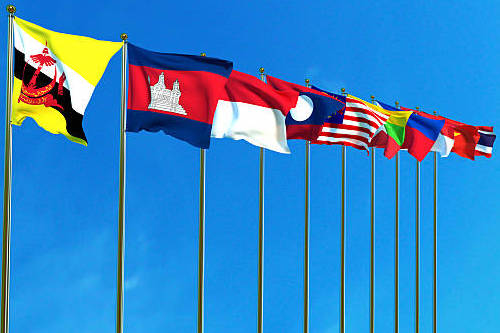
The panel, which includes family members of victims of enforced disappearance, will discuss unresolved cases of enforced disappearances in Southeast Asia, including human rights defenders Somchai Neelapaijit (Thailand) and Sombath Somphone (Laos).
The panel will also discuss the response of the ASEAN Intergovernmental Commission on Human Rights (AICHR), the regional human rights body composed of representatives from all ASEAN Member States, to these two cases and more generally to enforced disappearances of human rights defenders in the region.
Speakers:
Aileen Diez-Bacalso
Secretary General, Asian Federation Against Involuntary Disappearances (AFAD)
Angkhana Neelapaijit
Chairperson, Justice for Peace Foundation
Emerlynne Gil
International Commission of Jurists (ICJ), Southeast Asia
Chair/moderator:
Wilder Tayler
Secretary General, the International Commission of Jurists
The presentations by panelists will be followed by an open interaction with the audience. Copies of ICJ’s legal memorandum on the case of Sombath Somphone and the report Ten Years without Truth: Somchai Neelapaijit and enforced disappearances in Thailand will be available. Light refreshments will also be available immediately before the event.
Feb 24, 2014 | Events, Training modules
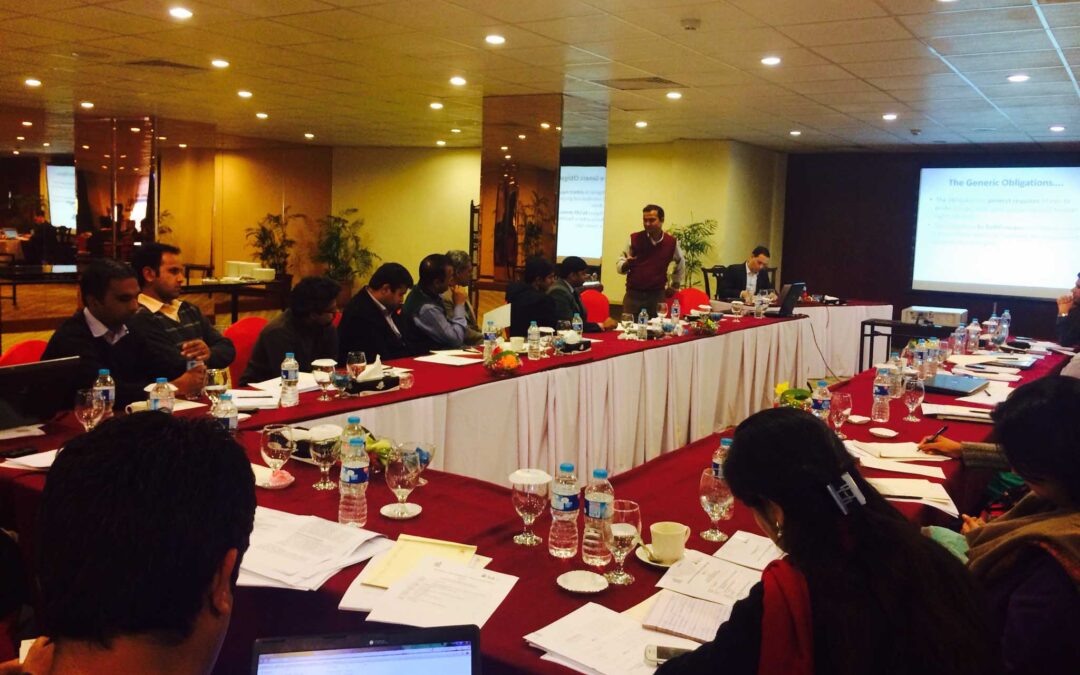
In partnership with the Human Rights Commission of Pakistan (HRCP), the ICJ conducted two-day workshops on NGO engagement with the United Nations, held in Pakistan on 18-19 and 21-22 February 2014.
The workshops, held in Lahore and Islamabad, focused on enhancing the meaningful participation of national NGOs with the UN human rights system. Participants included representatives from civil society working on a wide range of human rights issues, including enforced disappearances, education, violence against women and child rights.
Drawing from experiences of ICJ staff and participants, the workshops considered how international advocacy and engagement with the UN can benefit NGOs and addressed:
- The nature of international human rights law;
- State obligations under international human rights law;
- The UN human rights system;
- The Universal Periodic Review mechanism;
- The UN Special Procedures and the making of individual complaints to them;
- The UN Treaty Bodies, individual complaints and periodic reporting; and
- Documenting human rights violations.
Background materials on the Universal Periodic Review: (ENG) and (URDU)
Background materials on the UN Special Procedures: (ENG) and (URDU)
Background materials on the core functions of the UN Treaty Bodies: (ENG) and (URDU)
BAckground materials on periodic reporting to the UN Treaty Bodies: (ENG) and (URDU)
Dec 5, 2013 | Events, News
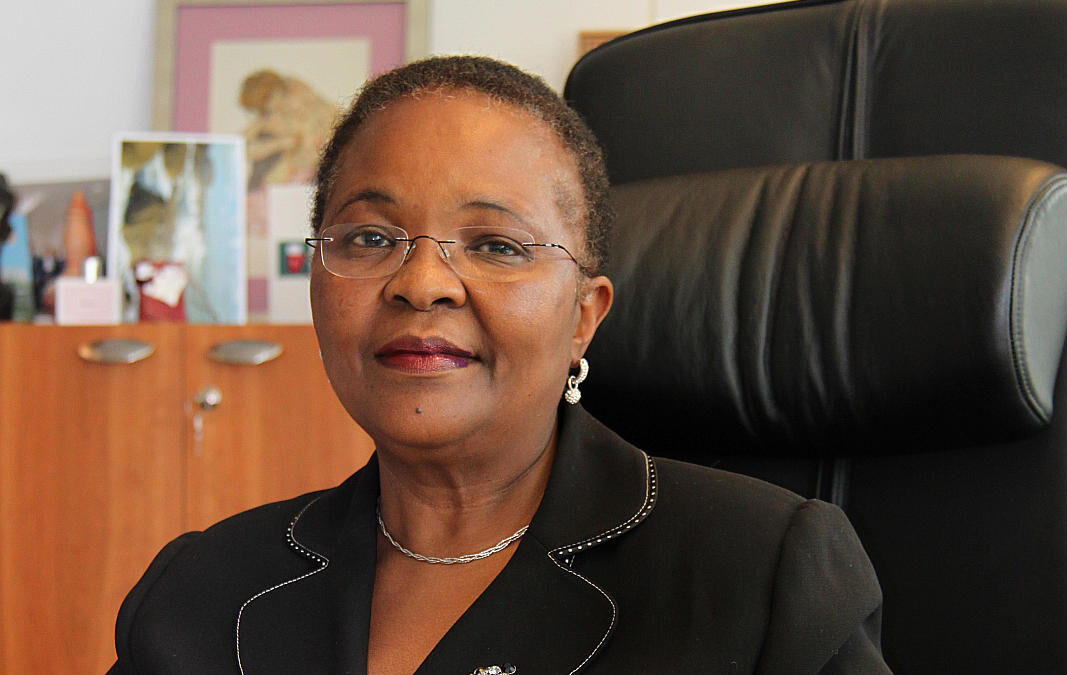
The 4th ICJ Geneva Forum of Judges and Lawyers opened today. This year’s forum promotes the role of women in the judiciary, focusing particularly on women judges and lawyers from Africa and the Middle East.Scheduled on 5-6 December, it forms part of a broader ICJ initiative on women judges, lawyers and human rights defenders as agents of change.
The Forum is convened annually by the ICJ’s Centre for Independence of Judges and Lawyers, bringing together legal practitioners from around the world to help safeguard the independence and impartiality of the judiciary and the legal profession.
The 2013 edition of the Forum is supported by the République and Canton de Genève, Australian Aid, and PeaceNexus Foundation.
ICJGeneva Forum 2013-Final Agenda-event-2013 (download in pdf)
ICJGeneva Forum 2013-Participants list-event-2013 (download in pdf)
Picture: ICJ Commissioner Sanji Monageng (Botswana) will chair the session on stories from the frontline.
Dec 3, 2013 | Agendas, Events
The ICJ was at the Club de la Presse in Geneva for a roundtable ahead of the Fourth ICJ Geneva Forum of Judges and Lawyers. The event was live streamed.
Moderated by Leah Hoctor, Senior Legal Adviser at ICJ, the event was a unique opportunity to share the real life experiences of two African women, who have overcome the challenges of poverty and discrimination to become two of Africa’s most senior and admired judges.
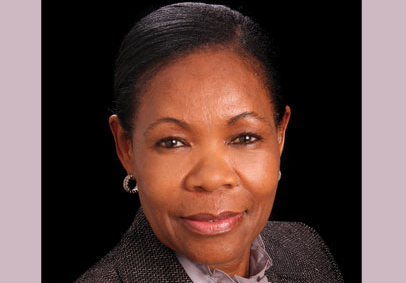
Justice Yvonne Mokgoro (photo) was the first black woman judge in South Africa and a former justice of its post-apartheid Constitutional Court.
Justice Lilian Tibatemwa-Ekirikabinza is an academic leader in Uganda. She was the first Ugandan woman to qualify for an award of a Ph.D. in Law.
The Press Club event came ahead of the Fourth ICJ Geneva Forum of Judges and Lawyers on 5-6 December.
The Forum is convened annually by the ICJ’s Centre for Independence of Judges and Lawyers, bringing together legal practitioners from around the world to help safeguard the independence and impartiality of the judiciary and the legal profession.
This year’s forum promotes the role of women in the judiciary, focusing particularly on women judges and lawyers from Africa and the Middle East.
It forms part of a broader ICJ initiative on women judges, lawyers and human rights defenders as agents of change.
Watch the event here:
Nov 25, 2013 | Agendas, Events
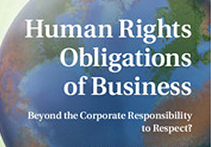
This is the title of a book to be launched on Monday 2 December at the UN in Geneva, in partnership with the Permanent Mission of Ecuador, and the ICJ.
Do the ‘Respect, Protect, and Remedy Framework and the Guiding Principles on Business and Human Rights adequately address the challenges concerning the human rights obligations of business?
This book engages critically with these important developments. The chapters in the book revolve around four key issues: the process and methodology adopted; the source and justification of corporate human rights obligations; the nature and extent of such obligations; and the implementation and enforcement thereof.
In addition to highlighting several shortcomings of the Framework and the Guiding Principles, the contributing authors also outline a vision for the twenty first century in which companies have obligations to society that go beyond the responsibility to respect human rights.
Ian Seiderman, ICJ’s Legal and Policy Director, will be one of the discussants.
Invitation UNOG Business-event-2013 (full text in pdf)