May 5, 2005 | News
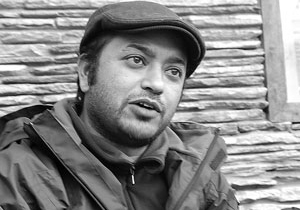
The ICJ today called on the government of Nepal to immediately comply with the Supreme Court’s order to release student leader, Gagan Thapa (photo).
Gagan Thapa, who was arrested on 26 April and held in Hanuman Dhoka detention facility, remains detained despite the order of the Supreme Court.
“It is disturbing that the government of Nepal is continuing to defy orders of the Supreme Court,” said Nicholas Howen, Secretary-General of the ICJ. “Compliance with court orders is a critical measure of the government’s commitment to human rights. It has been built into both US Congressional and United Nations scrutiny of the Nepali government’s human rights record.”
Last month the 53 governments of the UN Commission on Human Rights unanimously agreed on a resolution on Nepal stating that judicial remedies must be safeguarded. In particular they stated that habeas corpus orders must be respected. Nepal, as a member of the UN Commission on Human Rights agreed to this resolution and is therefore committed to implementing it. Even before the King assumed direct power on 1 February the US congressional resolution of December 2004 on military assistance to Nepal set out four conditions including substantial progress in complying with habeas corpus orders issued by the Supreme Court of Nepal.
“If Gagan Thapa is not swiftly released or is re-arrested, as has happened in past cases, the Supreme Court should begin contempt proceedings to hold the government accountable for failure to comply with court orders,” said Nichols Howen.
Nepal-continues defy court orger-press reelease-2005 (full text in English, PDF)
May 4, 2005 | News
Following the lifting of the state of emergency in Nepal by King Gyanendra, the ICJ and other human rights groups called for the restoration of all fundamental rights formally suspended under the state of emergency.

Apr 12, 2005 | News
The ICJ and other rights groups welcomed the MoU between the Government of Nepal and the UN High Commissioner for Human Rights providing for deployment of an international human rights presence to Nepal.

Apr 6, 2005 | News
The ICJ and other human rights groups today called on the international community to stand firm in its response to the human rights crisis in Nepal at the Commission on Human Rights.
Mar 17, 2005 | News
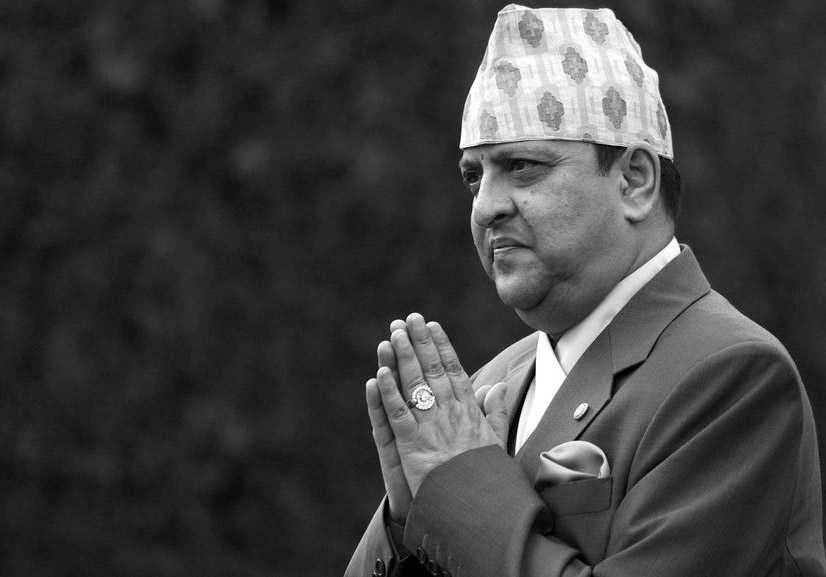
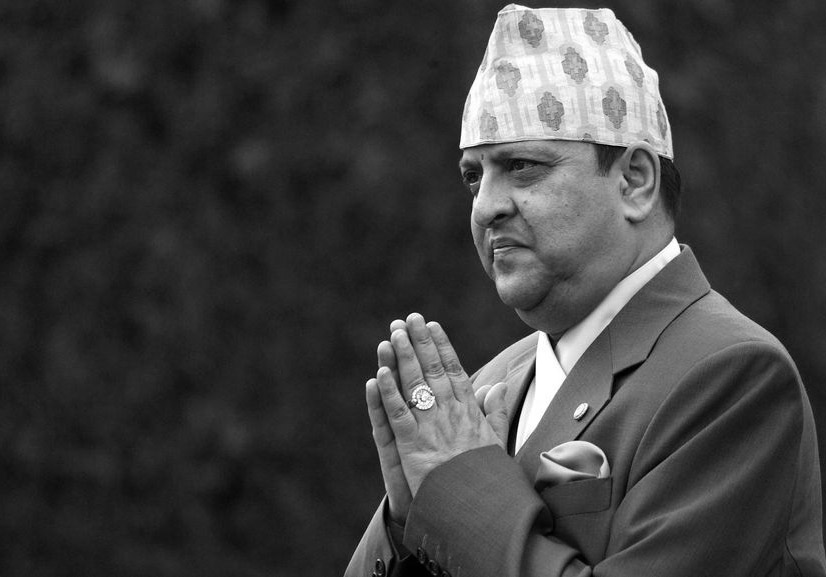
King Gyanendra (photo) has abandoned the rule of law and deepened the conflict in Nepal since assuming direct power and suspending almost all rights under a state of emergency, said the ICJ.

Mar 14, 2005 | News
The ICJ begins a four-day high-level mission today to assess the impact of the state of emergency on the human rights situation.
Focus will be on allegations of human rights violations perpetrated against human rights defenders, civilians and student and political leaders in Kathmandu and in the districts and to discuss with the government avenues through which to they could address the deepening human rights crisis. The Mission is led by ICJ Secretary-General Nicholas Howen.
Nepal is in the midst of a human rights crisis, marked by enforced disappearances, extrajudicial executions, torture and secret detention and impunity of the security forces. The Maoists have engaged in a pattern of violations of international humanitarian law, including summary killings of non-combatants and recruitment of child soldiers.
While in Nepal, the mission team will meet with senior government and army officials, the National Human Rights Commission, leading members of the bar, non-governmental human rights organisations, human rights victims and the diplomatic community.