6 Nov 2026.
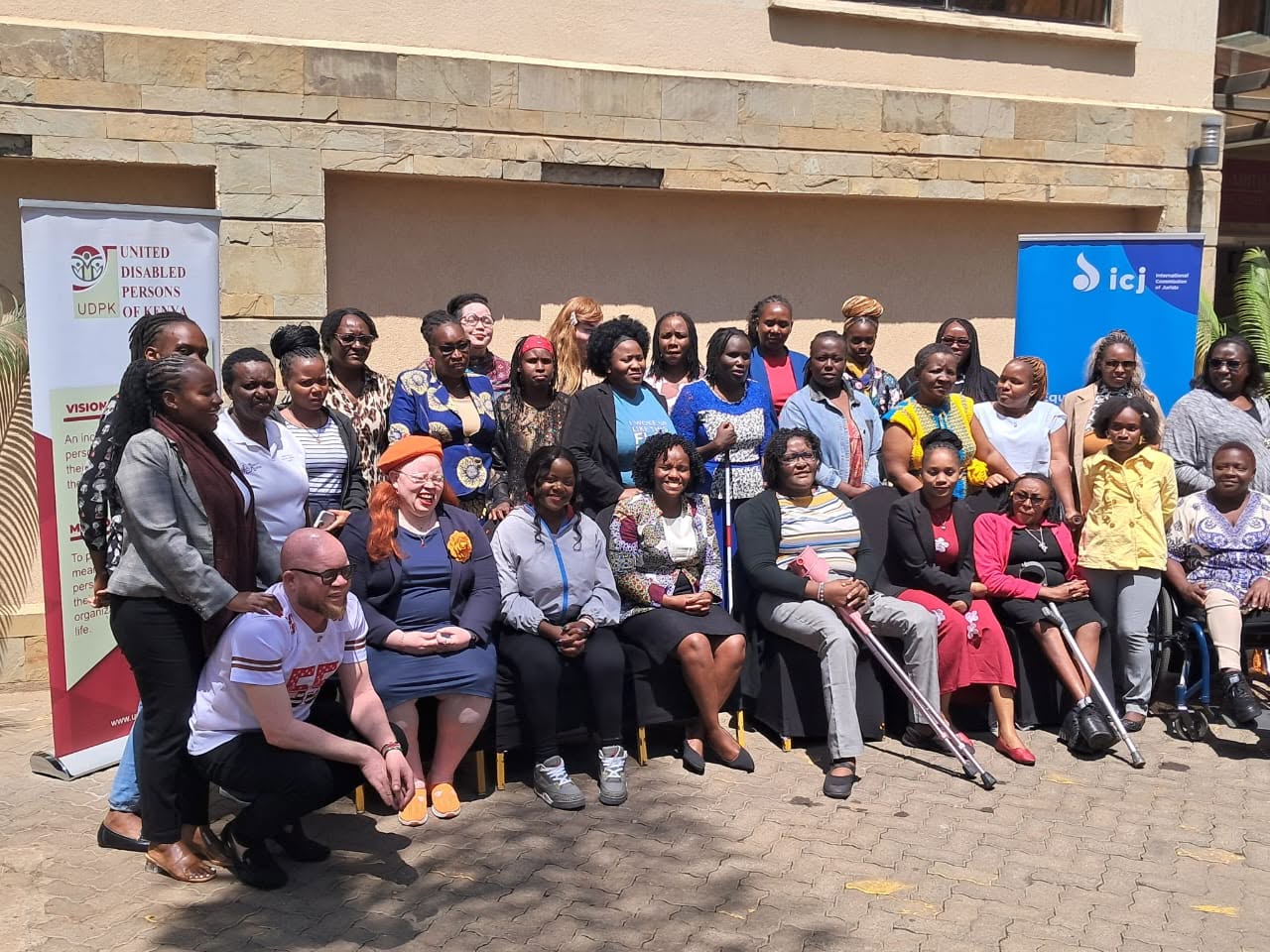
Kenyan organizations of persons with disabilities (OPDs) and other civil society organizations (CSOs) have welcomed the Committee on the Elimination of Discrimination against Women’s (the Committee) Concluding observations on Kenya’s ninth periodic report under the Convention on the Elimination of All Forms of Discrimination against Women (CEDAW) and called on the Kenyan authorities to take expeditious steps to ensure their implementation. In early September this year, OPDs and CSOs made submissions to the Committee ahead of its examination of Kenya’s compliance with and implementation of the CEDAW, and subsequently made oral submissions during the constructive dialogue held on 8 October between the Committee and the State party.
United Disabled Persons of Kenya (UDPK) and the International Commission of Jurists (ICJ) made a joint submission focusing on access to justice for women and girls with disabilities.
UDPK and the ICJ expressed support for the Committee’s Concluding Observations, which cover a broad range of human rights concerns that OPDs and other CSOs had brought to the Committee’s attention.
“The Kenyan authorities should study the Committee’s recommendations carefully, and work closely with organizations of persons with disabilities to develop a clear plan and specified timelines for their implementation”, said Sally Nduta, Executive Director of UDPK.
“The recommendations provide clear guidance for critical and urgently needed legislative and policy reforms, which, if undertaken, would improve the enjoyment of human rights by women and girls with disabilities substantially”, she added.
In particular, the Committee’s Concluding observations draw the Kenyan authorities’ attention to the inadequate implementation of Kenya’s legal obligations under the CEDAW in respect of:
- The Persons with Disabilities Act, which permits medical procedures leading to the infertility of girls with disabilities without an individual’s expressed, informed consent;
- The Health Act and Mental Health (Amendment) Act, which expose women and girls with psychosocial and/or intellectual disabilities to medical procedures, including forced sterilization, without their informed consent;
- The Marriage Act and other family law provisions restricting the legal capacity of women and girls with psychosocial and/or intellectual disabilities in marriage and family relations; and
- The disproportionately high risk of women and girls with disabilities to gender-based violence, and barriers faced by them in securing access to justice.
“The need for the full protection, respect and fulfilment of the human rights of women and girls with disabilities in Kenya, including their right to exercise their legal capacity, threads through the Committee’s recommendations” said Wilson Macharia, ICJ’s Legal Advisor
“Kenyan authorities must take expeditious steps to abolish all forms of substituted decision-making, typically imposed on persons with intellectual and/or psychosocial disabilities, in order to ensure the full protection of their rights guaranteed by both the CEDAW and the Convention on the Rights of Persons with Disabilities”, he added.
The recommendations are largely consistent with oral and written submissions UDPK and ICJ had made to the Committee.
UDPK and ICJ’s joint submissions were grounded in research and engagements with OPDs and justice actors in Kenya, including, notably:
- ICJ’s report on Access to Justice for Persons with Disabilities in Kenya: Progress and Challenges;
- ICJ’s report titled An Opportune Moment: Realizing the Rights of Persons with Disabilities in Africa, including a focus on access to reproductive health, justice and enjoyment of legal capacity in Kenya; and
- ICJ and UDPK’s ongoing multi-year research on access to justice for women and girls with disabilities aimed at developing guidelines to assist justice actors in eliminating gender- and disability-based stereotyping and discrimination.
The Committee’s Concluding observations on Kenya also emphasize the need for Kenyan authorities to take action to address gender-based violence, such as femicide. In respect of women and girls with disabilities, the Committee recommended that Kenya “ensure survivor-centred and gender sensitive justice, including by strengthening accessibility measures for women with disabilities”.
“The Committee’s recommendations in relation to GBV are welcomed. However, it is important to note that substantial and structural legal reform of Kenya’s criminal justice system, laws and policies will be required to truly ensure equal access to justice for women and girls with disabilities in Kenya, said Esther Wambui of UDPK.
“A good place to start would be the enactment of Rules by the Chief Justice of Kenya on the provision of procedural accommodations to persons with disabilities, and the amendment of Kenya’s Penal Code and Criminal Procedure Code to eliminate provisions that allow for substituted decision-making”, she added.
UDPK and ICJ collaborated with the International Disability Alliance (IDA) and IWRAW, who, in turn, supported the engagement of national OPDs with the Committee during its review session.