Jul 3, 2020 | News
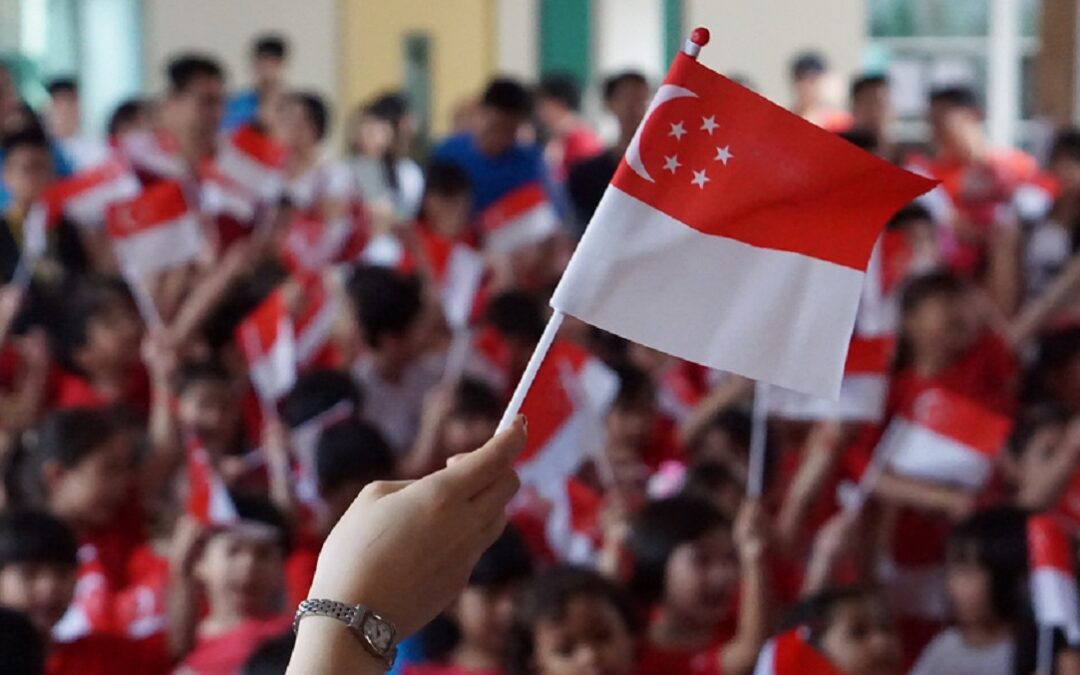
In the lead-up to general elections on 10 July, today, the ICJ, Asian Forum for Human Rights and Development (FORUM-ASIA) and CIVICUS: World Alliance for Citizen Participation (CIVICUS) urged all political parties and parliamentary candidates in Singapore to commit to respecting and protecting human rights and fundamental freedoms as part of their mandate.
The organizations noted the ongoing abuse of legal frameworks by the State to limit the rights to freedom of expression, information, association and peaceful assembly in Singapore. These included the use of civil defamation suits and criminal defamation charges; contempt of court provisions including under the Administration of Justice (Protection) Act; the Protection from Online Falsehoods and Manipulation Act; and the Public Order Act to penalize and harass individuals for mere exercise of their fundamental freedoms.
The organizations urged all political parties and parliamentary candidates to address concerns raised by these laws and ensure fundamental freedoms – including the rights to expression, information, association and peaceful assembly – remain at the forefront of the debate in Singapore.
The open letter is available here.
In a 2019 ICJ report on freedom of expression and information online across Southeast Asia, the ICJ highlighted how defamation provisions, the AJPA and POFMA had been wielded by the State to curtail free speech and access to information online by targeting critical dissent of the regime by human rights defenders, lawyers, independent media outlets and members of the political opposition. The report detailed problematic provisions in the laws and selected case studies detailing this trend.
Contact
Frederick Rawski, ICJ Asia and Pacific Regional Director, e: frederick.rawski(a)icj.org
See also
ICJ, ‘Dictating the Internet: Curtailing Free Expression, Opinion and Information Online in Southeast Asia’, December 2019

Jul 3, 2020 | Advocacy, News
The ICJ published a legal memorandum concluding that the Ministry of Transport and Communications (MOTC) Order to block access to specific websites is not compliant with international human rights law.
The legal memorandum also sets out various remedial options under Myanmar law to question the lawfulness of the Order.
The ICJ focused its human rights analysis on the rights to freedom of expression and access to information and the right to health, which includes access to health information. These rights are well established under general and customary international law. The right to health is guaranteed under the International Covenant on Economic, Social and Cultural Rights (ICESCR) and the Convention on the Rights of the Child, to which Myanmar is a party.
The MOTC, presumably invoking Section 77 of the Telecommunications Law, ordered telecommunication service providers in March 2020 to take down 2,147 websites found by it to have disseminated “fake news,” adult content, and child sexual abuse content. It is not clear if any of the information under sanction relates to COVID-19, although the pandemic was mentioned elsewhere in one mobile service provider’s press release. Immediately after the release of the MOTC Order, it was discovered that the ban included ethnic news media websites, such as Rakhine-based Development Media Group and Narinjara News, thereby prompting speculation as to the true reasons behind the ban.
The ICJ emphasized the following in the legal memorandum:
- Blocking access to specific websites engages a wide range of human rights concerns, including but not limited to the person’s right to freedom of expression and right of access to information protected under Article 19 of the International Covenant on Civil and Political Rights and customary international law. While lack of transparency about the State rationale and evidence was an obstacle to a full analysis, the permissible conditions that would justify sweeping limitations on this right do not appear to have been met.
- In the context of the COVID-19 pandemic, the MOTC Order also undermines the right to health of all persons in Myanmar. The right to health guaranteed under the ICESCR is reserved to all persons without discrimination and includes access to health information. The MOTC Order effectively hinders access to health information by blocking legitimate sources of information.
- To challenge the MOTC Order, the following domestic legal remedies are available: (i) filing a complaint with the Myanmar National Human Rights Commission; (ii) filing an application for a constitutional writ before the Union Supreme Court and/or (iii) filing a declaration suit under the Specific Relief Act.
Download
Myanmar-Memo-on-MOTC-Order-Legal-Memorandum-2020-ENG (PDF)
Contact
Jenny Domino, ICJ Associate Legal Adviser, e: jenny.domino(a)icj.org
Hnin Win Aung, ICJ Legal Adviser, e: hninwin.aung(a)icj.org
Related work
Publication: Myanmar’s ongoing Internet shutdown and hostilities threaten right to health during COVID-19
Statement: Government must lift online restrictions in conflict-affected areas to ensure access to information during COVID-19 pandemic
Report: Curtailing the Right to Freedom of Expression and Information in Myanmar
Publication: Four Immediate Reforms to Strengthen the Myanmar National Human Rights Commission
Publication: Strategic Litigation Handbook for Myanmar
Jul 1, 2020 | News
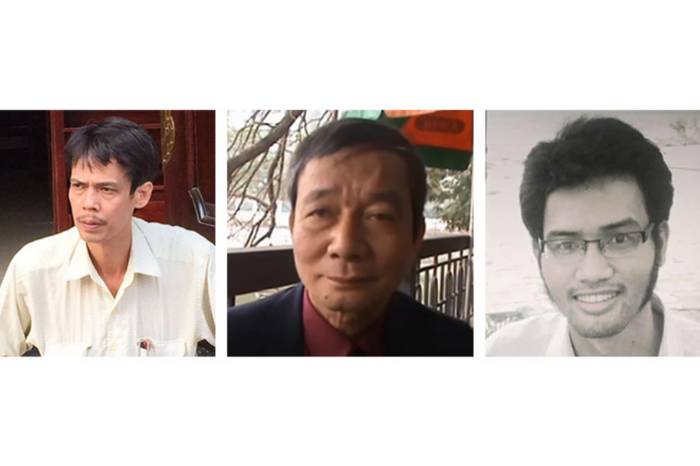
On 30 June, the ICJ and five other organizations sent open letters to the Prime Minister of Vietnam and the European Union (EU) calling for the immediate and unconditional release of human rights defenders, Dr. Phạm Chí Dũng, Nguyễn Tường Thụy and Lê Hữu Minh Tuấn.
The ICJ, Boat People SOS, Human Rights Watch, International Federation for Human Rights, VETO! Human Rights Defenders’ Network and Vietnam Committee on Human Rights in their address to the Prime Minister, urged the Vietnamese government to cease all harassment of other activists from the Independent Journalists Association of Vietnam (IJAVN).
In November 2019, Dr. Phạm Chí Dũng, founding member and Chairman of IJAVN, was arrested in Ho Chi Minh City for allegedly “making, storing, distributing or disseminating materials” that “oppose the State” in violation of article 117 of Vietnam’s Penal Code. He has since been held in incommunicado detention.
Following Phạm’s arrest, a number of persons were subjected to various forms of harassment up to and including arrest and prosecution in connection with their IJAVN membership. In May and June 2020, two IJAVN members, journalist Nguyễn Tường Thụy and law student Lê Hữu Minh Tuấn, were arrested in Hanoi and Quang Nam provinces on similar charges.
In their letters, the ICJ and other organizations raised concerns that Phạm had been targeted and arrested for his human rights advocacy. From 2013 till his arrest, Phạm wrote independently on key rights issues in Vietnam, including on freedom of expression, labour rights, detention of human rights defenders, and harassment of independent civil society. In July 2012, he was arbitrarily arrested under charges of “conducting propaganda against the State” and released in February 2013 after months in prison without trial. In 2014, he was prevented by Vietnamese authorities from travelling to Geneva to participate in a United Nations Human Rights Council side-event connected to the Universal Periodic Review of Vietnam, following which his passport was confiscated.
The organizations noted that the arrest and arbitrary detention of Phạm, Nguyễn Tường Thụy and Lê Hữu Minh Tuấn contravened article 19 of the International Covenant on Civil and Political Rights (ICCPR) which guarantees the right to freedom of expression, as they appeared to have been politically motivated to curtail the rights of the three individuals to freely express their opinions and share information relating to domestic affairs.
In a 2019 ICJ report on freedom of expression and information online across Southeast Asia, national security-related provisions in Vietnam’s Penal Code, including article 117, were shown to have often been abused to curtail free speech and access to information online.
The organizations further noted that the prolonged incommunicado detention of Phạm constituted a violation of the prohibition on torture and other ill-treatment, the right to liberty and the right to be treated with dignity under articles 7, 9 and 10 of the ICCPR.
They further called on Vietnam to protect and facilitate the work of human rights defenders in line with the UN Declaration on the Right and Responsibility of Individuals, Groups and Organs of Society to Promote and Protect Universally Recognized Human Rights and Fundamental Freedoms (Human Rights Defenders Declaration).
The letter to the Prime Minister of Vietnam by the ICJ, Human Rights Watch and VETO! Human Rights Defenders’ Network is available here.
The letter to the European Union by the ICJ, Boat People SOS, Human Rights Watch, International Federation for Human Rights, VETO! Human Rights Defenders’ Network and Vietnam Committee on Human Rights is available here.
Contact
Frederick Rawski, ICJ Asia and Pacific Regional Director, e: frederick.rawski(a)icj.org
See also
ICJ, ‘Dictating the Internet: Curtailing Free Expression, Opinion and Information Online in Southeast Asia’, December 2019
Jun 30, 2020 | Multimedia items, News, Video clips
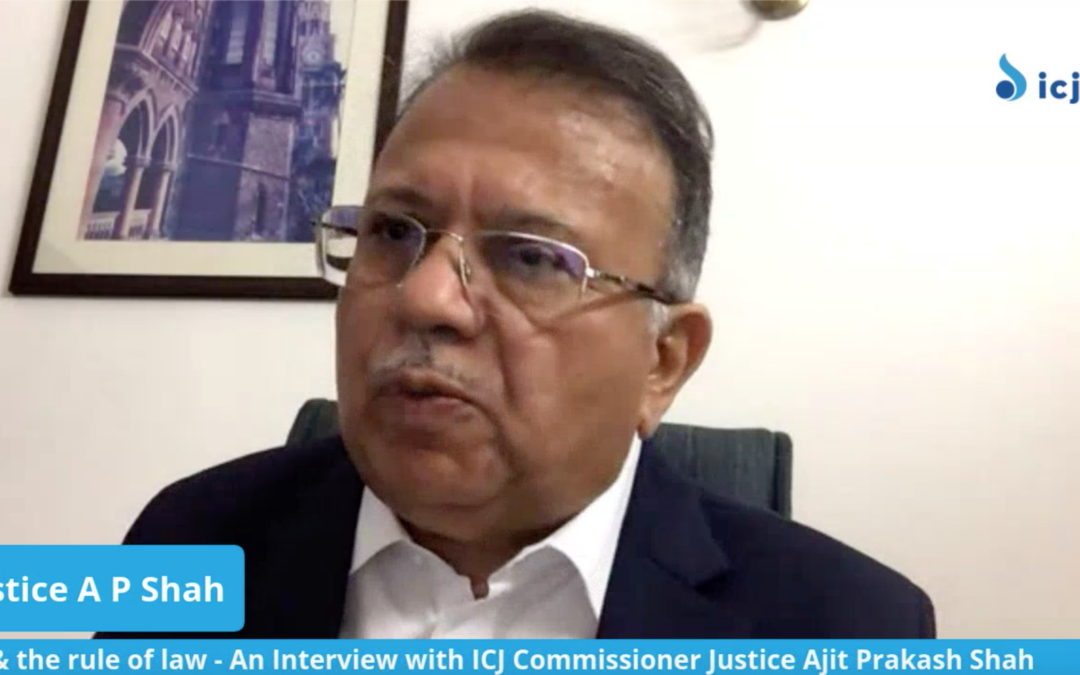
In a wide-ranging interview recorded on June 4 2020, ICJ Commissioner and former Chief Justice of the High Court of Delhi, Ajit Prakash Shah, called on the Indian judiciary to exercise its responsibility to protect peoples’ human rights and “reprise its role as protector of Indian people” in the context of the Covid-19 epidemic.
In April and May 2020, the Indian Supreme Court dismissed several petitions and applications concerning the rights of internal migrant workers.
These included petitions demanding that migrant workers be moved to shelter homes and provided with basic needs and that payment of minimum wages be made to all migrant workers for the lockdown period.
The Court was also requested to direct the District Magistrates to identify those who are walking and ensure that they are provided with shelter and food and reach their destination, following the death of 16 internal migrant workers killed while sleeping on railway tracks while on their way back to their hometowns.
Finally, on 26 May 2020 the Court took suo moto cognizance of their predicament and, on 28 May 2020 ordered the Government to: register internal migrant workers; provide internal migrant workers free transportation home; and provide internal migrant workers with shelter, food, and water until they reach their homes.
This action was followed by another order on 9 June by which the Court ordered that: internal migrant workers are identified and sent to their hometowns within 15 days; and that all cases registered against those who had allegedly violated COVID-19 lockdown orders be considered for withdrawal.
In the interview, Justice Shah accented, in particular, the role of the Indian judiciary “as protector of Indian people” in respect of marginalized and disadvantaged people, including people living in poverty.
In addressing the question about internal migrant workers who were stranded during the recent COVID-19 lockdown, Justice Shah observed that for two months (March 24 2020 – May 28 2020) between the initiation of the lockdown and the rulings of the Supreme Court the Court appeared to have “remained skeptical” and in “denial” about petitions filed seeking redress for internal migrant workers.
Speaking in this context, Justice Shah reminded the Indian judiciary that Indian courts have historically been at “the forefront of giving effect to India’s international legal obligations,” including its economic, social, and cultural rights obligations encapsulated in International Covenant on Economic, Social and Cultural Rights.
They had done so in landmark cases such as PUCL v. UOI (in which it held that the right to life with dignity includes a right to food and a right to be free from hunger and starvation) and Chameli Singh v. UOI (in which it held that right to shelter includes adequate living space includes light, air, water, civil amenities, and sanitation).
While commending the Courts interventions in May 2020, Justice Shah pointed out that their lateness to react was damaging.
“Courts should have intervened earlier. They could have monitored the process of the return of the migrants to their home states and ensured basic wages were fixed and delivered.”
Justice Shah expressed hope that the 28 May 2020 order represented a turning point:
“Hopefully, going forward, the Court will act in the same spirit … to grant some reliefs to suffering migrant communities. In the future, the Court should take the lead and monitor these processes, serving as a guide to both the center and the state authorities and the bureaucracy for addressing these issues.”
Commenting on the role of lawyers during the COVID-19 crisis, Justice Shah expressed concern that law officers were castigating lawyers for approaching courts with petitions.
Watch the video
Additional Reading
- Briefing Papers
- India on the Brink of Hunger Crisis during COVID-19 Pandemic
- The Right to Water in India and the COVID 19 Crisis
- COVID-19 Pandemic Exposes India’s Housing Crisis
- Press Release: COVID-19: Indian authorities must act immediately to protect internal migrant workers stranded under intolerable conditions
Download (with additional information)
India-Justice-Shah-Interview-Web-Story-2020-ENG (PDF)
Jun 26, 2020 | Cases, News
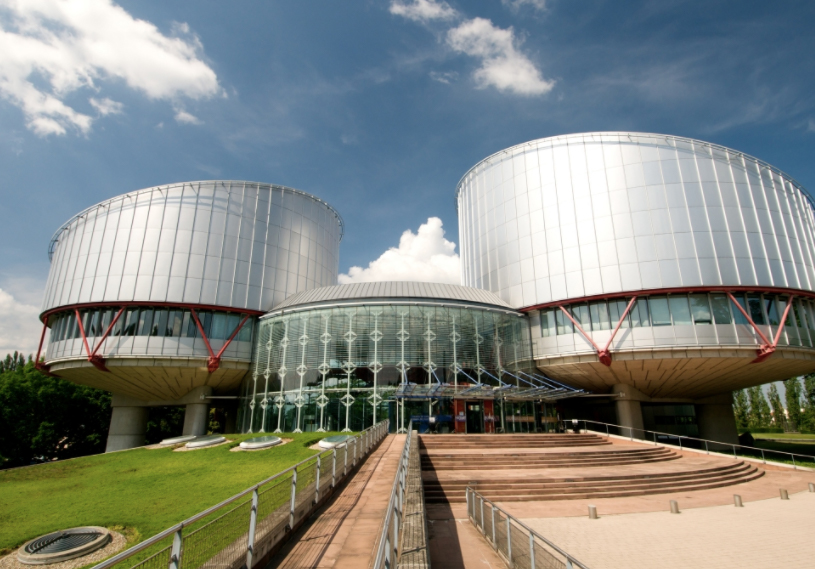
The ICJ today welcomed the judgment by the Court in the case of Bagirov v. Azerbaijan. It found that the suspension from legal practice and subsequent disbarment of Khalid Bagirov violated his rights to freedom of expression and to respect for private life under Articles 10 and 8 of the European Convention on Human Rights (ECHR).
Khalid Bagirov’s suspension from the practice of law was based on his public criticism of ill-treatment by the police, following the wide media coverage of the death of an individual in police custody. Later he represented the victim as a lawyer in the proceedings.
His subsequent disbarment arose from his remarks about a judge made in the courtroom when representing his client in another high-profile case.
The ICJ intervened in this case as a third party, providing an evaluation of the State’s obligation to protect the right to freedom of expression of lawyers in light of international standards on independence of the lawyers and the consequences of disciplinary proceedings for lawyers’ rights under Articles 8 and 10 ECHR.
The ICJ calls on the Azerbaijani authorities to fully and promptly implement the judgment, including by taking steps to restore Khalid Bagirov as a member of the Azerbaijan Bar Association.
“Khalid Bagirov must now be reinstated as a lawyer and be allowed to resume his legal practice in Azerbaijan,” said Massimo Frigo, ICJ Senior Legal Adviser.
“But in addition, this judgment shows that measures need to be taken to address the systemic problem of unjustified disbarments of lawyers who seek to defend human rights in Azerbaijan. Reforms are needed to ensure that the disciplinary process is independent and fair and that penalties are proportionate.”
In its judgment of 25 June 2020, the Court held under Article 10 of the Convention that the reasons given by the domestic courts in support of Khalid Bagirov’s disbarment were not relevant and sufficient, and that the sanction imposed on him was disproportionate to the legitimate aim pursued, having highlighted that “the disbarment cannot but be regarded as a harsh sanction, capable of having a chilling effect on the performance by lawyers of their duties as defence counsel”.
In relation to Article 8 ECHR, the Court further noted that “…in a series of cases it has noted a pattern of arbitrary arrest, detention or other measures taken in respect of government critics, civil society activists and human rights defenders … Against this background, the Court underlines that, notwithstanding the duties, in particular, with respect to their conduct, with which all lawyers must comply, the alleged need in a democratic society for a sanction of disbarment of a lawyer in circumstances such as this would need to be supported by particularly weighty reasons” which had not been established in this case.
In respect of the suspension of the lawyer, the Government contended that the interference with Mr Bagirov’s rights to private life and freedom of expression had been prescribed by law and pursued the legitimate aims of preventing the disclosure of information received in confidence or maintaining the authority and impartiality of the judiciary.
The Court found that, he was not the victim’s lawyer when he made the impugned statements about the police, furthermore, the Court mentioned that it did not find any provision of domestic law preventing a lawyer from calling for peaceful protests against police brutality for the purpose of preventing violence.
The Court further found that while Mr Bagirov’s remarks, about a judge’s lack of capacity, were capable of being offensive, the sanction imposed on him did not struck a fair balance between the need to protect the authority of the judiciary and the need to protect his rights to private life and freedom of expression.
In this connection, the Court stated that inter alia, Mr Bagirov had confined himself to making a statement in a courtroom as a lawyer, in the context of his objections to the shortcomings of the proceedings.
Background
In addition to its intervention in Bhagirov v Azerbaijan, the ICJ has also intervened as a third party in other cases of lawyers from Azerbaijan (Hajibeyli and Aliyev v. Azerbaijan, nos. 6477/08 and 10414/08, § 54, 19 April 2018).
In 2019, the ICJ published recommendations to the Azerbaijan Bar Association on the role and independence of Lawyers,
In 2016, the ICJ published a mission report Defenceless Defenders: Systemic Problems in the Legal Profession of Azerbaijan
Jun 26, 2020 | News
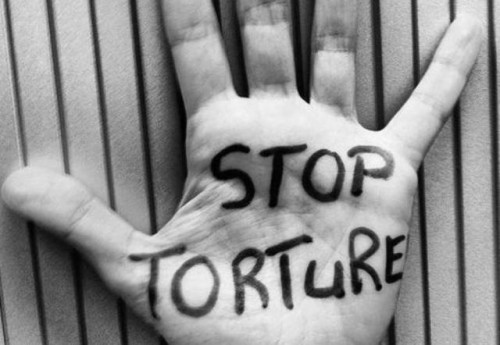
On the occasion of the International Day in Support of Victims of Torture, the ICJ, Advocacy Forum (AF) and Terai Human Rights Defenders Alliance (THRD Alliance) voiced concerns about the near total failure by authorities to investigate and prosecute acts of torture in Nepal.
Nearly two years after provisions in the new Penal Code that criminalized torture came into effect, not a single torture prosecution appears to have been brought. There have also been very few instances in which victims have received an effective remedy and reparation for their ill-treatment. Nepal has failed to meet its obligations in this regard under article 2(3) of the International Covenant of Civil and Political Rights and article 14 of the Convention Against Torture.
“Nepal has an obligation under international law to hold perpetrators accountable for acts of torture and cruel, inhuman or degrading treatment. This includes obligations as a party to the Convention Against Torture and the international Covenant on Civil and Political Rights,” said Frederick Rawski, ICJ Asia-Pacific Director. “It is disturbing to see that two years after the rightfully celebrated Penal Code provisions criminalizing torture have come into effect, the government has yet to successfully prosecute any acts of torture, which by all accounts continue to occur on a frequent basis.”
The Advocacy Forum and THRD Alliance both published reports today that document instances of torture and other ill-treatment against detainees over the past year. Some 20 percent of the more than 1000 detainees interviewed reported some form of unlawful ill-treatment during confinement.
“Although in some locations there appears to be some improvement in the treatment of detainees, torture and ill-treatment remains far too prevalent,” said Om Prakash Sen Thakuri, Advocacy Forum Executive Director. “Police still continue to rely on “confessions”, typically obtained by ill-treatment or coercion during interrogation, as opposed to conducting proper investigations. Our police institutions need serious reform to ensure that investigative practices conform to international law and standards.”
In a separate report analyzing the obstacles faced by victims in seeking justice for torture and ill-treatment, the THRD Alliance documented the complex challenges faced by torture survivors seeking accountability in the formal justice system. These obstacles included a frequently refusal by police to file a First Information Report on allegations of ill-treatment, statutes of limitation preventing cases from being prosecuted, and a lack of independence of police investigations in the rare cases when they do move forward.
“Despite repeated public commitments by justice sector and human rights institutions, such as the National Human Rights Commission and the Office of the Attorney General, torture survivors still struggle to have their voices heard or have their cases addressed,” said Mohan Karna, Executive Director of the THRD Alliance. “We urge the authorities at both the federal and provincial levels to take action to address the concerns of victims and to institute policies – such as establishing robust detention monitoring and internal accountability mechanisms – that will deter future acts of torture and ill-treatment.”
On the occasion of the International Day in Support of Victims of Torture, the three organizations urged the Government of Nepal to:
- Carry out prompt, thorough, impartial and effective investigations into all allegations of torture and ill-treatment, and to bring prosecutions where warranted under the criminal provisions of the Penal Code.
- Institute structural reform within the police including the establishment of a separate and independent mechanism to investigate allegations of torture and ill-treatment involving police personnel.
- Ensure public availability statistics on the investigation, prosecution and other action taken in response to allegations of torture and ill-treatment.
- Amend the Penal Code and other relevant provisions of law to eliminate the statute of limitations in torture cases, and to ensure that the definition of torture is in line with international law.
- Establish an independent preventative mechanism for monitoring of detention centers.
- Become party to the Optional Protocol of the Convention on Torture
Background
International Day in Support of Victims of Torture is marked worldwide on 26 June every year. Under the International Covenant on Civil and Political Rights (ICCPR) and Convention against Torture and Other Cruel, Inhuman or Degrading Treatment or Punishment (CAT), to which by Nepal is a party, the authorities to investigate, prosecute, punish and provide effective remedies and reparation for the crimes of torture and other acts of ill-treatment.
The Penal Code criminalizing torture came into force in August 2018. While it was welcome as positive step, the provisions fall short of international standards in a number of respects, including failure to recognize the continuous nature of the crime of enforced disappearance or its status as a crime against humanity; an unacceptably brief six-month limitation period to file complaints; and penalties incommensurate with the gravity of the crimes.
Download
Nepali (PDF)
English (PDF)
Contact
Frederick Rawski, ICJ Asia-Pacific Director, e: frederick.rawski@icj.org, t: +66 644781121
Om Prakash Shen Thakuri, AF, Executive Director, e: opsenthakuri@gmail.com, t: +977 9841275732
Mohan Karna, THRD Alliance, Executive Director, e: karnamohan90@gmail.com, t: +977 9841449139