Apr 29, 2020 | Advocacy, News, Op-eds
An opinion piece by Carolina Villadiego Burbano, ICJ Legal and Policy Adviser for Latin America.
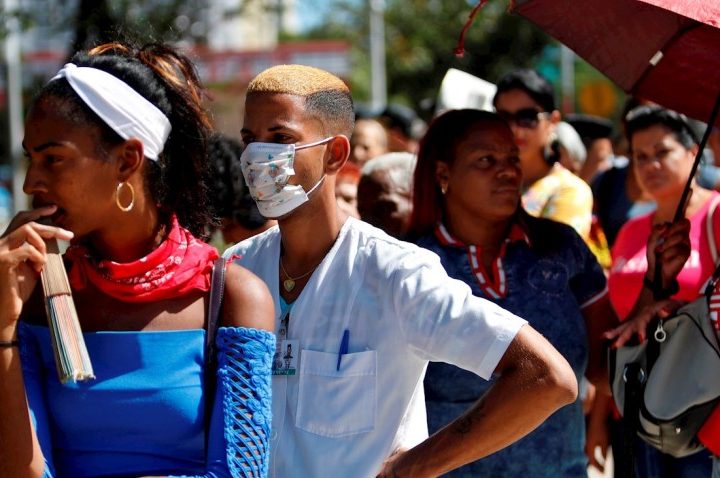
Several Latin American governments have adopted exceptional emergency measures to face the COVID-19 health crisis. The measures, motivated by policies with the objctive of urgently protecting people’s health, have been accompanied by restrictions to personal freedoms (i.e. quarantines, isolations).
Judiciaries have also adopted specific measures too to protect the right to health of persons involved in proceedings while providing services for guaranteeing access to justice during the emergency. They have reduced physical operations; adopted social distancing measures in courts; postponed proceedings; authorized remote work for judges and administrative officers; incorporated urgent mechanisms to guarantee fundamental rights and allowed the use of technology.
Judiciaries fulfil different roles under international humans rights law and, as a recent ICJ briefing note recalls, these roles remain as or even more important during the pandemic. Those roles include guaranteeing individual rights, including the right to a fair trial, freedom from arbitrary detention, freedom from torture and other ill-treatment and the right to an effective remedy. In addition, the responsibility of the judiciary is to securing the rule of law more generally by reviewing the government’s decisions during the emergency.
This blog illustrates measures adopted by South American judiciaries and some preliminary and personal reflections on some of the factors to be considered in assessing their proportionality and effectiveness.
Specific measures to protect health while guaranteeing access to justice
Brazil’s National Council of Justice has recommended to judges several measures that could reduce epidemiological risks, such as reassessing pre-trial detentions. This review could include revoking pretrial detentions when detainees were pregnant women or were under pretrial detention for more than 90 days.
Chile’s Supreme Court has established criteria for judges and other personnel to work remotely, and for holding specific hearings by videoconference with previous coordination with the parties and by ensuring due process guarantees. Also, instructions have been given to prioritize cases linked to the sanitary emergency and related to the protection of rights of persons in vulnerable conditions.
Colombia’s Judicial Council postponed proceedings except for urgent ones, such as those essential for the protection of fundamental rights (tutela), habeas corpus, constitutional and legal control of the emergency governmental decrees, decisions regarding persons deprived of liberty and protective measures related to domestic violence cases. The judiciary has published email addresses where urgent applications could be made electronically and allowed the use of videoconferencing and remote work for judges.
Ecuador’s Judicial Council has allowed remote working by judges, and videoconference hearings have been adopted for crimes committed in flagrante delicto. Judicial proceedings have been postponed, except for urgent cases, such as for crimes committed in flagrante delicto, domestic violence, juvenile justice and prisoners’ guarantees. The Supreme Court and the Constitutional Court has defined rules applicable to the procedures under their jurisdiction.
Peru’s Executive Council of the Judiciary postponed proceedings and established that some judges should work physically at courts on urgent proceedings, such as those related to rights of detainees, domestic violence and payment of parental support. Some remote work has also been allowed.
Other judiciaries have adopted similar measures. Provincial judiciaries from Argentina and judges from Bolivia have held hearings through videoconferences. Paraguay’s judiciary identified urgent matters for which it would provide services.
Judiciaries, right to an effective remedy and access to justice: what next?
More than one month after those judicial measures were adopted it is important to reflect on their proportionality and their effectiveness. It is also important to envision a middle-term plan to deal with the consequences of postponement of proceedings and the likely increase of judicial workload when restrictions end. I suggest three sets of issues that could be considered as a starting point for such reflection by Latin American judiciaries, civil society and international bodies and agencies:
- Effects on the protection of the right to health and on rights of judges and court personnel
- There should be a review of the measures adopted to guarantee in-person services, especially analyzing if adequate health standards have been guaranteed for all persons participating in proceedings. There has been some criticism that protective measures have been insufficient and sometimes they were only available for judges and courts’ administrative staff.
- There should be an assessment with judges and other personnel, whether the remote work complied with health-work standards. It is crucial to review the conditions of persons working remotely, in particular in relation to information technology, and if work schedules have been flexible when judges/personnel were caring for children or dependent adults.
- There should be a review as to whether there has been a disproportionate effect in the workload of female judges or other female personnel while working remotely, caring for children and performing domestic activities.
- General considerations with a human rights approach
The following questions might be considered:
- Review whether judicial proceedings continue to be accessible wherever necessary to guarantee the right to an effective remedy regarding human rights, and to otherwise ensure judicial review of the lawfulness of governmental decisions. The Inter-American Commission on Human Rights has established that “appropriate legal proceedings to ensure the full exercise of rights and freedoms” should not be suspended.
- Review whether judicial measures that guarantee the right to an effective remedy are accessible for all persons in a country, especially for those in a situation of vulnerability or risk.
- Establish priorities and policies for cases related to persons or groups in conditions of particular risk (e.g. detainees, migrants, refugees), and for persons without access to technology.
- Review if hearings held by videoconferences guaranteed parties’ rights, such as due process, right to defense, right to call and confront evidence, and right to consult confidentially with one’s lawyer.
- Assess whether the security protocols used by the remote work and videoconferencing technologies, ensure that sensitive, confidential or otherwise private information, is adequately protected.
- Adopt transparency policies and adopt public assessment of the measures adopted, so individuals can exercise control and oversight of these measures as they affect defendants, parties, lawyers and the general public.
- Medium-term plan for Judiciaries
- Judiciaries should develop a medium-term plan soon to guarantee the right to an effective remedy to address the adverse human rights effects that COVID-19 has brought and may continue to generate. The plan should be public and should consider the possible increase of workload due to postponement of proceedings and impacts on specific rights, such as health, work, water and sanitation and food. It could consider deploying teams of emergency judges to provide access to an effective remedy for these rights and the use of adaptive case management tools.
- Judiciaries should develop a strategy to ensure that cases of human rights violations that constitute crimes under international law, enforced disappearances, extrajudicial killings, torture and ill-treatment, are not indefinitely delayed, cancelled or otherwise compromised. Such impediments must not be allowed to result in impunity of perpetrators or pose obstacles to ensuring that victims receive complete information regarding the advance of their cases.
The COVID-19 pandemic has modified judiciaries’ methods of work. As they adopted specific measures to protect the health of persons as well as to provide judicial remedies, it is important to review their measures with a human rights approach. It is also critical that judiciaries themselves analyze their practices and adopt changes when necessary. The Inter-American Commission of Human Rights and the UN Special Rapporteur on the Independence of Judges and Lawyers should continue to specifically monitor these measures and report on them.
In PDF: Latin-America-Judiciaries-During-COVID-OpEd-2020-ENG
Apr 28, 2020 | Advocacy, News, Open letters
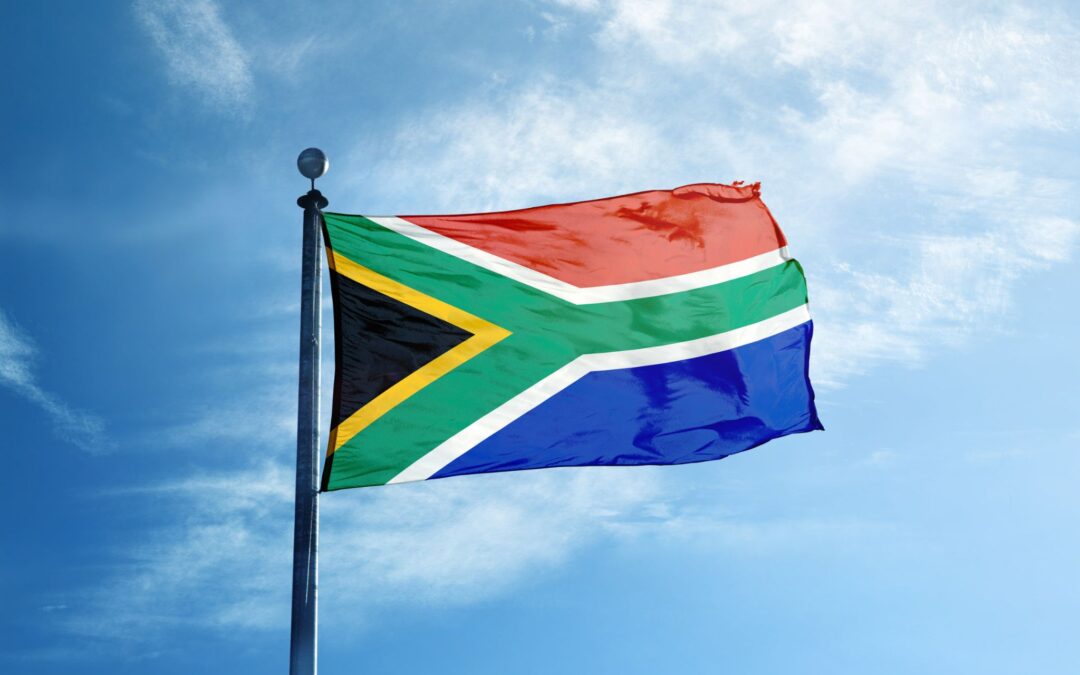
The ICJ today called on the South African government to take measures to ensure access to justice and the full fulfillment of the economic, social and cultural rights of all in the country.
The South African authorities must also remove legal hurdles in accessing just compensation for rights violations occurring during nationwide lockdown, the ICJ said.
The call comes as South Africa enters its final week of a lockdown period, which initially began on 26 March 2020. Since the beginning of the lockdown period the ICJ has been working closely with a broad coalition of local civil society organizations and movements called the C19 People’s Coalition.
“The ICJ applauds South Africa on its announcement that it will commit 10% of its GDP to a social relief and economic support package addressing poverty and in inequality which has been exacerbated by COVID-19,” said Arnold Tsunga, ICJ Africa Director.
“However we note with concern the high levels of repression and human rights abuses committed by enforcement officers enforcing Lockdown Regulations and the inadequacy of social assistance measures to ensure an effective elimination of poverty in accordance with South Africa’s international and domestic human right obligations.”
- Repression and human rights abuses by enforcement officers during Lockdown
Both the Disaster Management Act and Lockdown Regulations enacted in terms of it create doubt about whether victims of violations of human rights in the enforcement of lockdown will be able to claim compensation for such violations.
The ICJ has therefore written to President Cyril Ramaphosa (photo) and Speaker of the National Assembly Thandi Modise calling on the authorities to make the necessary legal amendments required to ensure the full protection of the right to access to justice, which includes the right to effective remedies and reparation.
The ICJ calls on authorities to ensure the amendment of the National Disaster Act and Lockdown Regulations to ensure that victims of human rights abuses have full and effective access to the right to remedy and reparation including compensation.
- Inadequate Social Assistance provided
Despite the large stimulus package announced by President Ramaphosa on 21 April, the C19 People’s Coalition has correctly argued that the new COVID-19 social grant of R350 ($18.44 USD) per month for unemployed persons is less than a third of the R1227 ($64.65) that government itself estimates individuals require to be lifted out of poverty.
In addition, the increase of the Child Support Grant of R500 ($26.35) per month appears, contrary to what the President’s announcement suggested, to be allocated per caregiver not per child thus drastically reducing its potential impact.
The ICJ calls on authorities to ensure the full provision of a social safety net to all in South Africa by: 1) raising the levels of all non-contributory social assistance benefits to a level that ensures an adequate standard of living for recipients and their families; and 2) ensuring that those between the ages of 18 and 59 with little or no income have access to social assistance.
These two measures were among those specified in the Concluding Observations of the Committee on Economic, Social and Cultural Rights to South Africa.
South Africa declared a moratorium on all evictions during the lockdown period on 26 March after local organizations and the ICJ had called for such a move.
Later amendments to Lockdown Regulations made it a criminal offence for any person to evict any other person. Despite this, evictions continue in some places unabated as is illustrated by statements of Abahlali BaseMjondolo and Abahlali BaseMjondolo Women’s League late last week.
These evictions have sometimes been violent and accompanied by serious allegations of attempted murder of community members and human rights defenders.
The ICJ calls on authorities to ensure the immediate cessation of all evictions. The President of South Africa and the Parliament of South Africa must make sure that police officers, security and other companies and government officials participating in evictions are clearly, decisively and publicly held to account.
Those carrying out evictions should be prosecuted in accordance with Lockdown Regulations. The police and prosecuting authorities should also investigate and where sufficient evidence exists pursue prosecution of those found to have committed crimes of violence or similar offences against those who are subjected to or defend against such evictions.
“The continued violent attacks experienced by human rights defenders and those simply trying to retain their homes is unacceptable. The time has come for the President of South Africa and Parliament of South Africa to intervene directly to prevent any further such attacks generally, but in particular with regard to Abahlali BaseMjondolo settlements in KwaZulu-Natal,” added Arnold Tsunga, ICJ Africa Director.
Contact:
Tim Fish Hodgson, ICJ Legal Adviser, t: +2782871990 ; e: tim.hodgson(a)icj.org
Shaazia Ebrahim, ICJ Media Officer, t: +27716706719 ; e: shaazia.ebrahim(a)icj.org
Apr 28, 2020 | News
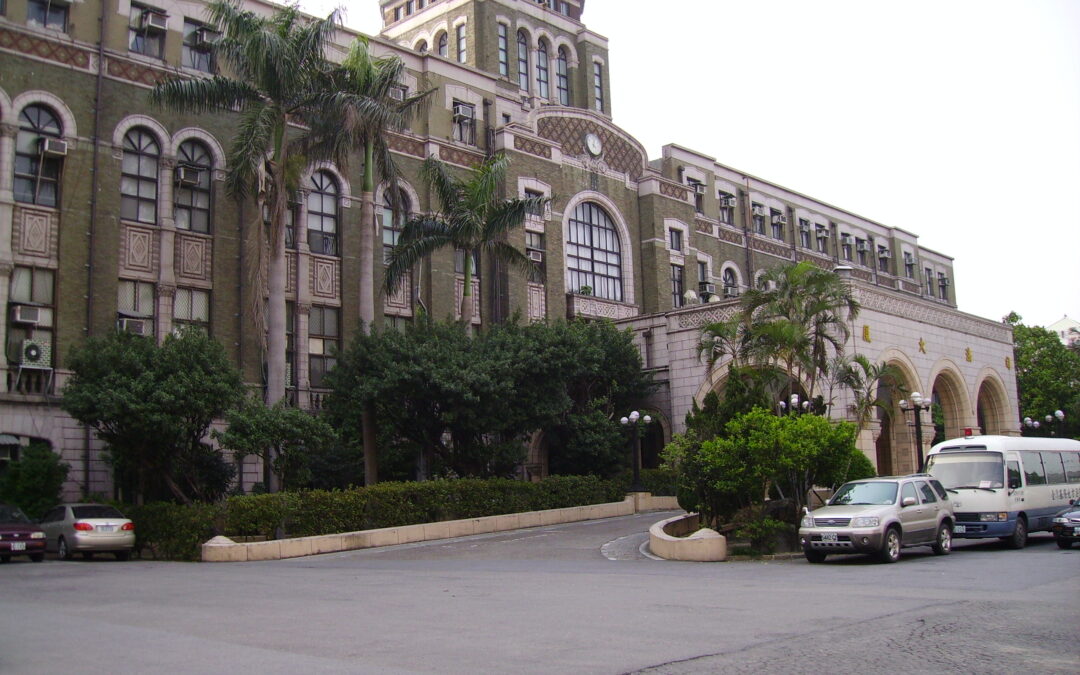
The ICJ today urged Taiwan to decriminalize adultery as soon as possible.
Echoing the UN Human Rights Committee, the UN the Committee on the Elimination of Discrimination against Women and the UN Working Group on discrimination against women in law and practice, the ICJ stated that the criminalization of people who are not married to each other for engaging in consensual sexual relations is a violation of the right to be free from discrimination; the right to equality before the law and equal protection of the law without discrimination; and the right to privacy, among other rights. The criminalization of adultery also often leads to discrimination and violence against women.
The Constitutional Court of Taiwan is currently deliberating on the constitutionality of Article 239 of the Criminal Code, which provides that, “a married person who commits adultery with another shall be sentenced to imprisonment for not more than one year; the other party to the adultery shall be subject to the same punishment.” On 31 March 2020, Taiwan’s Constitutional Court heard oral arguments on the constitutionality of Article 239 after several judges requested an interpretation of the law. The Court is expected to release its opinion on the matter at the end of May.
“In many ways, the ongoing criminalization of adultery leads to dire consequences for women’s human rights in Taiwan,” said Emerlynne Gil, Senior International Legal Adviser of the International Commission of Jurists.
“The enforcement of criminal adultery provisions often leads to discrimination and violence against women. In Taiwan, for example, women are disproportionately the target of adultery lawsuits. While male adultery enjoys greater tolerance in Taiwan, women are being targeted because of harmful gender stereotypes and rigid constructions of femininity.”
The ICJ notes that women are twenty percent more likely to be convicted than men in adultery cases in Taiwan. Furthermore, to secure a conviction on adultery charges in Taiwan, given the criminal law standard of proof, there has been a resort to photographic evidence of the two accused individuals engaging in sexual acts in some cases. As a result, an entire industry of private investigators, often engaging in illegal behaviour, has developed in response to “market” demand for “evidence” capable of making criminal adultery charges stick.
Taiwan is not a Member State of the UN, but in 2009 it introduced legislation aimed at incorporating the International Covenant on Civil and Political Rights (ICCPR) as a matter of domestic law. In 2013, an International Review Committee composed of independent human rights experts working in their personal capacities recommended that Taiwan should take steps to abolish the adultery provision in its Criminal Code as it was not in conformity with Article 17 of the ICCPR.
“Continuing to criminalize adultery goes against the image that Taiwan wants to portray of itself, that it is a beacon of democracy and human rights in Asia,” Emerlynne Gil said. The ICJ urges Taiwan to decriminalize adultery as soon as possible by removing the above mentioned provision from its Criminal Code.
Additional Information
There have been several challenges in the past to the constitutionality of Article 239 of Taiwan’s Criminal Code. In 2002, in one of such challenges, the Constitutional Court issued Interpretation 554, holding that the freedom of sexual behavior was inseparably related to the personality of individuals, and every person was free to decide whether or not and with whom to have sexual affairs. However, the Court went on to say that such freedom was legally protected only if it was not detrimental to “the social order or public interest”, as provided in Article 22 of the Constitution and, therefore, “the freedom of sexual behavior” was subject to the restriction that marriage and the institution of the family imposed on it.
Download the statement in Mandarin Chinese here.
Contact
Boram Jang, ICJ Legal Adviser – Access to Justice for Women, Asia & the Pacific Programme, e: boram.jang(a)icj.org

Apr 27, 2020 | News
Today, the ICJ and Lawyers’ Rights Watch Canada (LRWC) jointly submitted a legal brief (amicus curiae) to the Court of Appeal in criminal defamation proceeding against Thai journalist Suchanee Rungmuanporn (Cloitre).
The journalist is being charged after making a post on Twitter highlighting labour rights violations by Thammakaset Company Limited. The post detailed an order by Thailand’s Court of Appeal for Specialized Cases for Thammakaset to provide compensation to its 14 former employees from Myanmar, with the word “slavery” included in the post. This inclusion is the basis for defamation claim.
On 24 December 2019, Suchanee was sentenced to two years’ imprisonment by Lopburi Provincial Court.
The intervention reviews the nature and scope of Thailand’s international legal obligations relating to the right to freedom of expression. It makes clear that the imposition of harsh penalties such as imprisonment has a “chilling effect” on the exercise of freedom of expression, which Thailand is bound to protect pursuant to its international legal obligations. It particularly undermines the work of journalists and human rights defenders seeking to bring to light these violations and whose activities must be protected.
The brief underscores that under international law and standards, criminal sanction involving imprisonment must never be imposed for defamation.
Criminal defamation, under sections 326 of the Criminal Code, carries a maximum sentence of one year of imprisonment, a fine of up to 20,000 Baht (approx. USD 640) or both. Section 328 criminalizes defamation “by means of publication” with up to two years’ imprisonment and a fine of up to 200,000 Baht (approx. USD 6,400).
This case is one of 36 cases brought by Thammakaset against several individuals who have expressed views and conducted advocacy on or released information relating to labour rights violations alleged to have been committed by Thammakaset. These include criminal defamation complaints against human rights defenders, including Mr. Nan Win, Ms. Sutharee Wannasiri, Ms. Ngamsuk Rattanasatiean, Ms. Angkhana Neelapaijit, Ms. Puttanee Kangkun, and Ms. Thanaporn Saleephol.
Download
Legal brief (amicus curiae) to the Court of Appeal in Thai and English.
Apr 24, 2020 | News
On 24 April 2020, the ICJ, Thai Lawyers for Human Rights (TLHR) and the Cross Cultural Foundation (CrCF) made a joint supplementary submission to the UN Human Rights Committee on Thailand’s implementation of its human rights obligations under the International Covenant on Civil and Political Rights (ICCPR).
In their submission, the ICJ, TLHR and CrCF detailed their concerns in relation to Thailand’s failure to implement the Committee’s recommendations, including the ongoing human rights shortcomings of the country’s Constitutional and legal framework; the continued lack of domestic legislation criminalizing torture, other ill-treatment and enforced disappearance; and reports of torture and other ill-treatment. In addition, the three human rights organizations expressed concern over the use of the Emergency Decree on Public Administration in Emergency Situation to combat the COVID-19 outbreak, and measures imposed under the Decree that may constitute a blanket restriction on fundamental freedoms, including the rights to free expression, opinion, information, privacy and freedom of assembly and association, with no opportunity for the courts to review these extraordinary measures.
The organizations’ submission also describes human rights concerns with respect to the following:
Constitution and legal framework
- Head of the NCPO Order No. 22/2561; and
- Head of the NCPO Order No. 9/2562
Extrajudicial killings, enforced disappearances and torture
- continued lack of domestic legislation criminalizing torture, other ill-treatment and enforced disappearance;
- reports of extrajudicial killings, torture, other ill-treatment, enforced disappearances, and the progress and results of investigations;
- the application of security-related laws; and
- threats and reprisals against persons working to bring to light cases of alleged torture, ill–treatment and enforced disappearance.
Download
Thailand-UN-Human-Rights-Committee-Supplementary Submission-2020-ENG (English, PDF)
Thailand-UN-Human-Rights-Committee-Supplementary Submission-2020-THA (Thai, PDF)
Background
On 23 March 2017, during its 119th Session, the Human Rights Committee adopted its Concluding Observations on the second periodic report of Thailand under article 40 of the ICCPR.
Pursuant to its rules of procedure, the Committee requested Thailand to provide a follow up report on its implementation of the Committee’s prioritized recommendations made in paragraphs 8 (constitution and legal framework) 22 (extrajudicial killings, enforced disappearances and torture) and 34 (conditions of detention), within one year of the adoption of its Concluding Observations – i.e., by 23 March 2018.
On 18 July 2018, Thailand submitted its follow-up report to the Committee. The report was published on 9 August 2018.
On 27 March 2018, the ICJ, TLHR and CrCF made a joint follow-up submission to the UN Human Rights Committee. However, since then, there have been several developments that the three organizations wish to bring to the attention of the Committee through this supplementary submission.
The UN Human Rights Committee will review Thailand’s implementation of the prioritized recommendations during its 129th Session, in June/July 2020.
Further reading
ICJ and TLHR, Joint submission to the UN Human Rights Committee, 13 February 2017
ICJ, TLHR and CrCF, Joint follow-up submission to the UN Human Rights Committee, 27 March 2018
Apr 22, 2020 | News
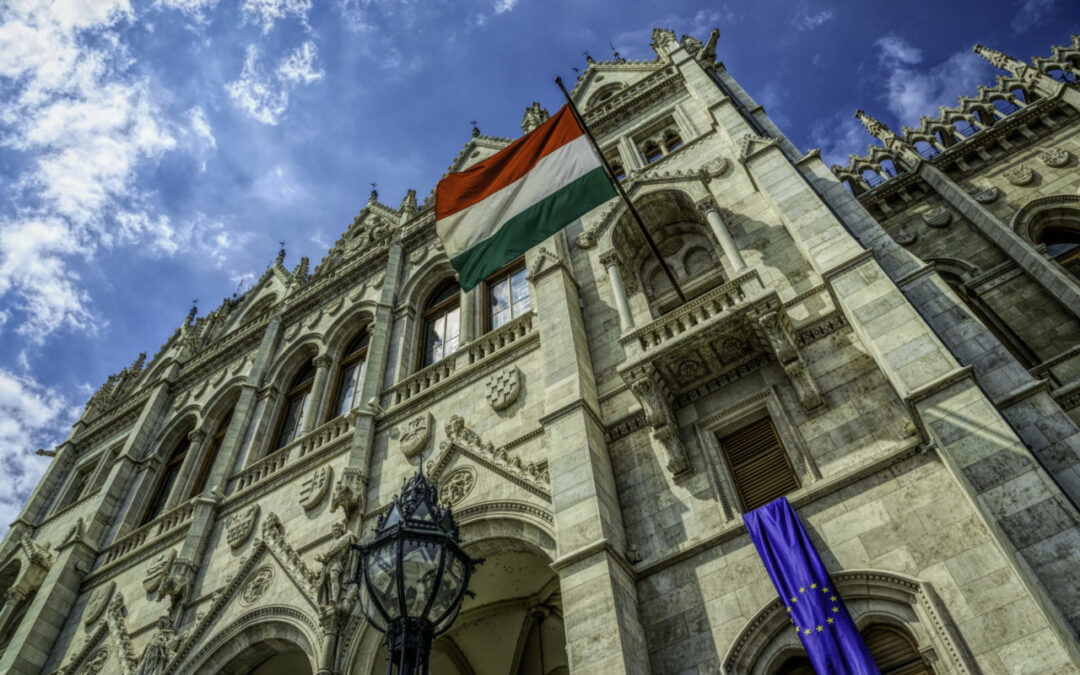
In a joint letter to EU Member States, the ICJ and other human rights NGOs have urged them to recognize the grave implications for human rights and the rule of law, of the Hungarian government’s recent emergency measures.
Ahead of the Council of the EU videoconference of EU Affairs Ministers to discuss the response to COVID-19, Amnesty International, International Federation for Human Rights (FIDH), Human Rights Watch, the ICJ, Open Society European Policy Institute and Reporters Without Borders (RSF) urged the Council to take immediate steps to protect the principles enshrined in Article 2 of the Treaty on European Union (TEU), and the rights enshrined in the EU Charter of Fundamental Rights. This is particularly needed in light of the already deteriorated state of the rule of law and human rights in Hungary, which warranted the activation, in September 2018, of the procedure laid down in Article 7.1 TEU.
The organisations urged the member states of the European Union to:
- include in the agenda of the upcoming session of the EU General Affairs Council an Article 7.1 TEU hearing on the situation in Hungary, including recent developments in relation to the COVID-19 outbreak, and address to the government of Hungary, as a matter of urgency, concrete recommendations to safeguard respect for the rule of law and human rights in the country, that the Hungarian government must implement by a set deadline;
- commit to assessing the implementation of the recommendations in a timely manner in order to reach a determination under Article 7.1 TEU and, should conditions warrant it, move forward under Article 7.2 TEU.
- ensure enhanced monitoring of the Hungarian government’s use of EU funding, including funds aimed at supporting member states during the public health crisis.
The organisations urged both the Council and the Commission to cooperate with each other, and with the European Parliament and national parliaments, to ensure a coordinated, consistent and effective response to the situation.
The full letter is available here: CSO Letter to GAC -rule of law in Hungary April 2020