Jan 16, 2018 | News
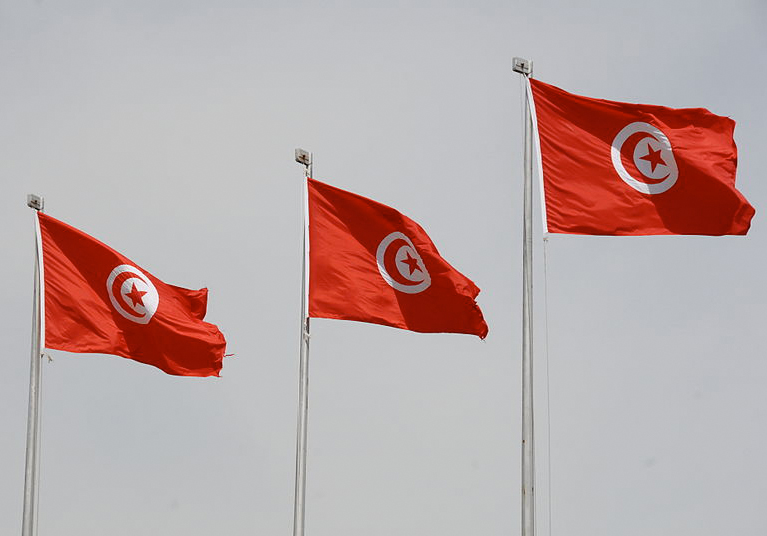
Tunisian authorities must respect and protect the right to freedom of assembly and of expression of everyone in Tunisia, the ICJ said today.
They also must regulate the use of force against protestors according to international law standards, and ensure that those who are arbitrarily deprived of their liberty, including as a result of the legitimate and peaceful exercise of these rights, are immediately released, the ICJ added.
Over the past week, protesters took to the streets challenging the government’s recentausterity measures, including a rise in prices and tax increases.
Sporadic cases of violence, looting and vandalism occurred, including incidents that targeted police stations.
Over 800 people were subsequently arrested. Further, one protestor died on Monday 8 January 2018 in Tebourba, 30km west of Tunis.
“The acts of sporadic violence committed by a few people do not justify the scale or character of interference with the freedom of peaceful assembly of others,” said Said Benarbia, Director of the ICJ Middle East and North Africa Programme.
“The Tunisian authorities must immediately release those arrested for peacefully exercising their right to freedom of assembly, and provide due process guarantees to those allegedly responsible for punishable acts,” he added.
In policing public assemblies, Tunisian authorities should comply with their obligations under international human rights law, including not only the freedoms of expression, association and peaceful assembly, but also those relating to the rights to life, to be free from torture or other cruel, inhuman or degrading treatment or punishment, and the right to liberty and security of person (and to be free from arbitrary arrest or detention).
To that end, security forces should use force in accordance with the principles of necessity, proportionality, and precaution, and in a manner that respects and ensures people’s lives and safety.
The ICJ expresses its concern that violations of human rights of this kind would take place now despite the many reform efforts during the seven years since the revolution.
Contact
Said Benarbia, Director of the ICJ Middle East and North Africa Programme, tel: +41 798783546, e-mail: said.benarbia(a)icj.org
PR Recent Events in Tunisia ARA (Arabic version in PDF)
Jan 15, 2018 | News
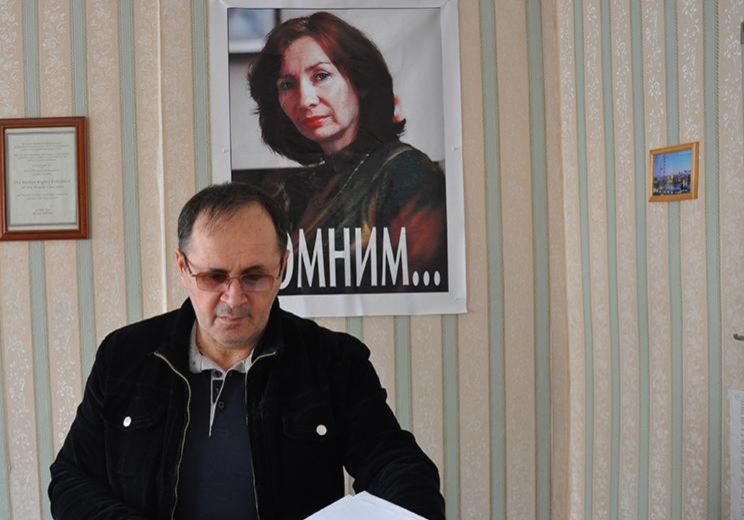
The ICJ is concerned at allegations that the recent arrest and detention of Oyub Titiev, the head of the Chechen branch of the Russian human rights organisation Memorial, were carried out as retaliation for his human rights activity.
The ICJ is particularly concerned at the more recent reports that family members of Oyub Titiev have had to leave Chechnya for security reasons following threats.
The ICJ calls on the Russian federal and local authorities to conduct a prompt, thorough and independent investigation into allegations that criminal charges against Oyub Titiev have been fabricated by police.
Oyub Titiev should be immediately released pending the outcome of this investigation, and measures should be taken to protect his security and that of his family.
On 9 January 2018, at 10.30, according to an official statement of the Ministry of Interior of Chechnya, Oyub Titiev’s car was stopped near Kurchaloy town to check his documents.
During a search of his car, a plastic bag with approximately 180 grams of a substance identified as marijuana was allegedly found.
Titiyev was charged with possession of a large quantity of narcotics under article 228 of the Criminal Code of the Russian Federation. However, he has stated that the narcotics were planted and has filed a complaint with the Prosecutor’s Office to initiate an investigation into these allegations.
Oyub Titiev, the head of Memorial in Chechnya, is one of very few human rights defenders who continue their work in Chechnya despite significant obstacles and threats.
He took over this position following the murder of the former head of Memorial in Chechnya, Natalya Estemirova in 2009.
In accordance with Article 2(a) of the Declaration on Human Rights Defenders (Declaration on the Right and Responsibility of Individuals, Groups and Organs of Society to Promote and Protect Universally Recognized Human Rights and Fundamental Freedoms), human rights defenders have a right to conduct human rights work individually and in association with others.
Under the same Declaration, States have a duty to take all necessary measures to ensure the protection of everyone against any violence, threats, retaliation, adverse discrimination, pressure or any other arbitrary action as a consequence of his or her legitimate activities as a human rights defender.
Threats of violence and the falsification of evidence by public officials constitute crimes under the Russian Criminal Code. Reliance in criminal proceedings on evidence falsely planted by the police or other State actors would violate international human rights law including fair trial guarantees under the UN Covenant on Civil and Political Rights and the European Convention of Human Rights.
Attacks on human rights defenders working in an extremely difficult human rights environment such as that of Chechnya, or attacks on their family members, have a chilling effect on work to defend human rights there. If further such attacks are to be prevented, individuals responsible for them must be brought to justice through a fair procedure, the ICJ stressed.

Jan 9, 2018 | News
The ICJ today called on the Government of Pakistan to take immediate measures against the increasing practice of enforced disappearances in the country.
A significant number of recent victims were said to be human rights defenders and political activists.
The ICJ highlighted the particular case of Raza Mahmood Khan. Raza, a human rights defender and peace activist, has been “missing” since 2 December 2017 after he organized a public event in Lahore to discuss recent political developments, including religious extremism and the role of state institutions.
Raza is known for his work on human rights, building inter-faith harmony, and promoting peace and tolerance between Pakistan and India. His family and friends have appealed to the police and the courts to trace him, but more than a month since his alleged “disappearance”, his whereabouts are still unknown.
“Many of the victims of enforced disappearances in Pakistan have been activists like Raza, which indicates the shrinking space for activism and dissent in the country,” said Frederick Rawski, ICJ’s Asia Director.
Given that circumstances in which Raza went “missing” are very similar to other cases of enforced disappearance reported recently, the ICJ called on Pakistani authorities to conduct a prompt, impartial, and thorough investigation to determine his fate and whereabouts and hold perpetrators criminally responsible.
“It is not enough for the authorities to deny knowledge of the fate or whereabouts of disappeared people. Are they properly questioning eyewitnesses to abductions? Are they looking for forensic evidence or electronic data from mobile phones? There are clear steps that authorities can and should take to investigate such crimes, and they must act immediately to establish the truth about these cases,” added Rawski.
Pakistan’s Supreme Court has, in multiple judgments, acknowledged the role of security and intelligence agencies in enforced disappearances and secret detentions, holding that the practice constitutes a violation of the “fundamental rights” recognized by the Constitution of Pakistan as well as international human rights law.
The State Commission of Inquiry on Enforced Disappearances has more than 1500 unresolved cases of enforced disappearances as of January 2018.
In 2017 alone, the Commission received 868 reports of alleged enforced disappearances – one of the highest since the Commission’s establishment in 2011. The UN Working Group on Enforced or Involuntary Disappearances also has more than 700 pending cases from Pakistan.
“Despite hundreds, if not thousands, of cases of enforced disappearance reported from across Pakistan, not a single perpetrator of the crime has been brought to justice,” added Rawski. “Not only does this impunity deny truth and justice to victims of the crime, it is also eroding the rule of law and emboldening perpetrators of human rights violations.”
The UN Working Group on Enforced or Involuntary Disappearances (WGEID) has on a number of occasions expressed concern about lack of implementation of the recommendations it made following a country visit to Pakistan in 2012, citing among other things continuing impunity arising from failure to diligently investigate allegations.
The UN Human Rights Committee also, in its review of Pakistan’s implementation of the International Covenant on Civil and Political Rights (ICCPR), noted with concern “the high incidence of enforced disappearances and extrajudicial killings allegedly perpetrated by the police and military and security forces.”
Pakistan must ensure all persons held in secret or arbitrary detention are immediately released or charged with a recognizable criminal offence and brought promptly before a competent, independent and impartial tribunal for a trial that meets international standards.
The ICJ called on Pakistan to become a party to the International Convention for the Protection of All Persons from Enforced Disappearance; recognize enforced disappearance as a distinct, autonomous offence; and hold perpetrators of enforced disappearance, including military and intelligence personnel, to account, through fair trials before civilian courts.
Contacts
Frederick Rawski, ICJ Asia Pacific Regional Director, t: +66 64 478 1121, e: frederick.rawski(a)icj.org
Reema Omer, ICJ International Legal Adviser for Pakistan (London), t: +447889565691; e: reema.omer(a)icj.org
Jan 8, 2018 | Advocacy, Cases, Legal submissions, News
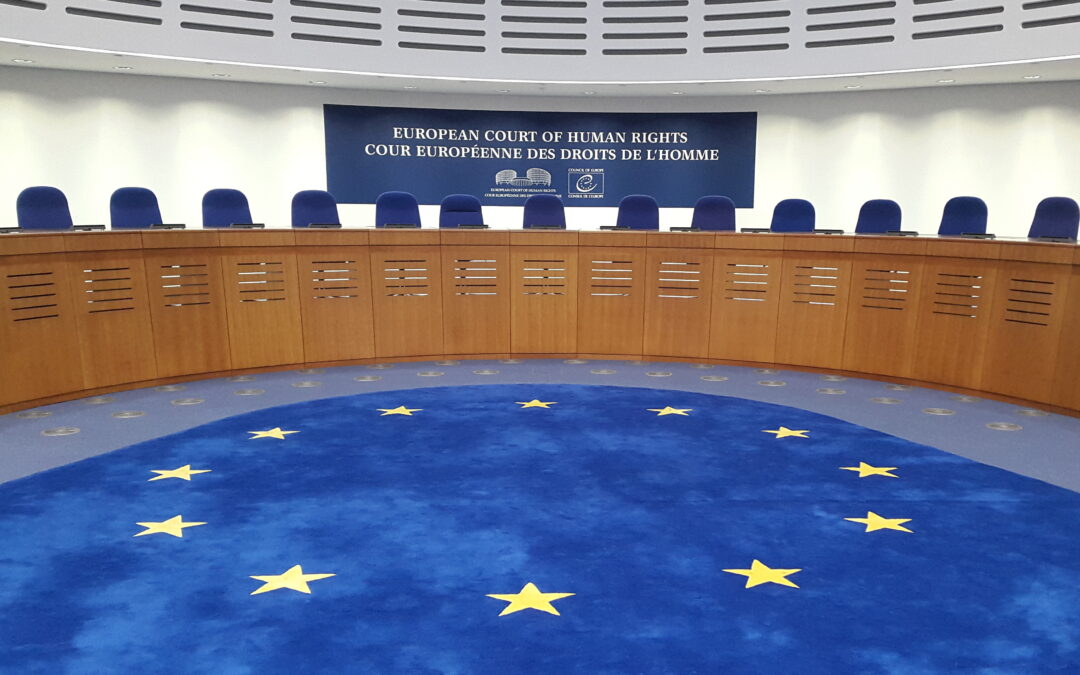
The ICJ and other organizations have intervened today before the European Court of Human Rights challenging expulsions of asylum seekers from Hungary to Serbia.
The International Commission of Jurists (ICJ), the European Council on Refugees and Exiles (ECRE) and the Dutch Council for Refugees have submitted today a third party intervention before the Grand Chamber of the European Court of Human Rights in the case of Ilias and Ahmed v. Hungary.
The case challenges the systematic practice by the Hungarian authorities to send back to Serbia foreign nationals asking for asylum under the pretention that Serbia is a safe third country in which to ask for international protection.
The intervening organizations have argued before the Court that:
- a removal that exposes an applicant to the risk of refoulement and deprives them of protections under international and EU law, is prohibited regardless of whether the decision was taken on the basis of the safe third country concept or the country was included in a “safe third country” list.
- International law requires, inter alia, a rigorous scrutiny of the applicant’s arguable claim of potential prohibited treatment, access to an effective remedy following a negative decision, and access to the rights under the 1951 Refugee Convention.
- Application of the safe third country concept for EU Member States is contingent on the applicant being admitted to the territory and having effective access to a fair asylum procedure in the safe third country
- An assessment of whether restrictions on the freedom of movement of migrants, imposed in a border or international zone, amount to deprivation of liberty under Article 5 ECHR must be based on the impact of these measures on the individuals concerned.
Hungary-ECtHR-amicusbrief-cases-Ilias&Ahmed-ICJ&others-2018-ENG (download the third party intervention)
Background
Ilias Ilias and Ali Ahmed, both Bangladeshi nationals, fled their home country in arrived at the Hungarian-Serbian border on 15 September 2015 after having briefly crossed through Serbia during their trip.
Having asked immediately for asylum in Hungary, they were confined for days in a transit zone, a ” a confined area of some 110 square metres, part of the transit zone, surrounded by fence and guarded by officers”.
Their applications were rejected on the very same day of their application on the grounds that they could have asked for asylum in Serbia, considered by Hungary a safe third country, and appeals were rejected.
They were removed to Serbia on 8 October 2015.
Dec 21, 2017 | News
The ICJ today called on the Moroccan authorities to effectively investigate and prosecute sexual and gender-based violence (SGBV) offences, including by ensuring the rights of victims to effective remedies and reparation and by combatting the impunity prevailing in Morocco over such offences.
The statement came following a high-level mission to Morocco from 18 to 21 December 2017 in which the ICJ launched its memorandum Morocco: ensuring the effective investigation and prosecution of sexual and gender-based violence against women and girls, and engaged with members of the government, the Parliament and the judiciary on the findings and recommendations of the memorandum.
Based on a review of 75 judgments handed down by Moroccan First Instance Tribunal and Courts of Appeal in cases involving SGBV offences, and on interviews with various actors in the justice system, the ICJ documented how the lack of guidelines on investigating and prosecuting SGBV, combined with the inadequacy of evidentiary rules and procedures, frustrate the successful prosecution of SGBV cases in Morocco.
Cases are often dismissed on grounds of insufficient evidence; and sentences, in those cases brought to trial, are often disproportionately lenient. This is partly due to the prevalence of judicial stereotyping, reduction of sentence when the defendant marries the victim (a practice that itself raises human rights concerns), and the arbitrary or unexplained application of mitigating circumstances such as the “social situation of the defendant” or “the relative seriousness of the acts that were committed”.
“Moroccan authorities should overhaul the framework and procedures on investigation and prosecution of SGBV,” said Saïd Benarbia, Director of the ICJ Middle East and North Africa Programme. “They should ensure effective and timely protective measures for the victims; provide for clear guidelines and protocols for law enforcement officers, prosecutors, doctors and other health professionals, and consolidate and supplement the victims’ testimony with additional evidence, in particular medico-legal and forensic evidence.”
“Those in charge of investigations and prosecutions must also minimize the burden on the victims with a view to avoiding their secondary victimization; refrain from stereotyping, victims’ blaming and other harmful practices that undermine the rights of the victims, and challenge, by way of appeal, disproportionately lenient sentences,” concluded Martine Comte, honorary judge and former President of the Court of Appeal of Orléans, France, who led the ICJ Mission.
Contact:
Saïd Benarbia, Director of the ICJ Middle East and North Africa Programme, t: +41.22.979.3817, e: said.benarbia(a)icj.org
Additional information
The mission was led by Martine Comte, honorary judge and former President of the Court of Appeal of Orléans, France, and included Saïd Benarbia, Director of the ICJ MENA programme, and Giulia Soldan, Programme Manager of the ICJ MENA programme.
The ICJ delegation met with Mr Mohamed Aujjar, Minister of Justice; Mr Adil El Bitar, President of the Commission on Justice, Legislation, and Human Rights at the Chamber of Deputies; Mr Mohamed Abdennabaoui, President of the Office of the Public Prosecutor and Prosecutor General of the Cassation Court; and representatives of civil society.
This Press Release is also available in Arabic (in PDF format), here: MOR Mission Dec PR ARABIC
The memorandum Morocco: ensuring the effective investigation and prosecution of sexual and gender-based violence against women and girls is available (PDF format):
Dec 21, 2017 | News
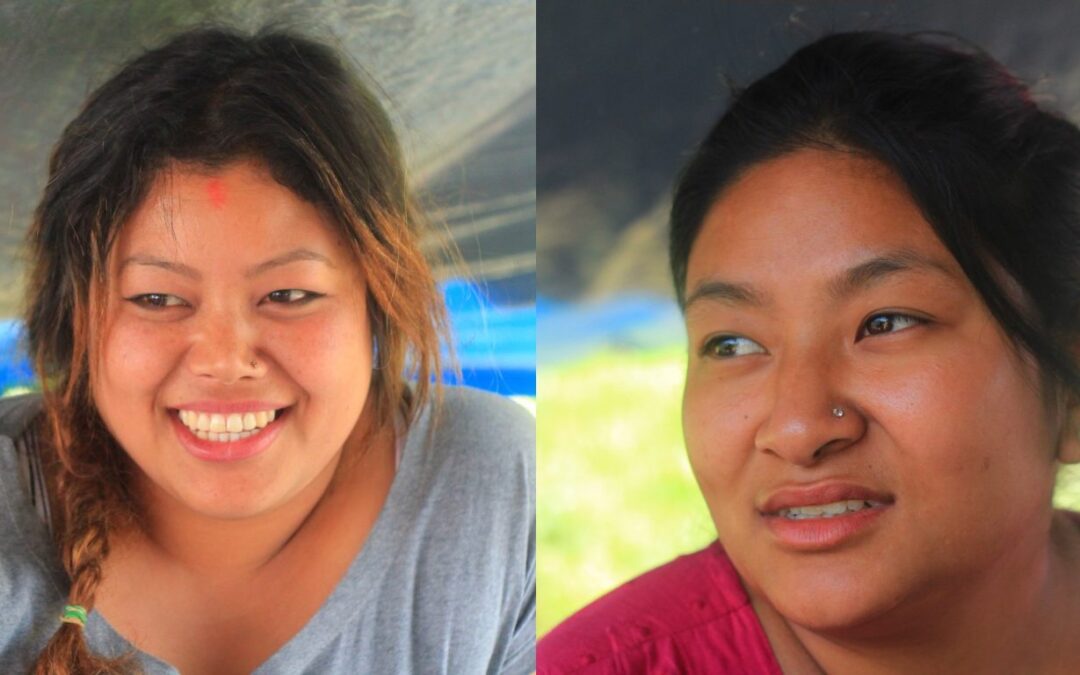
On the 10th anniversary of the Supreme Court’s decision in Sunil Babu Pant on the protection of the rights of lesbian, gay, bisexual, transgender and intersex people (LGBTI), the ICJ calls on the Government of Nepal to fully implement the Court’s ruling.
In 2007, the Supreme Court of Nepal delivered a judgment in Sunil Babu Pant v. the Government of Nepal and others, directing the Government of Nepal to take necessary measures to ensure that people of diverse gender identities and sexual orientations could fully enjoy their rights without discrimination. Such measures were to include the adoption of new laws or amending existing laws.
However, ten years after the judgment, LGBTI persons are denied equal protection of the law, and their rights are still not fully protected.
“The Supreme Court’s 2007 judgment gave hope to LGBTI people in Nepal and inspired judiciaries in the region and the world,” said Frederick Rawski, ICJ’s Asia Director. “Despite some positive measures, the Government has much more work to do to implement the judgment and ensure that the rights of the LGBTI community in Nepal are fully respected.”
The Supreme Court based its findings on international human rights law and standards, particularly in respect of the right to non-discrimination and equality and the right to privacy. The Court relied in particular on Nepal’s legal obligations under the International Covenant on Civil and Political Rights (ICCPR).
The Court strongly rejected arguments that a person’s LGBTI status was the result of “emotional and psychological disorders”, and found that the petitioners faced violence, stigmatization, and discrimination because of their sexual orientation or gender identity. The Court further ordered that a new Constitution under consideration by the Constituent Assembly should guarantee the right to non-discrimination on the grounds of gender identity and sexual orientation.
Since then, some steps have been taken. The 2015 Constitution that was ultimately adopted contains provisions guaranteeing the right to equality for all citizens and establishing special provisions for the protection, empowerment and advancement of gender and “sexual minorities”. Pursuant to a subsequent Supreme Court ruling, transgender men and women can now change their gender markers to “O” on official documents. However, to use “M” or “F”, they still face prohibitive and unclear restrictions. A recently tabled bill would also criminalize unnecessary medical interventions and provide some, though incomplete, protections to intersex children.
Despite these developments, discrimination against LGBTI people remains rampant in the labour market, in schools and in hospitals. LGBTI people are mistreated and sometimes disowned by their families and singled out for physical attack – often beaten, sexually assaulted and subjected to severe physical abuse. Recent revisions to the Civil Code (2017), effective from mid-August 2018, do not recognize equality before the law related to family life.
“These violations continue in the absence of a state strategy or political will to tackle them,” added Rawski. “The Government of Nepal should prioritize enacting reforms to ensure the protection of the rights of LGBTI persons.”
The ICJ calls on the Government of Nepal to fully implement all aspects of the 2007 ruling and subsequent Supreme Court rulings affecting LGBTI communities. This should include, at the minimum:
- Repealing all discriminatory laws, including provisions of the recently introduced Penal and Civil Codes, against sexual orientation and gender identity in line with the principle of equality, equal protection and non-discrimination;
- Enacting legislation that allows same-sex couples full equality before and protection of the law;
- Enacting legislation that removes any prohibitive or unclear restrictions to changing of gender markers on all official documents;
- Enacting legislation that establishes prior, free, full, informed, genuine and consistent consent, and prevents unnecessary medical interventions on intersex persons; and
- Ensuring that the legal protections are given practical effect, including through implementation measures and administrative instructions binding officials at all levels of government.
Contact:
Frederick Rawski, ICJ Asia Pacific Regional Director, t: +66 64 478 1121, e: frederick.rawski@icj.org