Oct 13, 2020 | Advocacy, News, Non-legal submissions
On 12 October 2020, the ICJ made a submission to the Human Rights Council’s Working Group on the Universal Periodic Review in advance of the Human Rights Council’s review of Singapore in May 2021.
In its submission, the ICJ expressed concern about the following issues:
(i) Freedom of expression online;
(ii) The death penalty;
(iii) Corporal punishment; and
(iv) International human rights instruments.
The ICJ further called upon the Human Rights Council and the Working Group on the Universal Periodic Review to recommend that Singapore ensure, in law and in practice, the right to freedom of expression online, the right to life and the absolute prohibition against cruel, inhuman or degrading treatment or punishment; and become a party to core international human rights instruments, including the International Covenant on Economic, Social and Cultural Rights, the International Covenant on Civil and Political Rights, the Convention Against Torture and Other Cruel, Inhuman or Degrading Treatment or Punishment, the International Convention on the Protection of the Rights of All Migrant Workers and Members of Their Families and the International Convention for the Protection of All Persons from Enforced Disappearance, as well as the existing Optional Protocols to some of these treaties.
The submission is available in PDF here.
Sep 30, 2020 | News
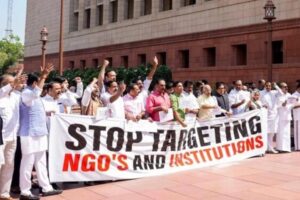
Today, the ICJ joined fourteen other human rights organizations in condemning the Indian government’s actions against Amnesty India and pledged to continue support for local human rights defenders and organizations against the recent crackdown.
Amnesty International India announced that it is halting its work in the country after the Indian government froze its bank accounts in an act of reprisal for the organization’s human rights work.
The Indian government’s actions against Amnesty India are part of increasingly repressive tactics to shut down critical voices and groups working to promote, protect, and uphold fundamental rights, said the Association for Progressive Communications, Global Indian Progressive Alliance, International Commission of Jurists, International Federation for Human Rights (FIDH), CIVICUS: World Alliance for Citizen Participation, Front Line Defenders, FORUM-ASIA, Foundation the London Story, Hindus for Human Rights, Human Rights Watch, International Service for Human Rights, Minority Rights Group, Odhikar, South Asians for Human Rights (SAHR), and World Organisation Against Torture (OMCT) in the framework of the Observatory for the Protection of Human Rights Defenders.
The Hindu nationalist Bharatiya Janata Party (BJP)-led government has accused Amnesty India of violating laws on foreign funding, a charge the group says is politically motivated and constitutes evidence “that the overbroad legal framework is maliciously activated when human rights defenders and groups challenge the government’s grave inactions and excesses.”
The BJP government has increasingly cracked down on civil society, harassing and bringing politically motivated cases against human rights defenders, academics, student activists, journalists, and others critical of the government under sedition, terrorism, and other repressive laws.
These actions increasingly mimic that of authoritarian regimes, which do not tolerate any criticism and shamelessly target those who dare to speak out. With growing criticism of the government’s discriminatory policies and attacks on the rule of law, the authorities seem more interested in shooting the messenger than addressing the grievances. Women’s rights activists and indigenous and minority human rights defenders have been especially vulnerable. The recent action against Amnesty India highlights the stepped-up pressure and violence felt by local defenders on the ground, regardless of their profile.
The authorities have repeatedly used foreign funding regulations under the Foreign Contribution Regulation Act (FCRA), a law broadly condemned for violating international human rights law and standards, to target outspoken groups. United Nations experts on human rights defenders, on freedom of expression, and on freedom of association have urged the government to repeal the law, saying it is “being used more and more to silence organisations involved in advocating civil, political, economic, social, environmental or cultural priorities, which may differ from those backed by the Government.”
Yet, the Indian parliament amended the FCRA this month, adding further onerous governmental oversight, additional regulations and certification processes, and operational requirements that would adversely affect civil society groups and effectively restrict access to foreign funding for small nongovernmental organizations.
A robust, independent, and vocal civil society is indispensable in any democracy to ensure a check on government and to hold it accountable, pushing it to do better. Instead of treating human rights groups as its enemies, the government should work with them to protect the rights of all people and ensure accountability at all levels of government.
Contact
Ian Seiderman, ICJ Law and Policy Director: ian.seiderman@icj.org
Sep 29, 2020 | Advocacy, News
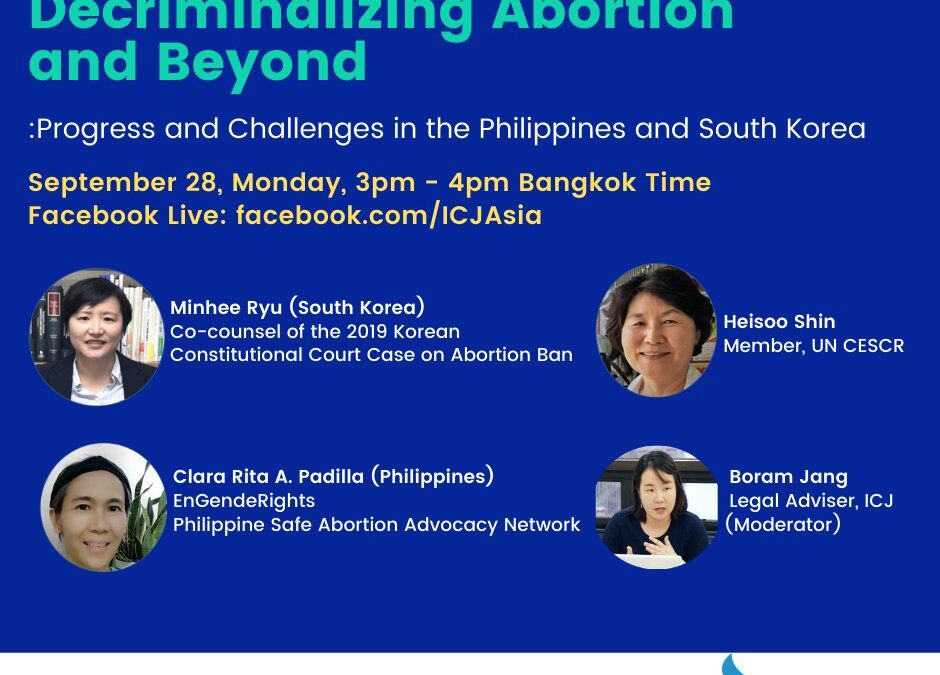
On the International Safe Abortion Day, the ICJ held a webinar on the decriminalization of abortion in the Philippines and the Republic of Korea.
The webinar focused on the legal provisions criminalizing abortion and on women human rights defenders’ struggle to decriminalize abortion in the Philippines and in the Republic of Korea. In addition, the participants highlighted States’ legal obligation to guarantee access to legal, safe and affordable abortion and post abortion care for all persons under international human rights law and standards.
Ms. Clara Rita A. Padilla from the Philippines’ Safe Abortion Advocacy Network; Ms. Minhee Ryu, Co-counsel in the 2019 Korean Constitutional Court case on the country’s criminal ban on abortion; and Dr. Heisoo Shin, member of the UN Committee on Economic, Social and Cultural Rights (CESCR) participated as speakers.
“The law imposing penalties on women who have an abortion and those assisting them only endangered the lives of women forced to seek unsafe abortion,” said Ms. Padilla. “Today, the Philippine Safe Abortion Advocacy Network introduced a draft bill, An Act Decriminalizing Induced Abortion to Save the Lives of Women, Girls, and Persons of Diverse Gender Identities, and we will continue advocating the repeal of the current discriminatory law against women and eliminate harmful stigma against women due to the restrictive abortion law and imposition of judgmental religious beliefs.”
Ms. Minhee Ryu talked about the women human rights defender’s movement in the Republic of Korea, including the work of the Joint Action for Reproductive Justice. She also highlighted the legal strategy to draw the Constitutional Court’s attention to the experience of girls, migrant women and women with disabilities in the context of the case that resulted in the Court holding that the criminalization of abortion was unconstitutional in April 2019.
“It is the core obligations of States to ensure the repeal of laws, policies and practices that criminalize, obstruct or undermine access by individuals or a particular group to sexual and reproductive health facilities and services,” said Dr. Heisoo Shin. “Denial of abortion often leads to maternal mortality and morbidity, which, in turn, constitute violations of the rights to life, dignity, autonomy, security, equality and non-discrimination, equality before the law and equal protection of the law without discrimination, privacy, physical and mental health, and the right to freedom from ill-treatment.”
The participants agreed that international human rights law and standards, such as the Human Rights Committee’s General Comment 36 on the right to life, and the CESCR’s General Comment 22 on the right to sexual and reproductive health, are instrumental in worldwide efforts to ensure access to legal, safe and affordable abortion and in advocating for its complete decriminalization.
Contact
Boram Jang, International Legal Adviser, e: boram.jang(a)icj.org
Sep 24, 2020 | News
Today the ICJ condemned the adoption by both Houses of Parliament of the Indian Foreign Contribution (Regulation) Amendment Bill 2020 (FCRA 2020).
Sep 14, 2020 | News
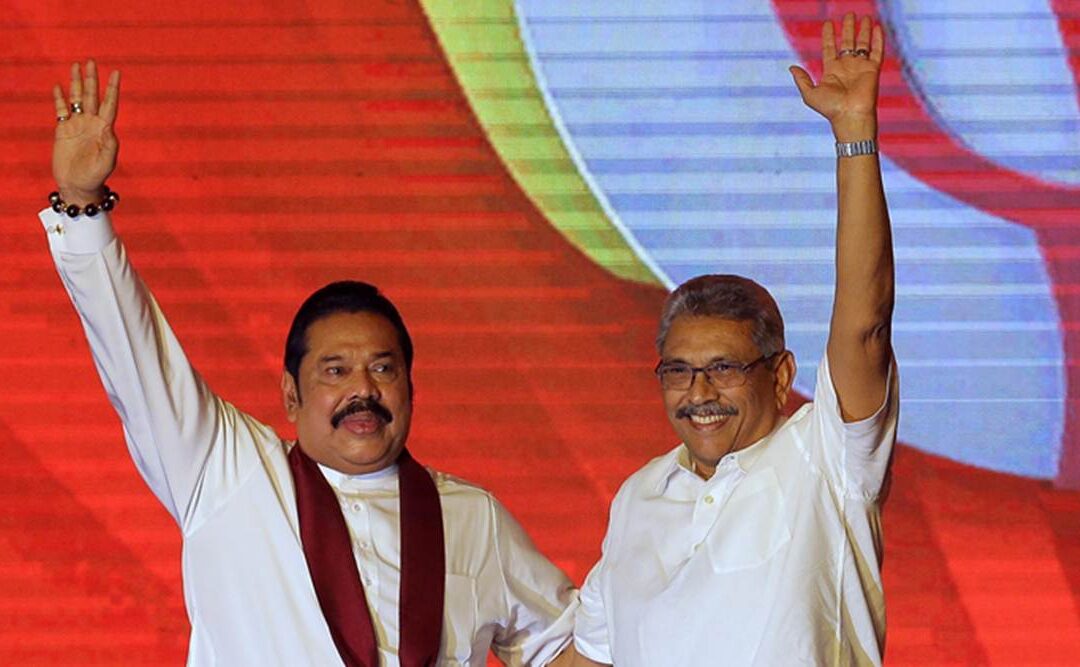
The Sri Lankan parliament should reject the Sri Lankan Government’s efforts to amend the country’s constitution to provide unfettered powers to the President while encroaching on the powers of the legislature and infringing upon the independence of the judiciary, said the ICJ today.
“The proposed 20th Amendment, which bestows an already powerful executive president with additional powers with no effective checks on him, essentially placing him above the law,” said Sam Zarifi, ICJ’s Secretary General. “These amendments would tilt the balance of State power heavily on the side of the executive and in particular on a single person.”
The proposed 20th Amendment to the Constitution bill rolls back most of the reforms brought about by the 19th Amendment to the Constitution, the passage of which the UN Human Rights Council welcomed as “promoting democratic governance and oversight of key institutions”.
The 19th amendment, adopted in 2015, had imposed certain limits to the Executive President’s authority and powers, including in respect of terms of the office of President, the capacity to dissolve Parliament and to fast-track legislation. It also removed the blanket immunity the President enjoyed from legal proceedings. Critically, it had established a Constitutional Council which restrained the President’s discretion in appointing key governmental actors including in the judiciary, the Attorney General and the Inspector General of Police.
The ICJ notes that the 20th amendment appears to reproduce much of the regressive features of the old 18th amendment, which the 19th amendment had been brought about to correct.
“Sri Lanka’s Executive branch has a poor record of respecting human rights and the rule of law, and the 19th Amendment was an effort to impose the checks and balances necessary for the rule of law,” said Sam Zarifi. “The constitutional changes being proposed would take the country back to the dark days of Executive impunity.”
“We are particularly concerned that these changes would undermine the independence of the judiciary, as the President would have unfettered discretion to appoint the superior judiciary, including the Chief Justice, the President and Judges of the Court of the Appeal, and to control the Judicial Service Commission,” said Sam Zarifi.
The JSC is the body entrusted with the power to appoint, promote, transfer exercise disciplinary control and dismiss judicial officers of the subordinate courts. The changes would also grant the President the power to nominate members of the Judicial Service Commission (JSC) other than its Chairman which is ex officio, the Chief Justice.
The UN Basic Principles on the Independence of the Judiciary states that “Any method of judicial selection shall safeguard against judicial appointments for improper motives.”
Under international standards and recommendations of the UN Special Rapporteur on the Independence of the Judiciary, appointments to the judiciary should not be vested solely with the executive.
A judicial appointment process which gives the President full discretion would inevitably result in the significant erosion of the independence and impartiality of the Sri Lankan judiciary.
Moreover, several checks placed on the President’s powers by the 19th Amendment have also been removed while giving him greater legal immunity. The President would also be granted sole power to appoint the cabinet, assign to himself any cabinet portfolio and been given unfettered discretion in relation to the appointment and dismissal of the Prime Minister. The President would also retain the power to dissolve the Parliament within one year.
Contact
For questions and clarifications: Osama Motiwala, Communications Officer – osama.motiwala(a)icj.org
Sep 14, 2020 | Advocacy, News
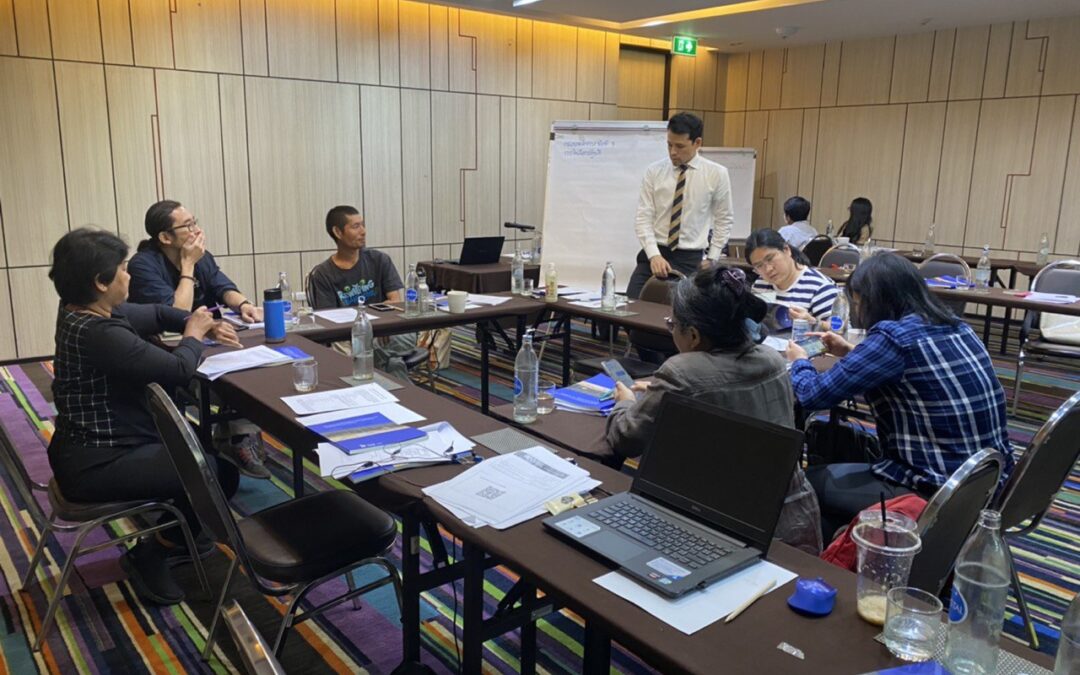
On 13 September 2020 the ICJ hosted a workshop on the impacts on economic, social and cultural rights associated with the development of Special Economic Zones (SEZs) in Thailand. Lawyers, members of civil society organizations and academics from across Thailand attended the Workshop.
The event began with an introduction to ICJ’s report – the Human Rights Consequences of the Eastern Economic Corridor and Special Economic Zones in Thailand – and outlined the deficiencies in the legal and regulatory framework governing economic development in Special Economic Zones and the Eastern Economic Corridor.
During the group discussions, participants were introduced to the international laws and standards that are applicable in the context of Thailand and can be applied to allegations of human rights violations and negative environmental impacts. They were urged to use these standards for their advocacy work.
These included economic, social and cultural rights contained in the International Covenant on Economic, Social and Cultural Rights (ICESCR), to which Thailand is a State party and other internationally recognized principles, including:
- Right to an adequate standard of living and housing under article 11 of the ICESCR, General Comments 4 and 7 of the Committee on Economic Social and Cultural Rights and the Basic Principles and Guidelines on Development-Based Evictions and Displacement – which stress the need to provide adequate legal protection from forced eviction, due process, alternative accommodation, and access to an effective remedy of those that are affected by eviction orders;
- Human rights obligations that are exercised in relation to the environment, such as obligation to facilitate public participation in decision making related to the environment, and duties to protect human rights defenders and to conduct the prior assessment of the possible environmental impacts of proposed projects and policies; and
- Rights to and at work under article 6 to 8 of the ICESCR, General Comment No. 19 and 23 of the Committee on the Economic, Social and Cultural Rights, and several ILO Conventions, particularly regarding rights abuses suffered by migrant, seasonal and subcontracted workers, as well as restrictions on freedom to join and form trade unions.
At the conclusion of the Workshop, participants exchanged views on strategies and collaboration for action to mitigate potential impacts of the Special Economic Zones and the Eastern Economic Corridor and to advance the protection of economic, social and cultural rights.
Further reading
Thailand: laws governing development of Eastern Economic Corridor and Special Economic Zones fail to adequately protect human rights – ICJ report
Thailand: ICJ hosts discussion on human rights consequences of Special Investment Zones
ICJ and Chiang Mai University discuss Special Economic Zones in Myanmar and Thailand