Sep 7, 2012 | News
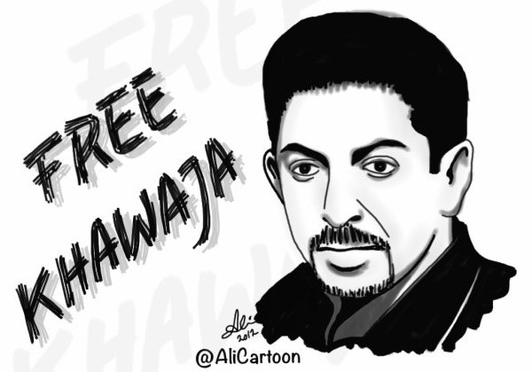
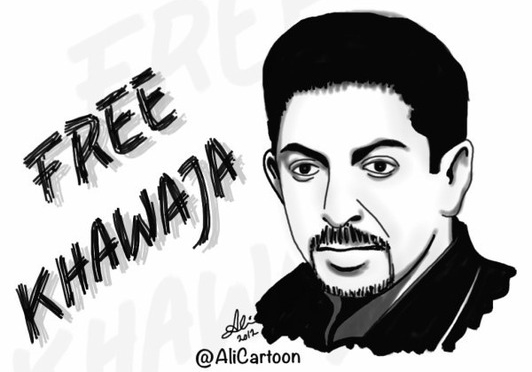 The ICJ calls upon the Bahraini authorities to immediately and unconditionally release 13 human rights defenders and political activists convicted by the Criminal Court of Appeal in Bahrain.
On 4 September 2012, they were convicted on charges relating to “conspiracy to overthrow the government”, “espionage” and “violation of the Constitution”. The sentences against the defendants ranged from 5 years to life imprisonment.
The ruling of the Criminal Court of Appeal upheld the convictions and sentences of the detainees handed down last year by the National Safety Court and the National Safety Court of Appeal, two exceptional military courts established under the royal decree of 15 March 2011, which declared the “state of emergency”. On 30 April 2012, the Bahraini Cassation Court ordered their retrial before a civilian court.
“The retrial by the Criminal Court of Appeal failed to remedy the failures of the original trials and to meet international standards of fair trial, including the right to be presumed innocent and to equality of arms. The Prosecution failed to provide any credible evidence against these detainees and their right to defence has been severely undermined at all stages of the proceedings,” said Said Benarbia, Senior Legal Adviser of the ICJ Middle East and North Africa Programme. “The retrial relied heavily on the findings of the first two trials, including “confessions” that the defendants claimed were obtained through torture and other ill-treatment.”
The Bahraini authorities should ensure that these allegations of torture and ill-treatment are promptly, independently and effectively investigated.
The Bahraini authorities should also ensure that the rights of human rights defenders and political activists to freedom of expression, association, and assembly are fully respected.
“Instead of subjecting these defenders and activists to various forms of harassment, intimidation and unfair trials, the Bahraini authorities should initiate comprehensive, meaningful and lasting constitutional and legal reforms that establish the rule of law and that fully protect the rights of Bahrainis to take part in the conduct of public affairs and to choose the form of their government,” Benarbia added.
For more information:
Saïd Benarbia, Middle East & North Africa Senior Legal Adviser, ICJ, t +41 22 979 3817; e-mail: said.benarbia(at)icj.org
Aug 9, 2012 | News
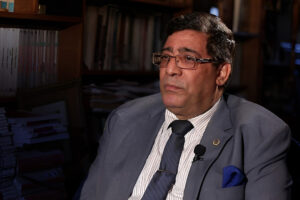
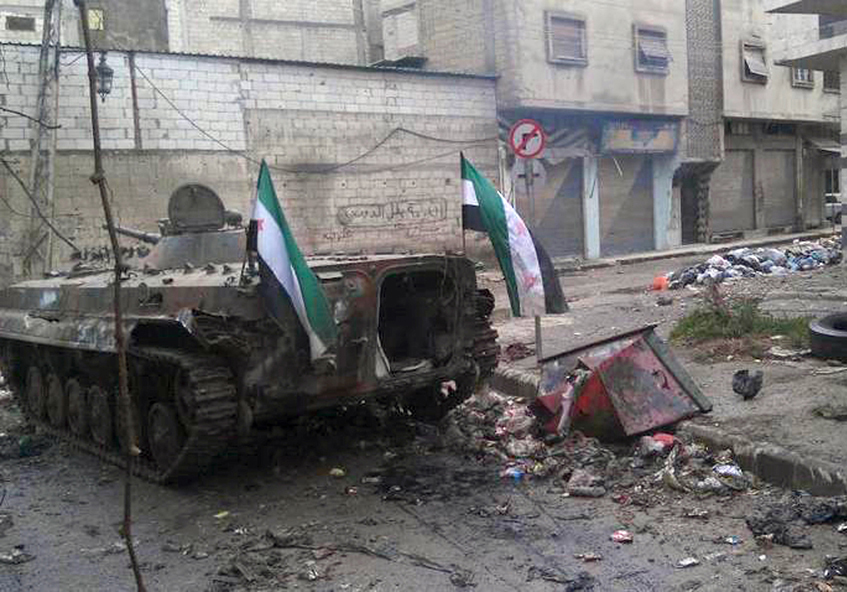
 The ICJ is urging the Syrian authorities to immediately and unconditionally release Mazen Darwish, a prominent human rights lawyer and defender, and President of the Center for Media and Freedom of Expression (SCM).
Aug 6, 2012 | News
 The ICJ calls on the United Arab Emirates (UAE) authorities to end their crackdown on lawyers and human rights defenders.
Aug 6, 2012 | News
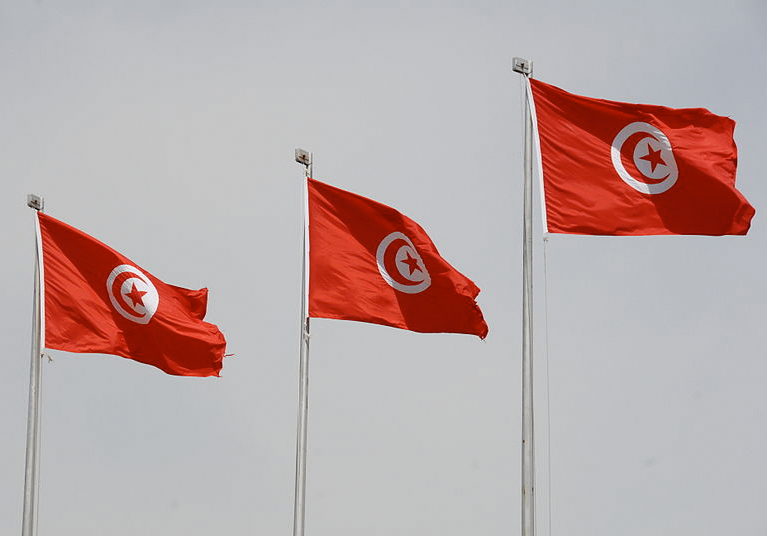
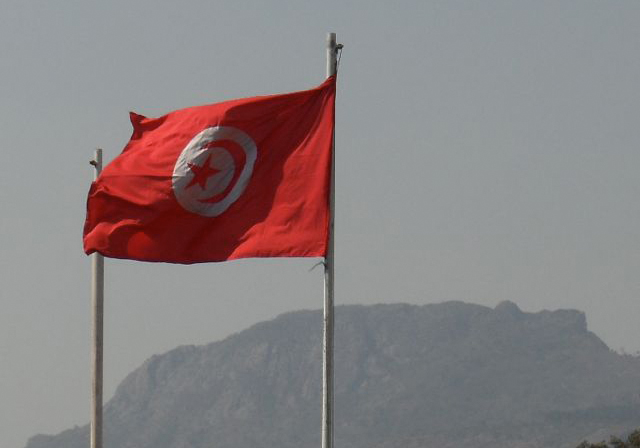 The ICJ deplores the unilateral decision of the Tunisian Minister of Justice to summarily dismiss over 70 judges.
Jul 5, 2012 | News
In a position paper published today, the ICJ sets out its concerns about measures taken by the transitional authorities in Egypt, in particular the Supreme Council of Armed Forces (SCAF).
May 31, 2012 | News
The ICJ called upon the Moroccan authorities to comply with international law and remove the blanket immunity contained in the draft law 01-12 on the “Fundamental Guarantees for the Members of the Royal Armed Forces”.
The draft law, in particular Article 7, attempts to guarantee members of the Moroccan armed forces absolute immunity from criminal prosecution for operations carried out under the orders of a superior within the national territory.
It also requires the State to protect members of the armed forces from prosecution as well as from public criticism or condemnation.
The ICJ is deeply concerned that the law attempts to grant immunity for all serious crimes prohibited by international law that might be committed by the Members of the Royal Armed Forces under the orders of their superiors, including war crimes, crimes against humanity, acts of genocide, torture and enforced disappearances.
The law also does not provide for any legal measures against superiors when their orders violate the law.
“The draft law violates Morocco’s obligations under international law, which prohibits any immunity from legal proceedings in respect of crimes under international criminal law, including gross human rights violations”, whether the perpetrators act under orders from a superior officer or independently”, said Alice Goodenough, Legal Adviser for ICJ’s Middle East and North Africa Programme. “The draft law 01-12 should be amended to ensure that those who carry out or participate directly in committing crimes under international law, as well as those who have command responsibility, are held criminally responsible for such conduct.”
The ICJ is concerned that over the past fifty years, Moroccan armed forces and other security services have acted with impunity, unaccountable to either the courts or Parliament.
They have enjoyed effective immunity from any legal proceedings over their role in the human rights violations documented in the 2005 report of the Moroccan Truth Commission (the IER), including unlawful killings, summary executions, enforced disappearances, arbitrary detentions, and torture and other ill-treatment, the ICJ notes.
“This draft law, if adopted, will institutionalize the impunity that has prevailed over past and present human rights abuses in Morocco,” Goodenough added. “Moroccan authorities must refrain from adopting this law or any other measures that foster or contribute to impunity.”
Contact:
Alice Goodenough, Middle East & North Africa Legal Adviser, t +41 22 979 3811; e-mail: alice.goodenough(at)icj.org