Apr 1, 2019 | News
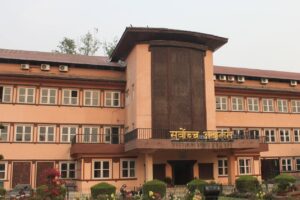
As military courts in Pakistan once again cease to have jurisdiction over civilians for terrorism-related offences, the Government must bring reforms to strengthen the country’s criminal justice system, the ICJ said today.
Perpetrators of terrorist attacks and other serious crime must be brought to justice fair trials before competent, independent and impartial courts as required under international law, the ICJ added.
“The lapse of the jurisdiction of military courts over civilians is a step in the right direction, but unsurprisingly – even four years after military courts were empowered to try civilians – there is no sign of the promised reforms to strengthen the ordinary criminal justice system to effectively and fairly handle terrorism-related cases,” said Frederick Rawski, ICJ’s Asia Director.
The 23rd Amendment and corresponding amendments to the Army Act, 1952, lapsed on 30 March 2019, as their respective two-year sunset clauses expired. So far, the Government has failed to get support from opposition parties for a constitutional amendment to once again extend the jurisdiction of military courts to conduct trials of civilians.
“The Government must not re-enact legislation to continue secret military trials of civilians, nor resort to more short-term, short-sighted security measures that are contrary to Pakistan’s obligations to protect human rights,” Rawski said.
“Instead, the Government should urgently invest in enhancing the capacity and security of judges, investigators and prosecutors to make the regular criminal justice system more effective in conducting fair, credible terrorism trials, and bringing perpetrators to account without imposing the death penalty.”
According to military sources and ICJ’s monitoring of military trials in Pakistan since January 2015, military courts have convicted 617 people for terrorism-related offences, out of which 346 people have been sentenced to death and 271 people have been given prison sentences. At least 56 people have been hanged. Only four people have been acquitted.
The ICJ has documented serious fair trials violations in the operation of military courts, including: denial of the right to counsel of choice; failure to disclose the charges against the accused; denial of a public hearing; failure to give convicts copies of a judgment with evidence and reasons for the verdict; and a very high number of convictions based on “confessions” without adequate safeguards against torture and ill treatment.
Contact
Frederick Rawski, ICJ Asia Pacific Regional Director (Bangkok), e: frederick.rawski(a)icj.org
Reema Omer, ICJ International Legal Adviser for Pakistan (London), t: +447889565691; e: reema.omer(a)icj.org
Additional information
Military courts were first empowered to try civilians for certain terrorism-related offences in January 2015 through the 21st Amendment to the Constitution and amendments to the Pakistan Army Act, 1952, which were in operation for a period of two years.
The expansion of the jurisdiction of military tribunals was a key part of the Government’s 20-point National Action Plan, adopted following the attack on the Army Public School in Peshawar in December 2014. NAP envisioned military courts to be a short-term “solution” to try “terrorists”, to be operational only for a two-year period during which the government would bring about necessary “reforms in criminal courts system to strengthen the anti-terrorism institutions”.
Despite promises that military courts were only temporary, after the expiration of the 21st Amendment, on 31 March 2017, Parliament enacted the 23rd Amendment and amendments to the Army Act to renew military courts’ jurisdiction over civilians. The amendments were given retrospective effect from 7 January 2017, and were due to lapse two years after their date of “commencement”. The expanded jurisdiction of military courts lapsed on 30 March 2019 (even though earlier reports suggested the amendments would expire on 6 January 2019) — two years after the date of “operation” of the 23rd Amendment).
The ICJ opposes the death penalty in all circumstances as a form cruel, inhuman and degrading punishment and an arbitrary denial of the right to life. The ICJ recalls that the UN General Assembly has by overwhelming majorities repeatedly called on all states the retain the death penalty to place a moratorium on the practice with a view to abolition. Pakistan previously had such a moratorium from 2008 to 2014.
Apr 1, 2019 | News
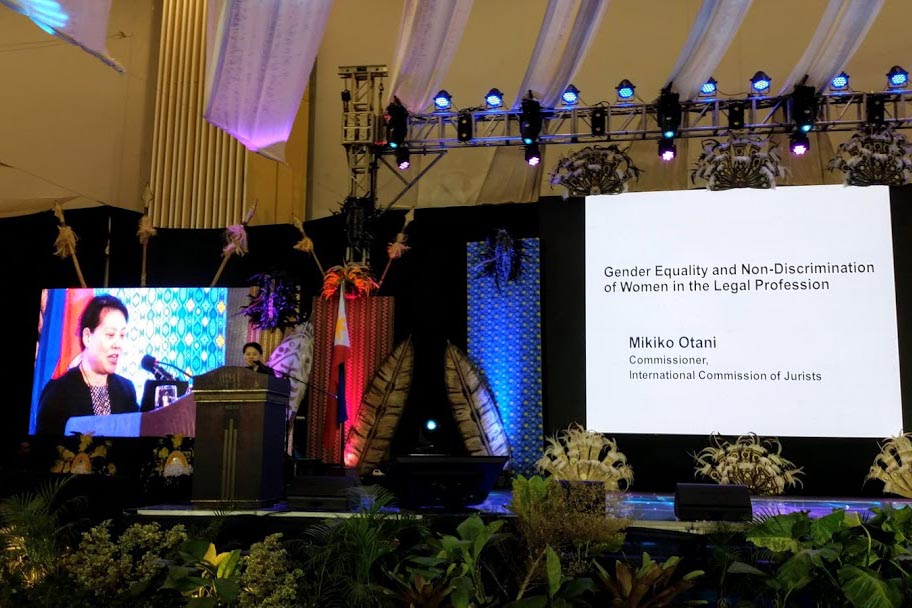
On 31 March, Mikiko Otani, ICJ’s Commissioner and a member of the UN Committee on the Rights of the Child, spoke to Filipino lawyers at the bi-annual National Lawyers’ Conference of the Integrated Bar of the Philippines (IBP), which took place at the Iloilo Convention Center, Iloilo City.
Mikiko Otani, who had been Chair of the Committee on International Human Rights of the Japan Federation of Bar Associations (JFBA) remains active in the JFBA, talked about the importance of advancing gender equality in the legal profession and the important initiatives of the JFBA on eliminating gender discrimination.
She noted that “female lawyers experience many forms of discrimination in the workplaces, practices, court rooms and bar associations.”
In countries all over the world, many formal barriers women used to face in entering the legal profession, including admission to law schools, the bar, have been eliminated.
However, women continue to face barriers, some of which are specific to the legal profession, but others common to women who work more generally.
Mikiko Otani noted that when she started practice as a lawyer in 1990, women applicants for jobs at law firms would often be asked during the interview whether they planned on getting married or having children.
Law firms preferred to hire male lawyers as they were thought to be unencumbered with looking after household matters, such as housekeeping and child care.
She recalled, “My colleagues questioned my decision to get married and have children almost immediately after becoming a lawyer while also continuing my practice as this was an unusual for women lawyers in Japan to do at that time. They felt that my decision to start a family at that point would be a hindrance to my career.”
She also talked about the bias observed in case assignment, where only male lawyers would be assigned to cases that required extensive traveling, while female lawyers would be often assigned to family cases, which are considered to be easy, unpopular or low-profile cases.
There was also frequent bias against female lawyers in promotion or offering partnership in law firms, contributing to a major gender gap in income between male and female lawyers.
In 2008, the JFBA formulated a Basic Plan which included the study of inequalities between male and female lawyers in Japan, finding ways to ensure a work-life balance for women, creating complaint handling bodies, and hosting trainings and educational activities in order to promote gender equality.
Mikiko Otani’s remarks resonated among many female lawyers in the Philippines, who shared in the discussion that followed that they face the same challenges.
“As lawyers, it is our responsibility to assist everyone, including women, in accessing justice,” said Marienne Ibadlit, a member of the Board of Governors of the IBP.
“We cannot be faithful to this responsibility if within our profession, we perpetuate gendered relationships and social inequalities that discriminate against women. A bar association that is committed to gender equality is a prerequisite to a justice system that does not discriminate against women and ensures the full enjoyment of women of their human rights.”
Contact:
Emerlynne Gil, Senior International Legal Adviser for Southeast Asia, t: +662 619 8477 (ext. 206) ; e: emerlynne.gil(a)icj.org
Mar 31, 2019 | News
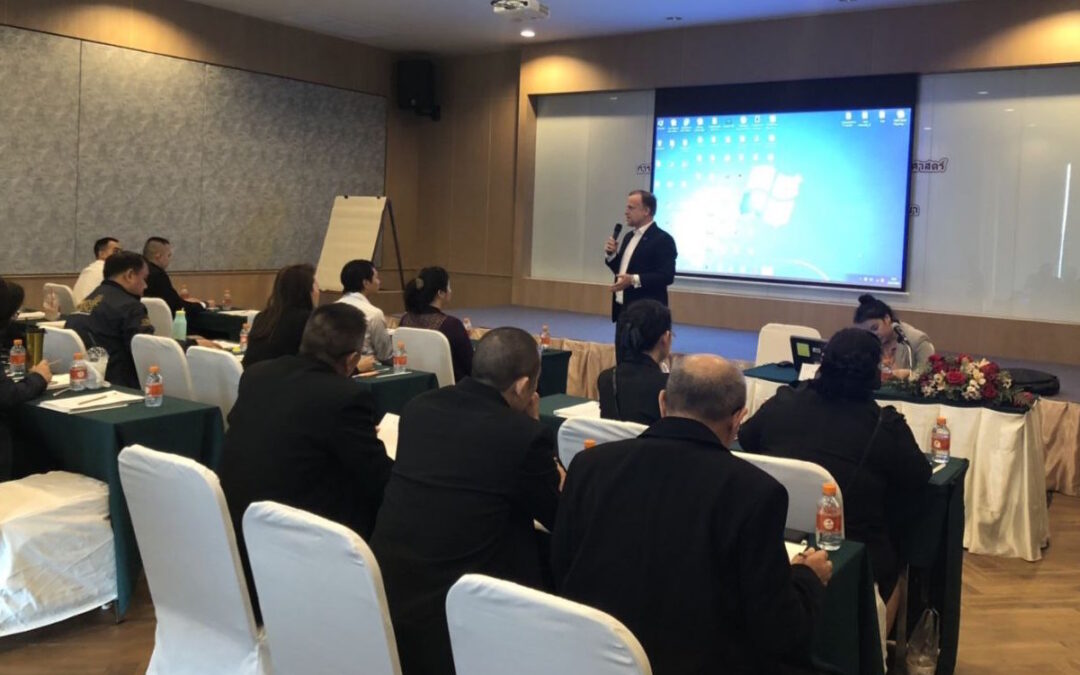
From 29 to 31 March 2019, the ICJ co-hosted a workshop in Ayutthaya province for authorities from Thailand on Human Rights, Investigation Techniques and Forensic Examination of Evidence. The event focused on how such investigations should be conducted in accordance with international human rights law and standards.
The workshop was co-hosted with Thailand’s Ministry of Justice and the United Nations Office of the High Commissioner for Human Rights (OHCHR).
The participants included 35 criminal investigators, public prosecutors, representatives of the Ministry of Justice’s Department of Special Investigation (DSI), the Central Institute of Forensic Science (CIFS), the Ministry of Defense, the National Anti-Corruption Commission and the Office of the Narcotics Control Board.
Kingsley Abbott, Senior Legal Adviser for Global Redress and Accountability at the ICJ and a member of the Working Group in revising the Minnesota Protocol, presented a summary of the international human rights legal framework applicable to the investigation of unlawful deaths and enforced disappearance.
He also introduced an outline of the revised Minnesota Protocol on the Investigation of Potentially Unlawful Death (2016), which was launched in Thailand on 25 May 2017.
The Protocol formed the core of the materials used at the workshop. He also addressed the use of telecommunication evidence as evidence at trial.
Other speakers included:
- Amornrat Lekwichai, Senior Professional Level Forensic Scientist from the CIFS, who addressed the use of telecommunication and digital evidence in criminal cases towards establishing the identity of suspects;
- Pornthip Rojanasunan, Adviser with the CIFS and a member of the Advisory Panel in revising the Minnesota Protocol, who spoke on forensic pathology and the need for independent autopsies in an independent and impartial investigative process;
- Badar Farrukh, Human Rights Officer from OHCHR, who addressed witness interviews and witness protection;
- Angkhana Neelapaijit, National Human Rights Commissioner and spouse of lawyer Somchai Neelapaijit, a victim of enforced disappearance; and
- Somchai Homlaor, a leading Thai human rights lawyer and member of several independent fact-finding commissions, who raised concerns about challenges for accountability for human rights abuses in Thailand’s criminal justice.
This workshop is part of the ICJ’s ongoing efforts to ensure the domestic implementation of international law and standards on the investigation of potentially unlawful deaths and enforced disappearances.
The ICJ has held several Workshops on the same topic including:
Regional Workshops
National Workshops
Contact
Kingsley Abbott, Senior Legal Adviser for Global Redress and Accountability, ICJ Asia Pacific Regional Office, t: +66 94 470 1345, e: kingsley.abbott@icj.org

Mar 15, 2019 | News
The ICJ called on the Government of Malaysia to take immediate steps to protect the right of all persons in the country to freedom of expression and assembly, after seven organizers of the International Women’ Day (IWD) March were summoned for questioning by police authorities on 14 March 2019.
“It is very concerning that the Malaysian authorities continue to rely on repressive legislation to control and undermine freedom of expression and freedom of assembly in the country,” said Emerlynne Gil, ICJ’s Senior International Legal Adviser.
The Women’s March took place in Kuala Lumpur, on 9 March 2019. The demands of the participating groups included an ‘end of all violence based on gender and sexual orientation’, the ban of all child marriages, and the setting of RM1,800 as a minimum wage.
A statement by the Dang Wangi District Police Deputy Chief identified the organizers as individuals who had spoken at an ‘LGBT’ rally.
There were reportedly taken in for questioning on 18 March for potential violations of Section 4(1) of the Sedition Act and Section 9(5) of the Peaceful Assembly Act. They remain at risk of being charged for these offences.
The ICJ considers the Sedition Act 1948 and the Peaceful Assembly Act 2012 to be incompatible with international standards. The ICJ has previously called on the Government of Malaysia to abolish both laws, which have historically been used to silence voices of those challenging governmental policy.
The laws place restrictions on the exercise of freedom of expression that are overbroad, unnecessary and disproportionate, and inconsistent with rule of law and human rights principles. The Pakatan Harapan Government committed itself to abolishing the Sedition Act 1948 and the Peaceful Assembly Act 2012, but has not done so to date.
“The vague definition of ‘seditious tendencies’ in the Sedition Act has been used as a tool for silencing government critics and human rights defenders by previous administrations. It is disappointing that the Malaysian authorities have ended the moratorium on the use of the Sedition Act 1948, and continue to use it, instead of moving towards its abolition,” said Gil.
According to international standards, any limits on the right to peaceful assembly should not require prior authorization by the authorities. Notification requirements must not be unduly bureaucratic and be used only for the purpose of allowing the authorities to facilitate the exercise of the right to peaceful assembly, and to protect public safety.
In a 14 March statement, the organizers claimed to have been in regular communication with the police and to have been in compliance with the relevant notice provisions of the Peaceful Assembly Act.
The ICJ calls on the Malaysian authorities to end any investigations targeting the organizers of the Women’s March pursuant to the Peaceful Assembly and Sedition Act. It also calls on the Government to abolish the Peaceful Assembly Act and the Sedition Act.
Contact
Emerlynne Gil, ICJ Senior International Legal Adviser, t: +66 840923575, e: emerlynne.gil(a)icj.org
Malaysia-Womens March-News-web stories-2019-ENG (full story with additional information, in PDF)
Mar 12, 2019 | News
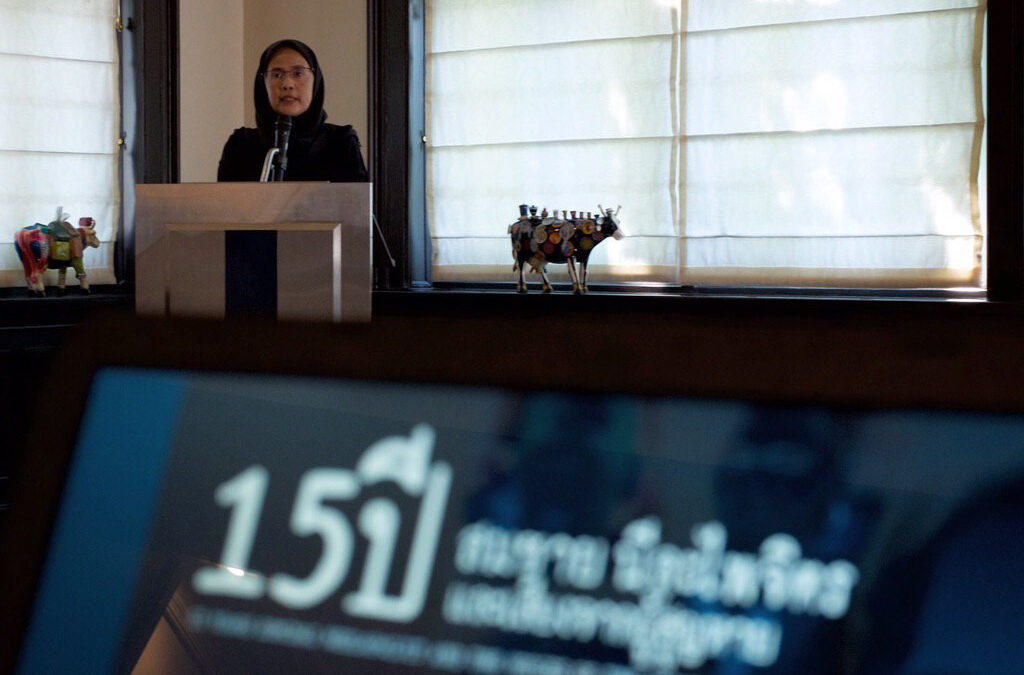
Today, the ICJ co-hosted an art exhibition and public forum titled 15th Year of Somchai’s Disappearance and the Voices of the Disappeared at the Embassy of the Netherlands in Bangkok.
The event was held to commemorate 15 years since the enforced disappearance of Somchai Neelapaijit, a prominent human rights lawyer, whose case has never been adequately by the Thai authorities.
Somchai was abducted after being stopped on a road in Bangkok on 12 March 2004 and taken from his car by a group of police officers. He has not been seen since. Fifteen years after his disappearance, Somchai’s fate and whereabouts remain unknown and no one has been held accountable for the crime against him.
More than 100 participants attended the event, including family victims of alleged disappearance cases, students, lawyers, members of civil society, diplomats, and members of the Thai authorities and media.
Opening remarks were delivered by Angkhana Neelapaijit, wife of Somchai Neelapaijit, and Kenza Tarqaât, First Secretary of the Embassy of the Netherlands in Bangkok.
The opening session included remarks by the victims who spoke about their challenges and about the progress and development regarding investigations into the alleged disappearance cases of their relatives. The session included the following speakers:
Sanhawan Srisod, the ICJ’s National Legal Adviser, spoke during the second session on recent amendments to the Draft Prevention and Suppression of Torture and Enforced Disappearance Act.
She highlighted concerns that the recent amendments would, if adopted, fail to bring the law into full compliance with Thailand’s international human rights obligations.
Sanhawan further expressed concern that the fate of the Draft Act was uncertain as Thailand’s National Legislative Assembly (NLA) that is considering the bill, while it may also continue their work in case of the necessity, will stop considering laws on 15 March, prior to the scheduled elections of 24 March 2019.
She stressed that it is crucial the Thai Government continues to consider and amend the bill, and pass it without delay in line with Thailand’s international human rights obligations.
The panel was moderated by Chanatip Tatiyakaroonwong from Cross-Cultural Foundation and also included the following panelists:
- Nongporn Roongpetchwong, Human Rights Expert, Rights and Liberties Protection Department, Ministry of Justice
- Badar Farrukh, Thailand Team Leader, United Nations’ Office of the High Commissioner for Human Rights (OHCHR) Regional Office for South East Asia
Closing remarks was delivered by Pratubjit Neelapaijit, daughter of Somchai Neelapaijit.
The forum was co-organized with the Neelapaijit family, Amnesty International – Thailand, Cross Cultural Foundation (CrCF), the Embassy of the Netherlands in Bangkok, Human Rights Lawyers’ Association and the United Nations’ Office of the High Commissioner for Human Rights (OHCHR) Regional Office for South East Asia.
Read Also:
Thailand-Summary ICJ analysis Draft Act-Advocacy-2019-ENG (Summary of the ICJ analysis of the Draft Act, in PDF)
Ten Years Without Truth: Somchai Neelapaijit and Enforced Disappearances in Thailand
Missed Opportunities: Recommendations for Investigating the Disappearance of Sombath Somphone
Thailand: ICJ submits recommendations on draft law on torture and enforced disappearance amendments
Thailand: ICJ, Amnesty advise changes to proposed legislation on torture and enforced disappearances
Mar 12, 2019 | Events, News
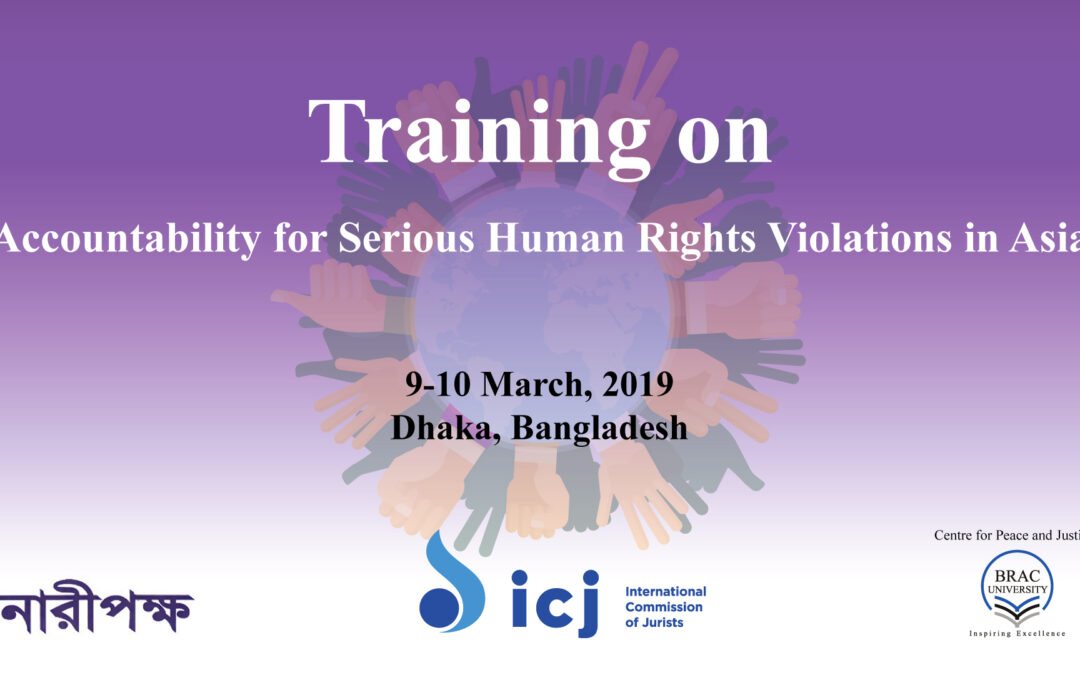
The ICJ convened a two-day workshop from 9th to 10th March 2019 in Dhaka, Bangladesh to discuss applicable international legal mechanisms designed to achieve accountability for serious human rights violations in Asia.
Bangladesh-based non-government organizations the Centre for Peace and Justice and Naripokkho co-hosted the event with the ICJ, with a representative of AJAR (Asia Justice and Rights) also joining. Twenty Bangladeshi lawyers, activists and academics attended the event.
Legal advisers from the ICJ provided an overview of the Independent Investigative Mechanism for Myanmar (IIMM), currently being established following a UN Human Rights Council resolution in September 2018.
They also discussed the structure and procedures of the International Criminal Court (ICC), whose prosecutors are currently conducting a preliminary examination into the deportation of Rohingyas from Myanmar into Bangladesh. Unlike Myanmar, Bangladesh is a State Party to the Rome Statute of the ICC, and its pre-trial chamber has indicated the Court has jurisdiction over crimes listed in the Rome Stature were one element, or part of a crime, was committed inside the territory of Bangladesh.
AJAR’s co-founder provided an overview of transitional justice processes, drawing upon international and regional experiences of truth-seeking, prosecutions, reparations and reforms to guarantee non-repetition of human rights violations.
Two of the ICJ’s legal advisers also travelled to Cox’s Bazar, Bangladesh, where they met relevant stakeholders to discuss the situation of Rohingya refugees from Myanmar, and to share information about accountability mechanisms, including about expected timelines, outcomes and limitations.
The activity is part of the ICJ’s global work on promoting accountability and redress for gross human rights violations to facilitate justice and deter repetition.
Contact: Kingsley Abbott, ICJ Senior Legal Advisor for Global Redress and Accountability e: kingsley.abbott@icj.org