Nov 26, 2019 | News
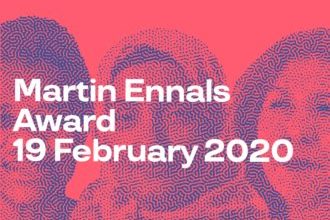
Three exceptional women – Huda Al-Sarari, Norma Ledezma and Sizani Ngubane – are the finalists for the 2020 Martin Ennals Award, a demonstration of the leading position now occupied by women in the defence of human rights. The ICJ is member of the MEA Jury.
In Yemen, Huda Al-Sarari has exposed and challenged the existence of secret prisons and many cases of torture.
In Mexico, Norma Ledezma is fighting against femicides and disappearances.
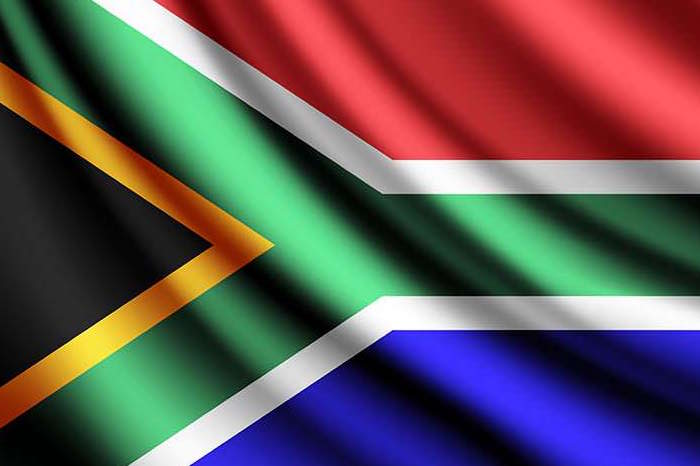
In South Africa, Sizani Ngubane is fighting for access for women to education and to land.
Three women nominated: a first
Each year, the Martin Ennals Award rewards human rights defenders from around the world who distinguish themselves by their strong commitment to promoting human rights – often at the risk of their own lives.
In 2020, for the first time the Jury nominated three women who defend the fundamental rights of their communities in sensitive contexts.
“The Martin Ennals Foundation is proud to recognize the courageous work of three women. For the 2020 edition, our Jury’s choice reflects the ever-greater global impetus of individuals – whatever their gender – who are committed to respect for human rights and women’s rights in particular,” said Isabel de Sola, Director of the Martin Ennals Foundation.
“The finalists for the 2020 Martin Ennals Award work on different continents, but all three have in common their resilience, determination, a tremendous rigour and, finally, the positive and concrete impact of their work,” added Hans Thoolen, Chairman of the Jury.
In Yemen, where the conflict has been ongoing since 2005, Huda Al-Sarari, a Yemeni lawyer, unveiled the existence of several secret detention centres where the worst violations of human rights were committed: torture, disappearances or even extrajudicial executions.
In South Africa, women face discrimination, the worst expression of which is widespread gender violence. In rural communities, they frequently have their land expropriated and are deprived of access to education and justice. Sizani Ngubane founded an organization of more than 50,000 women from rural areas in her country and has fought successfully for over 40 years for the recognition of their rights.
In Mexico, the civil population is paying a high price for the weakness of the rule of law which is underpins widespread violence and impunity. Women are the primary victims, with more than 3,500 femicides committed each year. Norma Ledezma, who is the mother of one of the victims, puts all her energy into supporting families seeking access to justice in the state of Chihuahua.
The finalists were selected by a jury made up of representatives of ten of the world’s leading human rights organizations: the ICJ, Amnesty International, Human Rights Watch, Human Rights First, International Federation for Human Rights, World Organisation Against Torture, Front Line Defenders, EWDE Germany, International Service for Human Rights and HURIDOCS.
The 2020 Martin Ennals Award will be given to one of the three finalists on 19 February 2020 at a livestreamed public ceremony. The event is hosted by the City of Geneva which, as part of its commitment to human rights, is a longstanding supporter of the Award.
Contact
Olivier van Bogaert, Director Media & Communications, ICJ representative in the MEA Jury, t: +41 22 979 38 08 ; e: olivier.vanbogaert(a)icj.org
Chloé Bitton, Communications Manager, Martin Ennals Foundation, t +41 22 809 49 25 e: cbitton(a)martinennalsaward.org
Universal-MEA2020bios-News-2019-ENG (full bios of finalists, in PDF)
Universal-MEA2020bios-News-2019-ARA (full story and bios of finalists in Arabic, PDF)
Nov 25, 2019 | Multimedia items, News, Video clips
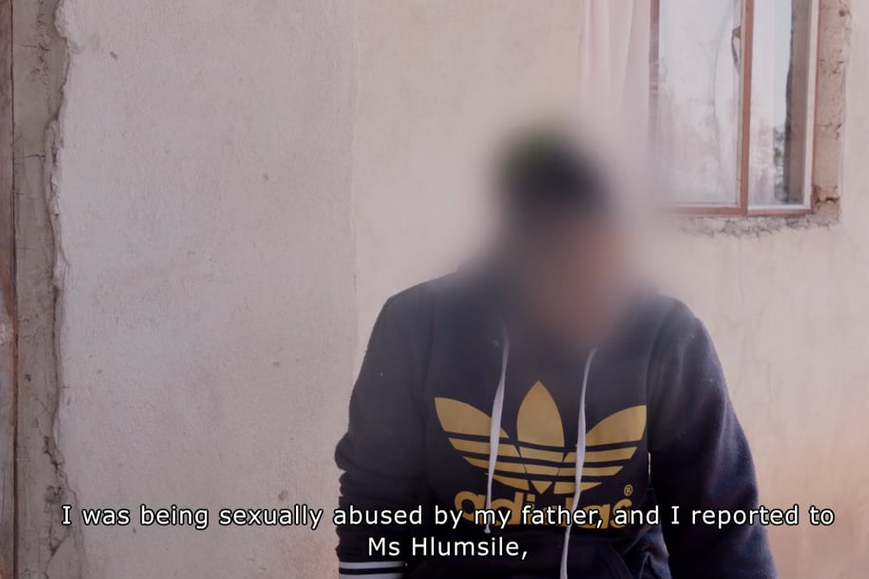
The ICJ just launched a 15 minute documentary showing contributions by the ICJ and local human rights defenders in bringing the Sexual Offences and Domestic Violence (SODV) Act to pass in Mbabane, Eswatini.
The documentary was launched at an SODV Act media training held with the Cooperation for the Development of Emerging Countries (Cospe) and the Editor’s Forum. The training was aimed at taking a human rights-based approach to understanding the Act, following pushback from those who have expressed the view that parts of the Act are an as an affront to Swazi tradition and culture.
In an effort to combat the various challenges presented by SGBV, the Kingdom of Eswatini introduced the Sexual Offences and Domestic Violence (SODV) Act in 2018. The Act complies with its commitments under international and regional human rights law to fight the scourge of SGBV in the country.
The documentary highlights the way in which the Act is expected to be instrumental in combatting the scourge of sexual and gender-based violence, as well as areas in which it has been contested. The documentary was well-received by participants of the training and opened up an engaging dialogue about its usefulness.
The media is at the forefront of informing public discourse about the Act and it is hoped that this training provided some much-needed clarity around the Act.
Watch the documentary:
Contact
Khanyo Farisè (Legal Associate): e: Nokukhanya.Farise(a)icj.org
Shaazia Ebrahim (Media Officer): e: shaazia.ebrahim(a)icj.org
Nov 22, 2019 | News
A wide range of stakeholders in Mbabane, Eswatini came together to discuss the challenges they face in combating sexual and gender-based violence (SGBV) in the country.
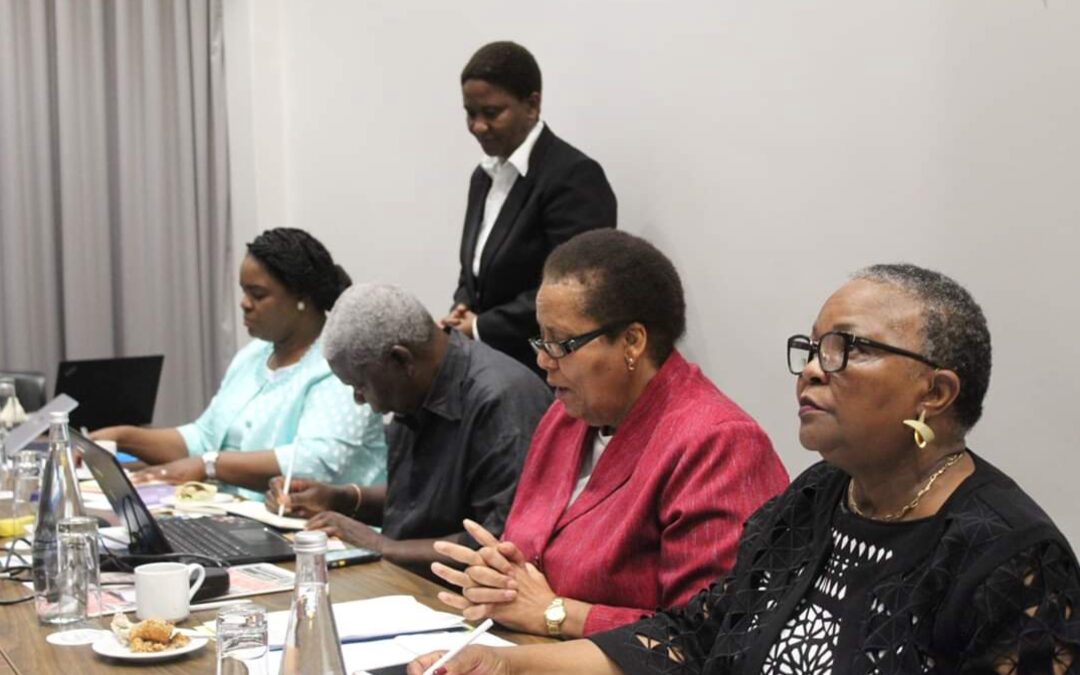
On 21 November, the ICJ hosted a symposium with representatives of the Attorney General, Ministry of Justice, police, Human Rights Commission and Law Society on cases involving economic, social, and cultural rights and SGBV. The event was followed by an integrated meeting involving State officials in the justice sector to discuss the implementation of the Sexual Offences and Domestic Violence (SODV) Act was discussed.
The Kingdom of Eswatini faces widespread instances of SGBV and it is hoped that new initiatives, such the enactment of the Sexual Offences and Domestic Violence (SODV) Act in 2018, will be effective in addressing the scourge of SGBV in the country.
The symposium was led by Justice Qinisile Mabuza, Principal Judge of the Eswatini High Court and ICJ Commissioner, accompanied by ICJ Commissioners Justice Sanji Monageng of Botswana and Professor Michelo Hansugule of the University of Pretoria, and Justice of the High Court in Zimbabwe Amy Tsanga. The ICJ’s Senior International Legal Adviser Emerlynne Gil gave a presentation on gender stereotypes and international legal standards on SGBV ICJ Africa legal associate Khanyo Farisè and ICJ consultant Mary Pais Da Silva also participated in the symposium.
Speakers emphasized the critical role of the judiciary and other justice sector actors in ensuring that Eswatini meets its legal obligations under international human rights law, including standards governing the African region, to protect survivors of SGBV.
“The judiciary is a critical component in the intervention against SGBV. The judges have to know about human rights, appreciate what SGBV actually entails, understand what those violations mean, and the international standards and local roles where they exist. Judges also should be able to use jurisprudence from other jurisdictions to justify their decisions,” Commissioner Monageng said.
The participants of the symposium, were subsequently joined by representatives from the Department of Public Prosecutions (DPP), the One Stop Care Centre for sexual violence survivors, and the Deputy Prime Minister’s Office, came together to discuss the implementation of the SODV Act. Recommendations included better collaboration with judicial actors, the training of law enforcement agencies on receiving report of sexual violence, better case management and the development of forensic laboratories were made.
Contact
Khanyo Farisè (Legal Associate): e: Nokukhanya.Farise(a)icj.org
Shaazia Ebrahim (Media Officer): e: shaazia.ebrahim(a)icj.org
Nov 16, 2019 | News
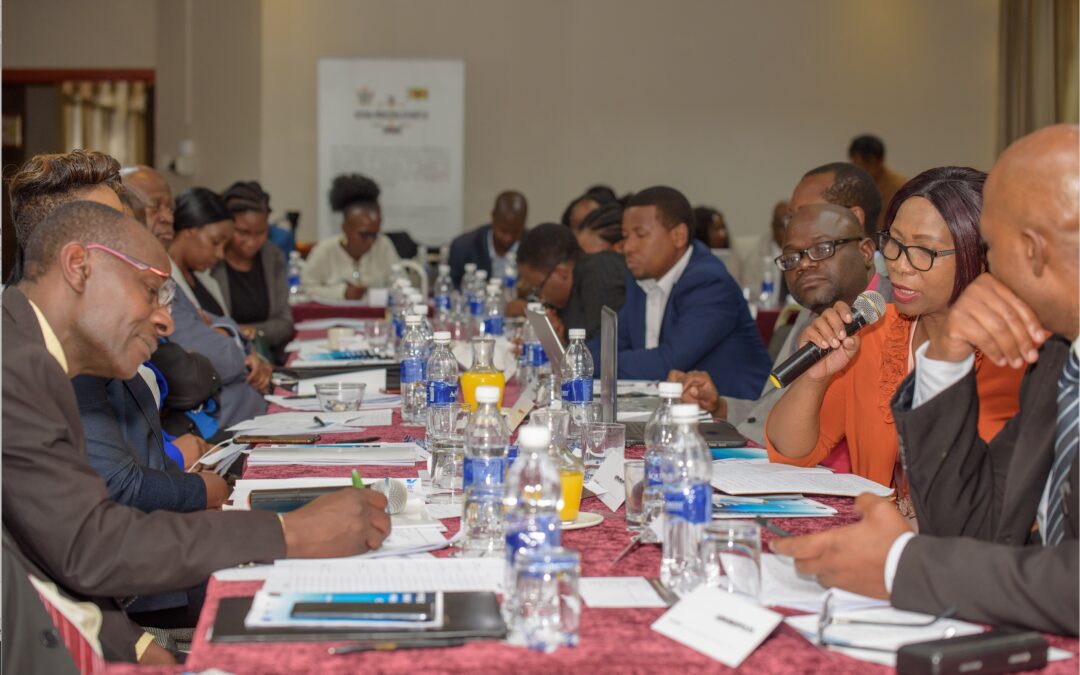
The ICJ, in collaboration with the Zimbabwe Anti-Corruption Commission (ZACC) and the National Prosecuting Authority (NPA), convened a two-day workshop on 14-15 November 2019. The objective of the workshop was to strengthen the capacities of investigators and prosecutors to effectively investigate and prosecute cases of corruption.
The Deputy Chairperson of ZACC Mr Kuziva Murapa, noted that the training as meant to impart critical skills to the investigators and prosecutors in the fight against corruption. He noted further that the two institutions were being trained together so as to exchange knowledge and create a common understanding of standards and techniques to be applied when handling corruption matters. Noting that the Commission‘s powers include cooperation with other law enforcement agencies, Mr Murapa urged ZACC and NPA to cooperate in the fight against corruption in Zimbabwe.
The training workshop is part of the ICJ’s in-country programming which aims to increase transparency and integrity in the justice delivery in order to increase access to justice for all especially women and marginalized and disadvantaged groups.
This training workshop focuses on crimes associated with corruption, evidence gathering, expert evidence, understanding forensic audit reports, criminal procedure, the importance of closing submissions, regional and international standards for combatting corruption and asset forfeiture.
The participants for this meeting included; 20 investigating officers and 20 prosecutors stationed in Harare. Overall, there were 20 female and 23 male participants in attendance at the workshop.
Nov 4, 2019 | News
The ICJ today expressed its grave concern at the conduct of police forces in their enforcement of a court order to remove refugees and asylum seekers from the offices of the United Nations High Commission for Refugees (UNHCR) in Cape Town on October 30.
Police appeared to be using excessive and unlawful force, resulting in injuries to some protestors.
The ICJ called for a prompt independent, impartial, and through investigation into the police conduct, with a view to holding account officials responsible for any ill-treatment and to prevent such methods of policing to recur.
While trying to remove largely peaceful protestors from the premises, police fired rubber bullets and stun grenades against refugees who were protesting in the streets of Cape Town last week. A video clip widely shared on social media showed police ripped a baby from a woman.
The court had granted an interdict to remove the group in Cape Town on October 18 at the Cape Town Magistrate’s Court following an application by the building landlord to evict the group. More than 100 protestors were arrested and released on warnings.
“The way refugees were treated in Cape Town on Wednesday is shameful. South African authorities should be acting to protect migrants from the xenophobic violence and threats they have been experiencing, not to perpetuate them,” said Arnold Tsunga, ICJ Africa regional director.
Refugees and asylum seekers had staged a sit-in outside the UNHCR offices in Cape Town and Pretoria for four weeks now, pleading to be resettled outside of South Africa, claiming that they felt unsafe. They said that recent attacks on foreign nationals left them feeling unsafe in South Africa. (Read the ICJ statement on the attacks here.)
In a statement, the UNHCR said the organization had received concerns of personal safety, access to documentation, challenges accessing services, and lack of job opportunities from the asylum seekers and refugees who had been camping outside of its offices.
The statement also indicated that some of the protesting group had demanded resettlements, which were only available for a limited number of vulnerable refugees. The UNHCR said it had been engaging with the refugees and asylum seekers since the protests began, encouraging them to participate in constructive dialogue to address their grievances and find a peaceful resolution to the situation.
“We call on South African authorities the United Nations Human Rights Council (UNHRC) to urgently address migrants’ concerns in a constructive and amicable manner before the situation escalates further,” Tsunga added.
Background
South African law and international law forbid the unnecessary and disproportionate use of force and protect people from ill-treatment. .
The UN Basic Principles on the Use of Force and Firearms by Law Enforcement Standards provides that law enforcement officials must use restraint and may use force only where only where strictly necessary, and any such force must be proportionate to the legitimate object, such as making a lawful arrest and protecting the lives and safety of others.
South Africa is party of the African Charter of Human and Peoples Rights and the International Covenant on Civil and Political Rights, both of which guaranteed from torture and cruel, inhuman or degrading treatment, including that resulting from unlawful use of force.
Contact
Arnold Tsunga (Director): c: +26 37 7728 3249 e: arnold.tsunga(a)icj.org
Shaazia Ebrahim (Media Officer): c: +27 71 670 6719 e: shaazia.ebrahim(a)icj.org