Mar 28, 2019 | Advocacy, Non-legal submissions
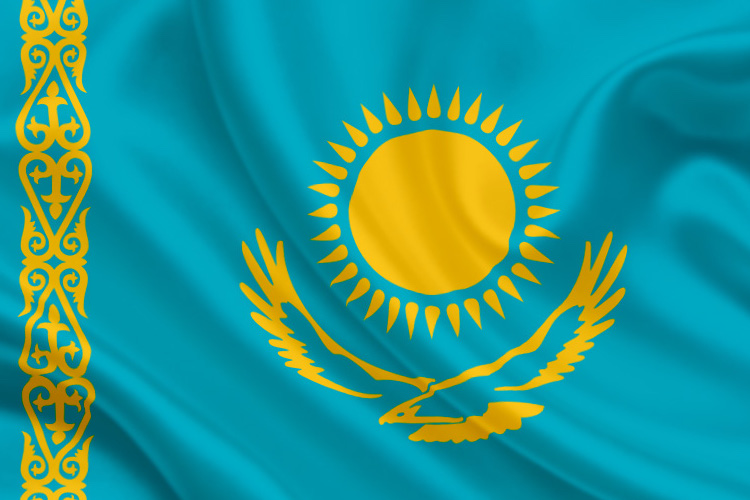
Today, the ICJ filed a submission to the Human Rights Council’s Working Group on the Universal Periodic Review in advance of its review of Kazakhstan’s human rights record in October-November 2019.
In its submission, the ICJ considered the situation with the independence of the legal profession in Kazakhstan and provided information on the status of international human rights treaties ratified by Kazakhstan.
The ICJ called on the Human Rights Council and the Working Group to recommend Kazakhstan:
• to amend the current legislation to ensure that representatives of the executive, such as the Ministry of Justice, are not included in the disciplinary bodies of the legal profession;
• to amend the current legislation to ensure that the qualification procedures are fully governed by the legal profession in Kazakhstan in line with international law and standards on the role of lawyers; in particular, the Qualification Commissions should be bodies of the Bar Association while their composition should predominantly consist of lawyers delegated by the Bar Association itself;
• to ensure that as the main stakeholder in any reforms affecting the legal profession, the Bar Association participates in such reforms in a meaningful way;
• to take effective measures to prevent further interference by the executive and law enforcement bodies in the exercise of lawyers’ professional duties, in particular prevent the practice of bringing disciplinary complaints against lawyers solely for their defence of their clients or legitimate exercise of their right of freedom of expression;
• to ensure that the right of lawyers to freedom of expression is respected, especially in regard to matters of public interest and law.
Furthermore the ICJ suggested:
• To ratify the Agreement on the Privileges and Immunities of the International Criminal Court.
• To ratify the Optional Protocol to the Covenant on Economic Social and Cultural Rights and International Convention on the Protection of the Rights of All Migrant Workers and Members of their Families as well as the Second Optional Protocol to the International Covenant on civil and Political Rights.
Kazakhstan-ICJ UPR 2019-Advocacy-Non legal submissions-2019-ENG (full text of submission, in PDF)
Mar 12, 2019 | News
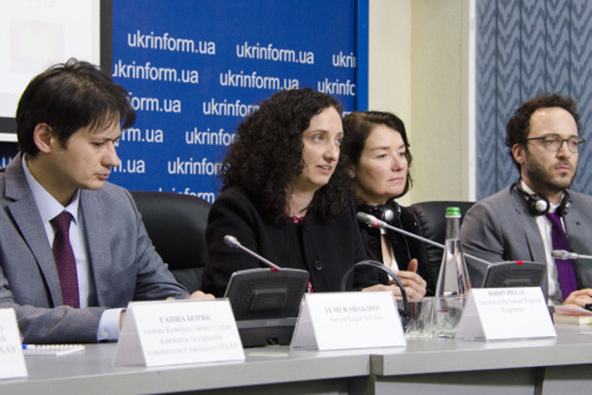
Following its mission to Ukraine on 4-8 March, the ICJ has called on the Ukrainian authorities to take urgent steps to ensure the physical safety of lawyers and to bring to justice those responsible for a series of violent attacks against them.
During its visit, the ICJ delegation heard consistent testimony of attacks on lawyers by private persons, ranging from acts of intimidation to use of firearms against them.
Several lawyers have been attacked physically and verbally by individuals or organized groups, including in court. At least six lawyers have recently been killed in relation to the exercise of their professional duties.
These attacks take place in an environment where legislative reforms directed at governance of the legal profession, which would have grave consequences for freedom of association and the functioning of the bar association and civil society, have been proposed by the Presidential Administration without consultation with lawyers.
Without urgent and significant efforts to prevent attacks and combat impunity, the independence of the legal profession, and the ability of lawyers to protect human rights, will be increasingly jeopardized, the ICJ concluded at the end of its mission to the country.
It is of concern that violent attacks against lawyers, many of which have been credibly attributed to extreme right-wing groups, often result in impunity of the perpetrators, despite evidence and despite specific provisions in the criminal law which protect lawyers against attacks.
The ICJ heard that the law enforcement bodies often fail to investigate these cases in a prompt and impartial manner even where the identity of perpetrators is known.
The ICJ stresses that these attacks on lawyers, which are often related to the defence of clients in politically sensitive criminal cases, undermine the ability of lawyers to exercise their duties and protect the human rights of their clients, free from intimidation, hindrance, harassment or improper interference.
Furthermore, the ICJ recalls that under international human rights law, the State must take steps to protect the security of persons who the authorities know or ought to know are under threat, and they must ensure an independent, prompt, and thorough investigation of any attacks on the life or physical integrity of individuals.
In this regard, the ICJ stresses that a well-functioning, independent legal profession is essential to any justice system that upholds the rule of law. International standards recognize the importance of lawyers in protecting human rights and the contribution they make to maintaining the rule of law and the fair administration of justice.
The UN Basic Principles on the Role of Lawyers emphasize the importance of the independence of bar associations in ensuring the fair and effective administration of justice. Such associations must be institutionally independent, both in law and in practice, from all external actors, including the government, other executive agencies, parliaments and outside private interests.
In light of these standards, the ICJ is concerned about the process of adoption of draft law No 9055 “On the Bar Association and Lawyers’ Activity”, which was drafted without the necessary level of consultation and participation of a main stakeholder, the National Bar Association of Ukraine, which strongly opposes it.
It is unacceptable that in this context the draft law had been submitted to the Parliament through an urgent procedure, the need for which appears to be dubious, the ICJ says.
If adopted without the necessary consultation and endorsement by the Bar Association, this law may pose a threat to the independence of the legal profession in Ukraine and the capacity of civil society, including human rights defenders, to carry out their critical work, the Geneva-based organization adds.
The ICJ is particularly concerned that according to the draft law, lawyers would not be able to be employed by NGOs while being members of the Bar Association.
While international practice may differ, in the context of Ukraine specifically, this may undermine the ability of human rights NGOs to provide qualified legal representation or assistance to those whose human rights have been violated.
The ICJ further noted consistent allegations of corruption and lack of integrity of lawyers including in the context of legal aid system.
It also appears that the examination process for qualification as a lawyer, especially in some regions, is not free from corruption. Until now, the Bar Association has not been able to effectively resolve this problem which must be addressed as a matter of urgency.
The mission to Ukraine included members of the ICJ Secretariat as well as representatives of the Amsterdam and Geneva Bar Associations. It met with leading human rights NGOs, IGOs, the members of the Ukrainian National Bar Association as well as representatives of the Ministry of Justice of Ukraine.
The ICJ wishes to thank all those whom its representatives met in Kyiv. A final report based on the key findings of the mission will be published later this year.
Mar 12, 2019 | Multimedia items, News, Video clips
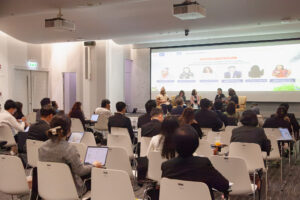
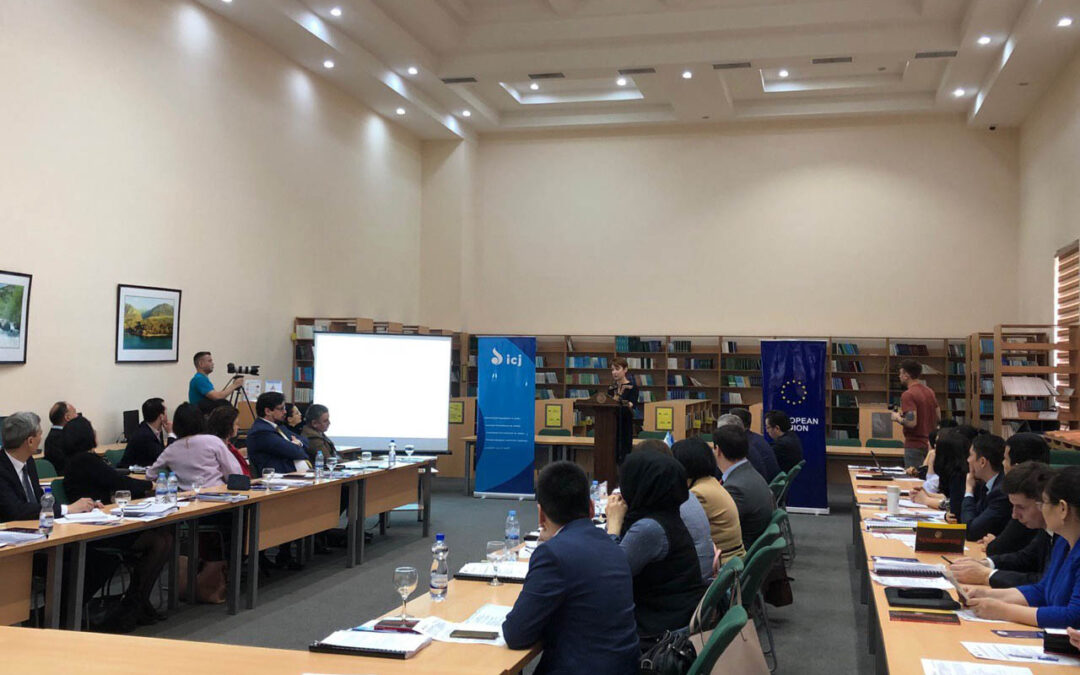
Today, the ICJ and the Tashkent State University of Law (TSUL) in partnership with the UN Human Rights Office in Central Asia are organizing this event. The topic of the Third Expert Discussion is rights of persons with disabilities.
The Expert Discussions are part of “Access to Justice in Economic, Social and Cultural Rights Project (ACCESS)” supported by the European Union.
The Expert Discussions are aimed at increasing awareness about the implementation of international law and standards on ESC rights by national courts, to facilitate access to justice in relation to ESC rights and effective use of international human rights law for ESC rights at the national level.
Each Expert Discussion is supported by presentations of international and national experts.
The first experts’ meeting was held in September 2018 on international standards in labour rights, and the second meeting – held in December 2018 – on the principle of non-discrimination in courts and court decisions.
The two events brought together lawyers, defense lawyers, individual experts, academia representatives and law students via interactive discussions, research papers, peer review articles and policy papers. Selected papers will be published in collection of scientific articles by the end of 2019.
Mansurkhon Kamalov, the Deputy Rector of TSUL, said: “We have already held two expert discussions on the right to work and the principle of non-discrimination in courts together with the ICJ with the support of the European Union. Each event touched upon international and national standards and legal regulation of specific ESC rights. Our meeting today is organized on the eve of celebrating the day when independent Uzbekistan became a full member of the UN; and it raises a very relevant topic not only for the country, but also for the international community as a whole. The TSUL is pleased to cooperate with the ICJ, which helps increase public awareness about international legal norms and standards in the field of ESC rights and practice of their implementation at the national and international level; access to justice with regard to ESC rights, as well as the effective use of international human rights law to protect these rights at the national level.”
Ryszard Komenda, Head of the UN Human Rights Office in Central Asia, said: “Today, about 10 per cents of the population are persons with disabilities. Persons with disabilities are the largest minority in the world. This figure is constantly increasing as a result of demographic growth, progress in healthcare systems, and the overall population aging patterns, according to WHO’s world data. In the framework of the Universal periodic review (UPR) of Uzbekistan, that was held for the third time in May 2018, a number of the UN Human Rights Council members called on Uzbekistan to ratify the Convention on the Rights of Persons with Disabilities and welcomed measures that have been already in the process of implementation with the aim to ensure the rights of persons with disabilities in the country. According to the UPR outcome document, the Republic of Uzbekistan accepted relevant recommendations and declared its intention to ratify the Convention. Ratification of the Convention on the Rights of Persons with Disabilities will be a significant step in further promoting and ensuring implementation of international human rights standards in the Republic of Uzbekistan.”
Dmitriy Nurumov, ICJ Legal Consultant, said: “Access to justice, which includes a fair trial and equality before the law, is of particular importance for people living with a disability, who often face inter-sectional and multiple barriers to access justice. The ICJ believes that inclusive societies in which all individuals have equal access to justice, require identifying and overcoming systemic and practical barriers that hamper equal access to justice, including in enjoyment of ESC rights. The ICJ hopes that today’s discussion will map out such existing barriers and the ways they can be overcome.”
Contact:
Dilfuza Kurolova, ICJ Legal consultant, t: +998 90 9050099 ; e: dilfuza.kurolova(a)icj.org
Watch the video here:
Mar 12, 2019 | Advocacy, Non-legal submissions
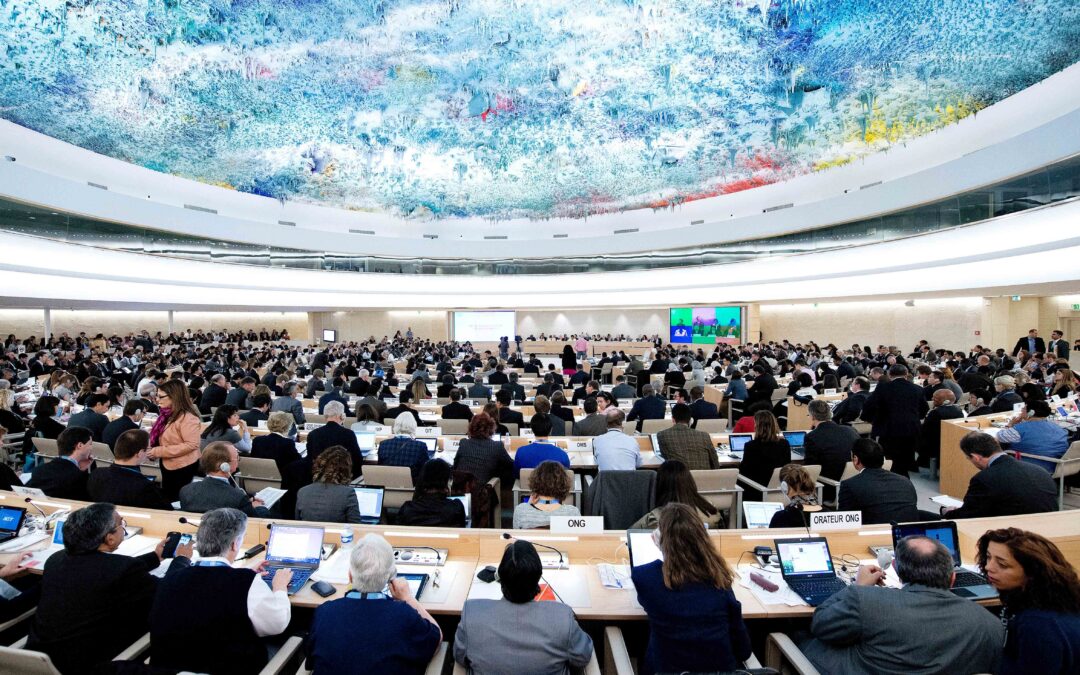
The ICJ today highlighted threats to the rule of law in Turkey, Poland, Hungary and Azerbaijan, and the need to address corporate complicity in South Sudan, at the UN Human Rights Council in Geneva.The statement, delivered during general debate, read as follows:
“The situation remains grave for the rule of law and legal protection of human rights in Turkey and Poland.
In Turkey, constitutional reforms in 2017 that undermined the independence of the judiciary should be abolished. Civil society members are prosecuted under overbroad and vague terrorism offences.
In Poland, the Legislature is trying arbitrarily to remove one third of the Supreme Court, a measure that is on hold only temporarily. Unjustified disciplinary proceedings are also being pursued against Polish judges for having sought a ruling of the Court of Justice of the EU.
Elsewhere, in Hungary civil society is ostracized and subject to legislation that risks criminalizing their legitimate activities. In Azerbaijan, as one example of a broader pattern of interference with lawyers and other human rights defenders, lawyer Elchin Sadigov was reprimanded for advising in a confidential manner to his client in detention to complain about torture to which he allegedly had been subjected.
The ICJ is also concerned at the findings by the Commission on Human Rights in South Sudan (A/HRC/40/69, A/HRC/40/CRP.1) that point to the oil industry as a “major driver” in the continuation of the armed conflict and resulting human rights violations. Potential corporate complicity with crimes under international law demand investigation and a strong monitoring mechanism for the use of oil revenues should be established.”
Mar 6, 2019 | News
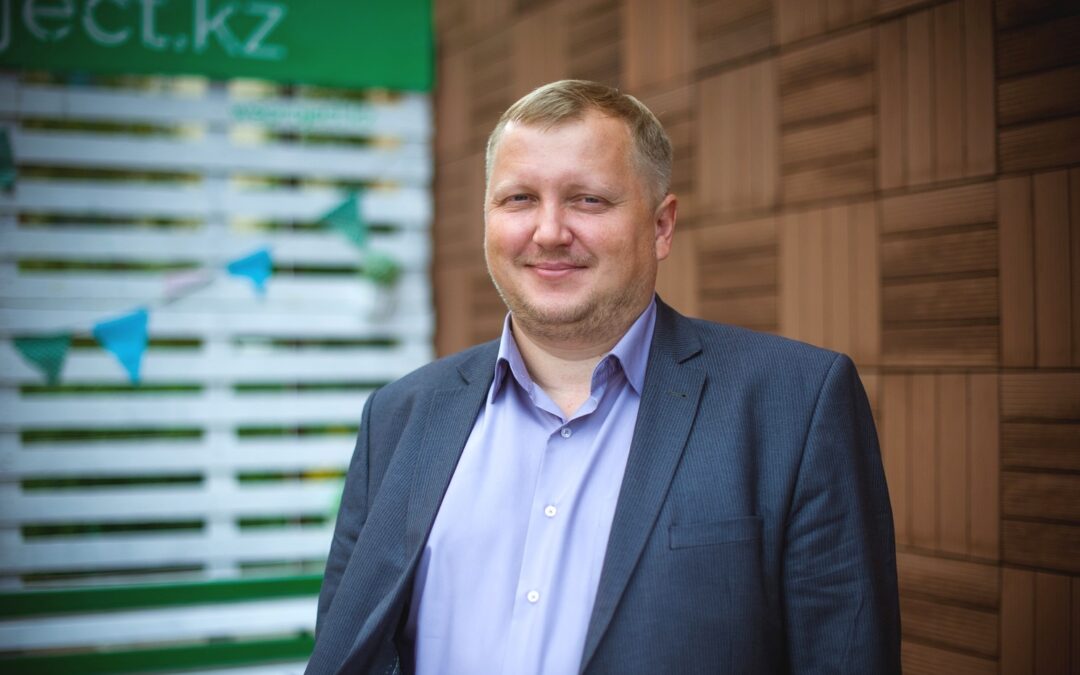
Today, the ICJ expressed concern at the initiation of disbarment proceedings by the Ministry of Justice of Kazakhstan against Sergey Sizintsev, former Executive Director of the National Bar Association and the newly-elected head of the Scientific-Consultative Board of the National Bar Association.
The official ground for disbarment of Sizintsev is his work as the Director the National Bar Association in 2016-2018 while continuing his legal practice at the same time.
On his facebook public account, however, Sizintsev alleged that this initiative is not related to the officially stated grounds, and that in fact continuing to practice while working as Director of the Bar Association is clearly permitted by the Kazakhstan’s law. Rather, he alleges, he is being pursued for his criticism of the law “On lawyers’ activity and legal aid” as well as his public statements in different international and national fora in regard to issues related to the independence of the legal profession.
The ICJ recalls that freedom of expression and association, in particular, constitute essential requirements for the proper and independent functioning of the legal profession and must be guaranteed by law and in practice.
According to Principle 23 of the UN Basic Principles on the Role of Lawyers, lawyers “[…] have the right to take part in public discussion of matters concerning the law, the administration of justice and the promotion and protection of human rights and to join or form local, national or international organizations and attend their meetings, without suffering professional restrictions by reason of their lawful action or their membership in a lawful organization. In exercising these rights, lawyers shall always conduct themselves in accordance with the law and the recognized standards and ethics of the legal profession.”
Sergey Sizintsev as Executive Director of the National Bar Association and as a member of the Parliament working group on the Law on Lawyers’ Activities, was expected to voice concerns of members of the legal position including on the new law which the legal profession consider to be restrictive.
Moreover, his position demanded that he expresses his position on behalf of the National Bar Association including to draw attention to legislative developments which can jeopardise the independence of the legal profession in Kazakhstan.
The ICJ is concerned that this initiative appears to constitute an attack on the independence of lawyers in Kazakhstan and may have a chilling effect on members of the legal profession.
The ICJ therefore calls on the Ministry of Justice to end this lawsuit immediately.
The ICJ will closely follow the case of Sergei Sizintsev and the proceedings at the Rayon Court in Petropavlovsk.
In December 2017, the ICJ organized a mission to Kazakhstan and raised concerns over the then planned reform.
In November 2018, the ICJ raised concern at the disbarment proceedings against Presidents of Aktybinsk and Pavlodar Bar Association as well as resignation of Anuar Tugel, the President of the National Bar Association of Kazakhstan, allegedly as a result of the pressure from the Ministry of Justice.