Nov 14, 2018 | Advocacy, Cases, Legal submissions
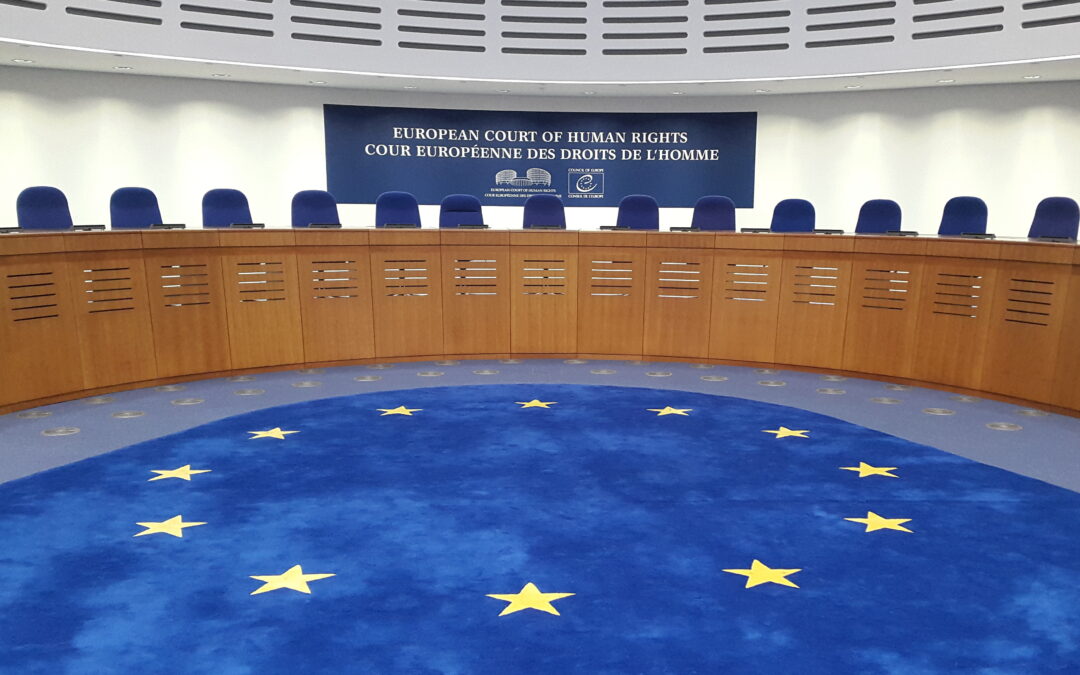
The ICJ intervened today before the European Court of Human Rights in the cases of a judge and a scholar that were arrested in the wake of the state of emergency in Turkey.
Mr Hakan Baş is a judge who was dismissed and arrested under emergency legislation following the attempted coup of 15 July 2016.
Mr Seyit Ali Ablak is a teacher and was arrested in 2017 also during the state of emergency declared following the attempted coup.
They claim, among others, the violation of their right to a judicial review of detention under articles 5.3 and 5.4 of the European Convention on Human Rights (ECHR).
In this intervention, the ICJ addressed the following issues:
- the international legal and normative framework on the independence of the judiciary and the role of judges, in particular in implementation of obligations under articles 5.3 and 5.4 ECHR;
- the current situation of the independence, governance and administration of the judiciary in Turkey, with particular regard to the Council of Judges and Prosecutors and the role of the peace judges, and their conformity with State obligations under articles 5.3 and 5.4 ECHR. The situation will be assessed with reference to the findings of an ICJ mission undertaken in May 2018 and contained in the mission report Justice Suspended.
Turkey-icj-Bas-Advocacy-legal submission-2018-ENG (download the intervention in Baş v. Turkey)
Turkey-icj-Ablak-Advocacy-legal submission-2018-ENG (download the intervention in Ablak v. Turkey)
Nov 9, 2018 | News
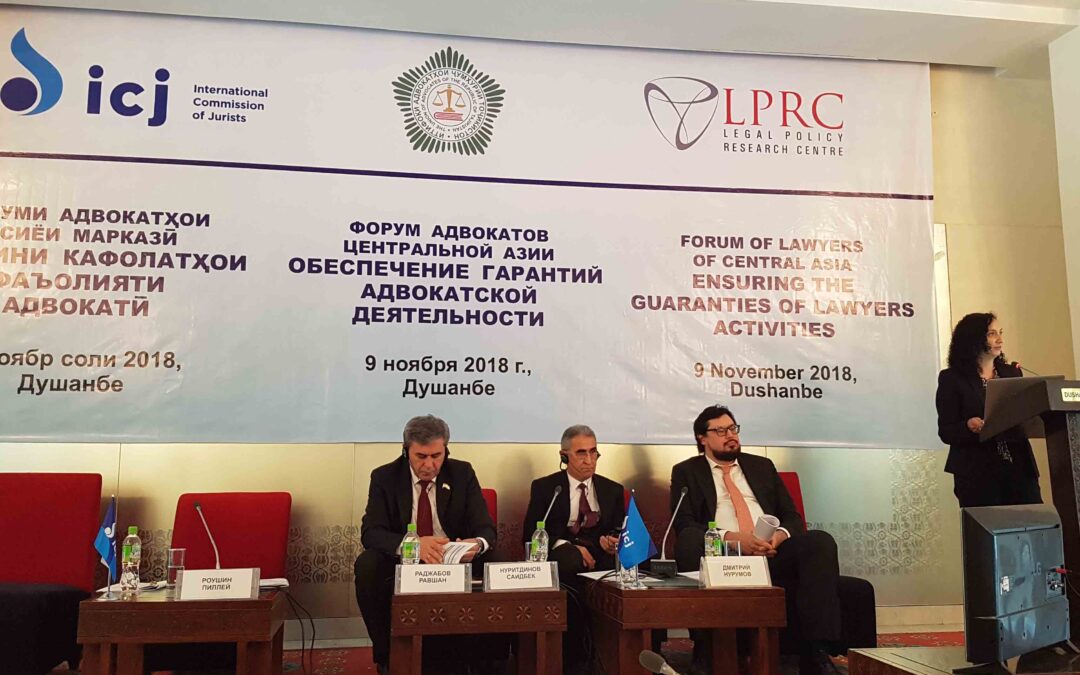
Today the ICJ, in co-operation with the Legal Policy Research Centre and the Union of Lawyers of Tajikistan, is holding a regional conference on the independence and role of lawyers, in Dushanbe.
Lawyers from Tajikistan as well as other countries of Central Asia, the Commonwealth of Independent States and Europe will discuss the legal safeguards that should apply to lawyers to ensure that they can defend the human rights of their clients and the role of bar associations in protecting the security and independence of lawyers.
They will consider the role of committees to protect the rights of lawyers, which have been established within the bar associations of several countries in the region, and how these specialized bodies can work most effectively.
A set of recommendations on the protection of lawyers in the region will be produced following the conference.
Contact:
Temur Shakirov, Senior Legal Advisor, Europe and Central Asia Programme, temur.shakirov(a)icj.org
Tajikistan-Lawyers Conference-News-Agenda-2018-ENG (Agenda, in PDF)
Nov 2, 2018 | Advocacy, Cases, Legal submissions
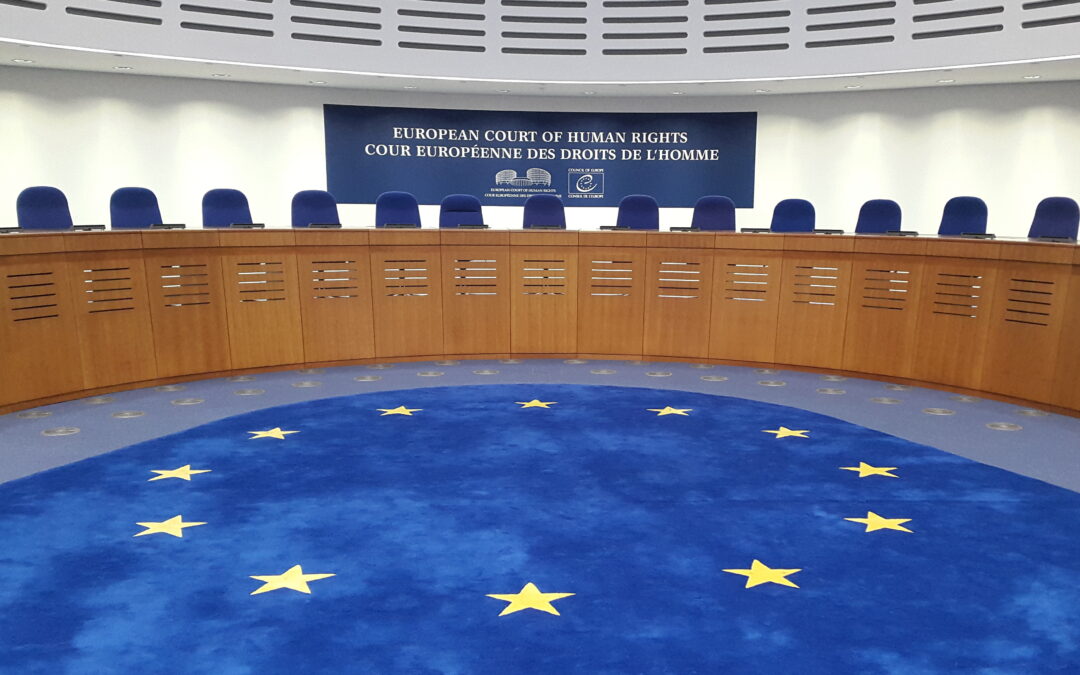
The ICJ intervened today before the European Court of Human Rights in the case of a detained Member of the Turkish Parliament from the HDP party, Ms Burcu Çelik, arrested in 2017 under “terrorism charges”.
In this submission, the ICJ provides the Court with observations concerning the capacity of the Turkish legal system to provide effective remedies for violations under the ECHR with regard to detention, in particular detention of Members of Parliament, in light of its Convention obligations, in particular obligations under Article 5.4.
The ICJ presents its analysis of these aspects of the Turkish legal system based, in part, on information ascertained during a mission to Turkey undertaken in May 2018 and in its report Justice Suspended.
Specifically, the ICJ addresses the question as to whether the remedies of individual application before the Constitutional Court (CC) and under article 141.1 (a) and (d) of the Code of Criminal Procedure (CCP) may be considered as effective in light of the State’s obligations under articles 5.4 and 35.1 ECHR.
Turkey-icj-Celik-Advocacy-legal submission-2018-ENG (download the intervention)
Oct 31, 2018 | News
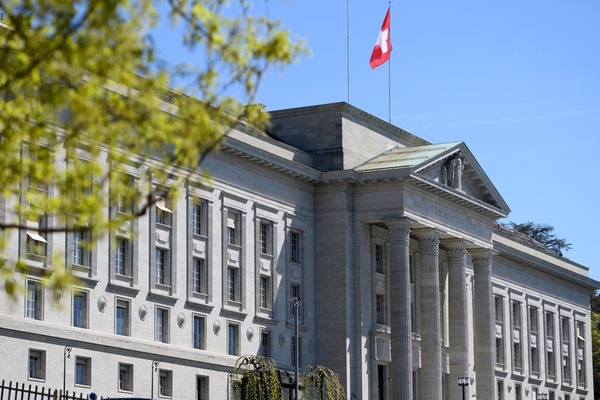
The ICJ and the Swiss Section of the ICJ called today on Swiss people to seriously consider the adverse implications, if adopted, of the popular initiative called the “Swiss law instead of foreign judges – initiative for self-determination” by its proponents. On 25 November 2018, Swiss citizens will be called to vote on this initiative.
The campaign against the initiative has identified it as an “anti-human rights” referendum.
“The initiative, if approved, would have the effect of making it very difficult for people in Switzerland to access Swiss courts to vindicate their human rights,” said Massimo Frigo, ICJ Senior Legal Adviser.
“Swiss people would lose important defences against abuses by the State or private entities,” he added.
Unlike the title suggests the scope of the initiative is directed against international law in general (except for very few existing peremptory norms) which includes international multilateral treaties or bilateral commercial and administrative agreements.
The initiative would therefore fly in the fact of a fundamental legal principle essential to the rule of law, namely that individual States cannot use their national arrangements as an excuse to avoid their international legal obligations.
“Switzerland, as home to numerous international law-making institutions, has a long and distinguished history of championing international law. Adoption of this initiative would be a blow to the country’s reputation and leadership in this area,” said Massimo Frigo.
“The role accorded to international law by the Swiss Constitution and the jurisprudence of the Swiss Supreme Court is essential to uphold reliability of Switzerland as party to international treaties, its role as central actor and generator in many fields of law including international trade, but also legal certainty in Switzerland”, said Professor Marco Sassoli, board member of the Swiss Section of the ICJ and ICJ Commissioner.
“Much of the economic and diplomatic success of Switzerland is based on its faithful adherence and promotion of international law. Essential Swiss values such as its neutrality or its commitment to the protection of war victims are based upon international law,” said Professor Sassoli.
Contrary to its title the initiative is not directed against “foreign judges” but against the practice of Swiss judges, those of the Swiss Federal Supreme Court, and neglects that the self-determination of peoples leads to their direct submission to international law and that the conclusion of treaties is an expression of and not contrary to the sovereignty of the State.
The text of this initiative if approved could lead to the erosion of primacy of international law among the sources of law in Switzerland.
The ICJ and ICJ-Swiss Section join the several NGOs, trade unions, economic actors, political parties and people of Switzerland that want to secure their rights and those of everyone in Switzerland and appeal to the voters before casting their vote to seriously consider the above arguments and not to decide based upon mere slogans such as “self-determination”, “democracy” or “foreign judges”.
Contact:
Massimo Frigo, ICJ Senior Legal Adviser, t: +41 22 979 38 05 ; e: massimo.frigo(a)icj.org
PDF available in Italian: Switzerland-25 November Referendum-News-Press Release-2018-ITA
PDF available in German: Switzerland-25 November Referendum-News-Press Release-2018-GER
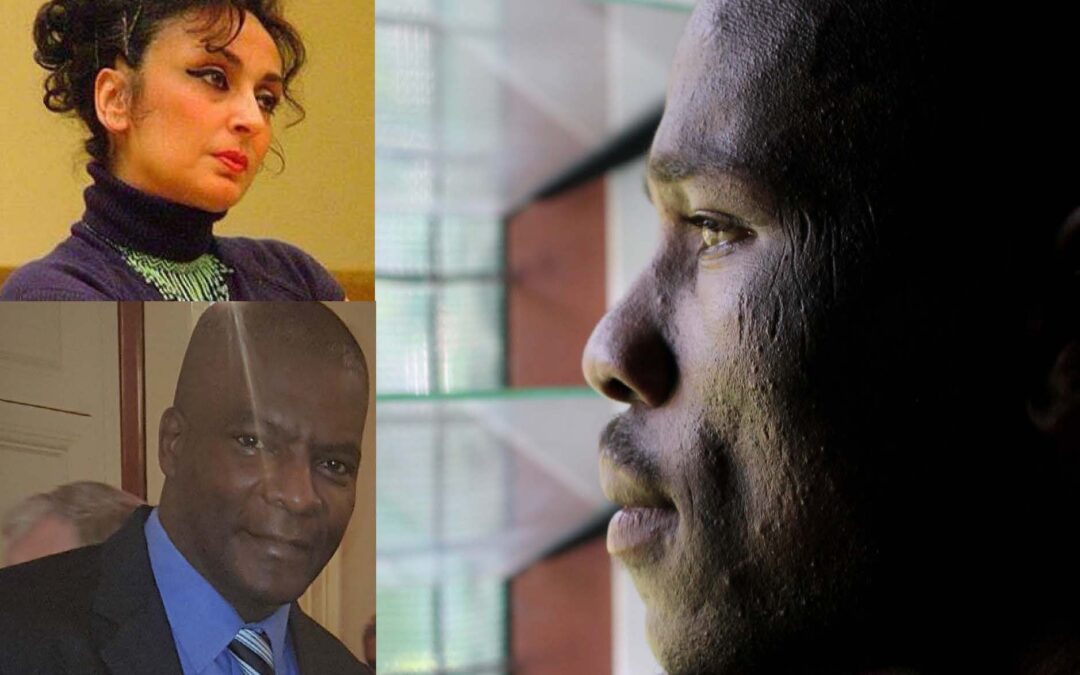
Oct 24, 2018 | News
The three finalists who will compete for this prestigious award given to human rights defenders having shown deep commitment and facing great personal risk are: Eren Keskin (Turkey), Marino Córdoba Berrio (Colombia) and Abdul Aziz Muhamat (Papua New Guinea/Australia). The ICJ is member of the MEA Jury.
The finalists were selected by the International Human Rights Community (members of the jury are the ICJ, Amnesty International, Human Rights Watch, Human Rights First, International Federation for Human Rights, World Organisation Against Torture, Front Line Defenders, EWDE Germany, International Service for Human Rights and HURIDOCS).
Nominees and laureates of the Martin Ennals Award for Human Rights Defenders (MEA) are human rights defenders that have demonstrated a deep commitment to human rights, often working under threat of imprisonment, torture, or worse.
The international recognition provided by the Award, on top of raising their profile and their work, often provides significant protection.
The 2019 Martin Ennals Award will be presented on 13 February 2019 at a ceremony hosted by the City of Geneva, which for many years has strongly supported the Award.
Eren Keskin (Turkey)
Eren Keskin (upper left corner of the picture) is a lawyer and human rights activist.
For more than thirty years, she has struggled for fundamental rights and freedoms in Turkey, especially for the Kurds, women and the LGBTI+ community.
Within the context of the worsening human rights situation in Turkey, Keskin is once again at the centre of intimidation attempts.
As part of a solidarity campaign to support the Özgür Gündem newspaper, Keskin held the title of “editor-in-chief” of the newspaper from 2013 to 2016, when it was closed by the authorities.
On 30 March 2018, she was convicted and sentenced to 12.5 years in jail for having published articles deemed to have “degraded” the Turkish nation and “insulted” the Turkish president.
She is currently free while the case is appealed.
She said: “To defend human rights is not easy in our territory. I am being prosecuted with 143 charges for my solidarity with an opposition newspaper in the context of freedom of expression. International awards and solidarity have “protective” characteristics and reassure those of us in repressive societies. It also it gives us a morale boost and helps our motivation for the struggle. Thank you for not forgetting us. Your solidarity and protection mean so much.”
Marino Córdoba Berrio (Colombia)
A member of the Afro-Colombian ethnic group, Marino Córdoba Berrio (bottom left corner of the picture) led his community as they faced the loss of their land to powerful commercial interests, notably in logging and mining.
After successfully working towards the legal recognition of their community’s land rights, much of his community was driven out by force in 1996.
Constant threats and attacks drove him to seek asylum in the United States in 2002 where he built a network of supporters.
He returned to Colombia in 2012 and worked to ensure a role for ethnic communities in the peace agreement, notably as a member of “Ethnic Commission for Peace and the Defense of Territorial Rights ” that provides input as the peace agreement is implemented.
He has regularly received death threats and is under constant armed guard.
He said: “We have historically been excluded politically, socially and economically, also affected by war, providing measures of overcoming is a primary responsibility of the State. I believe in the power of my mind and my hands as a determinant to do what is right, therefore the justice that is applied to my people is crucial for their survival. It is also in our hands to promote those changes so this effort involves exposing my own life.”
Abdul Aziz Muhamat (Papua New Guinea/Australia)
Abdul Aziz Muhamat (Aziz, on the right-hand side of the picture), from Sudan, is a compelling and tireless advocate for refugee rights.
Seeking asylum, he has been held in Australian immigration detention on Manus Island, Papua New Guinea since October 2013, when his boat was intercepted by the Australian authorities.
Aziz has seen friends die. He has been shot at by local police. He was also sent to a local prison for refusing to eat in protest at the cruelty and suffering being inflicted on others.
Aziz is one of the primary public voices among the men held on Manus Island. Despite the isolated location, he has exposed the harsh conditions there through podcasts and media interviews.
He has paid a price for this as he is seen as a “ring leader” by both the PNG and Australian authorities.
He stated: “My work to expose this cruel system helps preserve my self-respect and inherent human dignity. It helps me fight for the rights of every refugee around the universe, which I’ll do until my last breath. It is not always easy when living under conditions of fear and persecution. Yet even under the most crushing state machinery, courage rises up again and again, for fear is not the natural state and I will do everything to keep going.”
Contact
Olivier van Bogaert, Director Media & Communications, ICJ representative in the MEA Jury, t: +41 22 979 38 08 ; e: olivier.vanbogaert(a)icj.org
Michael Khambatta, Director, Martin Ennals Foundation, t: +41 79 474 8208 ; e: khambatta(a)martinennalsaward.org
TUR-Eren Keskin_Bio-News-2018-ENG (Eren Keskin full bio in PDF)
COL-Marino Cordoba Bio-News-2018-ENG (Marino Córdoba Berrio full bio in PDF)
AUS-Abdul Aziz Muhamat Bio-News-2018-ENG (Abdul Aziz Muhamat full bio in PDF)