Mar 20, 2015 | Advocacy
The ICJ today joined a call with Libyan, regional and other international NGOs for the Human Rights Council to create an independent inquiry mechanism into serious human rights and humanitarian law violations in Libya.
The escalating armed conflict and significantly deteriorating human rights situation in Libya requires a strong and urgent response from the Human Rights Council.
The statement calls for the creation of an independent inquiry mechanism with the mandate to investigate and ensure accountability for gross human rights and humanitarian law violations occurring throughout the country including attacks on civilians, the widespread use of torture, arbitrary detention, enforced disappearances and unlawful killings.
The statement outlines the ongoing impunity for those responsible for violations, the inability of the Libyan criminal justice system to deal with such crimes and it calls on the Human Rights Council to encourage Libya’s cooperation with the ICC.
Libya-HRC joint Statement-Advocacy-2015-ENG (full text in PDF)
Libya-HRC joint Statement-Advocacy-2015-ARA (full text in PDF)
Jun 26, 2014 | Advocacy, Cases, Legal submissions, News
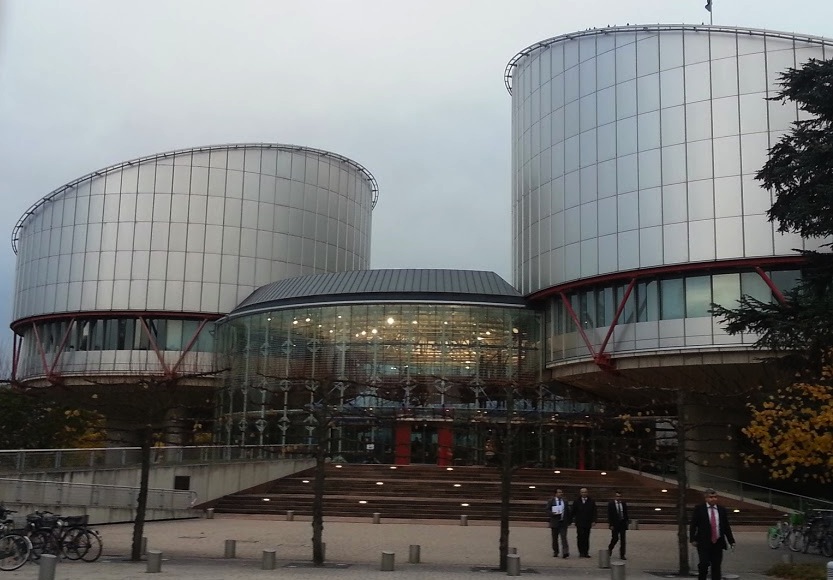
The ICJ expresses its disappointment today at the judgment of the European Court of Human Rights in the case of M.E. v. Sweden (Application No. 71398/12).
Jul 9, 2013 | News
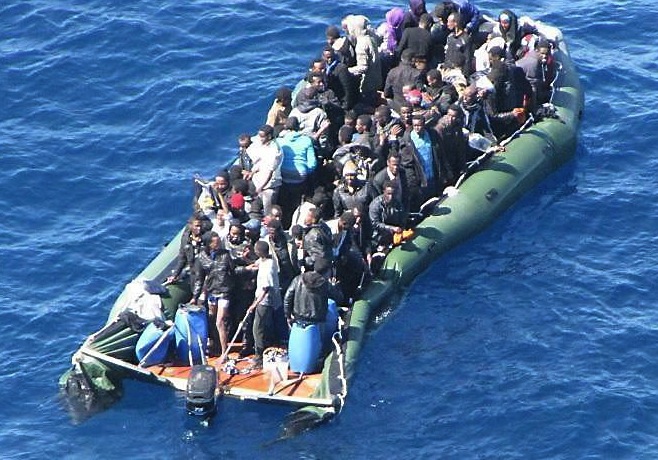
The International Commission of Jurists (ICJ) today called on the Government of Malta to refrain from forcibly transferring a number of Somali nationals to Libya, where they are alleged to be at real risk of human rights violations and further transfer to Somalia.
According to media reports, the persons at risk of transfer are part of a group of some 102 persons, including 41 women and two babies, who arrived in Malta this morning.
The ICJ expresses its grave concern at the possibility that Somali nationals, who are alleged to be considered at risk of being subject to ill-treatment or persecution if sent back to Somalia, would first be sent back to Libya. According to the office of the United Nations High Commissioner for Refugees, in Libya, migrants face a “constant risk of exploitation, arrest and indefinite detention”.
The ICJ stresses that the European Court of Human Rights has ruled, in the judgment Hirsi Jamaa and others v. Italy, that sending back potential asylum seekers, including of Somali origin, to Libya, without individual assessment of their situation and access to asylum procedures, violates the European Convention on Human Rights, in particular the principle of non-refoulement, the prohibition of collective expulsion and the right to an effective remedy for violations of human rights.
The ICJ therefore calls on the Maltese Government to refrain from expelling or otherwise transferring to Libya any of the Somali citizens who arrived on Maltese shores today. The migrants must be fully informed of their right to apply for international or humanitarian protection under EU and Maltese law; and each of their cases must be examined on its individual merits.
Statement-ExpulsionSomalis-2013-Malta (download the statement)
Contact:
Massimo Frigo, ICJ Legal Adviser of the Europe Programme, tel: 41 22 979 38 05, e-mail: massimo.frigo(a)icj.org
Róisín Pillay, ICJ Director of the Europe Programme, e-mail : roisin.pillay(a)icj.org
Sep 27, 2011 | News
The ICJ today expressed its deep concern at the recurrence and persistence of attacks against Sub-Saharan African migrants in Libya.
The ICJ called upon the National Transitional Council (NTC) to take swift and decisive action to condemn and put an end to these apparently xenophobic attacks, to protect all victims and to bring to justice the perpetrators of such violations
Feb 25, 2011 | News
 The ICJ welcomes the adoption today by the UN Human Rights Council of one of the strongest resolutions in the short history of the five-year old Council.
During a special session on the situation of human rights in the Libyan Arab Jamahiriya, the ICJ had called on the Human Rights Council to take the strongest possible action in response to the gross and systematic human rights violations being committed in Libya.
Libya-HRC-humanrightsviolations-news-2011 (full text, PDF)