Mar 12, 2017 | Advocacy, Non-legal submissions
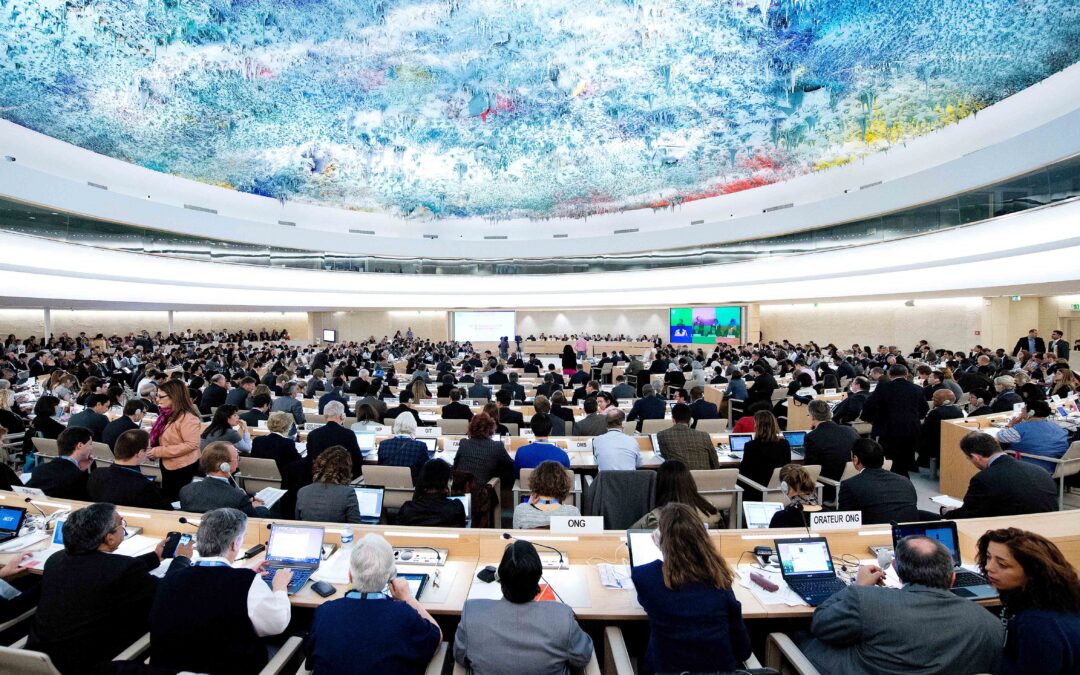
The ICJ has made an oral statement to the UN Human Rights Council on a range of measures needed to ensure truth, justice, reparations and non-repetition of past violations, in Nepal.
The statement read as follows:
TRUTH, JUSTICE, REPARATION, AND GUARANTEES OF NON-RECURRENCE IN NEPAL
10 March 2017
Mr. President
Without effective measures to ensure truth, justice, reparation and guarantees of non-recurrence, countries in situations of transition or post-conflict fail victims and put future reconciliation, peace and stability at risk. One example is Nepal.
Nepal’s Truth and Reconciliation Commission and Commission of Investigation on Disappeared Persons have not been effective. Changes are needed to bring their legal frameworks and operations in line with international standards and Supreme Court jurisprudence. These bodies require adequate resources. Trust-building measures including consultation processes must address the perspectives and needs of victims and for victims to feel ownership over the transitional justice process in Nepal.
Nepal must ensure prompt, independent and impartial investigation and prosecutions for serious human rights violations, including those committed during the armed conflict.
It must ensure justice and reparation for victims, including as provided for in the UN Basic Principles and Guidelines on the Right to a Remedy and Reparation.
It must criminalize serious crimes under international law in a manner that is consistent with international law, to help prevent such violations ever occurring again.
Nepal should also issue a standing invitation to all thematic special procedures of the Council.
Thank you, Mr. President.
Feb 10, 2017 | News
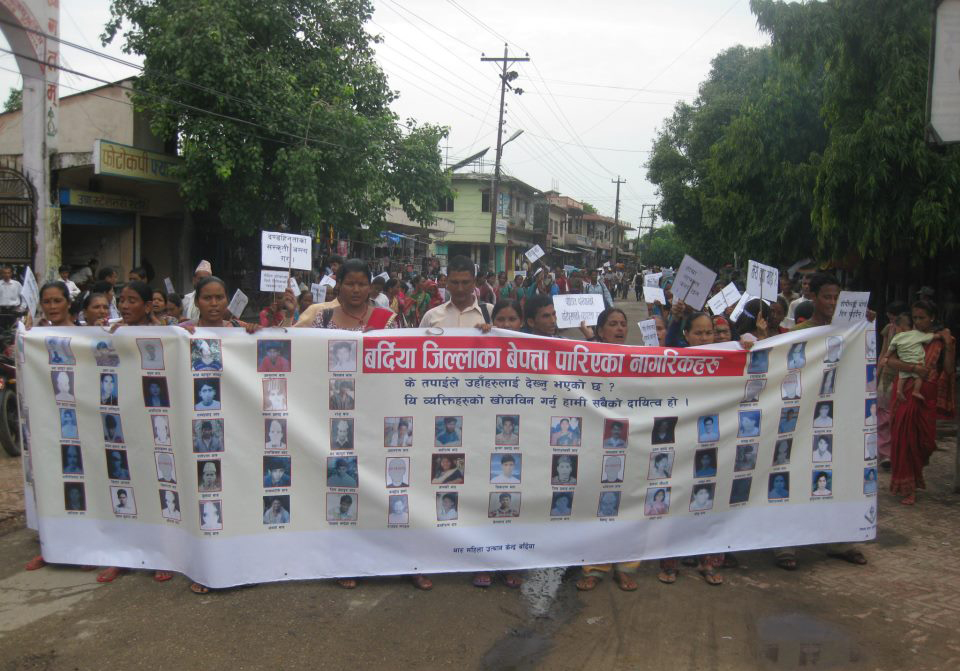
Extending the mandate of the Truth and Reconciliation Commission (TRC) and Commission on Investigation of Disappeared Persons (COID) without accompanying legal amendments to the TRC Act, 2014, in line with Nepal’s international legal obligations, will be meaningless, the ICJ said today.
It will fail to empower the commissions to address the root causes of the conflict and provide justice to victims, the ICJ added.
On 9 February 2017, the Government of Nepal formally extended the mandate of the TRC and COID for another year.
The TRC and COID were established on 10 February 2015 through the Commission on Investigation of Disappeared Persons, Truth and Reconciliation Act, 2014 (TRC Act), with the mandate to investigate alleged human rights abuses committed by both sides of Nepal’s decade-long armed conflict between the Government of Nepal and Communist Party of Nepal-Maoist (CPN-M) rebels.
However, due to a flawed legal mandate, resource and capacity limitations, and lack of political will, the commissions have been unable to carry out their work effectively.
“Unless the government of Nepal is prepared to amend the TRC Act in line with the Nepal Supreme Court’s rulings and international law, and to take other concrete steps to address the persistent challenges that have plagued the commissions’ ability to complete their work over the past two years, the extension of their mandate will be meaningless,” said Sam Zarifi, the ICJ’s Asia-Pacific Director.
In two separate rulings, the Nepal Supreme Court has previously ruled that the TRC Act and its predecessor TRC Ordinance were in violation of Nepal’s international legal obligations, as they allowed for amnesties for gross human rights abuses and serious violations of international humanitarian law amounting to crimes under international law.
Despite repeated calls by the ICJ, as well as other human rights and victims groups, to ensure a credible transitional justice process by amending the TRC Act in line with Nepal’s Supreme Court order and international standards, and by providing adequate resources to enable the commissions to carry out their work effectively and independently, the Government of Nepal has thus far failed to take any steps to implement the Supreme Court’s orders.
Nevertheless, the commissions finally commenced their work in February 2016, one year into their two-year mandate, and despite a severe lack of public faith in the commitment of the government and the ability of the commissions to deliver justice, victims came forward to submit more than 60,000 complaints to the two commissions combined.
“The government of Nepal must demonstrate its commitment to deliver justice to victims of Nepal’s armed conflict,” said Zarifi. “Victims have already waited more than a decade to receive justice and are losing hope in the transitional justice process.”
“The Nepal government and political parties must not once again betray the trust of victims by perpetuating a fundamentally flawed transitional justice process without concomitant reforms that will address victims’ rights to truth, justice and reparation,” he added.
While extending the mandate of the TRC and COID, the Government of Nepal must immediately establish a credible transitional justice process that ensures victims’ rights to truth, justice and reparation by: amending the TRC Act in line with the Supreme Court rulings and international law; empowering the TRC and COID with adequate resources to function independently, transparently and in a victim-centred manner; and, adopting necessary legislation to criminalize serious international crimes, including enforced disappearance, torture and other ill-treatment, and rape and other sexual violence, with retroactive effect and without any limitations period for conflict-era cases.
Jan 5, 2017 | News
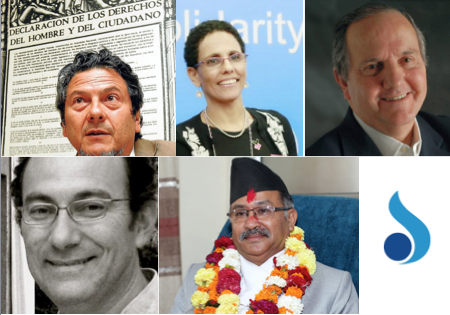
Mr Reed Brody (United States), Ms Roberta Clarke (Barbados/Canada), Professor Juan Mendez (Argentina), Mr Alejandro Salinas Rivera (Chile) and Justice Kalyan Shrestha (Nepal) have recently been elected to join the ICJ.
The new Commissioners were elected by a ballot of existing Commissioners, which took place between November and December 2016.
Mr Reed Brody (United States) has 25 years on the cutting edge of the human rights movement. Mr Brody has worked, amongst other things, as a freelance activist, New York Assistant Attorney General, Director of the ICJ’s Centre for the Independence of Judges and Lawyers, Executive Director of the International Human Rights Group (now Global Rights), Director of the Human Rights Division of the UN Observer Mission in El Salvador, Deputy Director of the UN Secretary General’s Investigative Team in the Democratic Republic of Congo and at Human Rights Watch, including on such cases as those against the former Chilean dictator, Augusto Pinochet, and the former dictator of Chad, Hissène Habre.
Ms Roberta Clarke (Barbados/Canada) has an extensive background in working on human rights issues, particularly in relation to women’s rights and social and economic rights. Ms Clarke has held a number of Academic roles including Research Assistant, Junior Research Fellow, Assistant Lecturer and now Visiting Fellow at the University of West Indies. Ms Clarke has also worked as an Attorney in private practice and in a number of civil society and intergovernmental organization roles including as the Project Coordinator of the Women and the Law Project with the Caribbean Association for Feminist Research and Action in Trinidad and Tobago, Social Affairs Officer on the Gender and Development Programme for the UN Economic Commission for Latin America and the Caribbean, Regional Programme Director for UNIFEM/UN Women’s Caribbean Office and then for UN Women’s Regional Office for Asia and the Pacific.
Professor Juan Méndez (Argentina) is currently the UN Special Rapporteur on Torture and Other Cruel, Inhuman and Degrading Treatment or Punishment, having been appointed in November 2010 and then having had his mandate renewed in 2014. Professor Méndez is also a Professor of Human Rights Law in residence at the Washington College of Law. Previously Professor Méndez has worked in a number of human rights roles including as general counsel of Human Rights Watch, Executive Director of the Inter-American Institute of Human Rights in Costa Rica, Professor of Law and Director of the Center for Civil and Human Rights at the University of Notre Dame in Indiana, President of the Inter-American Commission on Human Rights of the Organization of American States, Special Advisor to the Prosecutor of the International Criminal Court, as Co-Chair of the International Bar Association Human Rights Institute, as President of the International Center for Transnational Justice (ICTJ) and as Kofi Annan’s Special Advisor on the Prevention of Genocide.
Mr Alejandro Salinas Rivera (Chile) is a lawyer from Chile with expertise in international issues and cooperation, mining and labour law. Alejandro has collaborated with and ran leading national and international human rights organizations. He has worked as a consultant and adviser for the ICJ as well as for the Ministry of Foreign Affairs, the International Parliamentary Union and the Presidential Advisory Commission for human Rights Policy. He has been the head of a number of Departments and Units in various government agencies including the Ministry of Foreign Affairs, as Director of the Human Rights Department; the Attorney General’s Office as Chief of the Unit of International Affairs; and at the Public Defender’s Officer as Chief of Staff of the National Defender, Head of the Evaluation, Control and Claims Department and Head of the International Cooperation Unit.
Justice Kalyan Shrestha (Nepal) was Chief Justice of the Nepalese Supreme Court from 2005 until his retirement in 2016. Prior to this he served in a number of judicial roles including as Chief Judge of the Appellate Court Jumla, a Judge of various Zonal, District and Appellate courts, Under Secretary in the Ministry of Justice and Law and as a Section Officer for the Supreme Court and Government of Nepal. Justice Shrestha has also held a number of senior roles in judicial bodies including as Chairperson of the Constituent Assembly Court, President of the South Asian Association for Regional Co-operation in Law, President of the Judges Society Nepal and as a Member of the Judicial Services Commission.
In addition to the election of five new members the following Commissioners have also been elected in the following capacity:
- Professor Carlos Ayala (Venezuela) – elected for a second term as Commissioner and a third term on the Executive Committee
- Justice Azhar Cahcalia (South Africa) – elected for a third term on the Executive Committee
- Professor Andrew Clapham (United Kingdom) – elected to the Executive Committee
- Professor Robert Goldman (United States) – elected for a second term as Vice-President
- Ms Hina Jilani (Pakistan) – elected for a second term on the Executive Committee
- Professor Sir Nigel Rodley (United Kingdom) – elected for a third term as President
- Professor Marco Sassòli (Switzerland) – elected for a second term as alternate to the Executive Committee
- Justice Stefan Trechsel (Switzerland) – elected for a second term as alternate to the Executive Committee
Nov 19, 2016 | Advocacy
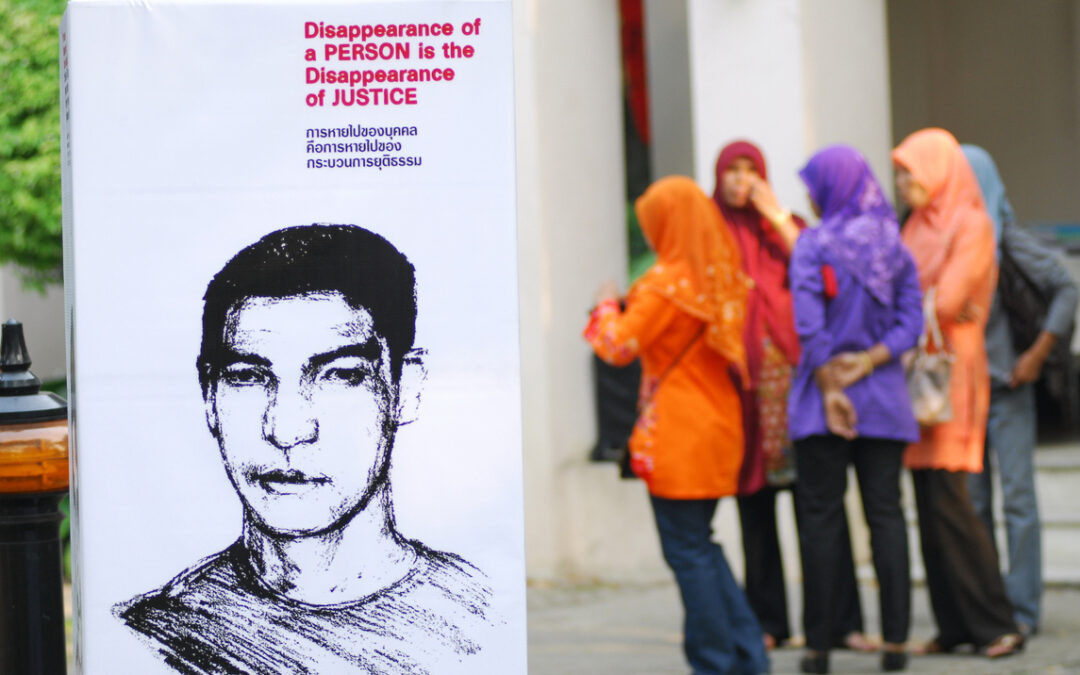
Ten years after the Comprehensive Peace Accord (CPA) ended Nepal’s bloody civil war, Nepali authorities must renew their commitment to ensure truth, justice and reparation for victims of the conflict who are still waiting for redress, the ICJ said today.
The CPA, signed by the Government of Nepal and the country’s major political parties, including the then Communist Party of Nepal (Maoist) on 21 November 2006, called for a credible transitional justice process that would ensure victims’ rights to truth, justice, reparation and effective remedy in accordance with Nepal’s international human rights obligations.
“The hope and promise to conflict victims towards fulfillment of their rights to truth, justice and reparation that came with the signing of the CPA and the end of the conflict ten years ago have yet to be realized,” said Sam Zarifi, ICJ Asia director.
“Over the last ten years, various governments from all the different parties have blocked or hindered the transitional justice process, ignoring rulings by the Supreme Court that demanded compliance with international law and standards,” he added.
The full statement can be downloaded here:
nepal-statement-cpa-anniversary-advocacy-2016-eng (full text in PDF)
Jun 3, 2016
IV. Main areas of concern and recommendations D. Civil rights and freedoms (arts. 7, 8 and 13-17) Nationality 26. The Committee is concerned about the hindrances experienced by many children to obtaining Nepalese nationality. It is especially concerned that: (a)...