May 13, 2016 | News
Nepal’s leading political parties should not bargain away justice for victims of serious human rights abuses as part of an agreement to form a new coalition government, the ICJ, Human Rights Watch, and Amnesty International said today.
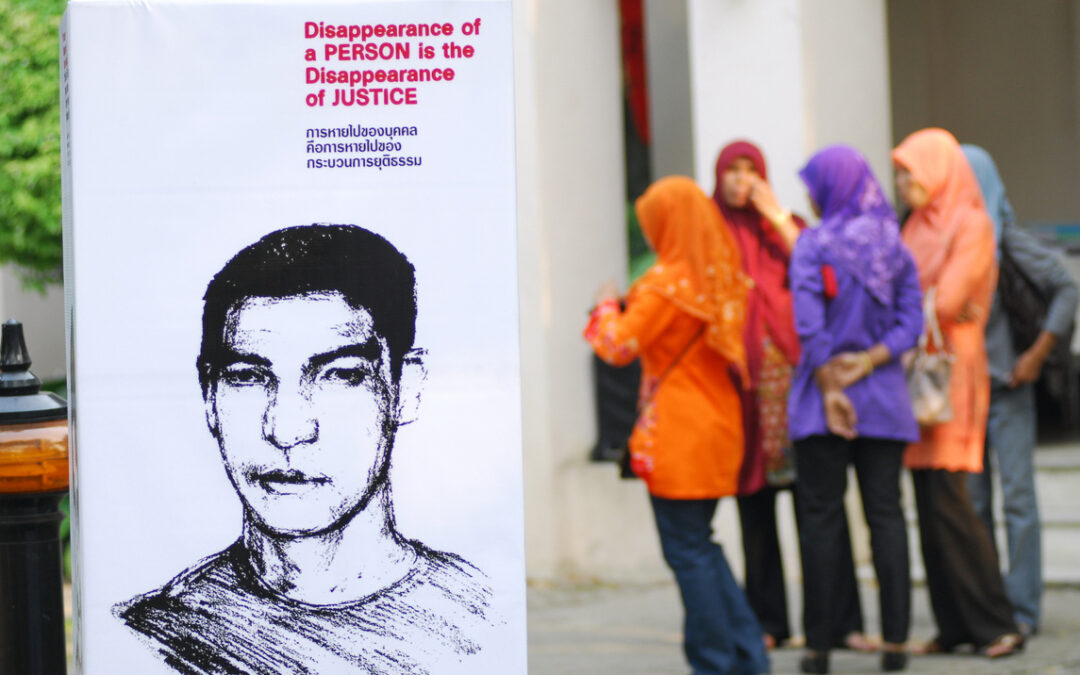
A new agreement between the ruling parties threatens to entrench impunity for those who planned and carried out killings, enforced disappearances, torture, and other crimes in Nepal’s civil war, just as the country’s long delayed transitional justice process is finally about to get under way.
On May 5, 2016, presumably in a bid to retain the support of the United Communist Party of Nepal (Maoist) (UCPN-M) for the Communist Party of Nepal-Unified Marxist Leninist (CPN-UML) coalition government of Prime Minister K.P. Sharma Oli, the two ruling coalition partners agreed to a nine-point deal containing provisions that aim to shield perpetrators of abuses in Nepal’s decade-long civil war.
Provision 7, which directs the authorities to withdraw all wartime cases before the courts and to provide amnesty to alleged perpetrators, is particularly problematic.
“This political deal between the ruling parties is extremely damaging to the credibility of an already deeply politicized and flawed transitional justice process in the eyes of Nepal’s victims,” said Sam Zarifi, ICJ Asia-Pacific Director.
“Moreover, it flies in the face of Nepal’s international human rights obligations and the rulings of its own Supreme Court by trying to wash away the crimes of the conflict by attempting to coopt pending criminal cases and provide blanket amnesty to alleged perpetrators,” he added.
The Supreme Court of Nepal has in several instances reaffirmed the principle under international law that amnesties are impermissible for serious international crimes.
However, Nepal authorities have consistently ignored the orders from the country’s highest court.
Nepal has an obligation under international law to investigate and, where sufficient evidence exists, prosecute crimes under international law, including torture and other ill-treatment, enforced disappearance, extrajudicial executions, war crimes, and crimes against humanity.
Article 2 of the International Covenant on Civil and Political Rights (ICCPR) and Article 14 of the Convention against Torture and Other Cruel, Inhuman and Degrading Treatment or Punishment (CAT) – both treaties to which Nepal is a party – require states to ensure the right to an effective remedy and reparation for victims of human rights violations.
“The political deal by the ruling parties to grant amnesty to those responsible for conflict-era human rights abuses is a callous attempt to disregard Nepal’s international treaty obligations by violating victims’ right to an effective remedy,” said Brad Adams, Asia Director at Human Rights Watch. “Nepal’s political deal jeopardizes the war victims’ last best hope for justice and accountability.”
The applicability of this international obligation under Nepali law was reaffirmed by the Nepal Supreme Court in its 2015 decision in the Suman Adhikari case, striking down provisions of the Investigation of Disappeared Persons, Truth and Reconciliation Commission Act, 2014 (TRC Act) that it ruled were inconsistent with international law and ordering the government to amend the TRC Act, the May 2014 legislation creating the two transitional justice mechanisms, the Commission on Investigation of Disappeared Persons (COID) and the Truth and Reconciliation Commission (TRC).
The Supreme Court ruled in the same decision that criminal cases already before the judiciary could not be transferred to the two commissions, confirming that the judiciary and not the commissions had the authority to determine the criminality of conflict-era human rights violations.
“Nepal’s ruling parties cannot bargain away victims’ rights to truth, justice, and reparation by using the commissions as a substitute for their legal obligations to investigate and prosecute human rights abuses through the criminal justice system,” said Champa Patel, South Asia Regional Office Director at Amnesty International.
The ICJ, Human Rights Watch, and Amnesty International, along with Nepali civil society, victims’ groups, the United Nations, and the international diplomatic community, have consistently called for the Nepal government to amend the TRC Act in line with Nepal’s international obligations as well as the Supreme Court’s jurisprudence, in order to ensure a credible transitional justice process that safeguards victims’ rights and conforms to rule of law principles.
In a flagrant display of deliberate disregard for the rule of law, however, the ruling parties’ deal to amend the TRC Act by attempting to reinforce the same amnesty provision that has been repeatedly struck down by the Supreme Court ignores both the country’s international legal obligations and the binding judgments of its own apex court, and further threatens the prospects for post-war justice and accountability in Nepal.
The ICJ, Human Rights Watch, and Amnesty International therefore call upon the Nepal government to take immediate and effective steps to safeguard victims’ rights to truth, justice, and reparation through a credible transitional justice process that is free of any political interference or any forms of pressure or intimidation.
Contact
Sam Zarifi, ICJ Asia-Pacific Director, t: +66-807-819-002; e: sam.zarifi(a)icj.org
Nikhil Narayan, ICJ Senior Legal Adviser, t: +977-981-318-7821 (mobile); e: nikhil.narayan(a)icj.org
Apr 15, 2016 | News
The Nepal government should immediately stop all intimidation and harassment of the National Human Rights Commission (NHRC) and its staff and respect its independence in line with international standards, the ICJ and other rights groups said today.
The attempts to intimidate the NHRC are a direct contradiction of the United Nation’s Principles relating to the Status of National Institutions (the Paris Principles) as well as Nepal’s constitution, the ICJ Amnesty International and Human Rights Watch said.
According to the commissioners and confirmed by independent media accounts, on April 3, 2016, Prime Minister K.P. Sharma Oli summoned the National Human Rights Commission chair, Anup Raj Sharma, and other commissioners to question them about the NHRC’s statement delivered by Commissioner Mohna Ansari during the Universal Periodic Review (UPR) of the human rights situation in Nepal before the UN Human Rights Council in Geneva in March.
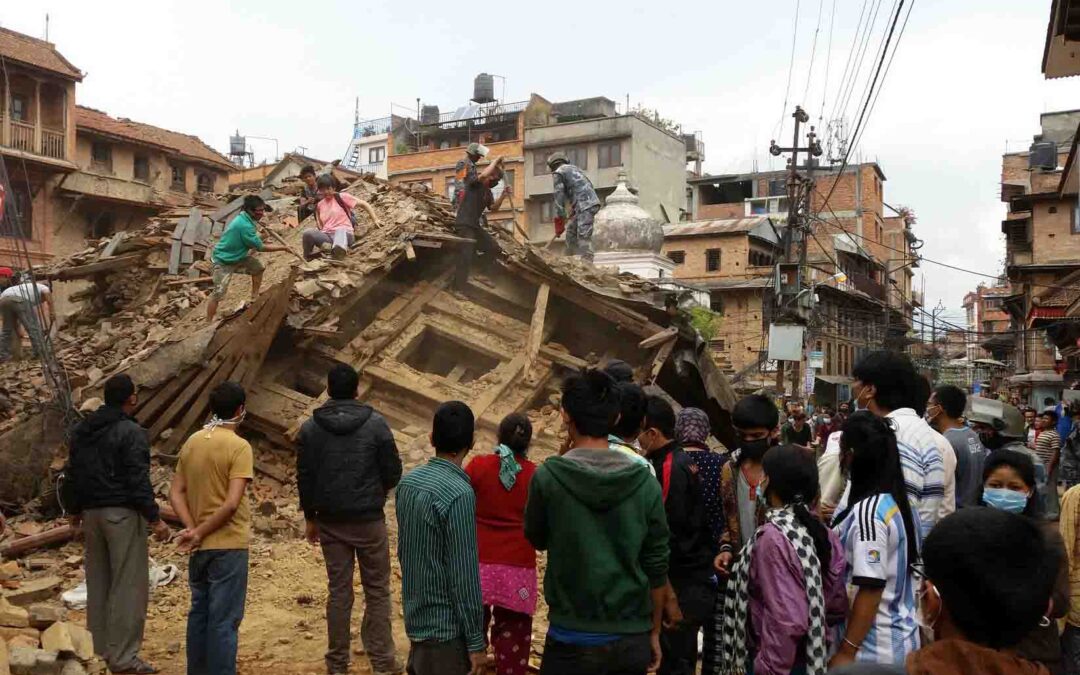
In its statement, the commission highlighted various ongoing human rights concerns, including discriminatory citizenship provisions in the new constitution, the continued failure to properly investigate alleged unlawful killings and excessive use of force during protests in the Terai region in 2015, violations of the economic, social, and cultural rights of earthquake victims (photo), and the need for credible transitional justice for conflict victims.
“As the principal independent constitutional body mandated to promote and protect human rights in the country, the NHRC plays a vital role in ensuring governmental accountability, and was well within its authority under both the Nepali Constitution and international standards when it delivered its submission to the UN Human Rights Council during the UPR,” said Nikhil Narayan, ICJ’s South Asia Senior Legal Adviser.
“The PM’s blatant attempt to intimidate the NHRC members for that submission is a flagrant violation of the government’s basic obligation to ensure the NHRC’s ability to carry out its work independently and without undue interference,” he added.
While it is entirely appropriate for the prime minister, like other stakeholders, to consult with the NHRC, such exchanges should be conducted with due respect for the legitimate exercise of the institution’s constitutional mandate, independently and free of undue interference or intimidation, the rights organizations said.
NHRC members present at the meeting uniformly expressed the sentiment that Oli, through his aggressive questioning and reprimanding of the commissioners over the contents of certain sections of its submission, was trying to intimidate the commission and in particular Commissioner Ansari, at whom the questioning appeared exclusively directed.
“The line and manner of questioning, including insinuations of bias and a lack of neutrality, particularly those aimed at Commissioner Ansari, the public face of the NHRC in Geneva, revealed an intent not of clarification, but intimidation that seeks to limit the role and effectiveness of the NHRC,” said Champa Patel, director of the South Asia Regional Office at Amnesty International.
Based on media accounts, discussions between the commissioners and the prime minister reflected an apparent attempt by the prime minister to discredit the commission’s statement by portraying it as the personal views of Commissioner Ansari alone or those of a nongovernmental organization.
Sharma promptly rebutted this characterization in a public statement on April 10, clarifying that “the statement delivered by NHRC Spokesperson Ansari at the UPR session was that of the commission and not her own,” and that “[i]mpunity has affected the overall promotion and protection of human rights.”
Amnesty International, Human Rights Watch, and the ICJ have consistently and repeatedly highlighted rights concerns similar to those the commission expressed in its UPR submission. The prime minister and government of Nepal should implement without delay the commission’s recommendations concerning discriminatory constitutional provisions, impunity for perpetrators of Terai violence on all sides, ensuring justice in the process of transition, and protecting the rights of earthquake victims.
The prime minister and the government of Nepal must publicly state that they will respect and guarantee the independence and integrity of the National Human Rights Commission, as the principal constitutionally mandated human rights body in the country, in accordance with international standards.
“The prime minister overstepped his authority, and his attempts to intimidate and intervene in the work of the NHRC contravene the Paris Principles, which clearly provide for the establishment of autonomous and independent institutions,” said Meenakshi Ganguly, South Asia director at Human Rights Watch. “The prime minister seems unwilling to recognize that the NHRC acts independently and is not an arm of the executive, subject to governmental dictates.”
Contact:
Nikhil Narayan, ICJ’s South Asia Senior Legal Adviser, t: +97-7-981-318-7821 ; e: nikhil.narayan(a)icj.org
Sam Zarifi, ICJ’s Asia Director, t: +66-807-819-002 ; e: sam.zarifi(a)icj.org
Additional information:
The Paris Principles set out internationally agreed upon standards designed to guide the work of national human rights institutions in a credible, independent and, effective manner. Crucially, the Paris Principles define the role, composition, status, and functions of these bodies, which include engaging with the UN and regional institutions and states’ obligation to ensure their real independence through a broad mandate, adequate funding, and an inclusive and transparent appointment process.
Furthermore, the UN Declaration on the Right and Responsibility of Individuals, Groups and Organs of Society to Promote and Protect Universally Recognized Human Rights and Fundamental Freedoms (Declaration on Human Rights Defenders) reaffirms the right of human rights defenders and institutions to advocate for human rights at the national and international level, including by engaging with the UN and other intergovernmental organizations.
Mar 16, 2016 | Advocacy, Non-legal submissions
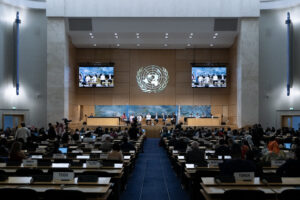
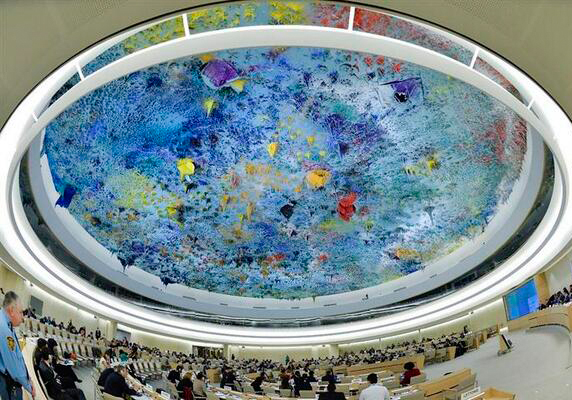
The ICJ today delivered an oral statement to the UN Human Rights Council, on the Universal Periodic Review of Nepal.
“The ICJ is concerned that the Government of Nepal has yet to implement many of the recommendations it accepted during the first UPR cycle, including several that reflect its international legal obligations regarding the new Constitution, investigation and prosecution of serious crimes, and establishment of credible transitional justice mechanisms.
The police continue to refuse to investigate conflict-era cases even when explicitly ordered by courts to do so. The transitional justice commissions do not enjoy the support of the victims and human right organizations, a year into their two-year mandate. Victims’ rights to truth, justice and reparation are not being respected, protected and fulfilled.
More than 59 persons, including 10 police personnel, were killed during recent protests, but as yet we are not aware of any impartial and effective investigation of the killings.
Many serious crimes under international law, including torture and enforced disappearance, still are not recognised as crimes under the Nepali penal code.
The ICJ therefore calls upon the Government to reconsider its position, and to accept and implement the UPR recommendations arising from this cycle, relevant to:
- Strengthening the constitutional protection of human rights;
- Amending the Truth and Reconciliation Commission Act, 2014, in line with international standards and Supreme Court orders;
- Establishing a credible transitional justice process;
- Preventing, investigating, and responding effectively to any use of excessive force by security forces;
- Ensuring prompt, independent and impartial investigations and, prosecution in cases of unlawful killings, whether the perpetrators are security forces or protesters;
- Amending the Penal Code to explicitly incorporate serious crimes under international law; and
- Ratifying relevant treaties, and accepting requests for visits of the Working Group on Enforced Disappearances, and Special Rapporteur on the right to truth.”
A more detailed written statement may be downloaded in PDF format here: HRC31-Advocacy-WrittenStatement-Nepal-2016
Nov 24, 2015 | News
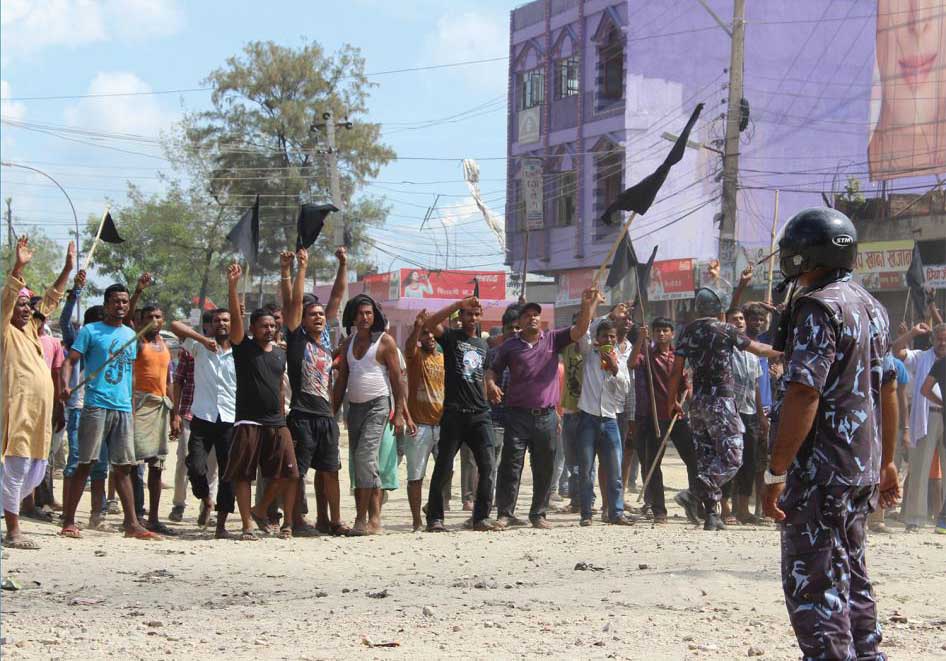
The government and all political parties, along with the country’s neighbors and international supporters, must act immediately to end the increasingly violent political crisis in the southern Terai region said the ICJ today.
The associated border blockade that has imposed severe shortages of necessary commodities throughout the country must also be ended, the ICJ added.
Over the weekend, three individuals were killed and at least another 28 individuals, including 15 police officers, were injured during clashes following an apparent impasse in talks among political parties trying to end the crisis over the newly adopted Constitution.
“Nepali authorities should promptly investigate and bring to justice the perpetrators – be they security forces or protesters – of any unlawful killings and other acts of violence committed during the ongoing protests in the Terai, and ensure that security forces refrain from the use of excessive force against civilians,” said Sam Zarifi, ICJ’s Asia-Pacific Director.
“At the same time, the Nepal government must address the severe shortage of commodities and the impact it has had on economic and social rights by prioritizing the most urgent needs while working to resolve the constitutional crisis,” he added.
The border blockade initiated nearly three months ago has had a deeply detrimental impact on the economic and social rights of the population countrywide, including the rights to food, water and sanitation, health and adequate housing, by causing severe shortages of essential commodities such as fuel, cooking gas and medical supplies throughout the country.
Madhesi groups have been demonstrating against Nepal’s new Constitution in the Terai since August 2015, protesting discriminatory aspects of the new Constitution that they argue would entrench marginalization, and have been staging a de facto blockade at the main border posts along the Nepal-India border since the Constitution was adopted on 20 September 2015.
India has been accused of imposing or collaborating in the blockade, an allegation which the Indian government has denied.
The ICJ has previously highlighted the lack of proper consultation in the drafting and adoption of the Constitution as well as the substantive human rights defects in its text, particularly the discriminatory provisions on the rights of women and some ethnic groups.
More than 45 persons, including 8 police personnel, have been killed during violent confrontations that have erupted between protesters and security forces since the demonstrations began, with allegations of excessive use of force by Nepali security forces as well as violent attacks by protesters against police personnel.
One Indian national was apparently killed by Nepali security forces at the Birgunj border last month.
“The Nepal government has a responsibility to protect the rights and security of its people and to re-establish the rule of law in the Terai,” said Zarifi. “However, Nepal must at all times respect the people’s right to peaceful protest and free assembly, and ensure that security forces exercise maximum restraint when responding to the demonstrations.”
The ICJ emphasizes that India and Nepal have an obligation to protect the human rights, including the economic and social rights, of persons impacted by their acts or the actions of those under their jurisdiction, and accordingly have an obligation to remove obstacles to the enjoyment of those rights.
“Nepal has an obligation to ensure that all available resources at their disposal have been mobilized to alleviate the human rights and humanitarian impact of the border blockade on the most vulnerable sections of the population,” Zarifi added. “The Nepal government must provide a clear plan to assess and address the impact of the blockade by prioritizing available supplies to the most urgently needed areas throughout the country, not just in Kathmandu.”
“The impact of the blockade is all the more acute because the country is still reeling from the 25th April earthquake and its ongoing aftershocks,” Zarifi said. “The international community, particularly neighboring India, should do all it can to ensure that urgent humanitarian assistance gets to the Nepali people.”
Contact
Nikhil Narayan, ICJ Senior Legal Adviser for South Asia, t: +977 9813187821 ; e: nikhil.narayan(a)icj.org
Photo credit: HRW

Sep 1, 2015 | News
Nepal’s Constituent Assembly must ensure that the new Constitution Bill contains strong and effective protections for all human rights in accordance with Nepal’s international legal obligations, said the ICJ today.
The Constituent Assembly endorsed a Constitutional Bill last week.
As per the CA Rules of Procedure, CA members have until 5 September to submit proposals for amendments.
“This draft includes some improvements from earlier versions, but it needs serious revisions to meet international standards regarding human rights protections,” said Nikhil Narayan, ICJ Senior Legal Adviser for South Asia.
“As an immediate matter, the Constituent Assembly must extend the 5 September deadline, and provide adequate time for public consultation and discussion of this essential legal text,” he added.
The ICJ released a detailed briefing paper in July 2015 analyzing provisions of the Draft Constitution on citizenship, fundamental rights and judicial independence, in light of Nepal’s international human rights obligations.
The ICJ also highlighted the non-inclusive and non-representative nature of the constitution-making process.
Many of those concerns still remain and must be addressed urgently, including:
- Non-citizens are excluded from key rights and protections. For example, Articles 18 (right to equality), 25 (right to property), 27 (right to information), 31 (right to education), 33 (right to employment), 35 (right to health), 36 (right to food), 37 (right to housing), and 43 (right to social security) are all restricted to citizens. These protections must be extended to all persons under Nepal’s jurisdiction, not only citizens, in accordance with Nepal’s international obligations;
- The right to gender equality under women’s rights (particularly in article 38) is not adequately protected. For example, the Constitution should include explicit guarantees for equal pay for work of equal value, and prohibit multiple, intersecting grounds of discrimination on basis of gender and sexual orientation, caste, religion, etc;
- Key economic, social and cultural rights – including in articles 33 and 34 (employment and labour), 35 (health), 37 (housing), and 43 (social security) – are not adequately protected;
- Restrictions and limitations on the rights to freedom of expression, association, assembly, movement, information and press freedom, are broad and vague and do not conform with international human rights standards (including articles 17 and 19 and 27);
- Provisions on remedy for human rights violations (articles 46 and 47) are inadequate;
- Provisions regarding the impeachment of judges (articles 101, 130 and 131) and composition of the Judicial Council (as in article 153, responsible for the appointment, disciplining and dismissal of judges) fail to safeguard judicial independence;
- Provisions on emergencies and consequent restriction of rights are overbroad (as in article 268(10)).
The ICJ noted some improvements in the current draft, such as:
- Making any person whose father or mother is a Nepali citizen eligible for citizenship through descent. Previous drafts required both parents to be Nepali citizens;
- Guaranteeing a broader range of women’s rights, including the right to reproductive health;
- Revising the understanding of victim’s rights to ensure that victims of crime are entitled to “justice including compensation and restitution”;
- Adding more rights to the list of those designated as non-derogable rights during emergencies – including the right to social justice (as contained in article 42 of the Constitution Bill, which amongst other things, guarantees the rights of marginalized groups to participate “in the state structure and public service on the basis of principle of proportional inclusion”), and the rights of dalits (as contained in article 40 of the Constitution Bill, which contains guarantees of equality and non-discrimination).
“While these amendments are welcome, more revisions are necessary,” said Narayan. “The CA must ensure that the constitution-making process is participatory and inclusive. It should provide enough time and opportunities to make necessary amendments and produce a Constitution that fully ensures human rights protections and judicial independence.”
Nepal’s major political parties have stated publicly that they hope to have the Constitution finalized and enacted in mid-September.
However, many political parities and communities have been protesting against the Constitution since the introduction of the new Bill.
On 9 August, three protestors were killed when police fired at protestors violating curfew in Birendranagar, Surkhet.
One protestor was killed and five others were injured when police opened fire during a strike on 18 August.
On 24 August, eight police officers were killed during protests in Kailali district, and over 40 members of the security forces were badly injured.
“The deadly violence that has accompanied escalating protests across Nepal against this Draft is a warning about the high stakes for the drafters of the Constitution,” said Narayan. “The new Constitution should be the platform for bringing the country together after years of conflict, not serve as a new cause for discontent and insecurity.”
The ICJ called on the government of Nepal to conduct prompt, impartial and thorough investigations into all protest-related deaths and injuries.
Where unlawful conduct is established, including by members of the security forces, those responsible must be brought to justice.
Contact:
Nikhil Narayan, Nepal Head of Office and ICJ Senior Legal Adviser, t: +977 9813187821, e: nikhil.narayan(a)icj.org