Feb 2, 2021 | News
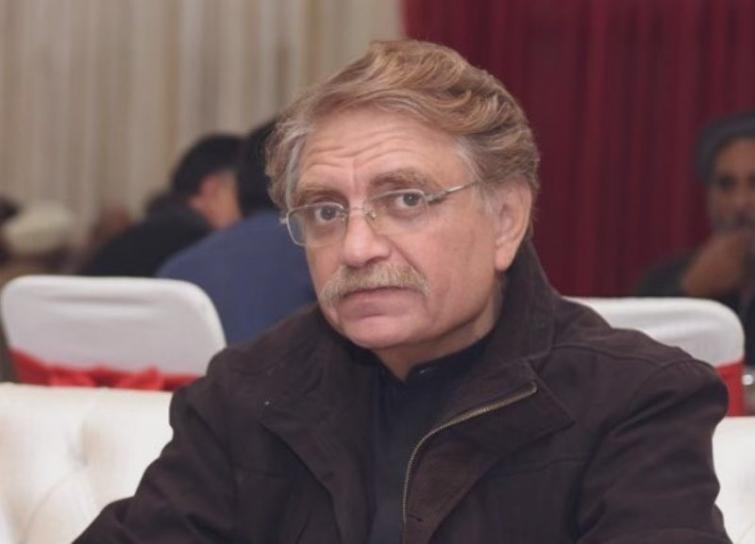
The ICJ today denounced the decision by Pakistani authorities to conduct the trial of Idrees Khattak, a leading human rights defender, in a military court.
Idrees Khattak is charged with “spying” among other offenses, related to his monitoring of violations by military forces in 2009. He was forcibly disappeared by the Pakistani Military Intelligence in November 2019. His whereabouts remained unknown until June 2020, when military authorities informed the Commission of Inquiry on Enforced Disappearances that he was being tried under the Official Secrets Act, 1923.
The Peshawar High Court yesterday dismissed a petition challenging the jurisdiction of the military courts in this case. Under international standards, including the International Covenant on Civil and Political Rights to which Pakistan is a party, civilians such as Idrees Khattak must not be subject to the jurisdiction of military tribunals.
“Idrees Khattak was subjected to the serious crime of enforced disappearance and instead of bringing the perpetrators of this violation to account, the Pakistani military has kept him arbitrarily detained and is now violating his rights further by subjecting him to a military court,” said Sam Zarifi, ICJ’s Secretary General.
“The Pakistan government must immediately release Idrees Khattak. If there is real and credible evidence implicating him in a cognizable crime, he should be tried by a civilian court and his right to a fair trial should be fully respected,” said Zarifi
The ICJ has found proceedings before Pakistani military courts fall well short of national and international laws requiring fair trials before independent and impartial courts:
- Judges are part of the executive branch of the State and continue to be subjected to military command;
- The right to appeal to civilian courts is not available;
- The right to a public hearing is not guaranteed;
- A duly reasoned, written judgment, including the essential findings, evidence and legal reasoning, is denied; and
- The death penalty may be implemented after unfair trials.
Idrees Khattak has been charged on multiple counts related to spying and other conduct “prejudicial to the safety or the interests of the State” under Section 3 of the Official Secrets Act as well as section 59 of the Pakistan Army Act, 1952. The Pakistan Army Act gives military courts jurisdiction to try civilians for certain offences under the Official Secrets Act.
The alleged conduct for which Idrees Khattak has been charged dates back to July 2009 – ten years before his enforced disappearance.
A group of 10 independent experts appointed by the UN Human Rights Council have characterized Idreek Khattak’s case as “emblematic of a series of documented enforced disappearances in Pakistan, where many human rights defenders are similarly silenced for their legitimate work of monitoring, documenting and advocating against a range of human rights violations and attacks against minorities.”
The ICJ calls on Pakistani authorities to immediately release Idrees Khattak.
The ICJ also calls on Pakistani authorities to ensure military courts only have jurisdiction to try military personnel for military offences and to bring procedures of military courts in conformity with international standards.
Contact
Sam Zarifi, ICJ’s Secretary General, sam.zarifi(a)icj.org
Reema Omer, ICJ’s Senior International Legal Advisor (South Asia), reema.omer(a)icj.org
Additional information
In July 2017, in its Concluding Observations after Pakistan’s first periodic review under the International Covenant on Civil and Political Rights (ICCPR), the UN Human Rights Committee stated that it was concerned by the jurisdiction of military courts over civilians and allegations of fair trial violations in military courts’ proceedings.
The Human Rights Committee recommended that Pakistan “review the legislation relating to the military courts with a view to abrogating their jurisdiction over civilians and their authority to impose the death penalty” and “reform the military courts to bring their proceedings into full conformity with articles 14 and 15 of the Covenant in order to ensure a fair trial.”
Jan 23, 2021 | News
The ICJ stated today that a newly appointed Commission of Inquiry tasked to review reports on past human rights and humanitarian law violations was unlikely to bring justice to victims of conflict era atrocities.
On 21 January 2021, Sri Lankan President Gotabaya Rajapaksa appointed a three-member Commission of Inquiry (CoI), headed by sitting Supreme Court Judge A.H.M. Nawaz to assess the findings and recommendations of preceding CoIs and Committees on human rights violations, serious violations of international humanitarian law and other such serious offences.
“Sri Lanka has an appalling track record on accountability in relation to toothless inquiry mechanisms.” said Ian Seiderman, ICJ’s Legal and Policy Director. “the tendency to set up these kinds of processes just ahead of sessions the UN Human Rights Council raises the suspicion that the announcement is targeted to deflect robust action by the Council beginning next month”
Sri Lanka is due to be taken up at the 46th session of the UN Human Rights Council on 24 February 2021, where the UN High Commissioner for Human Rights will present her report on Sri Lanka’s implementation of Council Resolution 30/1.
The decision to set up this COI was first announced in February 2020, by the Minister of Foreign Affairs at the 43rd Session of the UN Human Rights Council when he declared the Government’s withdrawal of support for the process under Resolutions 30/1, 34/1 and 40/1.
The Commission is tasked with the responsibility of identifying the “manner in which the recommendations have been implemented so far in terms of the existing law and what steps need to be taken to implement those recommendations further in line with the present Government policy.” It has been given a six-month mandate.
COIs and similar bodies established by successive Sri Lankan governments have been ineffective and deeply deficient in terms of their mandate, functions and independence. As the ICJ has previously documented, such mechanisms have largely been partisan mechanisms for punishing political opponents or for shielding perpetrators and institutions from responsibility.
The ICJ called upon the UN High Commissioner for Human Rights and the Member States to acknowledge the Sri Lankan Government’s categorical inability and unwillingness to ensure accountability domestically and urges the Council to explore viable international alternatives to ensure justice for victims of gross human rights violations.
Contact
For questions and clarifications, please contact Osama Motiwala, Communications Officer – osama.motiwala(a)icj.org
Jan 14, 2021 | News
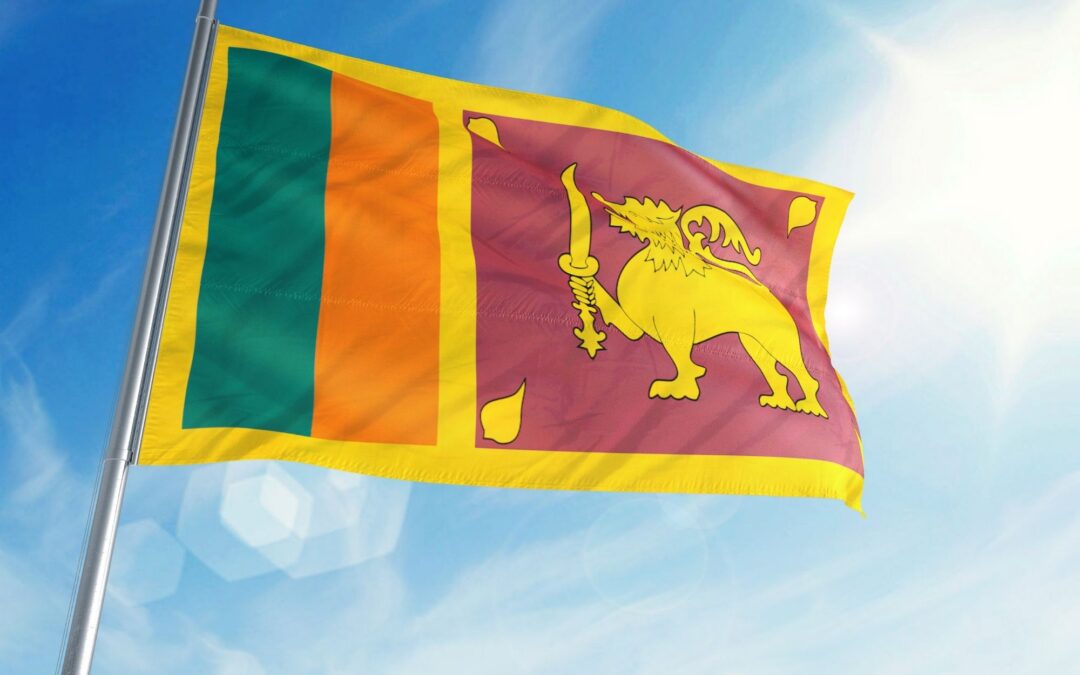
The ICJ today deplored the comprehensive failure of the Sri Lankan authorities to ensure accountability for conflict-era crimes, marked by the dropping of charges and release of all five accused in the Joseph Pararajasingham murder trial.
Parliamentarian Joseph Pararajasingham was killed by unidentified gunmen on 25 December 2005 while he attended Christmas mass at the Batticaloa St. Mary’s Cathedral, in the Eastern Province of Sri Lanka. Eight other people, including his wife, were injured during the firing.
Yesterday, the Batticaloa High Court acquitted and ordered the released of all five accused, including former-LTTE cadre and now-Member of Parliament, Sivanesathurai Chandrakanthan alias ‘Pillaiyaan’, in the trial of Pararajasingham, a former Tamil National Alliance Parliamentarian. The judgment was delivered after the Attorney General’s Department (AG) informed the Court that it would not proceed with the prosecution. The AG provided no reason publicly for this decision.
“The shelving of this case five years after it began, is a blow to the victims of this serious human rights atrocity.” said Ian Seiderman, ICJ’s Legal and Policy Director.
“This constitutes yet another marker of Sri Lanka’s consistent failure to hold accountable perpetrators of serious conflict-era crimes,” he added.
In November 2020, the AG had informed the Batticaloa High Court that he intended to proceed with the case, notwithstanding the Court of Appeal deemed inadmissible important evidence of the prosecution’s case.
The UN Office of the High Commissioner on Human Rights Investigation on Sri Lanka (2015) had already concluded that “there are reasonable grounds to believe that the Karuna Group (of which Chandrakanthan was a member) killed Joseph Pararajasingham, and that it was aided and abetted by security and army personnel.”
The acquittal in Pararajasingham’s murder case follows that of another Tamil Parliamentarian Nadarajah Raviraj, where an all-Sinhalese jury acquitted five persons including three Navy intelligence officers in December 2016, a decade after his murder.
The UN High Commissioner for Human Rights identified both these cases, in which no progress had been made, emblematic of Sri Lanka’s dismal record on accountability.
The ICJ called on the Attorney General’s Department to reopen fresh investigations into the murder of the deceased legislator so as to ensure justice and justice for the victims of this atrocity.
The ICJ notes that the Attorney General maintains the dual role of public prosecutor and as attorney for the State, positions which are prone to come into tension. The former UN Special Rapporteur on the Independence of Judges and Lawyers, Monica Pinto, following her mission to Sri Lanka in 2016 observed that “there is a general perception that, first and foremost, the [Attorney General’s] department defends the interests of the government and not the public’s interest.”
Background
Sivanesathurai Chandrakanthan who broke away from the Liberation Tigers of Tamil Eelam (LTTE) in 2004, functioned as a paramilitary, in support of the then-Rajapaksa Government. He is presently the leader of Tamil Makkal Viduthalai Pulikal (TMVP), a political party aligned to the Government and was voted into Parliament at the 2020 General Elections.
Investigation into the killing only began in 2015, after a new government was formed following elections which saw the defeat of Rajapaksa. Chandrakanthan was taken into remand custody on 11 October 2015 when he arrived at the Criminal Investigation Department to record a statement in relation to the assassination of the late Tamil politician. The Attorney General indicted that Chandrakanthan (who was 3rd accused) in the High Court of Batticaloa for offences committed under the Penal Code and the Prevention of Terrorism Act. He was granted bail for the first time in November 2020 after the primary evidence against the accused was deemed inadmissible by the Court of Appeal. The case was fixed for January 11 only after the AG informed courts he intended proceeding with the case notwithstanding the Appeal Court ruling.
Contact
Osama Motiwala, ICJ Communications Officer, Asia & Pacific programme, e: osama.motiwala(a)icj.org
Dec 2, 2020 | News
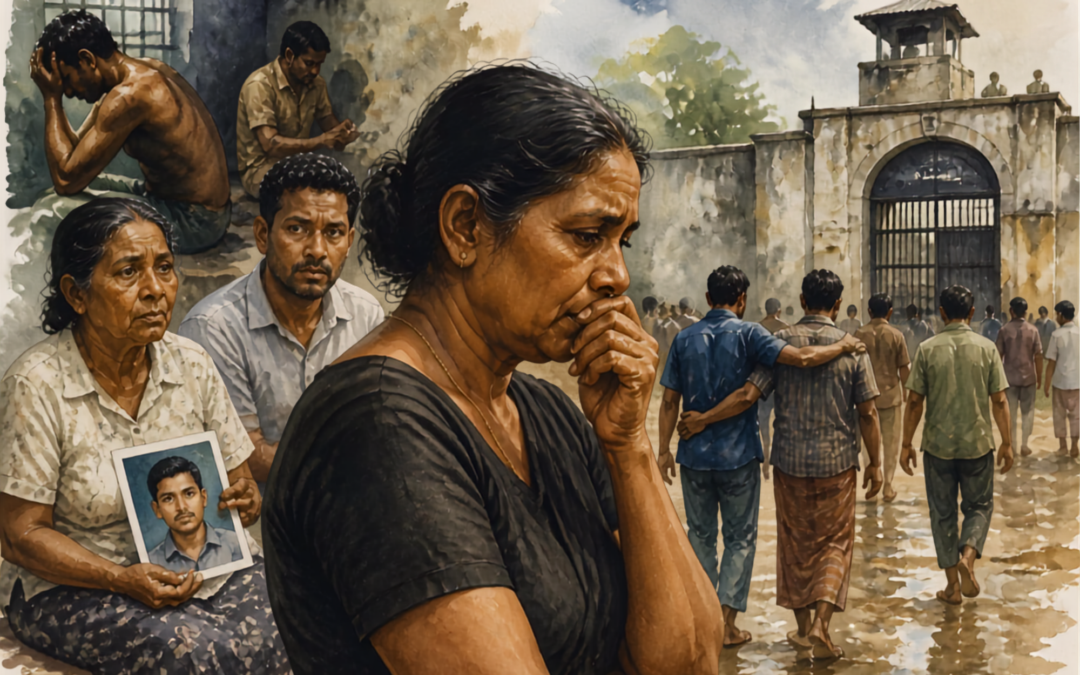
The ICJ today called upon the Sri Lankan authorities to conduct a prompt, thorough and impartial investigation into the events involving the use of lethal force by prison guards at Mahara prison on 29 and 30 November, which left at least nine inmates killed and over hundred others injured.
The action by the guards was taken in response to unrest resulting from protests by inmates over unsafe and overcrowded conditions in the context of the COVID-19 pandemic.
The ICJ also called for urgent measure to address the unsafe conditions in Sri Lankan prisons to protect the right to health and life, including where necessary by releasing detainees.
“The tragic events of Mahara prison are a consequence of the failure of the Sri Lankan authorities to effectively address the situation of prison conditions, which has turned into a full blown human rights and public health crisis in the wake of the COVID-19 pandemic”, said Ian Seiderman, ICJ Legal and Policy Director
The unrest was the culmination of a series of protests staged by the prisoners demanding an increase in coronavirus testing and new isolation facilities for infected prisoners. According to Senaka Perera, President of the Committee for Protecting the Rights of the Prisoners, around 200 inmates of the Mahara prison have been infected with COVID-19.
While the Minister of Rehabilitation and Prison Reforms and the Inspector General of Police have instructed the Criminal Investigation Department to probe the unrest caused at the Mahara Prison, the Minister of Justice has formed a separate five-member committee, chaired by former High Court Judge Kusala Saorini Weerawardena, to conduct its own investigation.
The ICJ recalls that under international law, the use of lethal force by State authorities is only permissible where strictly necessary to protect life. This standard should govern any investigation, and those responsible for unlawful conduct resulting in death or injuries to prisoners must be held to account.
“In addition to ensuring accountability and redress for any violations at the Mahara Prison, the authorities must act swiftly to meet the legitimate grievances of detainees throughout the country”, added Ian Seiderman.
“An effective response is not optional, but is necessary to fulfill the State’s legal obligation to provide for equal access to healthcare and health services to prisoners, who are among the most vulnerable to the ravages of COVID-19 in highly unsafe, enclosed and overcrowded environments.” Seiderman added.
The incident follows a wave of similar protests in several other prisons in the country. On 18 November, five inmates who were under quarantine at the Old Bogambara Prison attempted to break out and an inmate was shot dead when the prisoner officers opened fire at the fleeing inmates.
The ICJ called for the release of detainees who are particularly at risk of losing their life or suffering severe health effects from COVID-19. This would also apply to other convicts who could be released without compromising public safety, such as those sentenced for minor, non-violent offences.
Background
Speaking in Parliament on Monday, Minister of Rehabilitation and Prison Reforms Dr. Sudharshini Fernandopulle stated that the Government has taken steps to reduce overcrowding by directing COVID-19 positive prisoners out of the prisons to the Welikanda Hospital and moving all women inmates to the Kandakadu Rehabilitation Centre. She also stated that a mechanism has been put in place to obtain bail for those arrested for minor drug offences. Moreover, a presidential pardon has been granted to over 600 convicts of minor offences who were in remand due to their inability to pay the required fine.
Several UN bodies, including the WHO and OHCHR, came together in recommending that States consider limiting the deprivation of liberty including pretrial detention, to a measure of last resort and enhance efforts to resort to non-custodial measures.
Contact
Osama Motiwala, Communications Officer – osama.motiwala(a)icj.org
Nov 26, 2020 | Advocacy, News
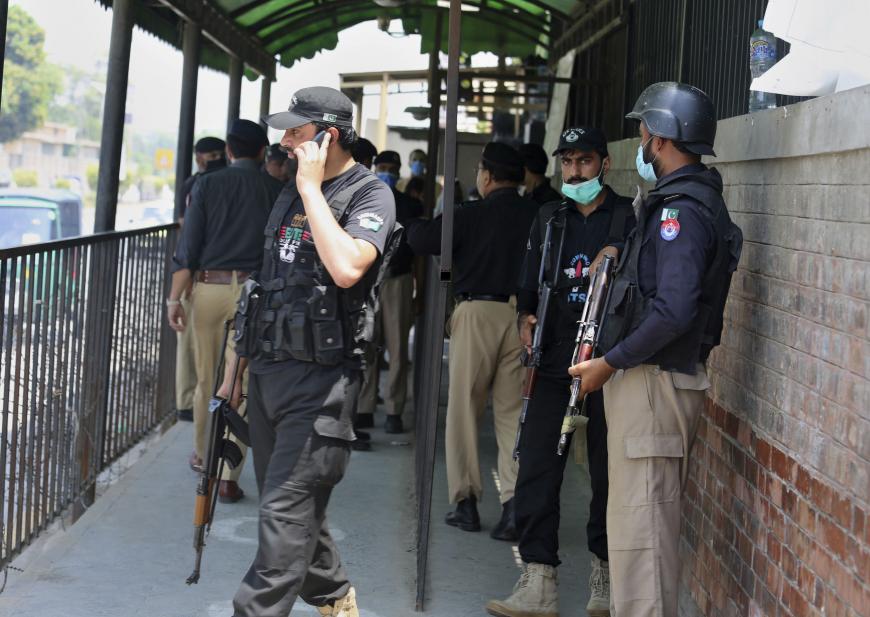
Pakistani authorities should urgently and impartially investigate a surge in violent attacks on members of the Ahmadiyya religious community, Human Rights Watch, Amnesty International, and the ICJ said today.
The authorities should take appropriate legal action against those responsible for threats and violence against Ahmadis.
Since July 2020, there have been at least five apparently targeted killings of members of the Ahmadiyya community. In only two of the cases have the police taken a suspect into custody. Pakistani authorities have long downplayed, and at times even encouraged, violence against Ahmadis, whose rights to freedom of religion and belief are not respected under Pakistani law.
“There are few communities in Pakistan who have suffered as much as the Ahmadis,” said Omar Waraich, head of South Asia at Amnesty International. “The recent wave of killings tragically underscores not just the seriousness of the threats they face, but also the callous indifference of the authorities, who have failed to protect the community or punish the perpetrators.”
On November 20, a teenage assailant is alleged to have fatally shot Dr. Tahir Mahmood, 31, as he answered the door of his house in Nankana Sahib district, Punjab. Mahmood’s father and two uncles were injured in the attack. The police reported that the suspect “confessed to having attacked the family over religious differences.”
Several recent attacks have occurred in the city of Peshawar, in Khyber Pakhtunkhwa province. On November 9, Mahmoob Khan, 82, was fatally shot while waiting at a bus station. On October 6, two men on a motorcycle stopped the car of Dr. Naeemuddin Khattak, 57, a professor at the Government Superior Science College, and fired five shots, killing him. His family said he had a “heated argument over a religious issue” with a colleague a day before. Jamaat-i-Ahmadiyya, a community organization, issued a statement saying Khattak had previously received threats and was targeted because of his faith.
On August 12, Meraj Ahmed, 61, was fatally shot as he was closing his shop in Peshawar. On July 29, an alleged 19-year-old assailant killed Tahir Ahmad Naseem, 57, inside a high-security courtroom. Naseem was facing trial for blasphemy accusations. In a video that circulated on social media, the suspect states that Naseem was a “blasphemer.”
Successive Pakistani governments have failed to protect the human rights and security of the Ahmadiyya community. The penal code explicitly discriminates against religious minorities and targets Ahmadis by prohibiting them from “indirectly or directly posing as a Muslim.” Ahmadis are banned from declaring or propagating their faith publicly, building mosques, or making the Muslim call for prayer.
The authorities arbitrarily arrest, detain, and charge Ahmadis for blasphemy and other offenses because of their religious beliefs. The police have often been complicit in harassment and bringing fabricated charges against Ahmadis or have not intervened to stop anti-Ahmadi violence. The government’s failure to address religious persecution of Ahmadis has facilitated violence against them in the name of religion.
“Pakistan was part of the consensus at the UN General Assembly that required that states take active measures to ensure that persons belonging to religious minorities may exercise fully and effectively all their human rights and fundamental freedoms without any discrimination and in full equality before the law,” said Ian Seiderman, legal and policy director at the International Commission of Jurists. “The Pakistani government has completely failed to do so in the case of the Ahmadis.”
The Pakistani government also promotes discriminatory practices against Ahmadis. For example, all Pakistani Muslim citizens applying for passports are obliged to sign a statement explicitly stating that they consider the founder of the Ahmadi community an “imposter,” and consider Ahmadis to be non-Muslims.
Pakistani laws against the Ahmadiyya community violate Pakistan’s international legal obligations under the International Covenant on Civil and Political Rights (ICCPR), which Pakistan ratified in 2010, including the rights to freedom of conscience, religion, expression, and association, and to profess and practice one’s own religion.
Independent experts of the United Nations Human Rights Council, including the special rapporteurs on the freedom of religion or belief and the UN special rapporteur on minority issues, and the special rapporteur on extrajudicial, summary or arbitrary executions, have previously expressed concern at the persecution of the Ahmadiyya community in Pakistan.
“Pakistan’s federal and provincial governments should take immediate legal and policy measures to eliminate widespread and rampant discrimination and social exclusion faced by the Ahmadiyya community in Pakistan,” said Patricia Gossman, associate Asia director at Human Rights Watch. “The government should repeal the blasphemy law and all anti-Ahmadiyya provisions.”
Contact
In Brussels, for Human Rights Watch, Patricia Gossman: +32-472-982-925; or +1-347-322-8638 (WhatsApp); or gossmap@hrw.org. Twitter: @pagossman:
In Geneva, for the International Commission of Jurists, Ian Seiderman: e: ian.seiderman(a)icj.org
In Colombo, for Amnesty International, Omar Waraich: +44 7378 980870 (mobile); or omar.waraich@amnesty.org.