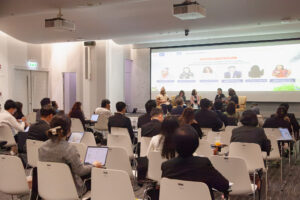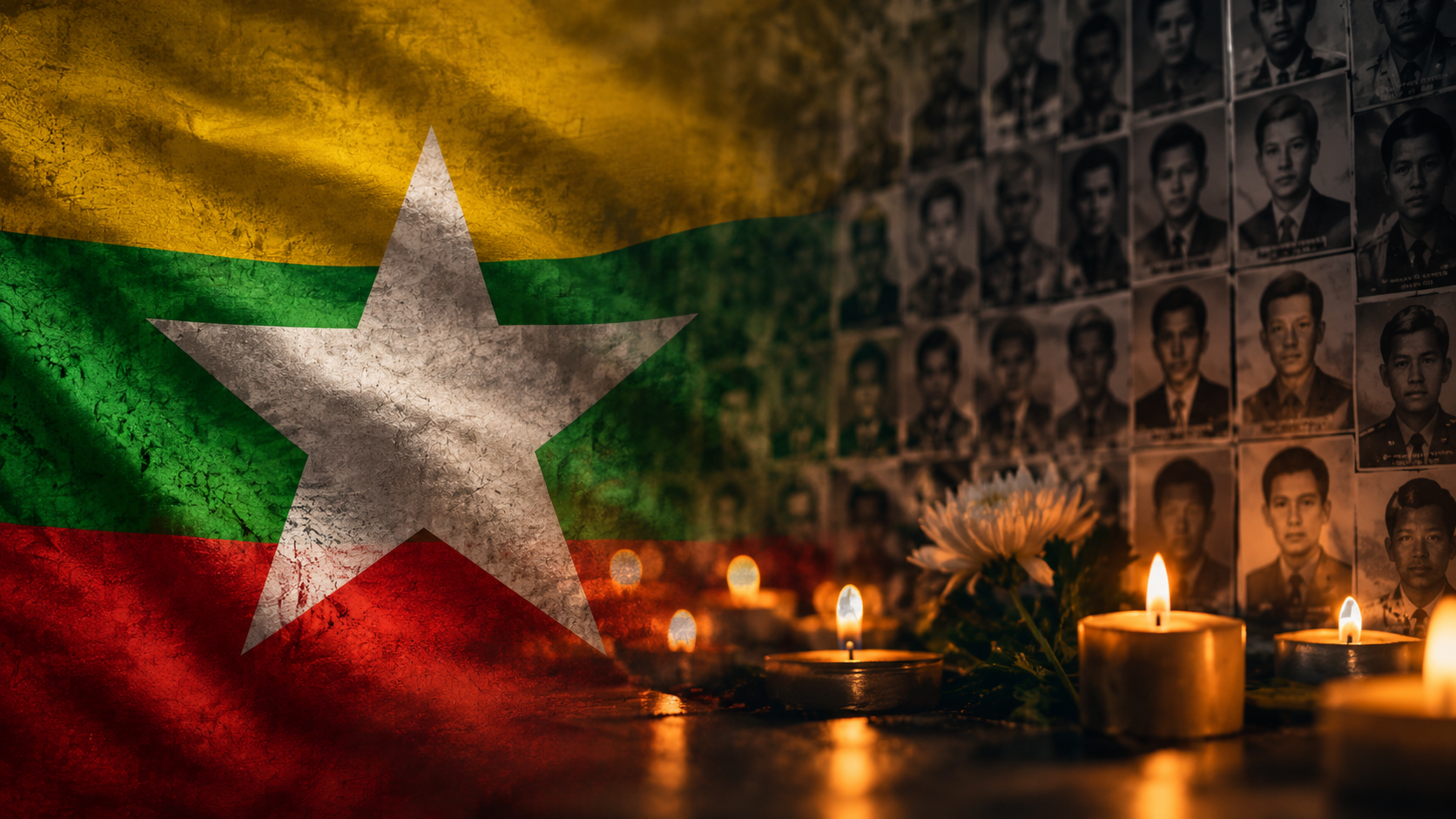
As enforced disappearances and other human rights atrocities continue in Myanmar, there is a great deal that can and must be done to address these cases with a view to bringing justice to victims and their survivors, according to participants at a webinar convened on 28 August 2026 by the International Commission of Jurists (ICJ).
The event, on “the Right to Know the Truth: Remembering Victims of Enforced Disappearance in Myanmar,” held just ahead of the 30 August International Day of the Victims of Enforced Disappearances, heard from speakers of the Karen Human Rights Group (KHRG), Chin Human Rights Organization (CHRO), and the Office of the UN High Commissioner for Human Rights (OHCHR).
About 70 participants, including lawyers, human rights defenders and civil society actors, joined the webinar and participated in an interactive discussion about patterns of enforced disappearance in Myanmar, the profound impacts on families and communities, and potential avenues and tools for seeking truth, remedies and accountability.
The KHRG representative highlighted a range of circumstances in which people have reportedly disappeared, including following arrests or detention by armed actors, at checkpoints, and in connection with perceived support for such groups as the Civil Disobedience Movement (CDM) or armed opposition to the ruling junta. It is often difficult or impossible for families to receive information from authorities, or armed actors fail to provide information about the fate or whereabouts of those taken into custody.
A representative from CHRO highlighted that enforced disappearances, some unresolved, had occurred both before and after the February 2021 military coup; the intensification of armed conflict following the coup had resulted in widespread displacement and increased risks, both for the civilian population and those members of the armed organization.
Participants emphasized that the loved ones of disappeared persons were also victims, as they experienced prolonged uncertainty and psychological/emotional trauma, loss of income and financial insecurity, and further displacement as a consequence of the disappearance. In some instances, families have reportedly been required to pay money to authorities or intermediaries simply to obtain information about the fate or whereabouts of their loved ones.
Participants discussed international mechanisms to address enforced disappearances in the country. The OHCHR representative said that the UN Working Group on Enforced or Involuntary Disappearances (WGEID) could be used by families and those acting on their behalf to engage with the mechanism, as it used the limited means at its disposal to try and determine the fate or whereabouts of the disappeared person. While the WGEID could not by itself provide physical protection or security to individuals who may face harassment, intimidation or reprisals, it could raise allegations of threats or reprisals with the government or de facto authority concerned in the case of Myanmar, and request that appropriate measures be taken to protect those at risk.
All speakers highlighted the importance of applying appropriate documentation methodology, particularly to ensure preservation of information and evidence that can help establish the truth, preserve victims’ experiences, support families’ efforts to find their loved ones, and contribute to future accountability and justice processes.
At the same time, documentation must be undertaken responsibly and with a survivor- and family-centred approach. Those engaging with families should be careful not to create false expectations about what documentation or international mechanisms are able to deliver, while equally being mindful not to take away families’ hope for truth and justice.
The participants also expressed the need to work collectively to assist families of disappeared persons in their quest for truth and justice and concluded that safe and accurate documentation, preservation of evidence, meaningful support to families, and sustained engagement with available national and international mechanisms remain essential pathways towards truth, justice and accountability in Myanmar.
For more information
Mandira Sharma, Acting Regional Director, Asia and the Pacific Programme, e: mandira.sharma@icj.org
Zar Li Aye, Legal Adviser, e: zarli.aye@icj.org