Jun 23, 2017 | News
Today, the ICJ co-hosted an event in Bangkok, Thailand, named “Torture Bill, Still No Justice” to commemorate International Day in Support of Victims of Torture.
The event began with a keynote address by Professor Vitit Muntarbhorn, Special Rapporteur on violence and discrimination based on sexual orientation and gender identity and former ICJ Commissioner.
Following a screening of the film “The Railway Man”, the ICJ moderated a panel discussion which included victims of torture.
The event focused on the decision in February this year of Thailand’s National Legislative Assembly (NLA) to further delay the passage of essential legislation criminalizing torture and enforced disappearance.
Thailand is a State party to the International Covenant on Civil and Political Rights (ICCPR), the Convention against Torture and other Cruel, Inhuman or Degrading Treatment or Punishment (CAT), and has signed, but not yet ratified, the International Convention for the Protection of All Persons from Enforced Disappearance (ICPPED).
The other organizers of the event were the Southeast Asia Regional Office of the Office of the High Commissioner for Human Rights, Amnesty International Thailand, the Cross-Cultural Foundation (CrCF), the Association for the Prevention of Torture (APT) and the Canadian Embassy in Bangkok.
A comic in English and Thai named “Torture is a Crime” was produced especially for the event by Shazeera Zawawi of APT.
Contact
Kingsley Abbott, ICJ Senior International Legal Adviser for Southeast Asia, t: +66 94 470 1345 ; e: kingsley.abbott(a)icj.org
Thailand-Comic-Torture is A Crime-Advocacy-2017-ENG (English version of the comic, PDF)
Thai version here
Jun 20, 2017 | News, Training modules
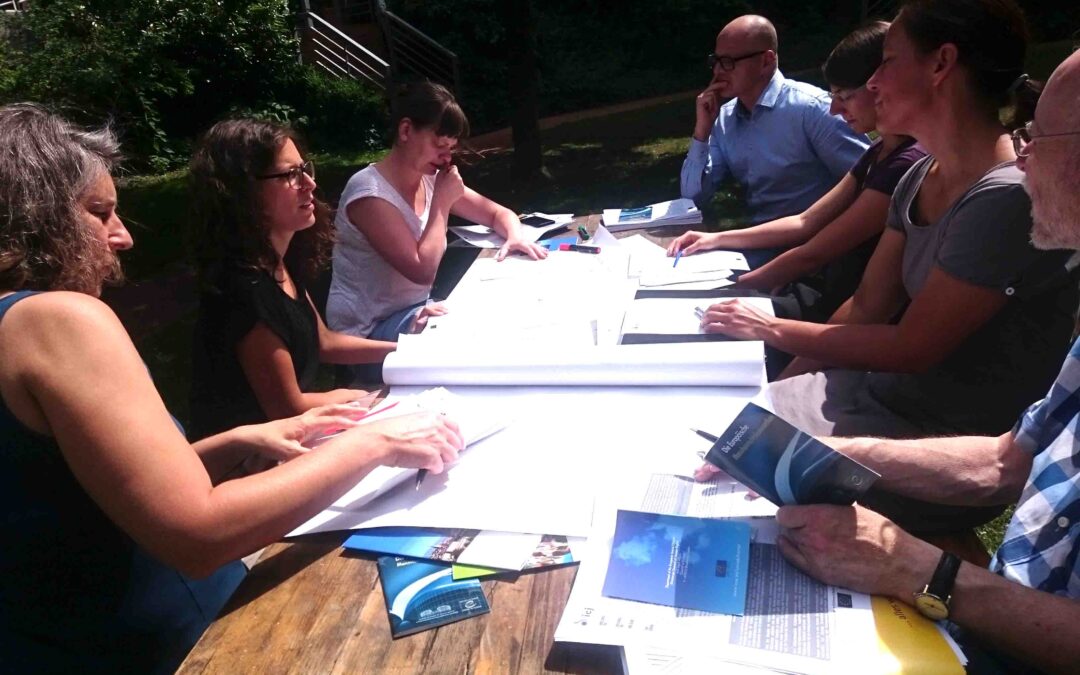
Today, the ICJ and Bundesfachverband unbegleitete minderjährige Flüchtlinge (BumF) are holding a training for lawyers on the rights of migrant children and on accessing international human rights mechanisms in Berlin.
The training aims to support the strategic use of national and international mechanisms to foster migrant children’s access to justice.
The training will take place over the course of two days: 20-21 June 2017.
The training will focus on accessing the international mechanisms in order to protect and promote the rights of migrant children, the child’s procedural rights including the right to be heard, the right to family life and family reunification.
A practical case analysis will be part of the training.
Trainers include Karolína Babická, Legal Adviser of ICJ’s Europe Programme, Claudia Kittel from the CRC Monitoring body in Germany, Sigrun Krause from JUMEN e.V. and Joris Sprakel, Lecturer at the Hague University.
The training is based on draft training materials prepared by the ICJ (to be published in the second half of 2017) and the ICJ Practitioners Guide no. 6: Migration and International Human Rights Law.
It is organized as part of the FAIR project co-funded by the Rights, Equality and Citizenship Programme of the European Union and OSIFE.
The past trainings on the rights of migrant children within the FAIR project took place in Spain, Italy, Bulgaria, Malta, Greece and Ireland. The Strategic litigation Retreat, which will bring three lawyers of each of the national trainings together with experts on in-depth insights and strategising on accessing international mechanisms will follow in October this year.
Download the agenda (in German) here:
Germany-FAIRtraining-Event-Agenda-2017 (in PDF)
Jun 16, 2017 | News
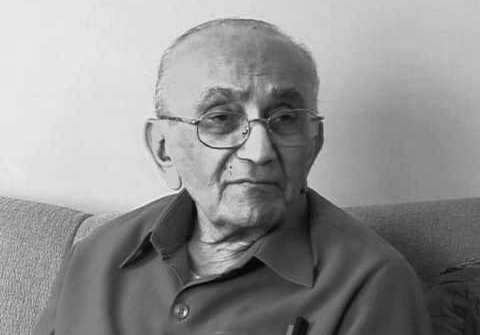
Justice Prafullachandra Natwarlal Bhagwati, former ICJ Commissioner and Honorary Member and Chief Justice of the Supreme Court of India, passed away at the age of 95, on 15 June 2017, following a brief illness.
“The International Commission of Jurists benefited greatly from Justice Bhagwati’s engagement and leadership. He was a giant of the human rights movement, dedicated to enlarging and ensuring access to justice for everyone, including those who couldn’t seek and receive justice due to their economic or social status,” said Sam Zarifi, ICJ’s Secretary-General.
“His dedication and ground-breaking approach to human rights accountability inspired many within and outside of the ICJ, and the values he represented will continue to inspire and inform our work,” he added.
Justice Bhagwati had a long history of promoting and protecting human rights, both at home and on the international stage, particularly for the most marginalized and vulnerable individuals and groups.
Former Chief Justice of India, Justice P.N. Bhagwati held a long and illustrious career within the Indian judiciary.
He introduced many innovative reforms within the Indian judicial system that increased access to justice for the poorest and most disadvantaged, including as a pioneer of public interest litigation and absolute liability.
Outside of India, Justice P.N. Bhagwati played a prominent role in the international human rights movement, for example as a member of the Committee of Experts of the International Labour Organization and Chair of the United Nations Human Rights Committee.
He was also actively involved in a number of non-governmental organizations, including the ICJ, where he committed to a high number of missions, seminars, publications and other activities on behalf of the organization.
He also served as a long-standing Chair of the Advisory Board for the ICJ’s Centre for the Independence of Judges and Lawyers.
May 25, 2017 | News, Training modules
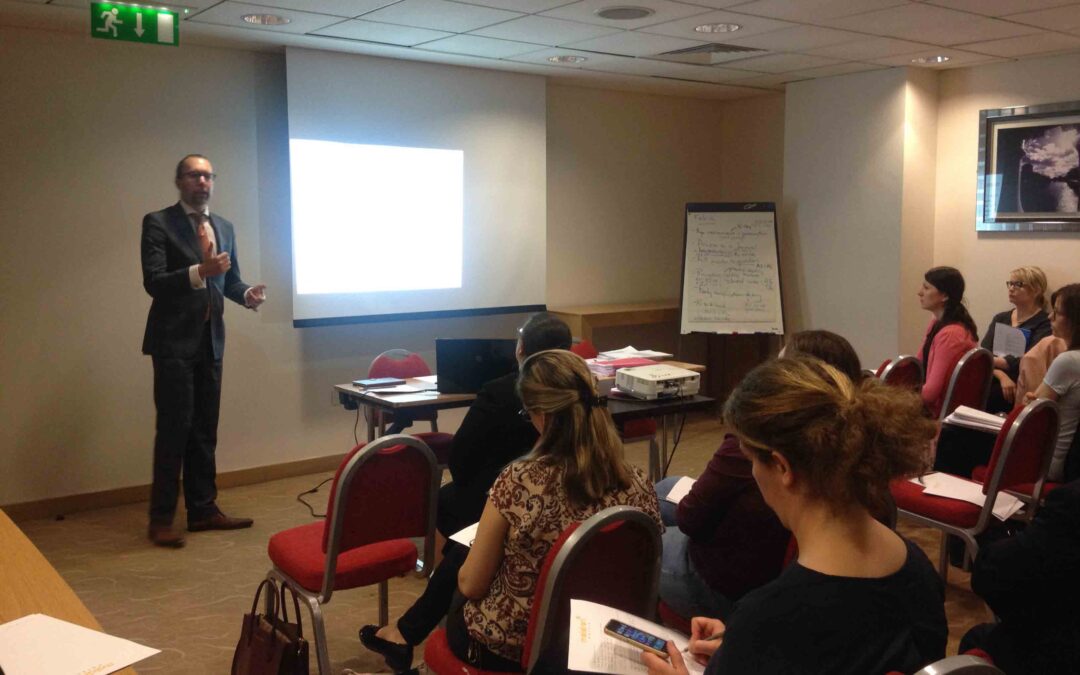
Today, the ICJ and the Immigrant Council of Ireland are holding a training for lawyers on the rights of migrant children and on accessing international human rights mechanisms in Dublin.
The training aims to support the strategic use of national and international mechanisms to foster migrant children’s access to justice.
The training will take place over the course of two days: 25-26 May 2017.
The training will focus on accessing the international mechanisms in order to protect and promote the rights of migrant children, the child’s procedural rights including the right to be heard, the right to family life, access to housing and education and immigration detention.
A practical case analysis will be part of the training. Trainers include Róisín Pillay, Director of ICJ’s Europe Programme, Dr. Patricia Brazil, BL and Joris Sprakel, Hague University.
The training is based on draft training materials prepared by the ICJ (to be published in the second half of 2017) and the ICJ Practitioners Guide no. 6: Migration and International Human Rights Law.
It is organized as part of the FAIR project co-funded by the Rights, Equality and Citizenship Programme of the European Union and OSIFE.
As part of the project, this training follows the trainings on the rights of migrant children in Spain, Italy, Bulgaria, Malta and Greece. Training in Germany and Strategic litigation Retreat will follow later this year.
Download the agenda here: Ireland-FAIRtraining-Event-agenda-2017-ENG
May 10, 2017 | Advocacy, News, Non-legal submissions
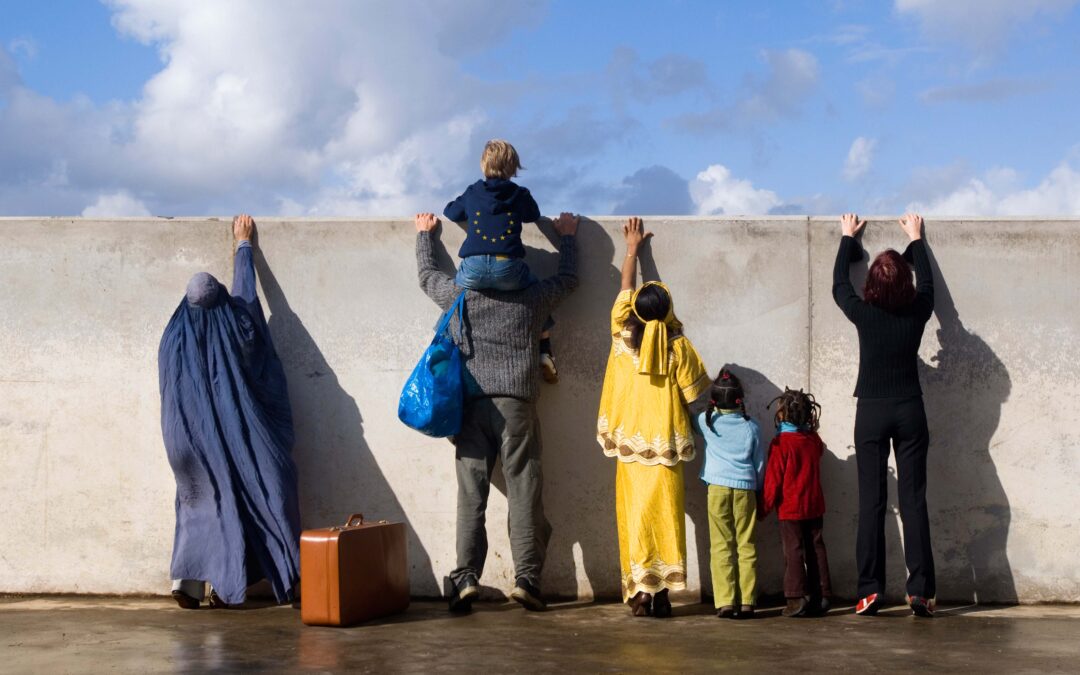
The ICJ emphasised the role of judges and lawyers in protecting human rights of migrants, during consultations at the UN in Geneva, as part of the preparatory process for a Global Compact on migration.
The informal consultation was convened by the UN General Assembly and held in Geneva on 8-9 May 2017. With a focus on human rights of migrants, it was the first thematic consultation to be held in connection with ongoing efforts by States to agree a UN global compact for safe, orderly and regular migration.
In addition to a written submission, the ICJ made statements during the main discussion, and as part of the concluding discussions.
The initial statement highlighted the recently published Principles on the Role of Judges and Lawyers in relation to Refugees and Migrants, developed by the ICJ in consultation with a wide range of relevant experts.
The concluding statement emphasised that effective protection of human rights, including of migrants, requires equal and effective access to impartial courts and independent lawyers, and urged States to ensure that the need for legal and practical guarantees for such access is reflected in the Global Compact eventually to be adopted. Indeed, the ICJ noted, access of individuals to a means of their enforcement is a key element distinguishing durable “rights” from, for instance, welcome but not necessarily permanent generosity.
For more information about the Principles on the Role of Judges and Lawyers in relation to Refugees and Migrants, click here.